DbcultAccessing Vault...
Cult Review
Senior Film Conservator
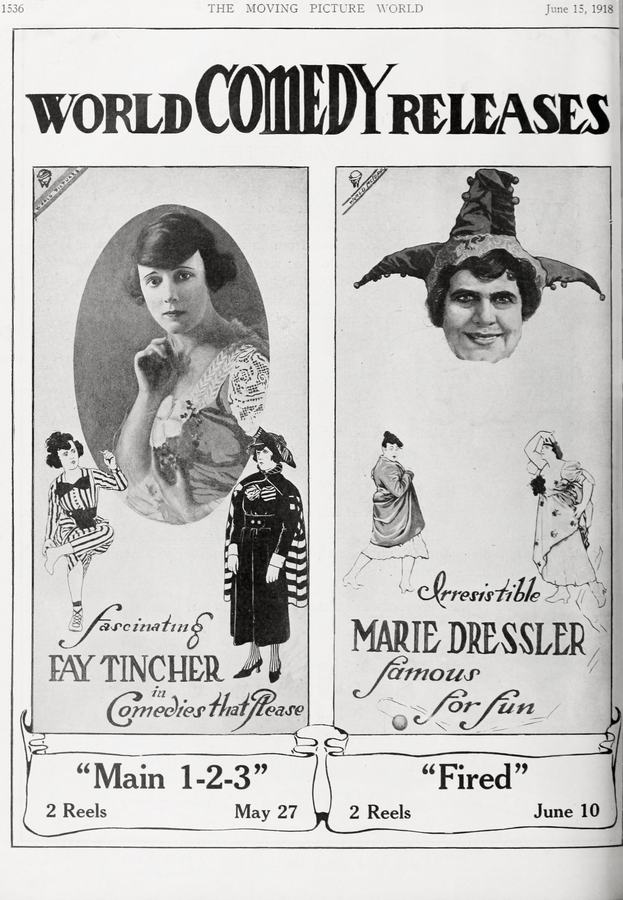
From the very first frame, Main 1-2-3 asserts itself not merely as a silent film, but as a vibrant, pulsating chronicle of its era, a testament to the burgeoning power of the moving image to capture and critique the human condition. Written by and starring the incomparable Fay Tincher, this cinematic marvel transcends its seemingly straightforward narrative to offer a kaleidoscopic view of urban ambition, moral fortitude, and the often-invisible machinery of societal power. It’s a film that demands close attention, rewarding the discerning viewer with layers of thematic richness and a performance from Tincher that is nothing short of magnetic.
Tincher, as Fay Miller, embodies a spirit of proto-feminist independence, a character whose intelligence and gumption are her most formidable weapons. Her portrayal is a masterclass in silent acting, conveying a vast spectrum of emotions through subtle shifts in posture, the eloquent flicker of an eye, and a physicality that suggests both vulnerability and an unyielding resolve. We see not just a woman who uncovers a conspiracy, but a woman who, in doing so, discovers her own formidable agency in a world largely dominated by men. This nuanced depiction of female strength sets Main 1-2-3 apart, elevating it beyond a mere genre exercise into a significant cultural artifact.
The film’s setting—a sprawling, nameless metropolis—is as much a character as any of its inhabitants. The cinematography, while constrained by the technology of its time, skillfully evokes the frenetic energy of early 20th-century urban life. We are plunged into a world of clattering streetcars, bustling marketplaces, and the labyrinthine corridors of power, all rendered with a stark realism that amplifies the narrative’s tension. The use of deep focus in certain shots, particularly those depicting the telegraph office, allows us to appreciate the intricate ballet of communication, the unseen wires connecting disparate lives, and the pivotal role Fay Miller plays within this complex network.
The genius of Tincher's writing lies in her ability to imbue the seemingly mundane act of telegraphy with dramatic weight. The rhythmic clicks and whirs of the machines become a narrative heartbeat, escalating in intensity as Miller deciphers the coded messages. This ingenious plot device not only grounds the story in a tangible reality but also provides a unique lens through which to explore themes of information control and the vulnerability of secrets in an increasingly interconnected world. The film implicitly asks: who truly holds the power when information flows so freely, yet is so easily manipulated?
Main 1-2-3 eschews simplistic hero-villain dynamics in favor of a more intricate exploration of corruption. The antagonist, a seemingly benevolent industrialist, is not a mustache-twirling caricature but a figure whose public persona sharply contrasts with his private machinations. This duality adds a chilling layer of verisimilitude to the narrative, reflecting the often-hidden nature of real-world malfeasance. The film's critique of unchecked corporate power resonates even today, making its silent commentary remarkably prescient.
Comparatively, while films like The Lost Express relied on the external threat of sabotage and physical danger to drive its suspense, Main 1-2-3 delves into the more cerebral and insidious threat of financial manipulation. The tension here is less about a runaway train and more about a runaway economy, a silent, unseen force threatening to derail countless lives. This shift in focus speaks to a growing sophistication in silent-era storytelling, moving beyond overt melodrama to explore more complex societal anxieties.
Fay Tincher’s performance as Fay Miller is a revelation, a testament to her versatility as both a performer and a writer. She imbues Miller with a compelling blend of youthful naiveté and steely determination. Her initial hesitation, the visible fear in her eyes when she first grasps the enormity of the conspiracy, makes her subsequent bravery all the more impactful. We witness her transformation from a diligent, if somewhat ordinary, worker into a self-made detective, navigating perilous back alleys and opulent ballrooms with equal parts trepidation and audacity. Her quick wit and ability to improvise in dangerous situations are conveyed through a series of expressive gestures and reactions that transcend the absence of spoken dialogue.
There's a scene where Miller, disguised, infiltrates a high-society gathering. Tincher’s subtle comedic timing shines here, as she navigates the unfamiliar social etiquette, her eyes constantly scanning for clues while maintaining a façade of polite disinterest. It’s a moment that recalls the plucky resourcefulness seen in characters from films like Molly Make-Believe, but Tincher's interpretation adds a layer of genuine peril, reminding us that Miller isn't just playing a game; she's risking her life. The stakes are palpable, thanks to Tincher's nuanced portrayal.
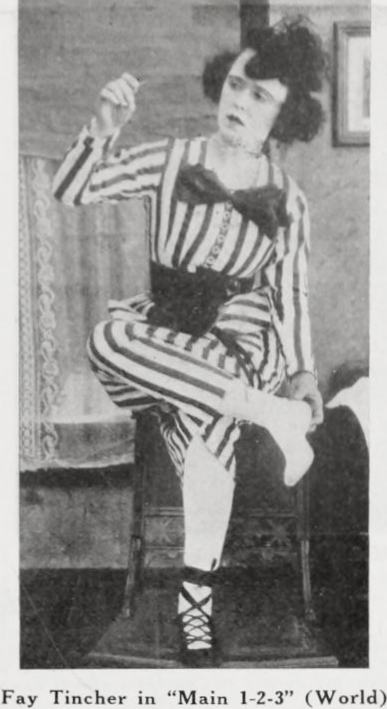
The visual grammar of Main 1-2-3 is particularly noteworthy. The film employs a dynamic range of shot compositions, from wide establishing shots that emphasize the grandeur and impersonality of the city to tight close-ups that magnify Miller’s emotional turmoil and intellectual focus. The editing, though perhaps conventional by modern standards, is remarkably effective in building suspense, utilizing quick cuts during chase sequences and longer, more deliberate takes during moments of quiet investigation or contemplation. This varied pace keeps the audience engaged, preventing the narrative from ever feeling static.
The use of light and shadow is also expertly handled, transforming familiar urban landscapes into arenas of intrigue and danger. Dimly lit alleys become treacherous pathways, while the harsh glare of office lights underscores the cold, calculating nature of the conspirators. This chiaroscuro effect is not merely aesthetic; it serves a crucial narrative function, visually reinforcing the moral ambiguities and hidden dangers that Miller confronts. It’s a technique that one might associate with later film noirs, yet it is employed here with surprising sophistication.
When considering Main 1-2-3 within the broader context of silent cinema, its unique qualities become even more apparent. While films like The Dare-Devil Detective offered overt action and thrilling escapades, Tincher's film grounds its excitement in intellectual pursuit and psychological tension. Miller's heroism is born not of brute force, but of keen observation and deductive reasoning, a quieter yet equally compelling form of bravery. This distinction positions Main 1-2-3 as a precursor to the cerebral thrillers that would gain prominence in subsequent decades.
Furthermore, the film's exploration of class disparities and the vulnerability of ordinary citizens to the machinations of the powerful finds parallels in more overtly social dramas of the era. However, where a film like Bread might focus on the systemic struggles of the working class, Main 1-2-3 frames these issues through the lens of a gripping personal quest for justice. It's a more accessible entry point to understanding complex social dynamics, wrapped in the guise of an exciting adventure.
The film's climax is a masterclass in building and releasing tension. The frantic chase through the rain-swept streets, punctuated by unexpected twists and turns, is both exhilarating and emotionally resonant. Tincher’s physical performance during these sequences is particularly impressive, conveying both her character’s desperation and her unyielding will to see justice served. The dramatic confrontation with the antagonist is not merely a physical struggle but a battle of wits, with Miller using her accumulated knowledge to expose the truth in a satisfyingly conclusive manner.
The resolution, while providing closure, also leaves a lasting impression of the power of individual courage against overwhelming odds. It's a narrative arc that speaks to universal themes of good versus evil, but rendered with a specificity that makes it feel uniquely authentic. The audience is left with a profound sense of admiration for Fay Miller, and indeed, for Fay Tincher, the visionary artist who brought her to life.
Main 1-2-3 stands as a monumental achievement in silent cinema, a film that not only entertained but also subtly challenged societal norms and explored complex themes with remarkable depth. Fay Tincher’s dual role as writer and star allowed for a singular vision, creating a protagonist who is both relatable and aspirational. Her ability to craft a compelling narrative that leverages the unique strengths of the silent medium—visual storytelling, expressive performance, and the evocative power of suggestion—is truly commendable.
The film's influence, though perhaps understated in broader cinematic histories, is undeniable. It paved the way for future thrillers centered on intelligent, resourceful female protagonists, demonstrating that heroism wasn't exclusive to brawny male figures. It's a film that deserves rediscovery, a vibrant piece of cinematic history that continues to resonate with its timeless themes of justice, integrity, and the enduring power of the human spirit. Its absence from more mainstream discourse is a disservice, as it offers a compelling argument for the artistic and narrative sophistication present in the earliest days of filmmaking. Main 1-2-3 is not just a film; it is a vital document of an era, a thrilling adventure, and a testament to the enduring genius of Fay Tincher.
IMDb 7
1917
Community
Log in to comment.