DbcultAccessing Vault...
Cult Review
Senior Film Conservator
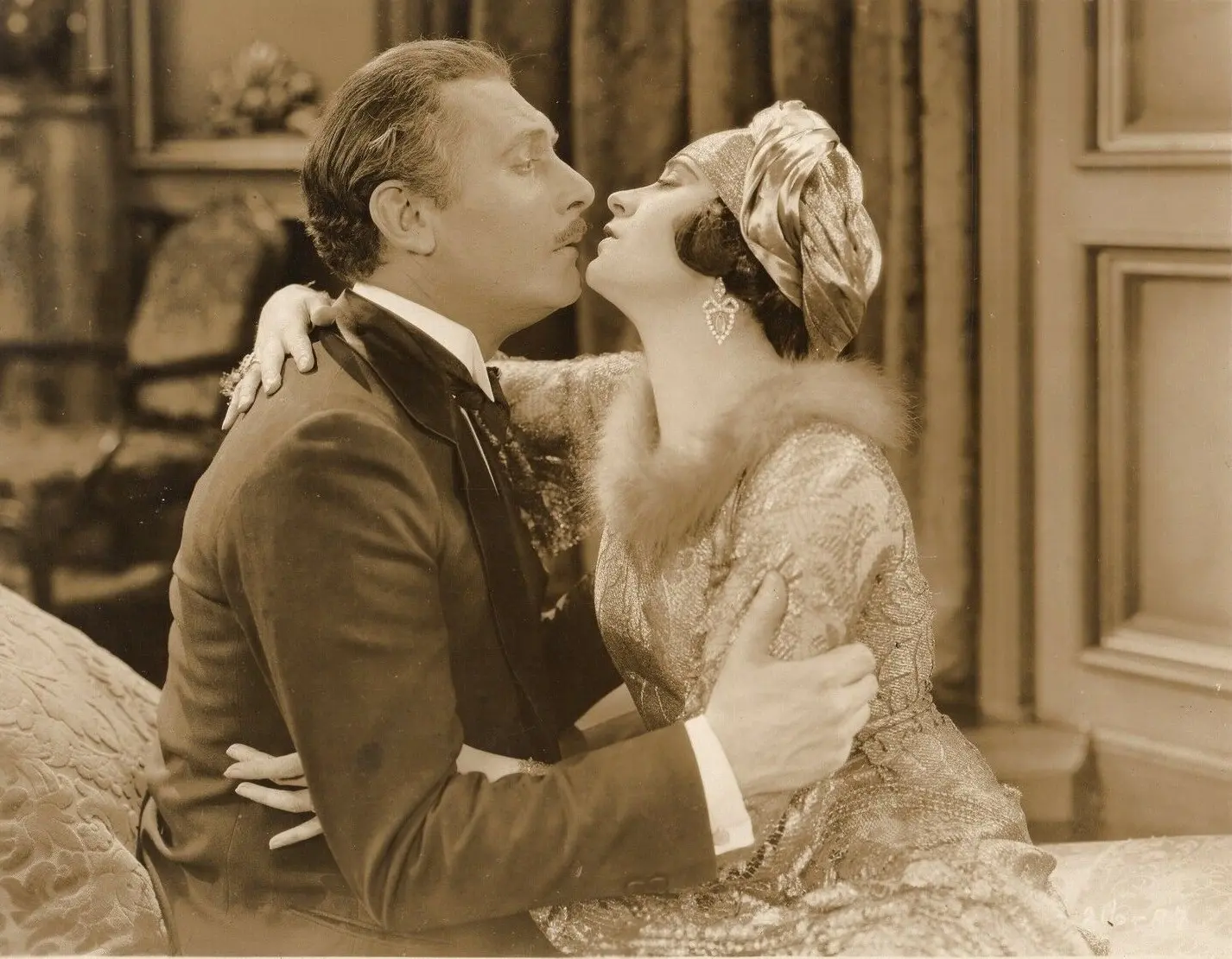
Short answer: yes, but with significant caveats. Man and Maid, a 1922 silent film, is worth watching today for serious cinephiles and those with a keen interest in early cinematic storytelling and the social dynamics of the post-World War I era. However, it is decidedly not for viewers seeking fast-paced action, contemporary narrative structures, or a film that perfectly aligns with modern sensibilities regarding romance and female agency.
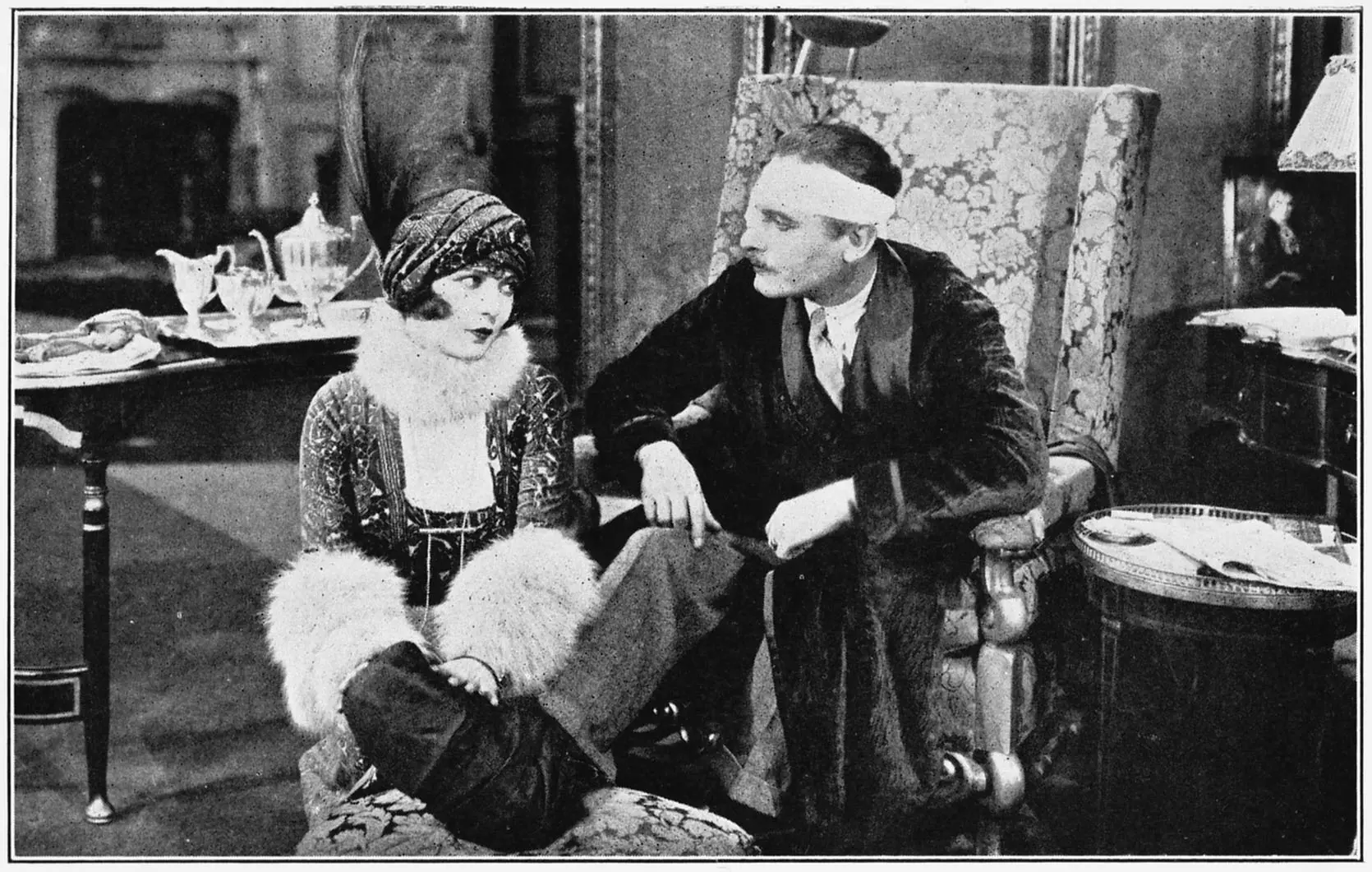
Elinor Glyn’s Man and Maid unfolds with a narrative ambition typical of its era, weaving together themes of duty, class, and the often-fraught path to romantic understanding. We are introduced to Alathea Bulteel, a Red Cross nurse, amidst the desolate ruins of a bombed Parisian building during the Great War. Her discovery of a prostrate English officer, whom she tends to with quiet efficiency before vanishing, sets the stage for a dramatic reunion dictated by the whims of fate rather than conscious choice.

The post-war landscape, a world grappling with its scars, forces Alathea into the precarious position of seeking employment. Her serendipitous appointment as private secretary to Sir Nicholas Thormonde—the very man whose life she once anonymously saved—is the kind of narrative contrivance that silent cinema often embraced. Nicholas, convalescing from his own wartime injuries, passes his recovery in a rather indulgent fashion, dallying with Suzette, a vivacious demimondaine. This initial dynamic immediately establishes a contrast between the dutiful, unassuming Alathea and the more worldly, pleasure-seeking Nicholas.
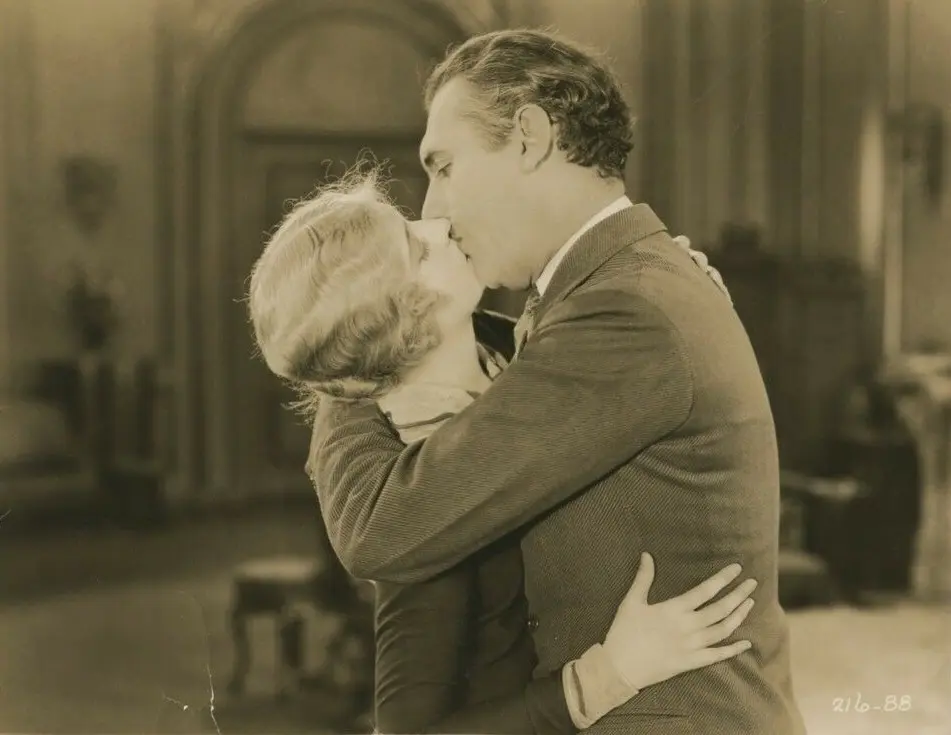
What follows is a fascinating exploration of perception versus reality. Alathea, clad plainly and hidden behind dark glasses, performs her duties with a quiet competence that gradually chips away at Nicholas’s superficiality. He falls in love with her, not for conventional beauty, but for her intrinsic character. This is one of the film’s more progressive ideas, hinting at a depth beyond the visual spectacle common in early cinema. However, a spontaneous kiss, intended as a declaration, is misconstrued by Alathea as an opportunistic advance, leading to her indignant departure. Her refusal of his subsequent marriage proposal, born from a deep-seated distrust of his sincerity, underscores a fundamental tension in their relationship: a chasm of unspoken assumptions and societal expectations.
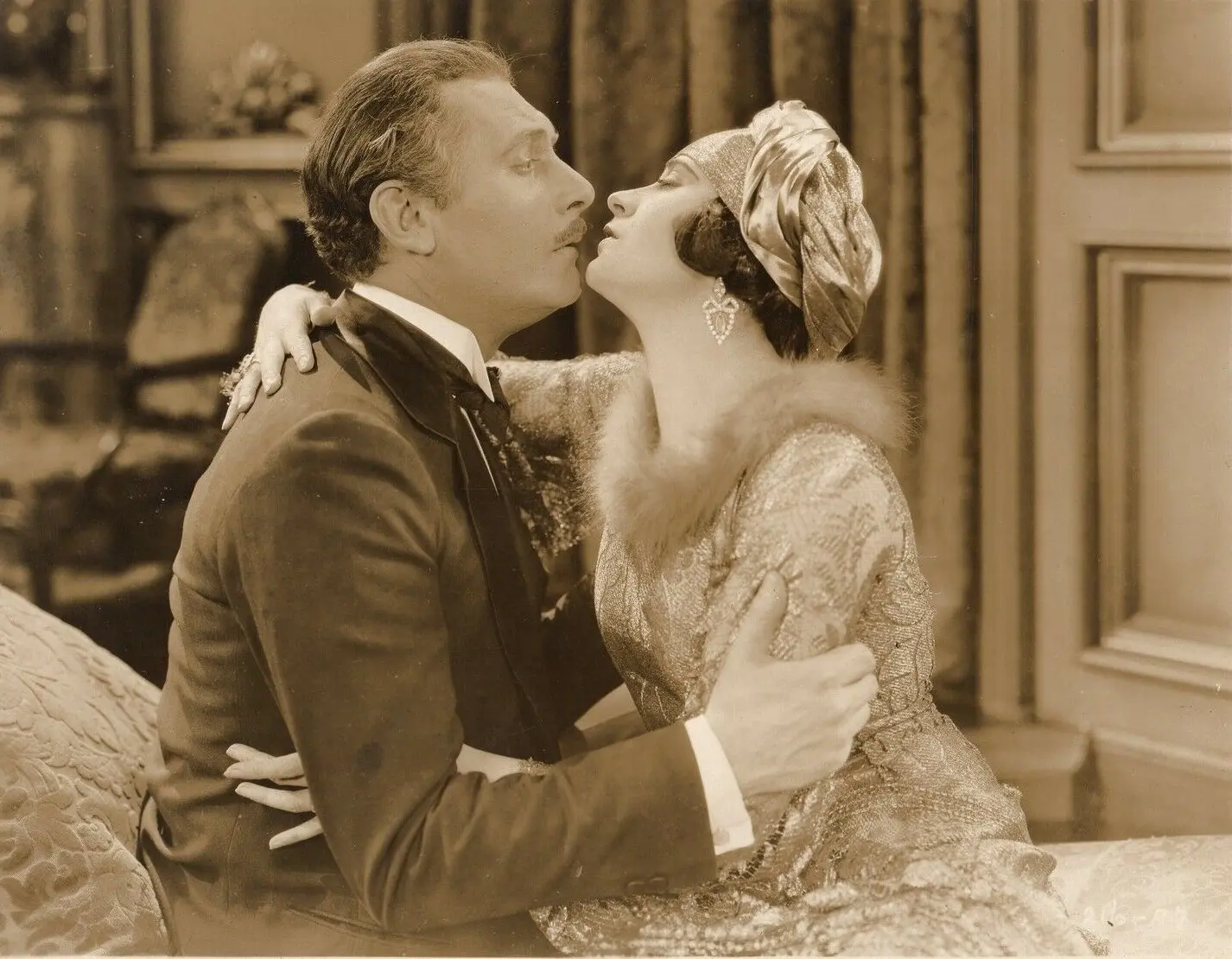
The narrative then veers into the realm of financial melodrama. Alathea’s father incurs a substantial gambling debt, a plot device that feels almost obligatory for the period. Nicholas, with an act of discreet generosity, settles the sum. Unaware of his kindness, Alathea offers her hand in marriage as repayment, a transaction that feels both tragic and inevitable given the circumstances. Their subsequent happiness, however, is fleeting, shattered by the reappearance of Suzette. Alathea, again misinterpreting the situation, flees. The resolution, a realization of Nicholas’s enduring love, brings them back together, but not without navigating a labyrinth of pride, misunderstanding, and societal pressures. The film's reliance on convenience for plot progression is both its charm and its Achilles' heel.

The success of any silent film hinges entirely on the expressive power of its actors, and Man and Maid is no exception. Jacqueline Gadsdon as Alathea Bulteel delivers a performance that is both restrained and deeply affecting. Her initial portrayal of the Red Cross nurse is stoic, conveying compassion through subtle gestures rather than overt emotion, such as her gentle touch on the officer's forehead during their first encounter. Later, as Alathea, the private secretary, Gadsdon masterfully uses her posture and the slight tilt of her head to communicate a quiet dignity, even when she feels vulnerable in Nicholas’s presence. The dark glasses she wears become more than just a costume prop; they are a barrier, a shield, and a symbol of her emotional guardedness, only truly lifted when her guard begins to fall. A particularly strong moment comes when Nicholas first kisses her; Gadsdon’s sudden stiffening, followed by a look of bewildered hurt that manages to convey both shock and a sense of betrayal, is remarkably clear even without intertitles explaining her exact thoughts. This film works because of its surprisingly nuanced portrayal of post-war societal anxieties and the quiet strength of its female lead, exemplified by Gadsdon’s ability to project inner turmoil with minimal overt action.
Lew Cody as Sir Nicholas Thormonde offers a more flamboyant, yet ultimately sympathetic, portrayal. Cody embodies the post-war gentleman of leisure with a certain roguish charm. His early scenes with Ren
IMDb —
1926
Community
Log in to comment.