DbcultAccessing Vault...
6.3/10
Senior Film Conservator
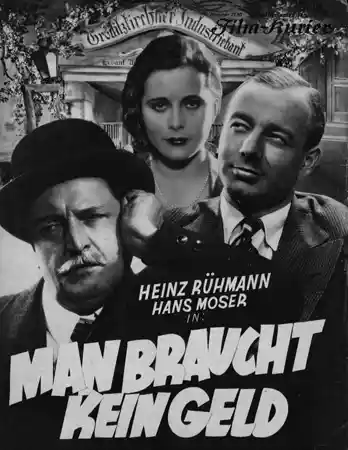
A definitive 6.3/10 rating for a film that redefined the boundaries of cult cinema. Man braucht kein Geld remains a cornerstone of transgressive art.
Alright, if you’re looking for something breezy and a bit silly from the early 30s, Man braucht kein Geld might just hit the spot. It’s a German comedy, pre-war, starring a very young Hedy Lamarr. Folks who love classic screwball and don't mind a slower pace will probably get a kick out of it. If you need explosions or even just really snappy, modern humor, this one’s probably not for your Friday night. 🕰️
The whole thing kicks off with the Brandt family just totally ruined, oil speculation, you know the drill. And their local bank? Well, it’s pretty much on the brink too. Enter Schmidt, the bank accountant, played by Siegfried Berisch. Oh, Schmidt. He’s a ball of nerves, right from the start.
You see him sweating, trying to manage this impossible situation. He even spends his own money, what little he has, to make a good impression on the supposed American millionaire, Uncle Thomas Hoffman. Talk about desperate moves.
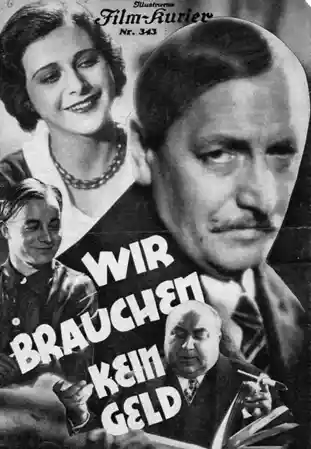
He takes it a step further, too. Schmidt pretends to be Brandt’s daughter’s fiancé to really seal the deal. This whole charade is set up with such a frantic energy.
Then Uncle Thomas Hoffman arrives, the 'millionaire' from Chicago. But surprise! He’s not rich at all. In fact, he owes a hundred bucks to Chicago for medical care. This reveal is handled with such a straight face, it's great. It’s almost understated, which makes it funnier.
Yet, just his presence, this idea of money coming, suddenly everyone starts acting like it’s true. It’s like a weird placebo effect for the town’s economy. The whole town just... believes. And it works. It really does.

It’s absurd, but charmingly so. The whole idea is that you don't actually need the money, just the *belief* that it's there. 💰
There’s this fantastic bit where the foreign office in Berlin gets involved because Chicago wants their $100 back from Hoffman. It’s such a small, specific detail, but it just amplifies the whole farce. A whole diplomatic incident over a measly hundred bucks! The film really leans into the idea that perception is everything when it comes to money.
And Hoffman himself, played by Hugo Fischer-Köppe, he’s just this **gentle, unassuming guy** who accidentally sets off this financial revolution. He spends most of the movie looking slightly bewildered by the chaos he’s caused, and honestly, who wouldn’t? He really doesn't seem to enjoy all the attention.
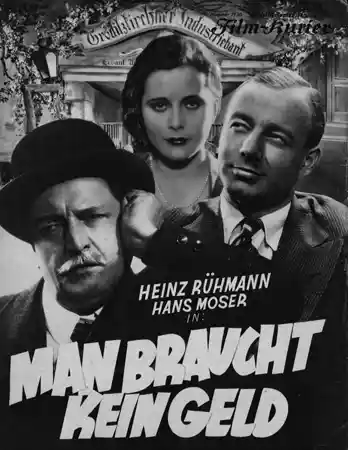
Hedy Lamarr, as Brandt’s daughter, has this youthful sparkle. She’s not the central character, but every time she’s on screen, you can feel her star power already. Even in these early roles, she just has that something. You can tell she was going places. ✨
The pacing is definitely of its time. Some scenes hold a bit longer than you’d expect today. It gives you time to really soak in the expressions, though. The sound, too, is typical early talkie; a bit boxy, but you get used to it. You really have to adjust your viewing expectations.
It’s not slick, it’s not fast. It just… *is*. The humor comes from the situation and the characters' reactions, not necessarily rapid-fire dialogue.
And through it all, Hoffman just wants to go back to his quiet life in Chicago. He really doesn’t care for all this financial hullabaloo. It’s a nice touch, a reminder that not everyone wants to be caught up in the rat race, even if it brings prosperity. The movie doesn’t really offer a neat resolution for everything, but that’s okay. It leaves you with this warm, slightly bewildered feeling. It's a charming little watch. 😊
IMDb 6.5
1937
Community
Log in to comment.