DbcultAccessing Vault...
6/10
Senior Film Conservator
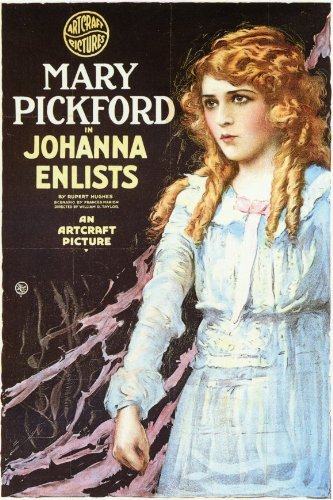
A definitive 6/10 rating for a film that redefined the boundaries of cult cinema. Johanna Enlists remains a cornerstone of transgressive art.
In the annals of silent cinema, where flickering shadows often spoke volumes, certain films emerge not just as historical artifacts but as vibrant narratives that continue to resonate with contemporary audiences. Johanna Enlists, a 1918 masterwork starring the incomparable Mary Pickford, is precisely one such cinematic treasure. Directed by William Desmond Taylor and penned by the formidable writing duo of Rupert Hughes and Frances Marion, this film transcends its period trappings to deliver a surprisingly nuanced exploration of self-discovery, societal expectation, and the transformative power of unexpected encounters. It’s a testament to the enduring appeal of a well-told story, particularly one graced with Pickford’s singular magnetism.
The film introduces us to Johanna, a young woman ensnared by the suffocating monotony of her father’s backwoods farm. This isn't just a physical setting; it's a spiritual cage. The landscape itself seems to mirror her internal state: vast, unyielding, and largely devoid of stimulation. Pickford, with her characteristic blend of innocence and underlying strength, perfectly embodies this initial state of quiet desperation. Her portrayal isn't one of overt rebellion, but rather a simmering discontent, a yearning for something more that pulses beneath the surface of her dutiful existence. Her days are a cycle of chores, her nights perhaps filled with dreams of a world beyond the dusty fields and the stern gaze of her father. It’s a familiar narrative trope, certainly, but in Pickford’s hands, Johanna becomes less a caricature and more a universal symbol of youthful aspiration constrained by circumstance.
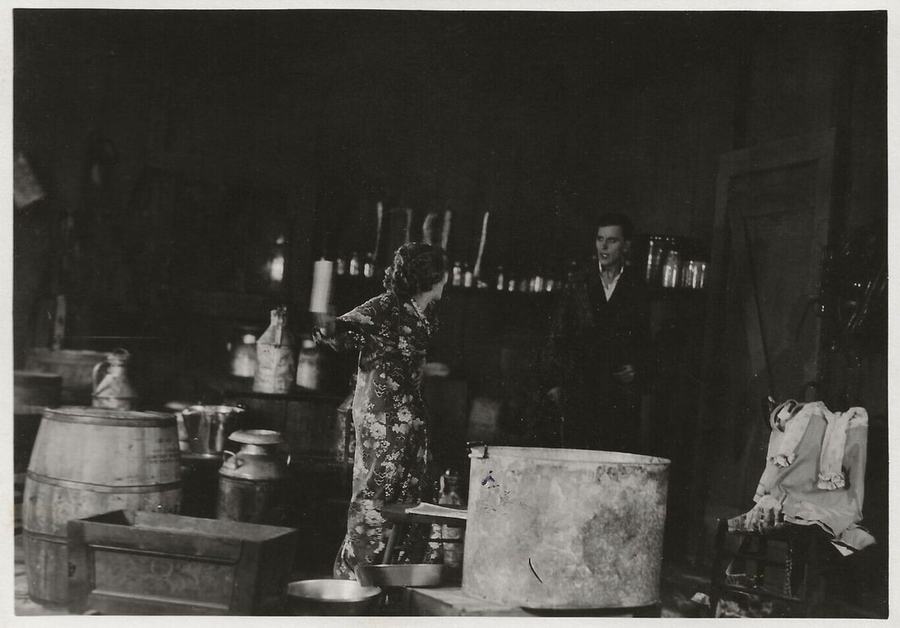
The genius of Frances Marion's screenplay, known for her keen insight into female psychology, shines through in these early scenes. She doesn't just present Johanna as a victim; she establishes her as a character with an innate vitality that is merely dormant. This distinction is crucial, as it sets the stage for her eventual awakening, making it feel earned rather than simply imposed by external events. The film quietly builds this sense of stifled potential, allowing the audience to truly feel the weight of Johanna’s isolation before the catalyst arrives.
The arrival of an army regiment, dispatched to train in the secluded area, is nothing short of an invasion – not of hostility, but of life itself. Their sudden appearance shatters the pastoral quietude, replacing it with the rhythmic cadence of marching boots, the vibrant flash of uniforms, and the boisterous energy of young men. For Johanna, this isn't merely a change of scenery; it's an existential earthquake. The regiment represents everything her farm life is not: adventure, camaraderie, purpose, and a connection to the larger world. The film masterfully contrasts the drab, muted tones of her previous existence with the dynamic, almost overwhelming presence of the soldiers. It’s a visual and thematic coup, instantly conveying the magnitude of this shift.
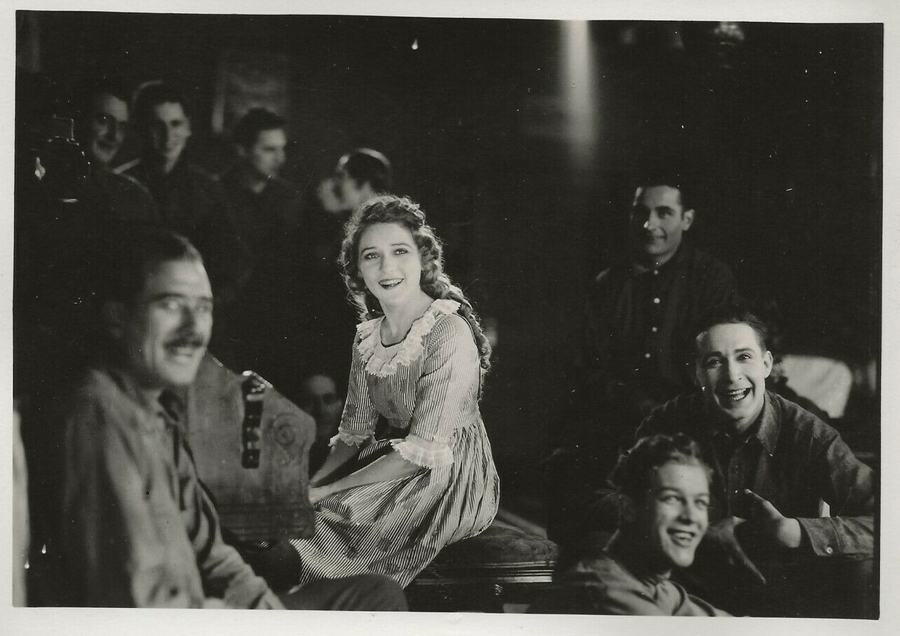
The soldiers, initially a monolithic entity of masculine energy, quickly individuate, each bringing a different facet of the outside world to Johanna's doorstep. This influx of personalities, particularly the earnest and often clumsy attempts at courtship, provides both comic relief and genuine emotional connection. It’s through these interactions that Johanna begins to shed her timidity, her natural wit and charm bubbling to the surface. She is no longer just a farm girl; she is a young woman discovering her own agency and allure. The film handles these interactions with a light touch, avoiding melodrama in favor of a more authentic depiction of burgeoning social awareness.
To speak of Johanna Enlists without extolling the virtues of Mary Pickford's performance would be an oversight of critical proportions. Pickford, often dubbed 'America's Sweetheart,' possessed an uncanny ability to convey complex emotions with minimal gestures and profound facial expressions. Here, she is at the peak of her powers, oscillating effortlessly between the wide-eyed innocence of a sheltered girl and the burgeoning confidence of a woman coming into her own. Her eyes, often described as expressive pools, are particularly effective in communicating Johanna's inner life – from the initial flicker of curiosity to the eventual spark of self-assertion.
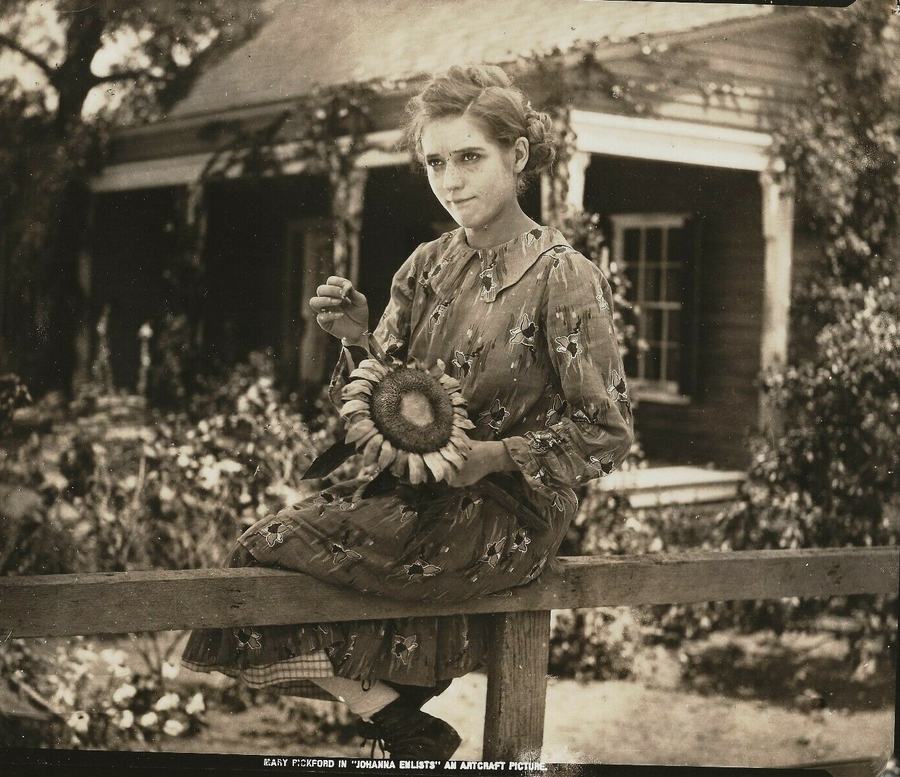
Pickford's physical comedy, too, is understated yet impactful. She doesn't resort to broad gags but finds humor in Johanna's awkwardness, her attempts to navigate this new, exciting world. This authenticity makes her character incredibly relatable. The audience isn't just watching Johanna; they are rooting for her, empathizing with her journey. Her presence elevates the film beyond a simple romantic comedy, imbuing it with a depth that speaks to the universal human desire for connection and purpose. One might compare her nuanced performance to the quiet strength found in Lillian Gish's work in films like The Little Samaritan, though Pickford’s unique brand of vivacity sets her apart, making Johanna a character brimming with an infectious optimism.
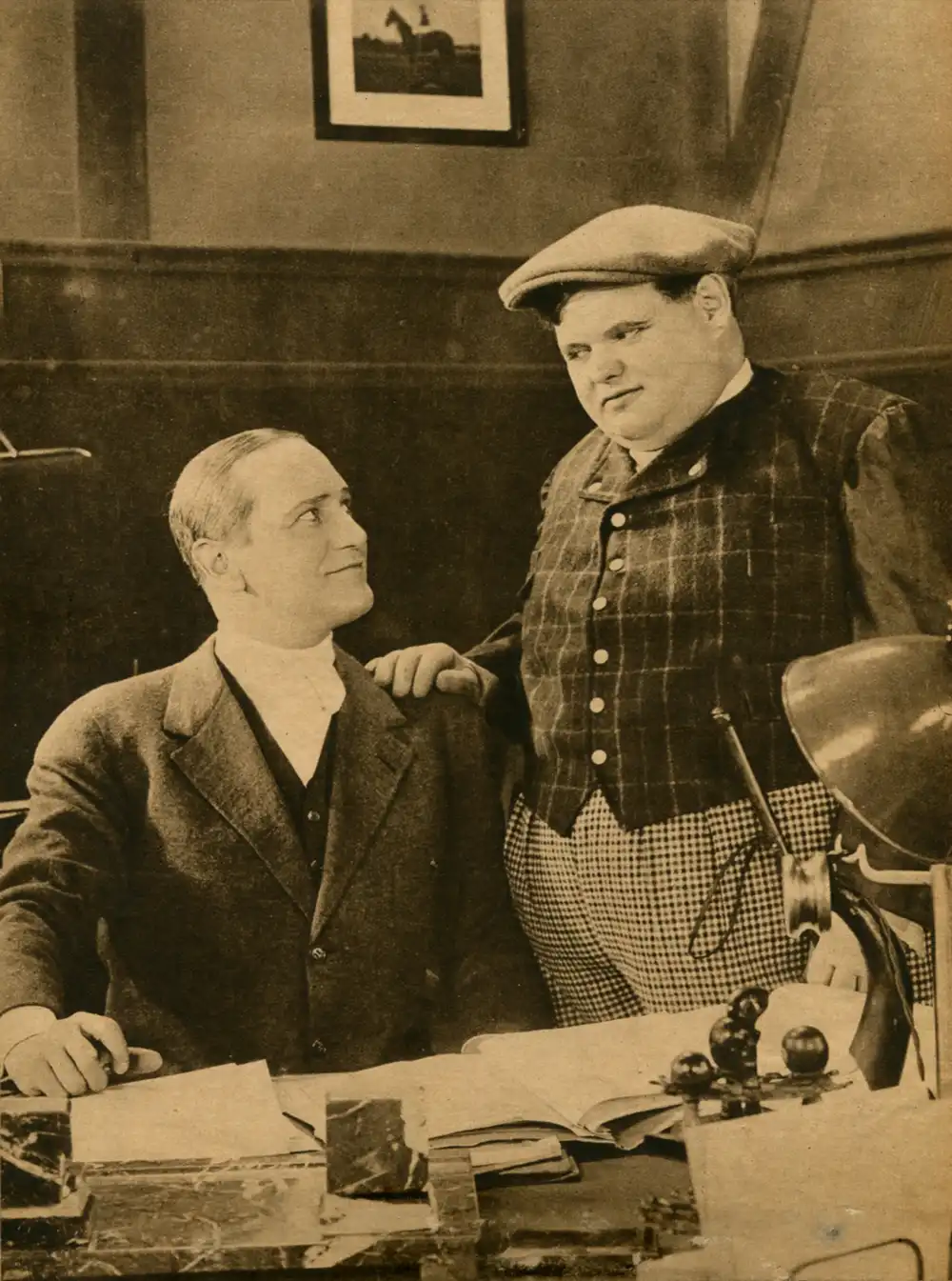
While Pickford undeniably shines, the supporting cast provides a robust foundation for her performance. Wallace Beery, a formidable presence even in these early roles, brings a gruff authenticity to his character. His interactions with Johanna often provide a delightful contrast, highlighting her delicate spirit against his more imposing demeanor. Emory Johnson, Fred Huntley, and Monte Blue, among others, contribute to the vibrant tapestry of the regiment, each soldier given enough personality to feel distinct rather than merely background filler. The ensemble's collective energy truly brings the military camp to life, making it feel like a buzzing microcosm of society rather than a sterile collection of uniforms.
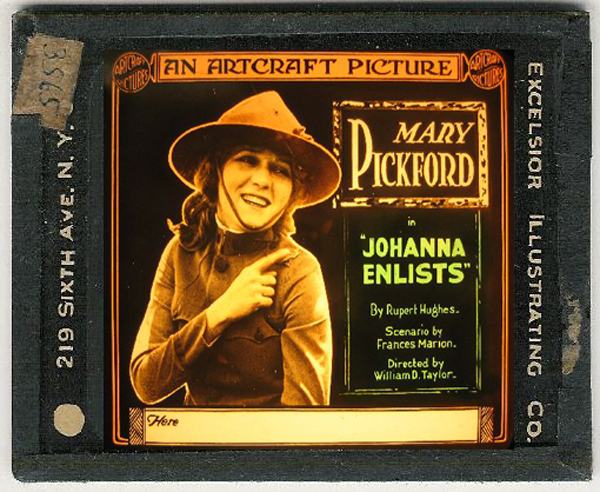
The interplay between these characters is expertly orchestrated by director William Desmond Taylor. He understands the dynamics of group interaction and allows for moments of genuine connection and lighthearted banter, all without the aid of spoken dialogue. This speaks volumes about the skill of silent film actors, who relied on gesture, expression, and timing to convey complex social relationships. The film's ability to create a believable and engaging community within the regiment is one of its quiet strengths, preventing Johanna's story from feeling isolated even as she navigates her personal journey.
Released in 1918, during the throes of World War I, Johanna Enlists carries an implicit weight of its historical context. While not a direct war film like The Coward, its narrative is undeniably shaped by the era. The presence of the regiment isn't just a plot device; it's a reflection of a nation mobilizing, of young men preparing for a conflict that would forever alter the global landscape. The film cleverly uses this backdrop to explore themes of patriotism, duty, and the often-unseen sacrifices made on the home front. Johanna's personal enlistment, while metaphorical, mirrors the literal enlistment of countless individuals during that tumultuous time.
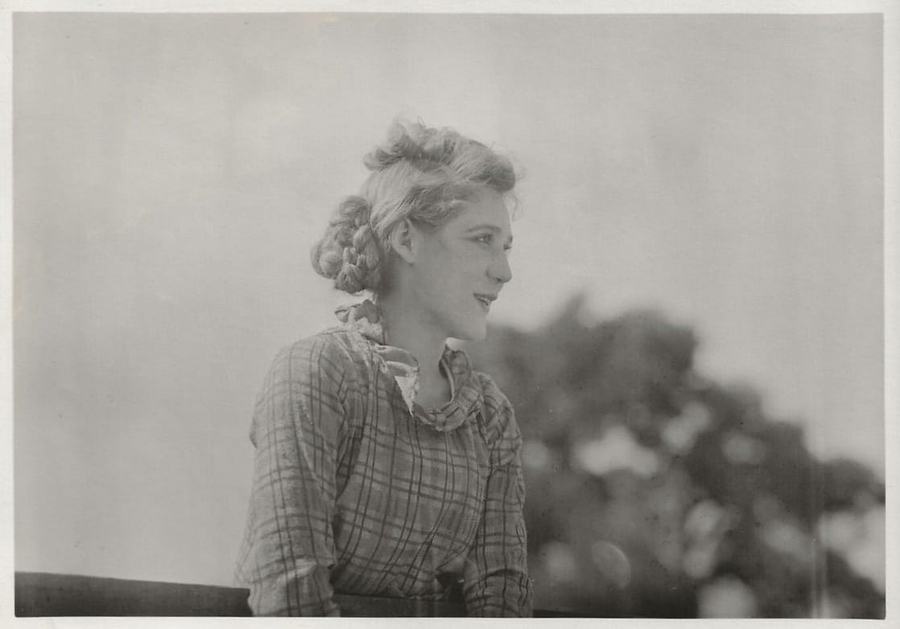
From a purely cinematic perspective, Johanna Enlists is a masterclass in silent film storytelling. William Desmond Taylor's direction is assured and fluid, allowing the narrative to unfold with a natural rhythm. The cinematography, though perhaps not as overtly experimental as some of its European contemporaries, is effective in establishing mood and enhancing character. Shots of the sprawling farm contrast sharply with the bustling activity of the camp, visually reinforcing Johanna's journey from isolation to integration. The use of intertitles is judicious, never overwhelming the visual narrative but providing just enough context to guide the audience through the emotional beats of the story.
The film's pacing is also noteworthy. It allows for moments of quiet introspection alongside scenes of lively interaction, creating a dynamic viewing experience. The humor is gentle, derived from character and situation rather than slapstick, which gives the film a timeless quality. While it might lack the grand scale of an epic like The Might of Gold or the intricate political machinations of Diplomacy, its strength lies in its intimate portrayal of a universal human experience. It's a film that reminds us of the power of hope, the excitement of discovery, and the profound impact that new experiences can have on shaping one's identity. Its legacy endures not just as a showcase for Mary Pickford's talent, but as a beautifully crafted piece of cinema that speaks to the heart of human aspiration.
What truly elevates Johanna Enlists beyond a mere historical curiosity is its profound humanity. Johanna's journey from stifled existence to invigorated self is a narrative arc that transcends the specificities of the early 20th century. Who among us hasn't felt the pull of a life unlived, the yearning for a world beyond our immediate confines? The film taps into this universal longing, offering a comforting and inspiring vision of personal transformation. It suggests that even in the most unexpected places and under the most challenging circumstances, opportunities for growth and happiness can arise.
The film, through Pickford's luminous performance and the astute writing of Hughes and Marion, captures the delicate dance of human connection – the tentative steps of friendship, the flutter of first romance, and the quiet dignity of self-reliance. It’s a story that affirms the simple yet profound truth that every individual possesses an inner spark, waiting for the right moment, or the right regiment, to ignite. Much like the quiet resilience often explored in films such as A Mother's Confession, or the unexpected turns of fate in One Touch of Nature, Johanna Enlists offers a poignant reminder that life's greatest adventures often begin with a single, courageous step into the unknown. It’s a beautifully realized narrative, rich in emotional resonance and enduring charm, cementing its place as a significant contribution to early American cinema.
IMDb —
1921
Community
Log in to comment.