DbcultAccessing Vault...
5.9/10
Senior Film Conservator
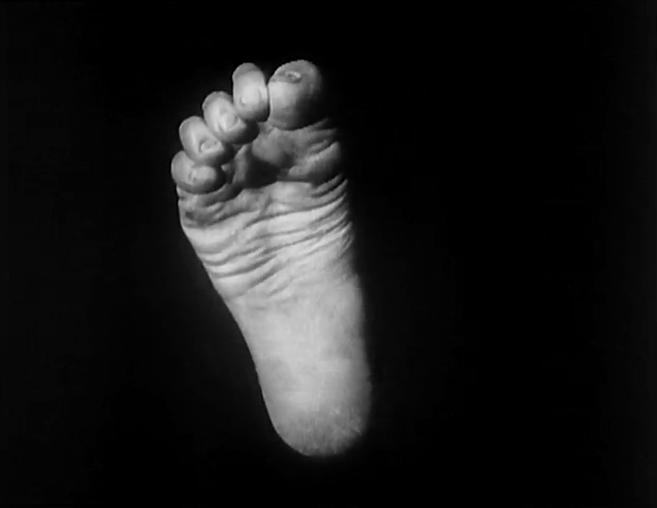
A definitive 5.9/10 rating for a film that redefined the boundaries of cult cinema. Le pied qui étreint remains a cornerstone of transgressive art.
By 1916, the cinematic landscape was utterly enthralled by the serial format. The American import of the 'perils' subgenre had effectively colonized the European imagination, leading to a proliferation of masked villains, secret societies, and cliffhangers that functioned with the precision of a Swiss watch. It was within this climate of high-stakes melodrama that Jacques Feyder unleashed Le pied qui étreint (The Clutching Foot). This was not merely a comedy; it was a surgical dissection of a genre that had become perhaps too self-serious for its own good. While films like The Silent Voice were exploring the depths of human pathos, Feyder was more interested in the elasticity of narrative logic.
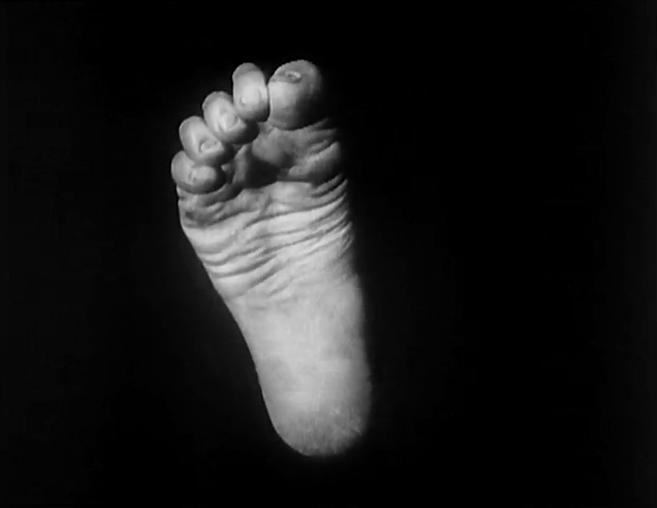
The title itself is a cheeky nod to The Clutching Hand, the antagonist of The Exploits of Elaine. By substituting a hand for a foot, Feyder immediately signals his intent: to upend the hierarchy of the thriller. The film doesn't just mock the plot points; it mocks the very visual grammar of the serial. The way the camera lingers on an 'ominous' clue, the exaggerated gestures of the villains, and the miraculous escapes are all heightened to the point of delirium. It stands in stark contrast to the gritty realism or the somber tones of The Tide of Death, offering instead a buoyant, intellectual levity that was rare for its time.
The inclusion of Musidora in the cast is a stroke of meta-textual genius. Having become the definitive 'vamp' through Louis Feuillade’s Les Vampires, her presence here serves as a bridge between the genuine article and the parody. In Le pied qui étreint, the mystery she typically embodies is refracted through a prism of wit. Unlike the more traditional female roles seen in Your Girl and Mine: A Woman Suffrage Play, which sought to empower through direct political messaging, Musidora’s participation here empowers through the deconstruction of her own iconographic status. She plays with the audience's expectations, moving with a feline grace that is simultaneously intimidating and hilarious.
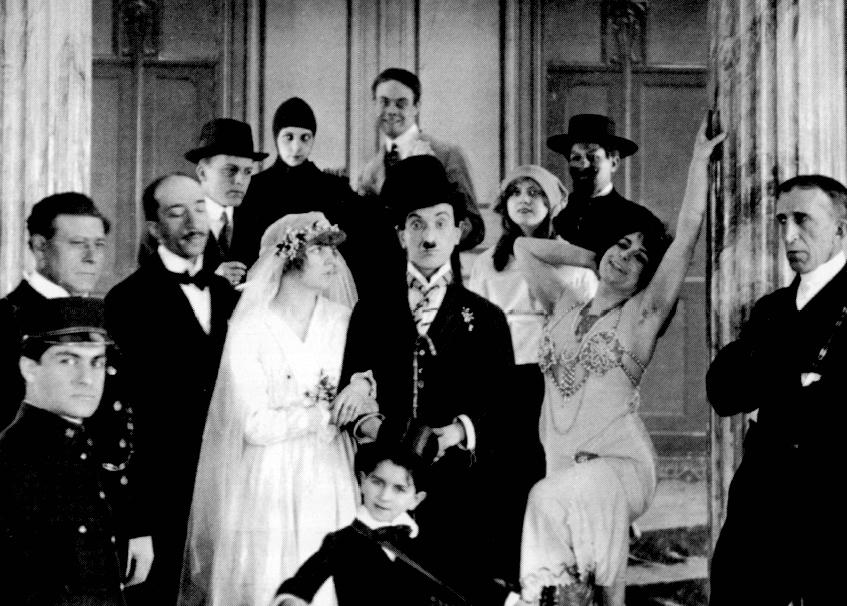
The chemistry between the cast members, including the legendary Marcel Lévesque, creates a frantic energy that feels surprisingly modern. Lévesque, known for his eccentric physicality, provides a masterclass in silent comedy that rivals the best of the era's slapstick. The way he interacts with the environment—finding danger in the mundane—recalls the intricate plotting found in The Labyrinth, though Feyder’s labyrinth is one of comedic errors rather than existential dread.
Technically, Le pied qui étreint is a fascinating relic. Feyder, who would later go on to direct masterpieces of poetic realism, shows an early aptitude for framing and pacing. The film utilizes the Gaumont studio’s resources to create sets that look just convincing enough to be taken seriously, only to have them fall apart—literally or figuratively—under the weight of the plot's absurdity. This tension between production value and narrative silliness is where the film finds its greatest strength. While a film like The Life of Richard Wagner aimed for a grand, operatic scale, Feyder’s work is intimate and self-aware.
The use of intertitles in the film is also noteworthy. They don't just bridge the gap between scenes; they often comment on the action with a dry, Gallic wit. This linguistic playfulness matches the visual puns, creating a multi-layered experience. For instance, the 'sinister gang' is portrayed with such over-the-top villainy that they become more endearing than threatening, a sharp departure from the genuine menace found in Sein schwierigster Fall. Feyder understands that for a parody to work, it must first master the rules of the genre it intends to break.
To truly appreciate Feyder’s achievement, one must look at the contemporary landscape. In 1916, cinema was grappling with its identity. On one hand, you had the rugged, moralistic tales like The Three Godfathers, and on the other, the high-seas adventure of The Sea Wolf. These films were building the foundations of cinematic storytelling. Feyder, however, was already looking at the cracks in those foundations. By poking fun at the 'damsel in distress' trope, he was engaging in a form of social critique that was far more subtle than the overt melodrama of A Little Brother of the Rich.
Even when compared to European contemporaries like the Danish Det blaa vidunder, which utilized visual flair for dramatic effect, Le pied qui étreint feels distinct. It doesn't want to transport you to another world; it wants you to look at the world of cinema with a critical, albeit laughing, eye. The pacing is relentless, a series of vignettes that build upon one another until the very concept of the 'thriller' is exhausted. It lacks the sentimentality found in 'Tween Heaven and Earth, replacing it with a sharp, intellectual vigor.
Why does a parody from 1916 still resonate? Perhaps because the tropes it mocks have never truly disappeared; they have only evolved. The 'sinister gang' of Feyder’s imagination is the ancestor of every campy Bond villain and every satirical take on the superhero genre. The film’s ability to find humor in the mechanics of suspense is a testament to Feyder’s deep understanding of the medium. It is a work that rewards the cinephile who can recognize the echoes of Stolen Goods or the narrative complexity of Tangled Fates within its frames.
Ultimately, Le pied qui étreint is a celebration of cinema’s malleability. It proves that even in its infancy, the medium was capable of self-reflection. It didn't need decades of history to start questioning its own conventions. For those interested in the history of filmic comedy, this is an essential text. It is a reminder that while films like The War Correspondents were documenting the external world, Feyder was documenting the internal logic of the moving image itself. It is a joyful, irreverent, and profoundly intelligent piece of art that deserves to be rescued from the shadows of its more 'serious' contemporaries like The Reclamation.
A masterclass in early satire, Feyder’s 'Le pied qui étreint' remains a vibrant example of how cinema can laugh at itself while simultaneously pushing the boundaries of what is possible on screen.
IMDb —
1928
Community
Log in to comment.