DbcultAccessing Vault...
6.5/10
Senior Film Conservator
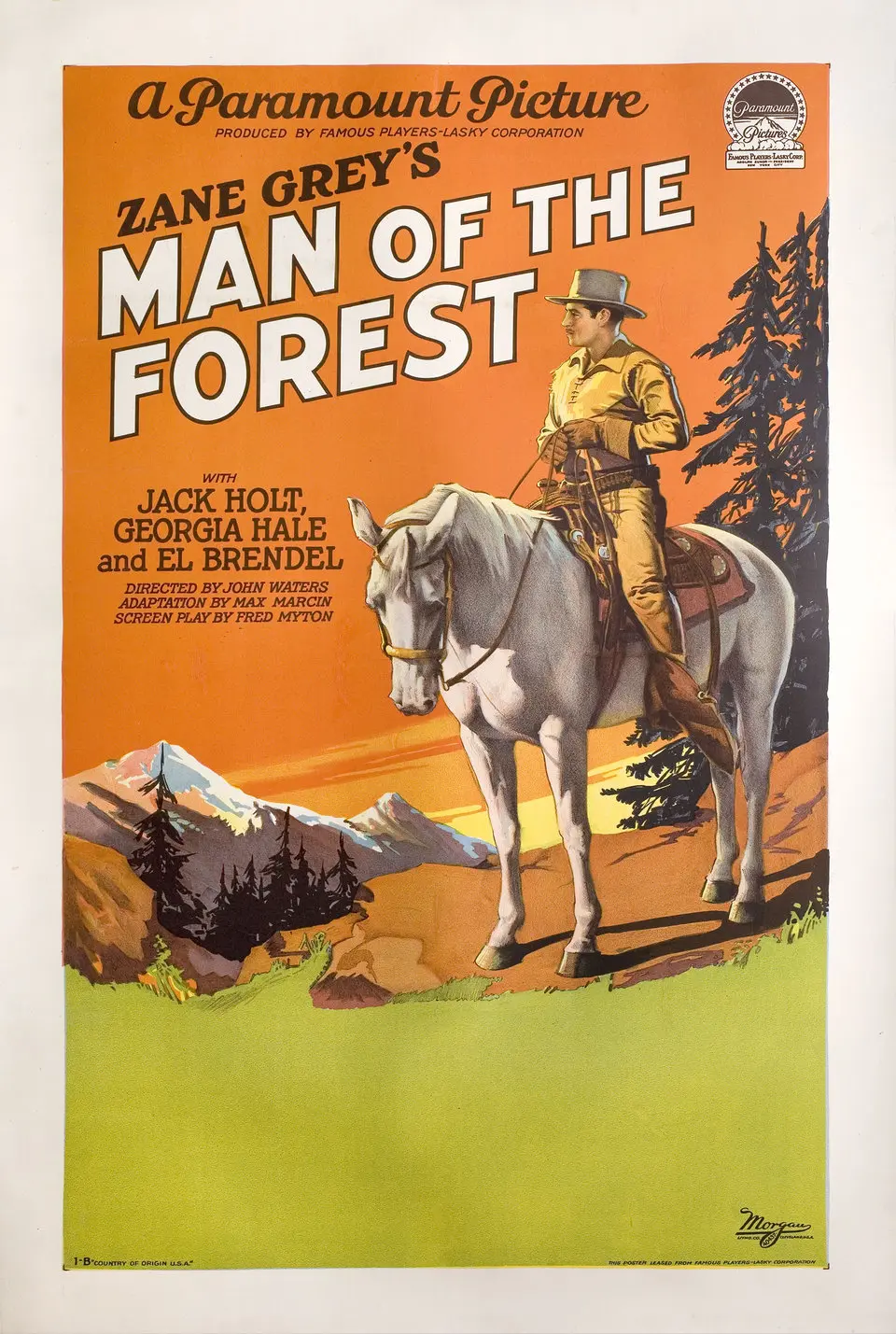
A definitive 6.5/10 rating for a film that redefined the boundaries of cult cinema. Man of the Forest remains a cornerstone of transgressive art.
Is Man of the Forest worth watching today? Short answer: yes, but with significant caveats. This silent western, a product of 1926, offers a fascinating glimpse into early Hollywood's attempt at translating Zane Grey's rugged prose to the screen. It is absolutely for those with a deep appreciation for cinematic history, silent film enthusiasts, and anyone curious about the foundational elements of the Western genre, particularly those unafraid of slower pacing and less sophisticated storytelling tropes. However, if your palate demands fast-paced action, complex character arcs, or modern production values, Man of the Forest will likely test your patience and leave you wanting.
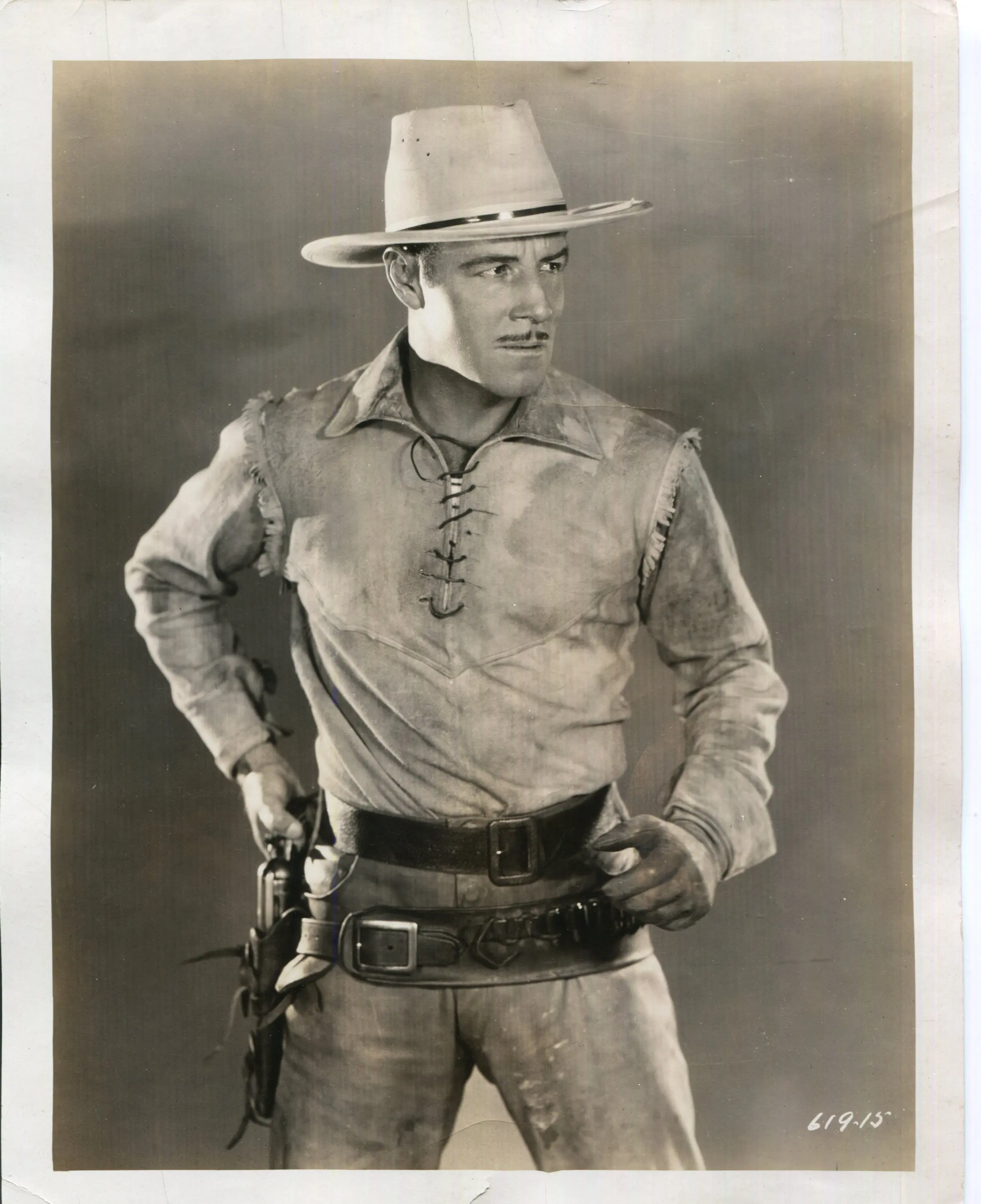
This film works because of its unique premise and Jack Holt’s compelling, albeit stoic, presence as the titular Man. Its raw, untamed depiction of the Western landscape, even in black and white, holds a certain allure. This film fails because its narrative momentum often sputters, bogged down by repetitive sequences and an overreliance on melodrama that even for its era, feels a touch heavy-handed. The emotional depth, particularly with Georgia Hale's character, often feels surface-level, preventing true audience investment. You should watch it if you are prepared for a historical viewing experience, eager to dissect the origins of archetypal characters, and willing to forgive the inherent limitations of silent-era filmmaking for the sake of its historical and genre significance.
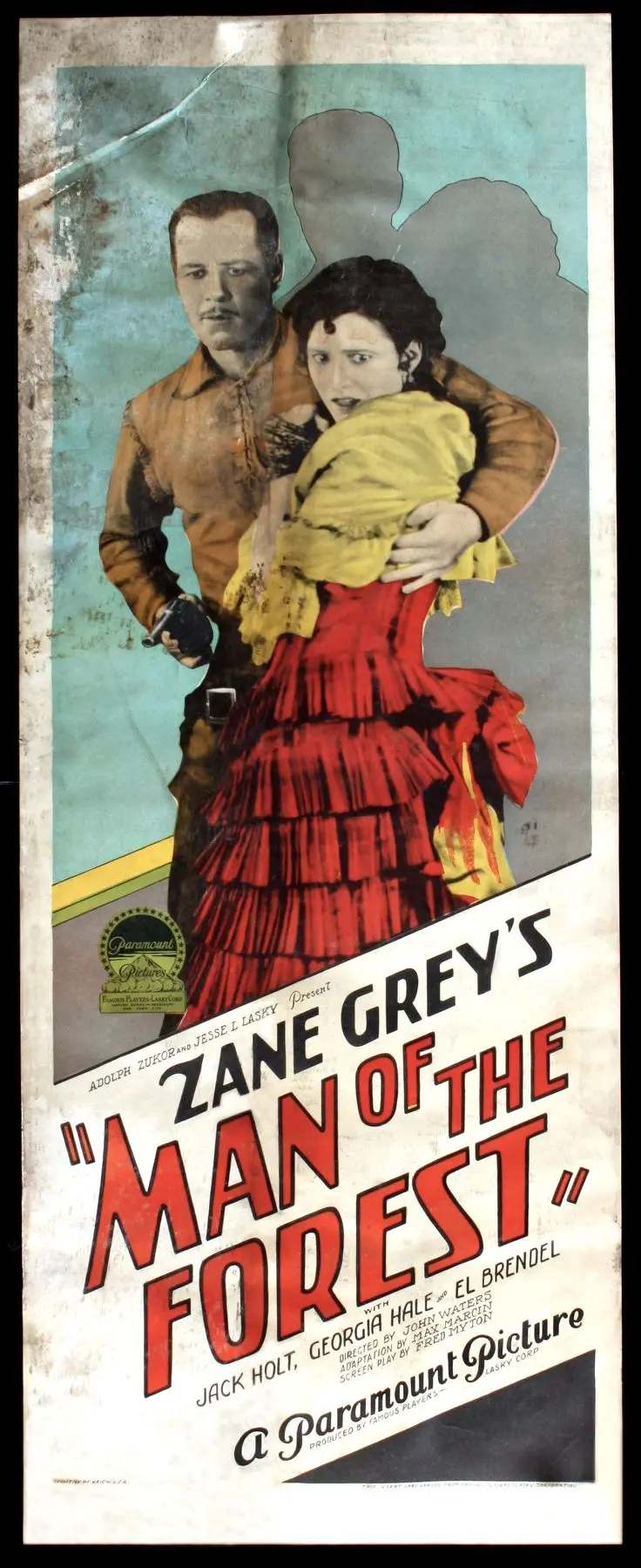
Zane Grey’s romanticized vision of the American frontier frequently featured men of few words and profound connection to the wild. Man of the Forest, directed by Fred Myton, attempts to capture this spirit, albeit through the lens of silent cinema. The narrative centers on a vulnerable ranch heiress, Helen Raynor, portrayed by Georgia Hale, who finds herself in a precarious position. Her inheritance is coveted, and a nefarious plot is set in motion to abduct her, thereby clearing the path for unscrupulous relatives.
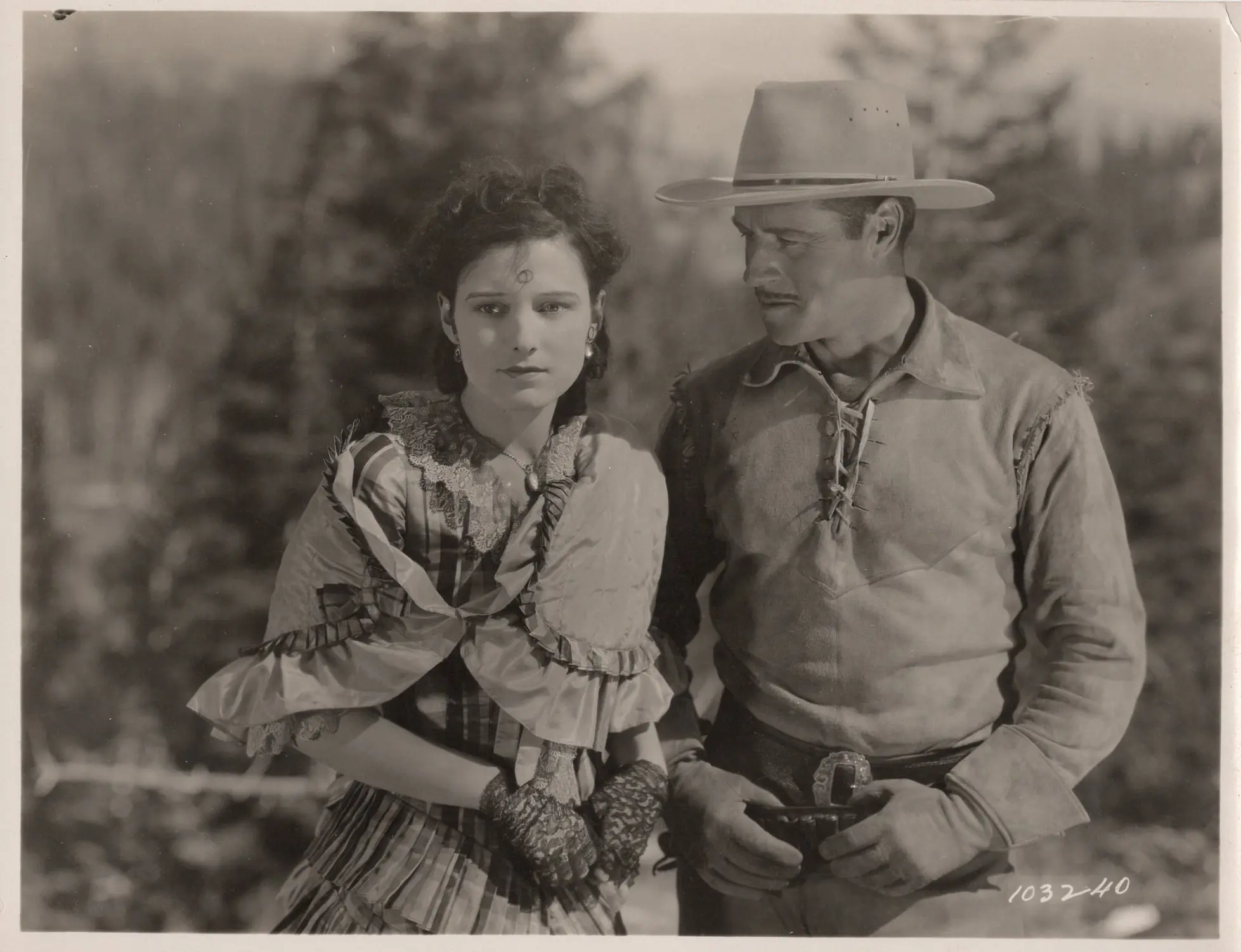
Enter Jack Holt’s Milt Dale, the titular Man of the Forest. He is an enigmatic figure, living in harmony with nature, and famously, with his pet cougar. Initially, Helen views Milt with suspicion, a natural reaction given his solitary existence and the untamed wilderness he calls home. This mistrust, however, becomes a crucial dynamic as the plot unfolds. When the kidnapping attempt goes awry, it is Milt, the very man she doubted, who finds himself compelled to intervene.
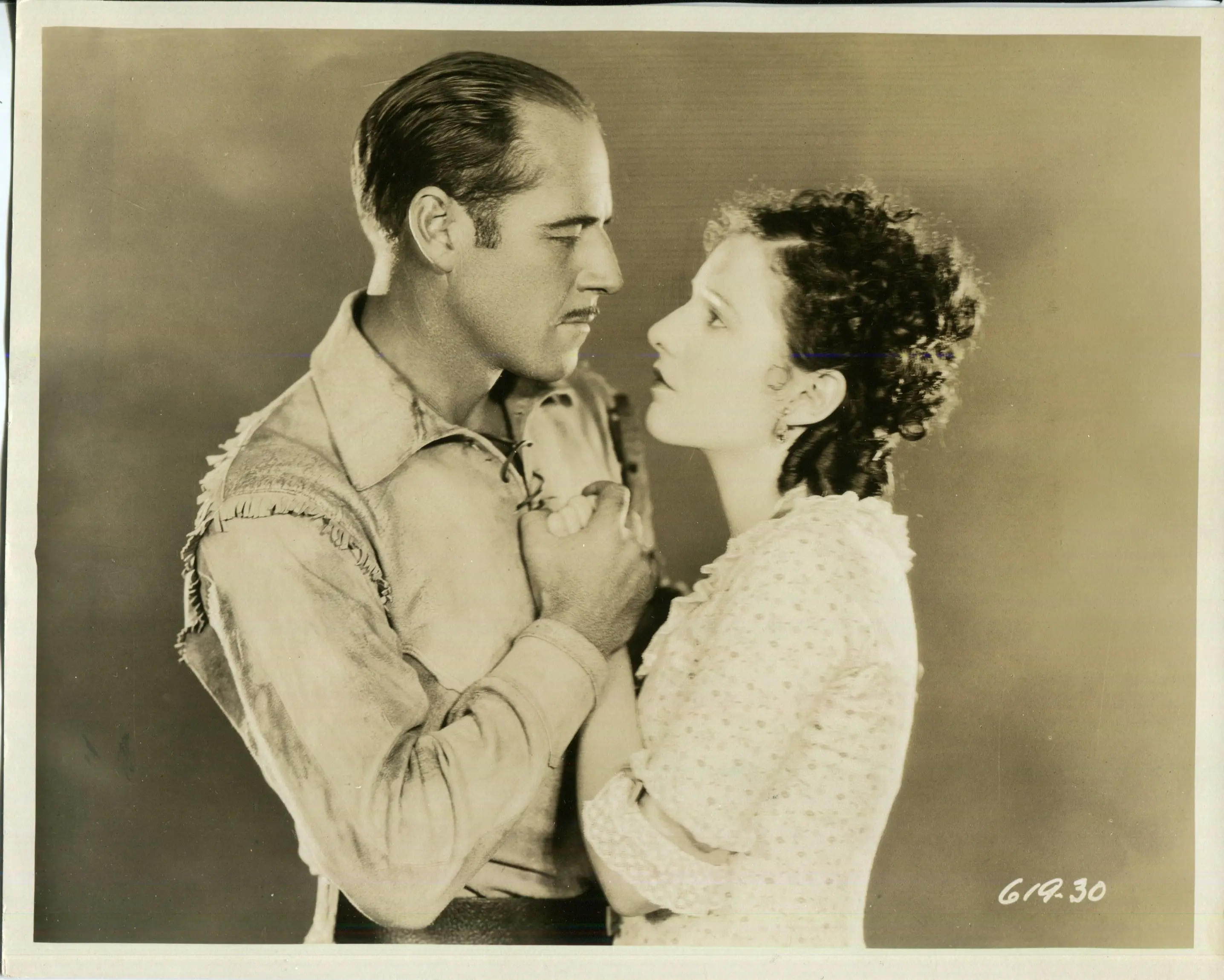
His motivations are not purely romantic or even altruistic in a conventional sense; rather, they stem from a deep-seated code of justice intrinsically linked to his understanding of the wild. Milt’s intimate knowledge of the rugged terrain and the unexpected assistance of his feline companion become the primary forces against the kidnappers. The film thus transforms from a simple abduction story into a tense cat-and-mouse game across the frontier, where the line between civilization and savagery blurs, and an unlikely hero emerges from the shadows of suspicion.
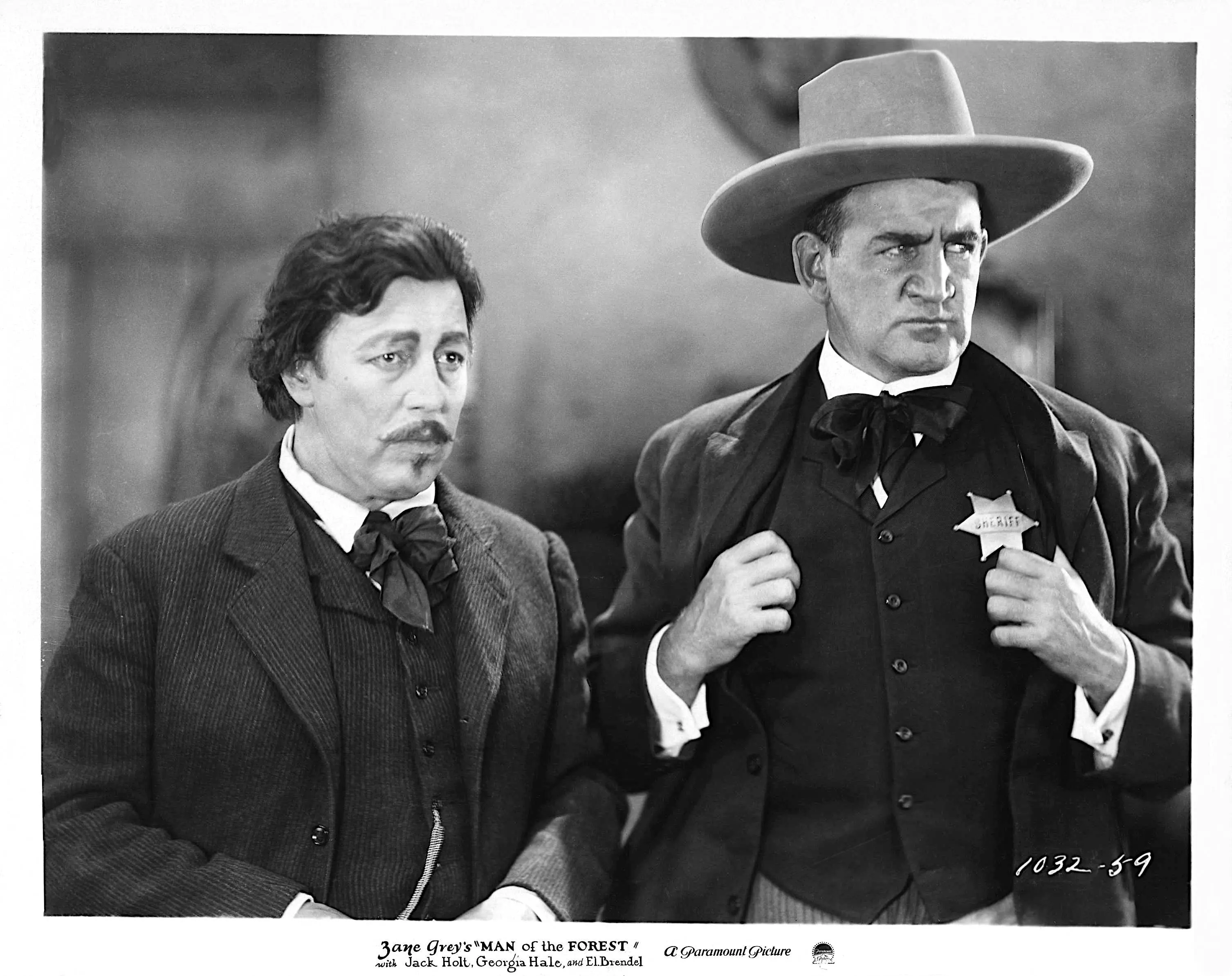
Jack Holt was a prevalent figure in Hollywood’s early decades, known for his rugged masculinity and often stoic portrayals. In Man of the Forest, he embodies the archetypal Western hero with a quiet intensity. Holt’s performance as Milt Dale relies heavily on physicality and expressive glances, a necessity in the silent era. His broad shoulders, firm jawline, and steady gaze project an unwavering resolve that is central to his character’s appeal.
One of the film’s most memorable elements, and a testament to Holt’s screen presence, is his interaction with his pet cougar. These scenes are surprisingly effective, lending Milt an almost mythical quality. Holt manages to convey a genuine bond with the animal, making their partnership believable within the film’s heightened reality. This is not merely a prop; the cougar is an extension of Milt's connection to the untamed world, a silent sentinel that reinforces his unique position in the narrative.
However, Holt’s stoicism, while characteristic of the era, occasionally borders on the inert. There are moments where Milt's emotional responses feel underplayed, even for a character designed to be reserved. While this can be interpreted as a deliberate choice to enhance his mysterious aura, it sometimes leaves the audience yearning for a clearer window into his internal struggles. Compared to the more overtly emotive performances of some of
IMDb 6
1936
Community
Log in to comment.