DbcultAccessing Vault...
6.1/10
Senior Film Conservator
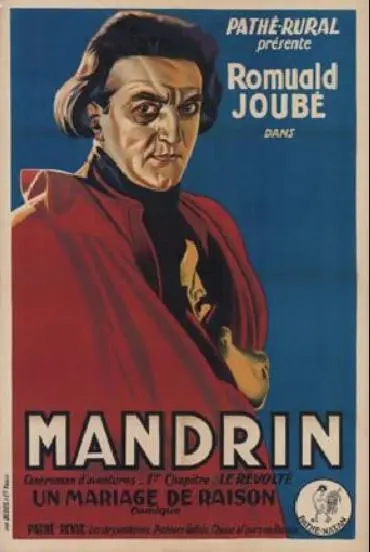
A definitive 6.1/10 rating for a film that redefined the boundaries of cult cinema. Mandrin remains a cornerstone of transgressive art.
In the pantheon of early French cinema, few figures loom as large or as tragically as the eponymous protagonist of Mandrin. This 1924 silent epic, penned by the prolific Arthur Bernède, transcends the rudimentary boundaries of the adventure serial to become a profound meditation on the crushing weight of institutional tyranny. While contemporary audiences might be more familiar with the sanitized heroics of Robin Hood, Mandrin offers a far more textured, grit-laden exploration of the bandit-as-revolutionary. The film captures a moment in history where the transition from feudalism to the modern state was marked by the blood of the peasantry, and in Romuald Joubé’s portrayal, we find a performance of startling physical intensity and psychological depth.
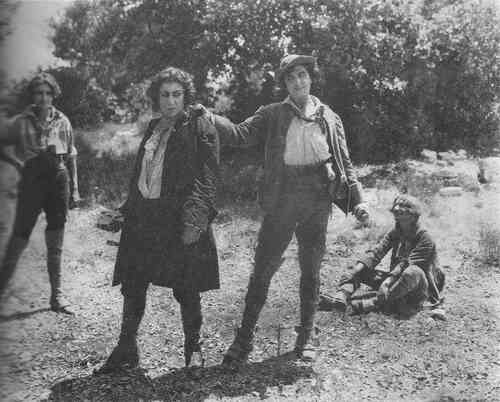
The visual language employed here is one of stark contrasts. The Dauphiné region is not merely a backdrop; it is a character—a rugged, limestone-ribbed witness to the protagonist's struggle. Much like the unforgiving landscapes found in The Alaskan, the terrain in Mandrin dictates the terms of survival. The cinematography maneuvers through these mountain passes with a sense of impending doom, mirroring the tightening noose of the French monarchy’s tax collectors. The textures of the film—the coarse wool of the muleteers, the polished wood of the aristocrats’ parlors—create a tactile reality that grounds the larger-than-life narrative in a recognizable human struggle.
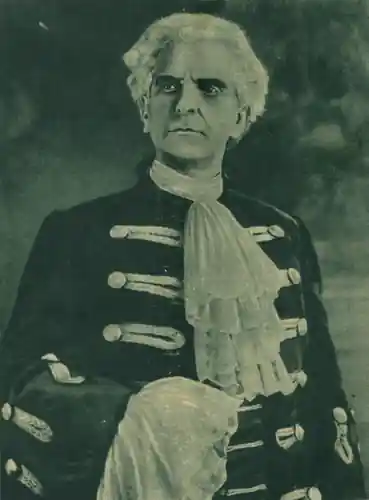
At its core, Mandrin is a film about the mechanics of exploitation. The tax collectors are not portrayed as mere caricatures of villainy but as the functional limbs of a parasitic state. This nuanced approach to systemic corruption echoes the political undercurrents seen in A Gentleman from Mississippi, though Bernède swaps the legislative halls for the dusty roads of rural France. Mandrin’s decision to raise a band of brigands is presented not as a descent into criminality, but as a rational response to an irrational economic system. The film spends considerable time detailing the logistical brilliance of Mandrin’s operations, showing how he weaponizes the very geography of the region to outmaneuver the King’s men.
The presence of the tax collector and the policeman—the twin shadows of Mandrin’s existence—serves to personalize the state’s oppression. Their pursuit of Mandrin is fueled by a toxic cocktail of professional duty and personal humiliation. When the policeman snatches Mandrin’s fiancée, the conflict shifts from the socio-political to the deeply personal. This romantic impetus, while a staple of the era’s storytelling, is handled with a gravity that avoids the saccharine pitfalls found in Her First Kiss. Here, love is not a distraction from the revolution; it is the final catalyst for a man who has already lost his livelihood and his dignity to the state’s avarice.
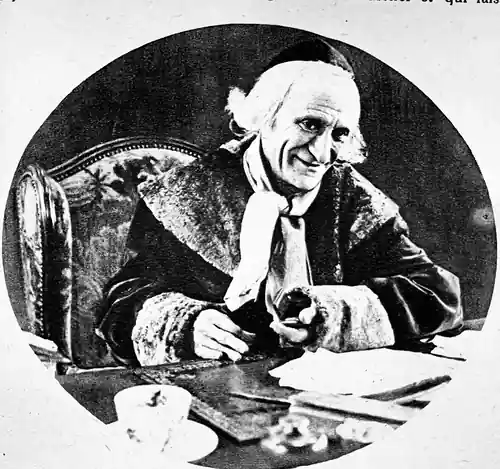
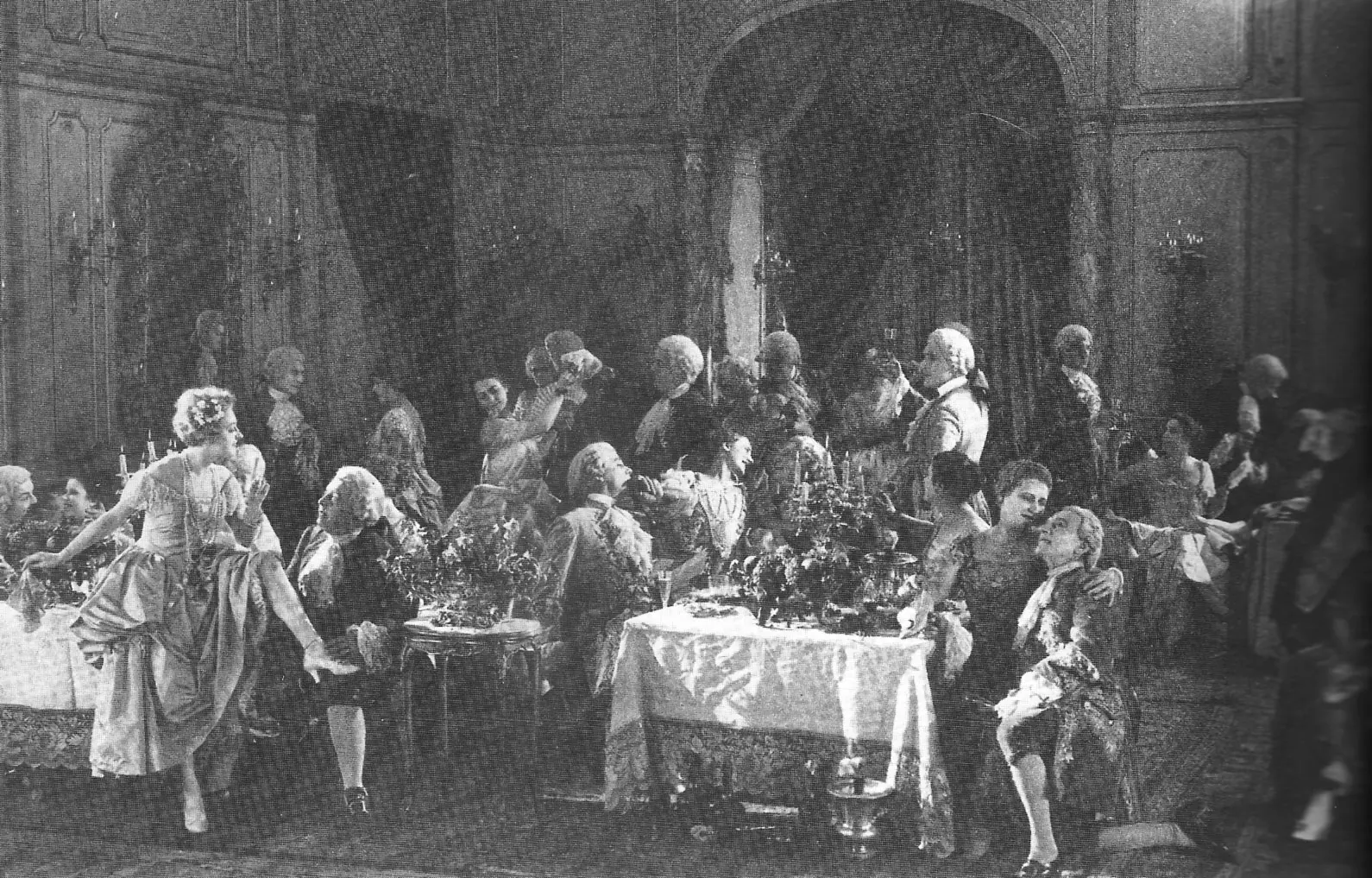
Perhaps the most intellectually provocative segment of the film involves Mandrin’s refuge at the home of Voltaire. This narrative choice elevates the film from a standard chase narrative into a dialogue with the Enlightenment itself. The juxtaposition of the man of action—the brigand who strikes at the heart of the treasury—and the man of letters—the philosopher who strikes at the heart of dogma—is a masterstroke of screenwriting. It suggests that Mandrin’s rebellion is the physical manifestation of the intellectual tremors shaking the foundations of Europe. This thematic complexity is a far cry from the more straightforward moral binaries of The Little Fool.
In the halls of Voltaire’s estate, we see a Mandrin who is momentarily still, a man forced to contemplate the eventual endgame of his violence. It is a sequence of quietude before the final storm, providing a necessary counterpoint to the kinetic energy of the film’s earlier raids. The film suggests that while Voltaire’s ideas might eventually change the world, Mandrin’s body will be the sacrifice required for that change to take root. This sense of doomed nobility is reminiscent of the rugged individualism in The Bargain, yet it carries a specifically Gallic weight of historical inevitability.
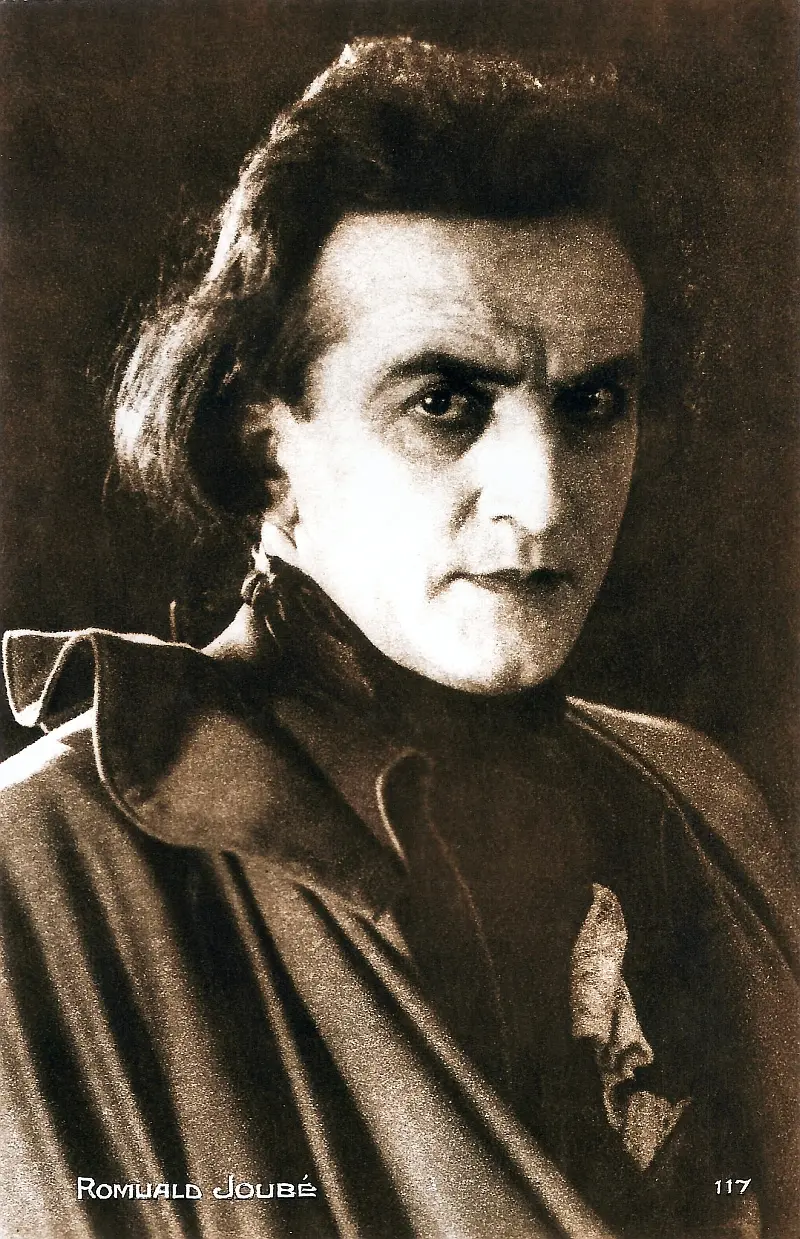
Romuald Joubé’s performance is a masterclass in silent era expressionism. His face becomes a map of the Dauphiné itself—weathered, proud, and ultimately broken. He manages to convey a sense of leadership that feels earned rather than scripted, a stark contrast to the more theatrical portrayals of authority in Her Five-Foot Highness. The supporting cast, including the likes of Jeanne Helbling and Paul Guidé, populate this world with a vividness that prevents the film from becoming a mere star vehicle. Each character feels like a cog in a machine that is slowly grinding toward a tragic resolution.
The pacing of the film, orchestrated by the direction (often attributed to the era's collaborative spirit between writer and director), allows for moments of domestic intimacy that heighten the stakes of the final arrest. We see the toll that a life on the run takes on Mandrin’s psyche. He is a man who seeks the quietude of a simple life—a theme explored in a more pastoral sense in Robinson Crusoe Hours—but who is denied that peace by the exigencies of his time. His arrest is not a moment of triumph for the law, but a somber acknowledgement of the state’s ability to extinguish any spark of genuine autonomy.
The final act of Mandrin is a harrowing descent into the machinery of justice. The sentencing and the subsequent execution are filmed with a cold, almost documentary-like detachment that makes the violence feel all the more personal. There is no last-minute reprieve, no miraculous escape. In this regard, the film rejects the easy escapism of The Whistle or the redemptive arcs of Golden Dreams. Mandrin’s death is the logical conclusion of his defiance, a necessary transfiguration from man to myth.
As we watch the light fade from Mandrin's eyes, the film leaves us with a haunting question about the price of liberty. Was his struggle futile? The narrative suggests otherwise. By challenging the tax collectors, by humiliating the policeman, and by engaging with the greatest mind of his age, Mandrin exposed the fragility of the status quo. His story is a precursor to the revolutionary fires that would eventually consume the very structures that executed him. The film’s legacy lies in its refusal to simplify the moral landscape of rebellion. It acknowledges that while Mandrin was a criminal in the eyes of the law, the law itself was a criminal enterprise in the eyes of justice.
When placed alongside other works of the 1920s, Mandrin stands out for its sociological rigor. While The Career of Katherine Bush explores social mobility through the lens of individual ambition, Mandrin views it through the lens of collective resistance. The film shares a certain kinetic vitality with Devil McCare, but it replaces the latter’s lightheartedness with a somber, revolutionary weight. Even the rugged survivalism of Nan of Music Mountain feels less politically charged than the struggle depicted here.
The film also navigates the complexities of identity and belonging. Mandrin is a man of the people, yet he is forced into a life of isolation. This dual nature is a common trope in silent cinema, seen in the racial and social tensions of The Halfbreed or the physical isolation of Blind Man's Holiday. However, Bernède’s script ensures that Mandrin’s isolation is never a choice; it is a tactical necessity imposed by a world that has no room for his brand of integrity. Even the comedic interludes, reminiscent of the lighter moments in In Bad, are tinged with the knowledge that the laughter is merely a temporary reprieve from the gallows.
Ultimately, Mandrin is a towering achievement of the silent era. It manages to be both a sprawling adventure and a concentrated character study. It captures the essence of a folk hero without falling into the trap of hagiography. Through its use of landscape, its nuanced understanding of political power, and its heartbreaking climax, it remains a vital piece of cinema history. For those willing to look past the absence of sound, there is a thunderous resonance in Mandrin’s silence—a cry for justice that still echoes through the mountain passes of the Dauphiné and the annals of film history alike. This is a work that demands to be seen, not just as a relic of a bygone era, but as a living, breathing testament to the enduring human spirit.

IMDb 5.5
1931
Community
Log in to comment.