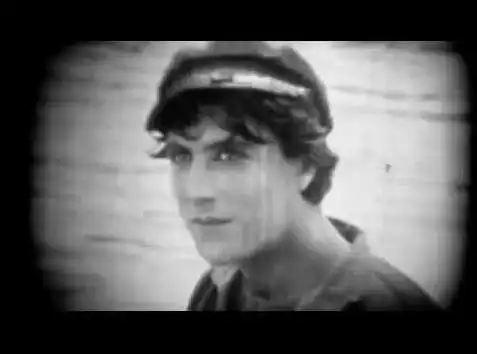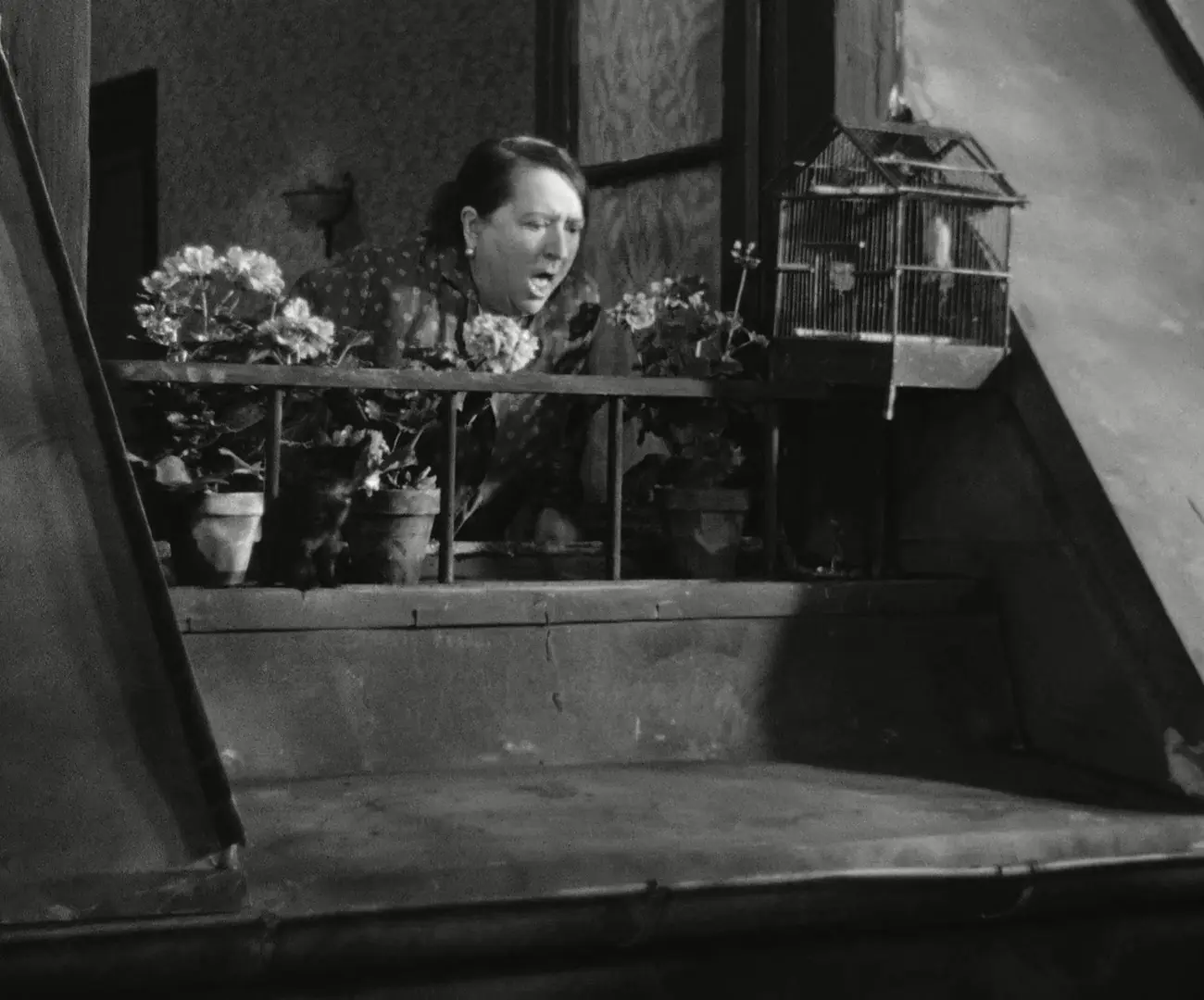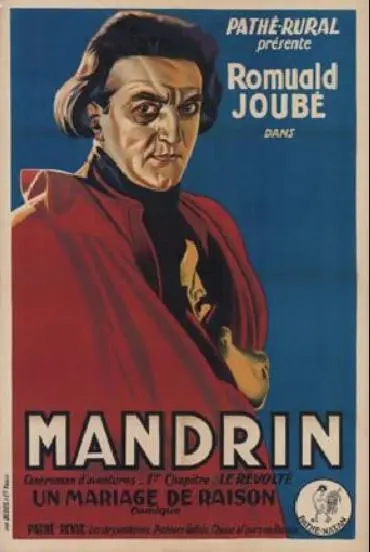
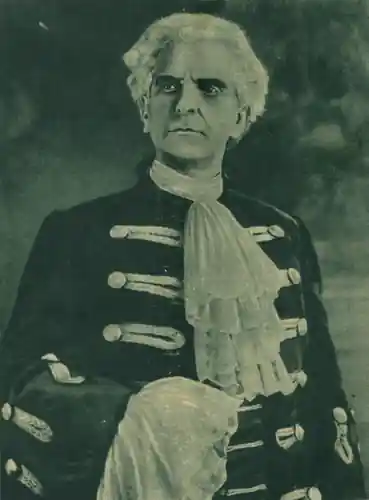
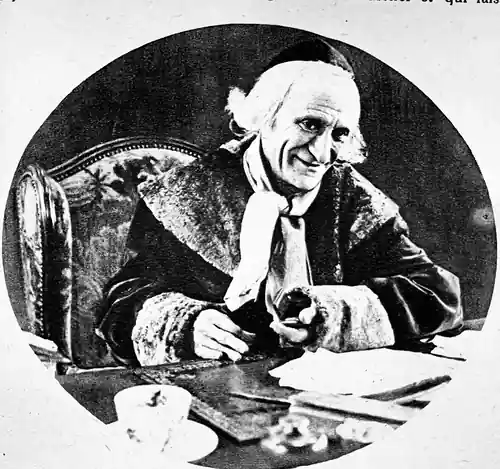
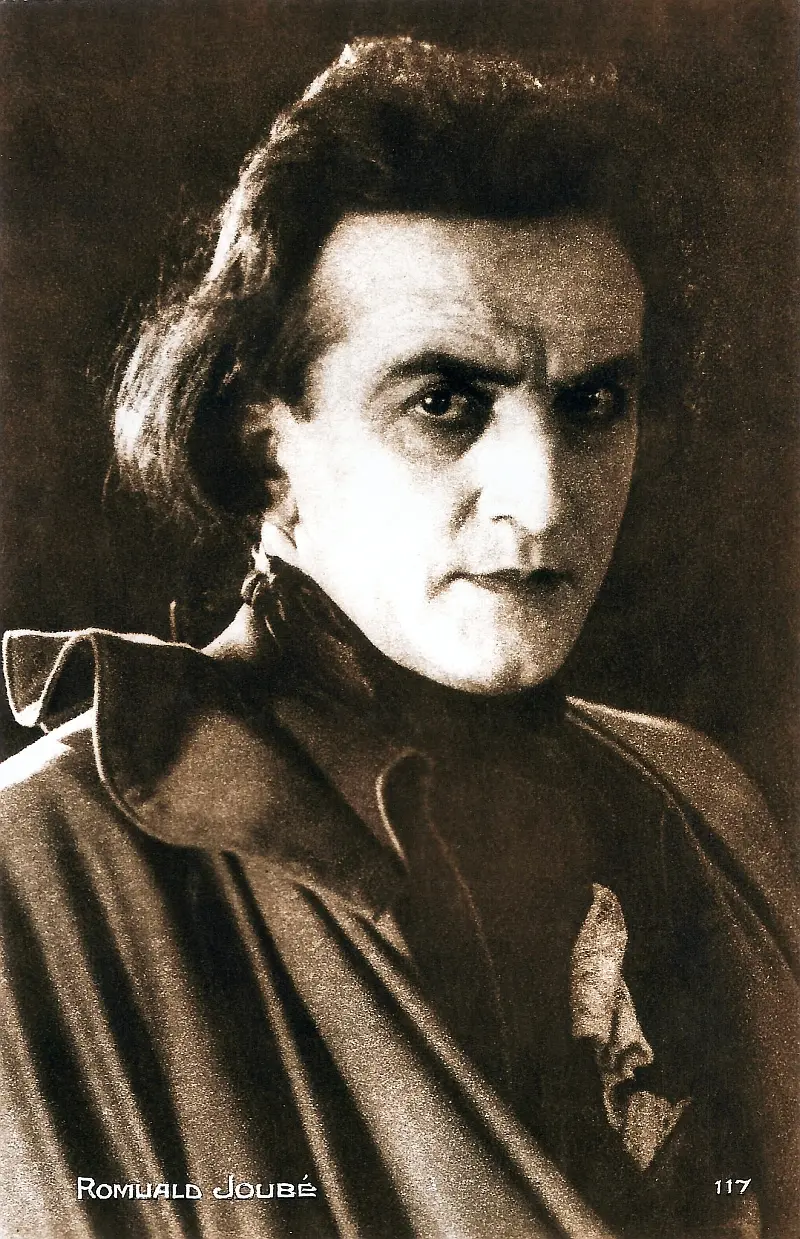
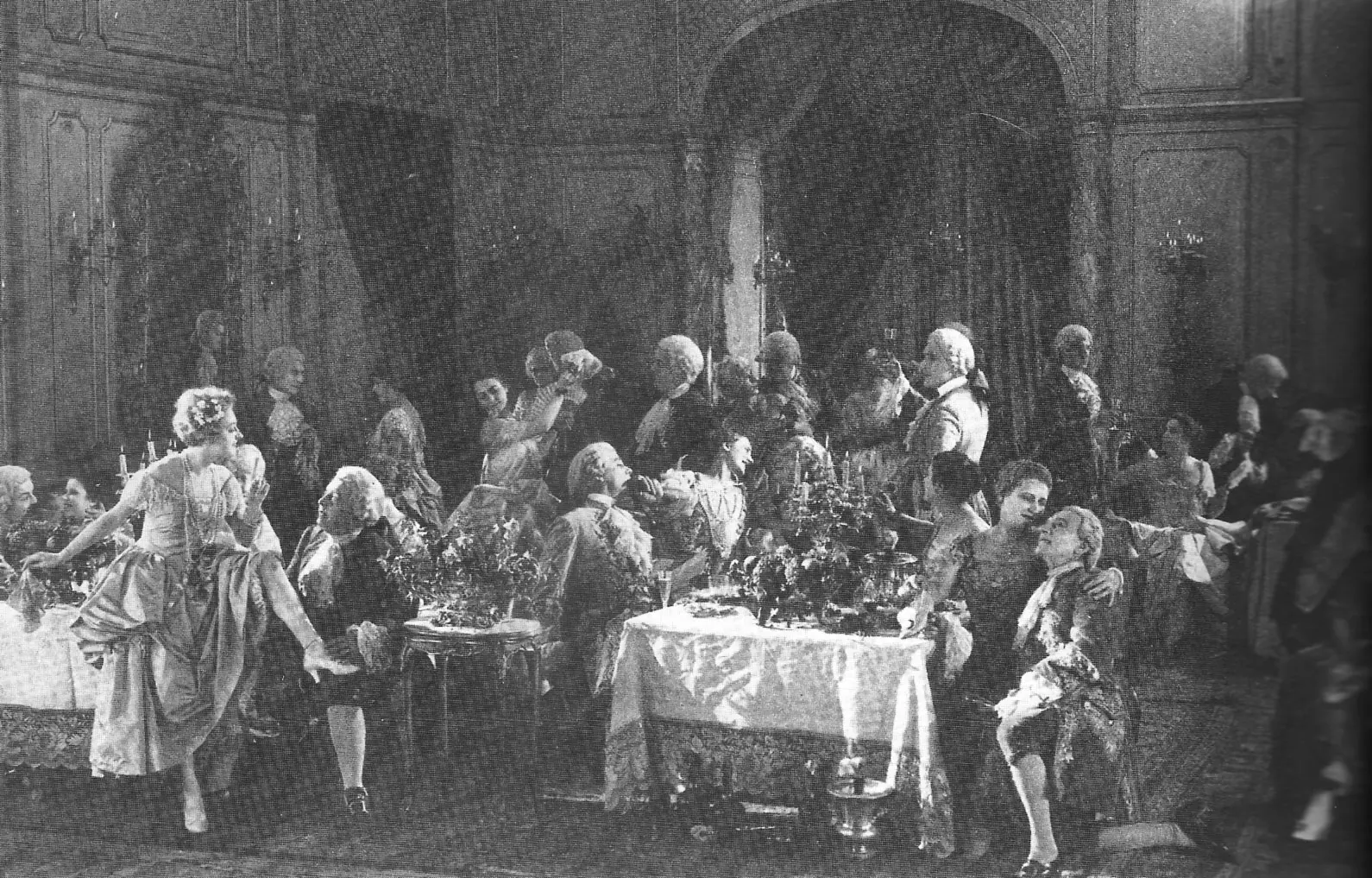
Revolted by the abuses of the tax collectors, Mandrin, a mule driver from the Dauphiné region, raises a band of brigands to make them pay. He then has to fight against a tax collector and a policeman sent after him, and snatches his fiancée from the latter's hands.
The Visceral Aesthetic of the Proletarian Outlaw In the pantheon of early French cinema, few figures loom as large or as tragically as the eponymous protagonist of Mandrin. This 1924 silent epic, penned by the prolific Arthur Bernède, transcends the rudimentary boundaries of the adventure serial to become a profound...
still_frame
publicity
publicity
production_art
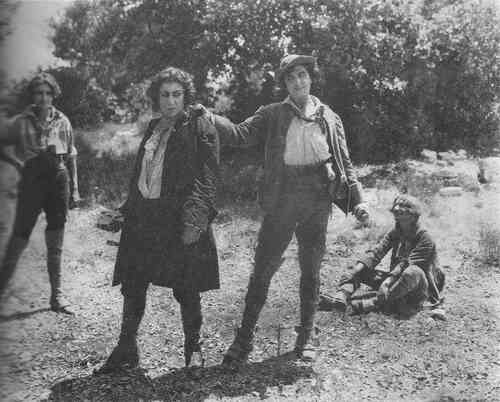
production_art
Comparing the cinematic DNA and archive impact of two defining moments in cult history.
Henri Fescourt
Maurice Elvey
Community
Log in to comment.
" The Visceral Aesthetic of the Proletarian Outlaw In the pantheon of early French cinema, few figures loom as large or as tragically as the eponymous protagonist of Mandrin. This 1924 silent epic, penned by the prolific Arthur Bernède, transcends the rudimentary boundaries of the adventure serial to become a profound meditation on the crushing weight of institutional tyranny. While contemporary audiences might be more familiar with the sanitized heroics of Robin Hood, Mandrin offers a far more..."
Arthur Bernède
France