DbcultAccessing Vault...
Cult Review
Senior Film Conservator
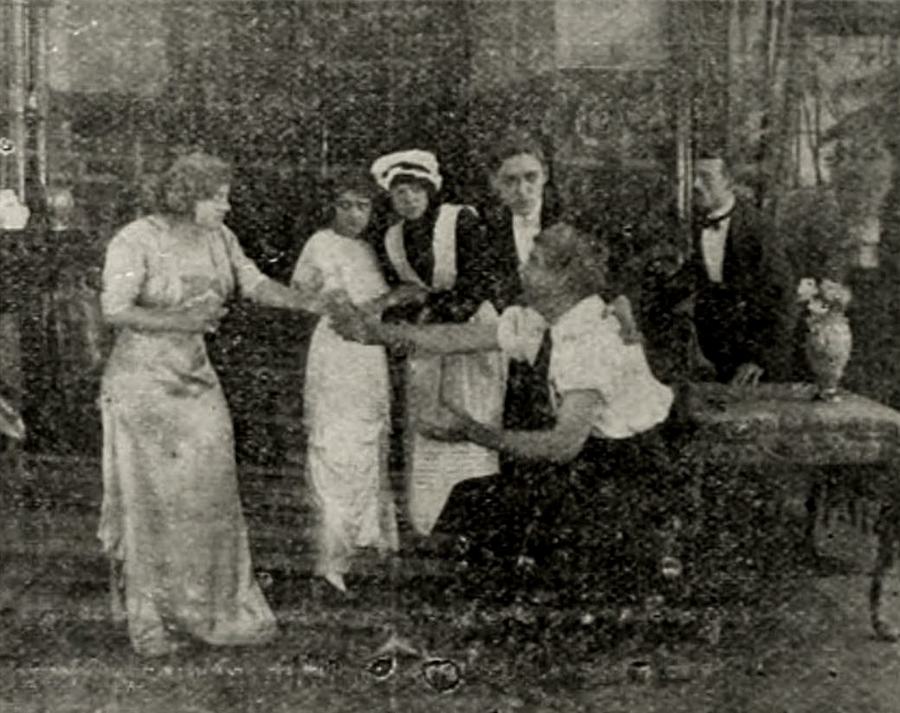
Stepping back into the nascent years of cinematic storytelling, one occasionally unearths a gem that, despite the passage of a century, still resonates with a profound, unsettling power. Such is the case with The Stranglers of Paris, a silent-era melodrama that plunges its audience into the murky depths of human duplicity and the chilling underbelly of a seemingly civilized metropolis. This isn't merely a film; it's a stark, almost visceral examination of how circumstance and a city's insidious influence can corrupt the soul, transforming a man of simple origins into the orchestrator of unspeakable acts. The narrative, adapted from the works of Adolphe Belot and Arthur Shirley, masterfully weaves a tale of a French peasant, whose paternal devotion stands in stark, horrifying contrast to his clandestine life as the ruthless leader of a murderous syndicate. It’s a compelling study in contrasts, a chiaroscuro of innocence and depravity painted on the grand canvas of early Parisian cinema.
Paris, often romanticized as the City of Lights, here becomes a labyrinth of shadows, a crucible where morality is tested and often found wanting. The film deftly portrays the allure and menace of this urban sprawl, a place where a man can disappear into anonymity only to re-emerge as something entirely monstrous. Our protagonist, initially a humble figure, finds himself ensnared in a web of crime, his transformation into the head of the 'Stranglers' a gradual, chilling process that speaks volumes about the corrupting power of his environment. This thematic thread of urban decay and hidden criminal societies echoes other contemporary works like Mysteries of Paris, which similarly exposed the grim realities lurking beneath the city's glamorous facade. However, The Stranglers of Paris elevates this by focusing on the deeply personal, internal conflict of its central character, rather than merely sketching a broad social tableau. It forces us to confront the uncomfortable truth that evil can wear the mask of normalcy, thriving in the very heart of society.
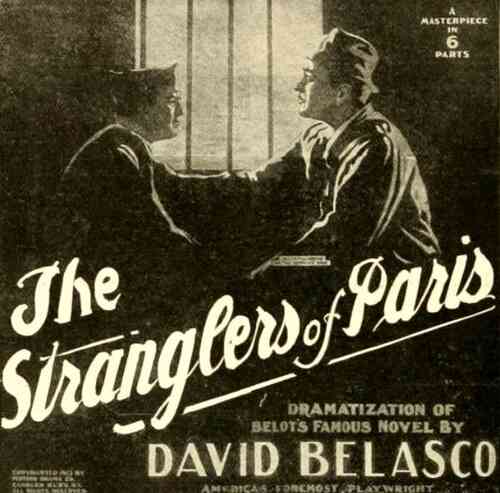
The very premise is a psychological tightrope walk. How does a father, presumably loving and protective, reconcile the tenderness he shows his daughter with the brutality he inflicts as a criminal mastermind? This inherent contradiction is the film's beating heart, giving it a depth that transcends simple genre thrills. The silent film medium, far from being a limitation, amplifies this internal struggle. The exaggerated expressions, the dramatic gestures, the subtle shifts in posture – all become crucial tools for conveying a character's fractured psyche. Without dialogue, the burden of communicating such complex emotional states falls entirely upon the actors’ physicality and the director’s visual storytelling. It demands a heightened sense of theatricality, which, when executed with precision, can be far more impactful than spoken words.
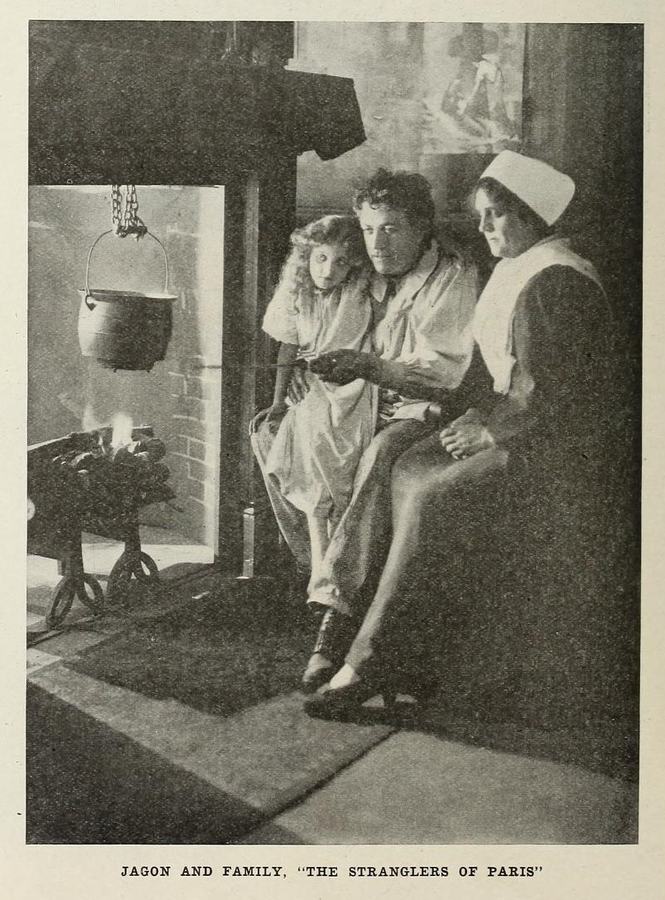
The relationship between the peasant-turned-strangler and his innocent daughter forms the emotional core of the narrative, providing both its dramatic tension and its tragic undertones. The daughter, portrayed with a delicate vulnerability, remains utterly oblivious to her father's horrifying alter ego, a fact that magnifies the audience's dread. Every tender interaction, every paternal gesture, is imbued with a sense of impending doom, as we, the viewers, are privy to the terrible secret she is not. This dramatic irony is a powerful device, drawing us deeper into the story and making us complicit in the father's deception. It's a classic trope, certainly, but one that is handled here with a surprising degree of nuance for its era, especially considering the often broad strokes of early cinematic characterization. The film implicitly asks: at what cost does one maintain a facade, and what unspeakable burdens are carried in the name of a twisted form of protection?
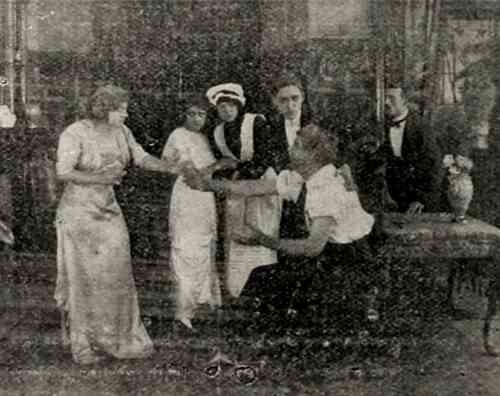
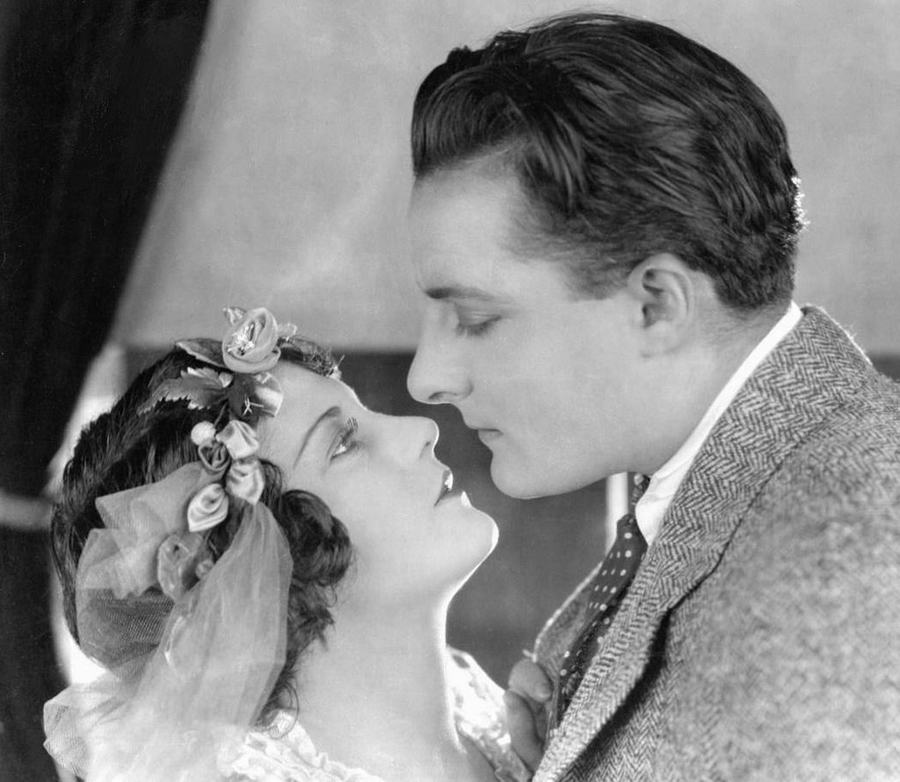
The casting choices for these pivotal roles are crucial. James Gordon, as the conflicted patriarch, undertakes the daunting task of embodying this profound duality. His performance likely relied on subtle shifts in his countenance, the flicker in his eyes, or the stiffness in his posture to convey the internal torment that must accompany such a monstrous secret. His ability to project both tenderness and menace without uttering a single word is the linchpin of the film's emotional impact. Jane Fearnley, as the innocent daughter, provides the necessary counterpoint, her purity serving as a constant, agonizing reminder of what her father has sacrificed and what he desperately tries to shield. Their scenes together are not just plot points; they are poignant studies in the tragic irony of familial love shadowed by unforgivable sin. The supporting cast, including Stella Kibby and Anna Lehr, likely contributed to painting the broader strokes of Parisian society, from its victims to its more morally ambiguous characters, each face adding a layer to the film's grim tapestry.
For a film of its vintage, The Stranglers of Paris likely employed groundbreaking techniques to build suspense and atmosphere. The use of lighting, in particular, would have been paramount. Shadows would not merely be an absence of light but a character in themselves, obscuring faces, creating menacing silhouettes, and hinting at the unseen horrors lurking in the Parisian alleys. The pacing of silent films, often dictated by the intertitles and the rhythm of the projector, could be surprisingly dynamic. Here, one imagines a deliberate, slow build-up of tension punctuated by moments of shocking violence, a technique that would keep audiences on the edge of their seats. The camera work, while perhaps not as fluid as later eras, would have been carefully composed to frame the dramatic confrontations and intimate moments, maximizing their emotional resonance.
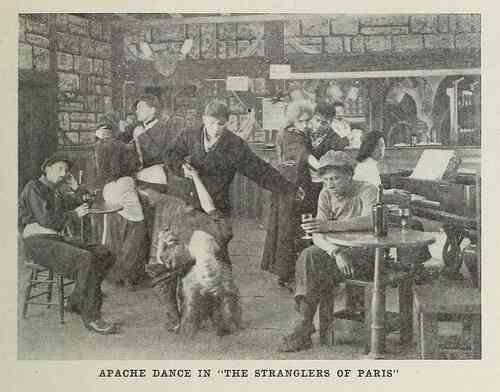
The narrative structure, crafted by writers Adolphe Belot and Arthur Shirley, is undoubtedly designed to exploit the dramatic potential of its premise. It’s probable that the story unfolds with a series of escalating threats and near-discoveries, each pushing the protagonist further into his criminal enterprise while simultaneously tightening the noose of his deception. This kind of cat-and-mouse tension, where the audience is always aware of the danger lurking, is a hallmark of effective thrillers, regardless of the era. One might draw parallels to other early crime narratives, such as The Strangler's Grip, which explored similar themes of secret societies and their nefarious influence. These films collectively highlight a societal fascination with the dark underbelly of progress and urban expansion, reflecting anxieties about social order and the corrupting forces at play.
Beyond the immediate thrills, The Stranglers of Paris delves into profound thematic territory. The most obvious, of course, is the theme of duality – the good man and the monster coexisting within a single individual. This internal conflict is a timeless subject, explored in literature and cinema across centuries. Here, it is given a particularly grim and urban inflection. Furthermore, the film implicitly comments on societal anxieties of the time. The idea of a hidden criminal fraternity operating with impunity in the capital city would have tapped into very real fears about law and order, social decay, and the perceived breakdown of traditional values amidst rapid modernization. The contrast between rural innocence and urban corruption is a recurring motif in many early films, serving as a cautionary tale against the perceived moral hazards of city life.
The concept of justice also looms large. Will the father ultimately be exposed? Will his crimes catch up to him, or will his paternal love shield him from the consequences of his actions? These questions drive the narrative forward, creating a sense of moral urgency. The portrayal of the 'Stranglers' themselves, their methods, and their motives, would have been crafted to evoke a specific kind of terror – perhaps one rooted in the vulnerability of the individual against an organized, ruthless force. This sense of pervasive, unseen menace is a powerful tool, one that early filmmakers were adept at wielding. Films like Fantômas: In the Shadow of the Guillotine, for example, similarly capitalized on the fear of an elusive, almost supernatural criminal mastermind, establishing a genre that would continue to captivate audiences for decades.
When viewed through the lens of cinematic history, The Stranglers of Paris stands as an important precursor to the crime thrillers and psychological dramas that would dominate later eras. It demonstrates an early understanding of how to build suspense, develop complex characters (even without spoken dialogue), and use the visual language of film to evoke deep emotional responses. The contributions of writers Adolphe Belot and Arthur Shirley are particularly noteworthy, as their source material provided the robust framework for such a compelling narrative. Their ability to craft intricate plots with strong character arcs was invaluable in an era where cinematic storytelling was still finding its footing. The film's enduring appeal lies in its timeless themes: the struggle between good and evil, the corrosive power of secrets, and the enduring strength of familial bonds, however tragically strained.
The influence of such early works often goes uncredited, yet they laid the groundwork for the narrative conventions and stylistic techniques we now take for granted. One can see echoes of its psychological depth in later, more celebrated films, illustrating how pioneering works carved out the very grammar of cinematic expression. While perhaps not as overtly grand in scale as epic productions like The Last Days of Pompeii or as sprawling as literary adaptations like Oliver Twist, its focus on intimate terror and moral decay gave it a unique and lasting power. It is a testament to the ingenuity of early filmmakers that they could evoke such visceral reactions and explore such profound themes with the nascent tools at their disposal. The film serves as a potent reminder that even in silence, stories can scream.
Ultimately, The Stranglers of Paris is more than just a historical curiosity; it is a gripping human drama veiled in a shroud of criminal intrigue. It asks us to consider the darkness that can reside within the most unassuming individuals and the devastating impact of leading a double life. Its legacy is etched not just in the annals of French cinema but in the broader evolution of the thriller genre itself. For those willing to delve into the silent era, this film offers a haunting, unforgettable journey into the heart of a father's unspeakable secret and the innocent life it threatens to shatter. It is a cinematic experience that, despite its age, retains its capacity to disturb, to intrigue, and to remind us of the enduring power of a well-told story, even when told without a single spoken word.
IMDb 5.3
1928
Community
Log in to comment.