
DbcultAccessing Vault...
7.5/10
Senior Film Conservator
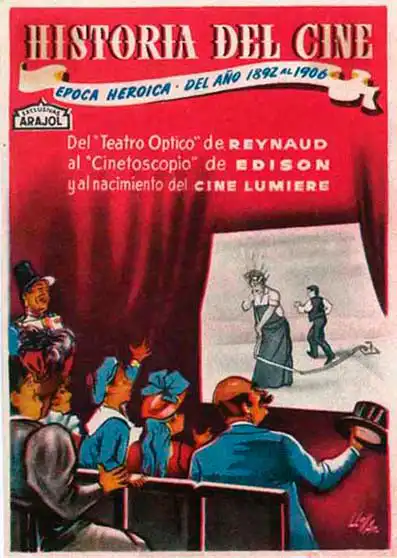
A definitive 7.5/10 rating for a film that redefined the boundaries of cult cinema. March of the Movies remains a cornerstone of transgressive art.
If you're into the nitty-gritty of early film history, sure. It’s a total snooze for anyone else. If you get bored watching paint dry or listening to someone explain 1920s sound technology, you’ll probably hate this. It’s definitely for the archivists and the weirdos who hang out on sites like ours.
The whole thing feels like a dusty textbook that’s come to life. It’s got that specific British educational tone, you know? Very dry. Very informative. Almost like it’s trying to be Hello, Television but for people who prefer celluloid over the airwaves.
There’s this moment where Sarah Bernhardt is playing a death scene, and she’s just… standing there. She’s dying, but she’s standing up. It’s so weird. It feels like she’s trying to hog the camera, and honestly, good for her. It takes her forever to finally collapse. I laughed way harder than I probably should have at how slow it was.

The pacing is all over the place. One minute you’re looking at a stationary frame, the next you’re watching a diva die. It reminded me a bit of the chaotic energy in Bungalow Troubles, just without the slapstick. It doesn't really have a plot, obviously, but it has a weird, stiff rhythm that’s hard to ignore.
I’m not sure why this was produced in England but got a different name for the US release. March of the Movies sounds like a newsreel, but it’s really just a lecture. It’s not as fun as The Prince of Avenue A, but it’s interesting in a "why does this exist?" kind of way.
Ultimately, this is for the people who want to know how the sausage is made—or in this case, how the moving picture is made. Just don’t expect a masterpiece. It’s a relic. A weird, slightly clunky relic. 📽️