DbcultAccessing Vault...
5.1/10
Senior Film Conservator
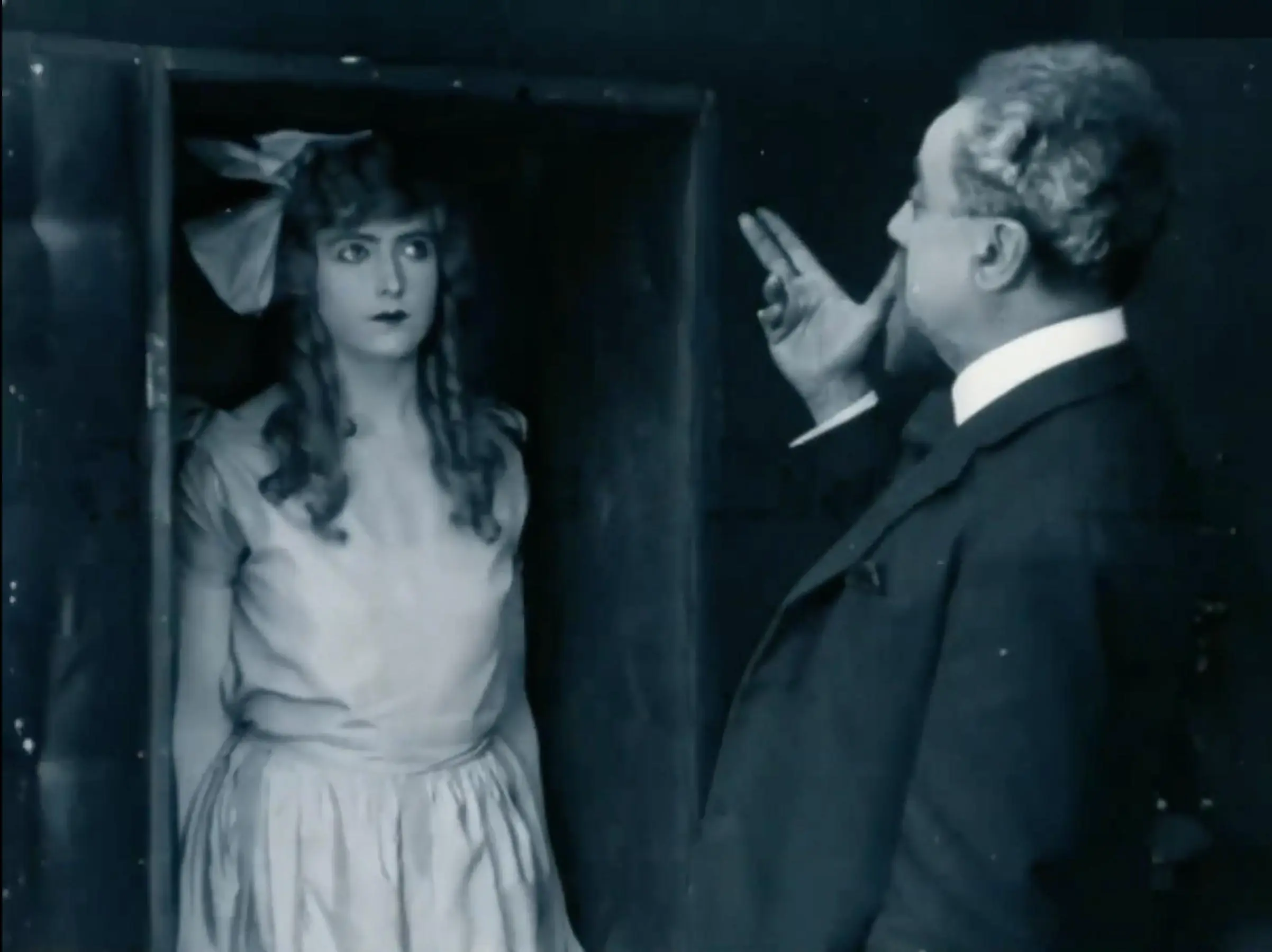
A definitive 5.1/10 rating for a film that redefined the boundaries of cult cinema. La bambola vivente remains a cornerstone of transgressive art.
La bambola vivente, a seminal work in the realm of Italian science fiction, presents a narrative that is as fascinating as it is unsettling. The film's central plot device, a robot crafted in the likeness of the scientist's daughter, serves as a catalyst for an exploration of the human condition, delving into themes of identity, artificiality, and the complexities of the father-daughter relationship. As the story unfolds, the viewer is drawn into a world where the boundaries between reality and artifice are continually blurred, echoing the existential queries posed by films like Algeria and The Common Law.
The character of the daughter, played by Maria Roasio, is a pivotal element in the narrative, as her decision to impersonate the 'living doll' sets in motion a chain of events that challenges the viewer's perceptions of what it means to be human. This performative act of mimicry, akin to the thematic explorations found in The Shrine of Happiness and The Emotional Miss Vaughn, raises profound questions about the nature of identity and how it is constructed and perceived by others.
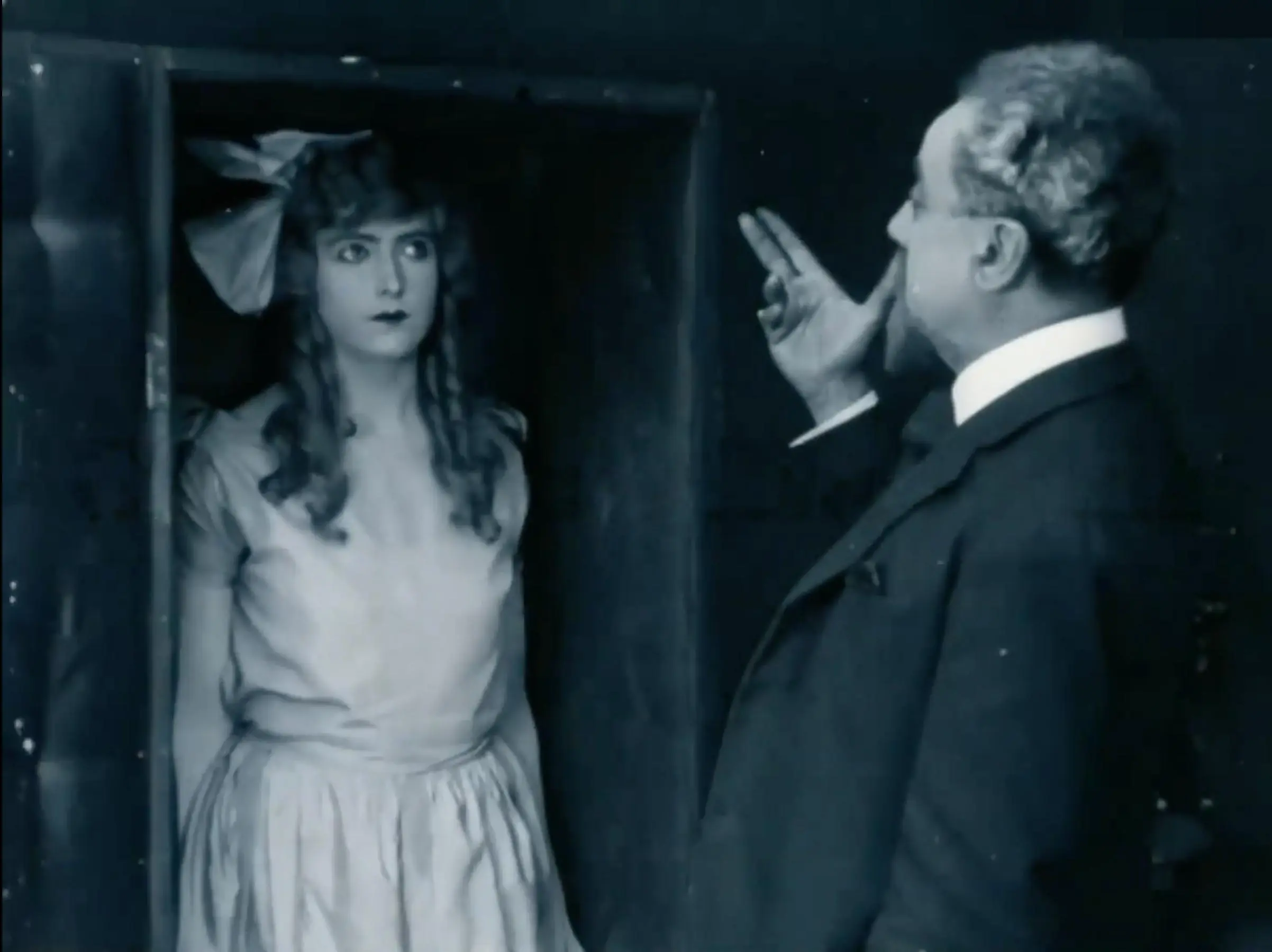
The film's use of a robot as a central character also invites comparisons with other cinematic works that feature automata or artificial beings, such as Engelein and Az egyhuszasos lány. However, La bambola vivente distinguishes itself through its nuanced exploration of the emotional and psychological implications of creating and interacting with such beings, themes that are also present in films like The Gaiety Girl and The Bigamist.
From a cinematographic standpoint, La bambola vivente showcases a blend of innovative camera work and meticulous set design, elements that were likely influenced by the cinematic trends of the time, as seen in films such as The Belgian and The Golf Bug. The film's visual aesthetic, characterized by its use of chiaroscuro and elaborate costumes, adds to the overall sense of wonder and unease that pervades the narrative, drawing the viewer into a world that is both fantastical and eerily familiar.
In conclusion, La bambola vivente stands as a testament to the power of science fiction to explore complex themes and ideas, offering a cinematic experience that is as thought-provoking as it is visually stunning. Through its exploration of the intersections between humanity and artificiality, the film provides a commentary on the human condition that remains relevant today, echoing the philosophical queries posed by works such as Mysteries of Paris, A Woman of No Importance, Voodoo Vengeance, Sweet Kitty Bellairs, and The Crucial Test.

IMDb 5
1917
Community
Log in to comment.