DbcultAccessing Vault...
Cult Review
Senior Film Conservator
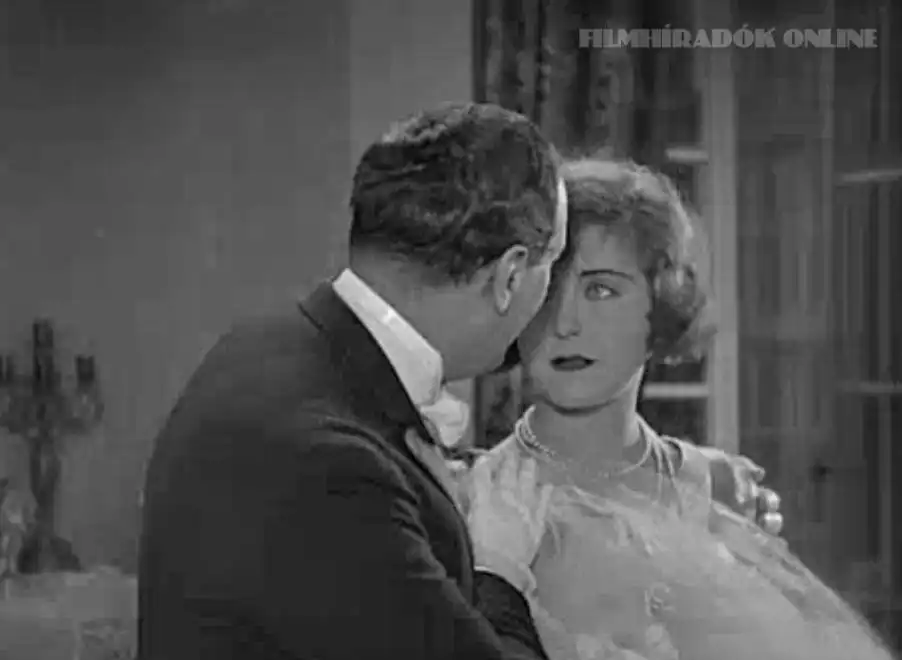
Okay, so Mária növér might not be for everyone. If you’re looking for explosions or anything that moves at a breakneck pace, you’ll probably bounce off this one pretty quick. But for those who appreciate a slow, thoughtful dive into quiet human choices, especially old European cinema, there’s a surprising depth here. It’s definitely worth a watch if you like films that let you just *think* for a bit.
The film centers on Maria, played by Juliska Dinnyési. She’s this young woman in a village, and you can tell right away she’s got a lot on her mind. The opening scenes, especially her glances during church services, tell you more than any dialogue could. You just know something's brewing inside her.
It’s all about this push and pull she feels between a calling to the convent and the simpler, more worldly life right there in front of her. Not a new story, I know, but it's told with such a gentle hand here.
There’s this particular scene where Maria walks past a dress shop window. She pauses, just for a moment, and her eyes linger on a pretty, colorful dress. It’s such a small detail, but it speaks volumes about the choices she’s facing. You can almost feel her imagining another life.
Werner Pittschau plays the suitor, a local man who clearly fancies Maria. He’s got this smile that’s meant to be charming, but it sometimes comes off a little… *too* eager. Like, mate, give her some space. It’s not quite a romantic lead performance, more like a well-meaning obstacle.
The village itself feels so lived-in. Not just a set, but a real place with dusty streets and people just doing their day-to-day things. The camera often just sits there, letting you take it all in. It’s like being a fly on the wall, almost.
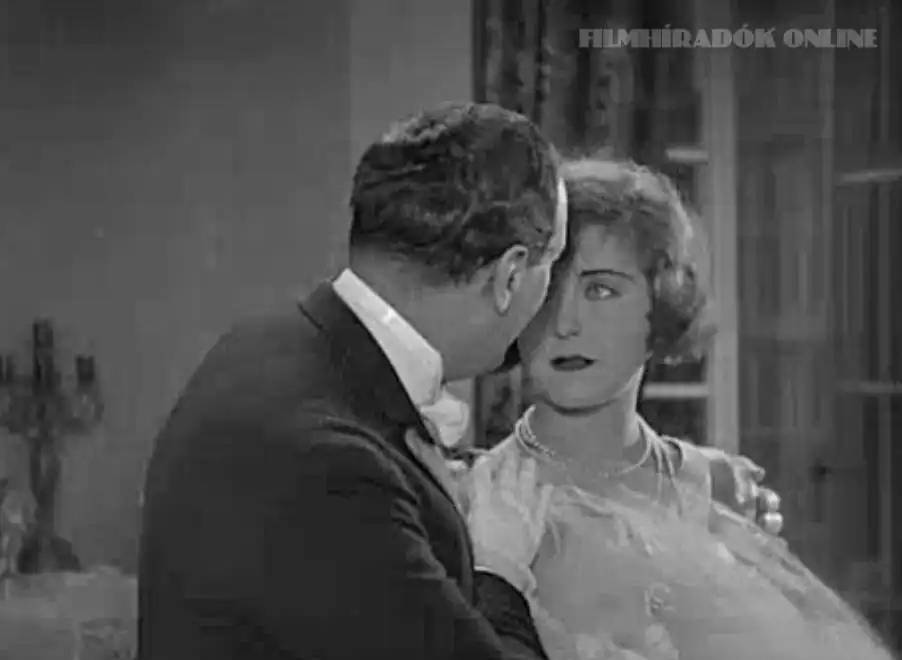
And the silence! Especially in the convent scenes. It's **so quiet**. You can almost hear the dust motes dancing in the sunbeams. It makes you feel a bit… constrained, in a way, like Maria must feel at times.
There's one moment when Maria is talking to an older nun. The camera holds on the older nun’s face, and she just stares *past* Maria for a second too long. Was it a missed cue? Or was it meant to convey this unsettling, distant feeling? It felt a little off, but in a way that actually stuck with me. You don't often see those tiny, awkward pauses in modern films.
The pacing, for sure, isn't for everyone. It’s not slow in a boring way, usually, but slow in a way that asks you to sit with the characters. Sometimes a scene goes on just a few beats longer than you expect. Like when she’s ironing, it just… keeps going. But it kinda makes you *feel* the monotony, you know?
I also liked how the film doesn't really judge Maria's choice. It just presents it, letting you sit with the complexity of it all. There’s no big, dramatic monologue where she explains everything. Instead, it’s all in the little gestures, the hesitations, the looks across a crowded room.
The ending doesn't wrap things up with a neat little bow, which is actually quite *refreshing*. It leaves you wondering, which is good. Or maybe they just ran out of budget for a grand finale, who knows? Either way, it makes you think about Maria's future long after the credits roll. It’s not about the answer, I guess, but the journey.
This film is a bit of a hidden gem, really. It might be old, but its gentle story about a young woman finding her way still feels kinda universal. Not a blockbuster, but a quiet, thoughtful film that leaves an impression. Sometimes those are the best kind. 😌
IMDb —
1918
Community
Log in to comment.