DbcultAccessing Vault...
Cult Review
Senior Film Conservator
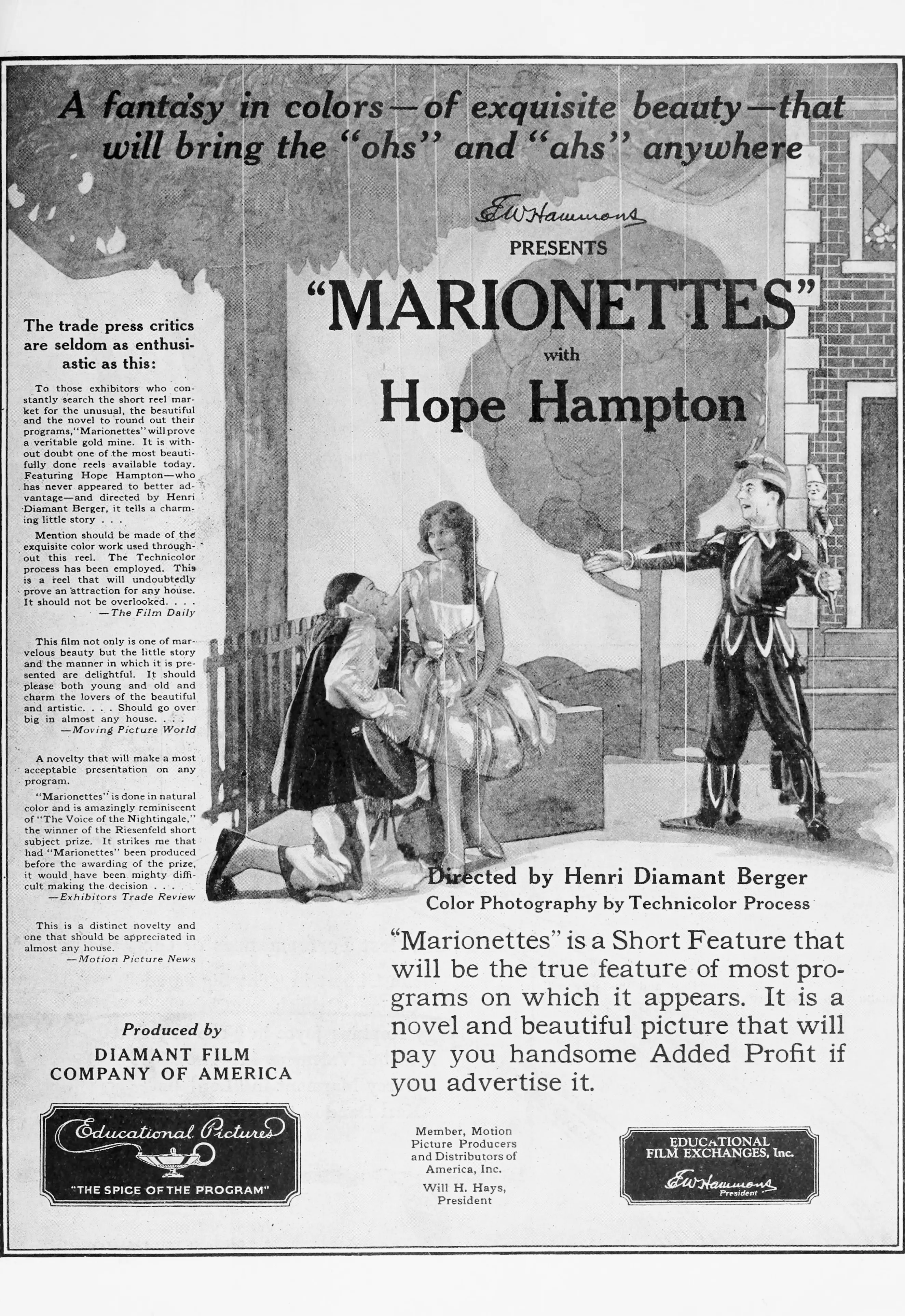
Is Marionettes worth watching today? The short answer is a resounding yes, but with significant caveats that demand a particular kind of viewer engagement.
This film is an essential, albeit challenging, watch for cinephiles interested in early allegorical storytelling and the philosophical underpinnings of silent cinema, yet it will undoubtedly test the patience of those accustomed to modern narrative pacing and production values.
Let’s be clear about what Marionettes achieves and where it falters.
This film works because of its bold, almost audacious, allegorical ambition, presenting a philosophical quandary through a deceptively simple narrative that resonates with timeless questions about existence and suffering. Its central conceit is both its greatest strength and its most intriguing intellectual hook.
This film fails because its execution, while admirable for its era, often struggles to fully translate its profound themes into consistently compelling visual storytelling, relying heavily on intertitles and the audience's willingness to engage with its deliberate, often slow, rhythm.
You should watch it if you appreciate cinema as a historical artifact, a philosophical text, and an early experiment in conveying complex ideas without the crutch of spoken dialogue, particularly if you are drawn to fables that explore the bittersweet nature of life itself.
Stepping into the world of Marionettes is akin to opening a forgotten storybook, one bound not by conventional plot beats but by a profound, almost existential, query. This silent film, featuring the likes of Otto Kruger and Hope Hampton, isn't just a relic; it's a philosophical experiment draped in the guise of a fairy tale. Its premise, deceptively simple, asks us to ponder the very nature of consciousness and the often-unwanted burdens that accompany the gift of life.
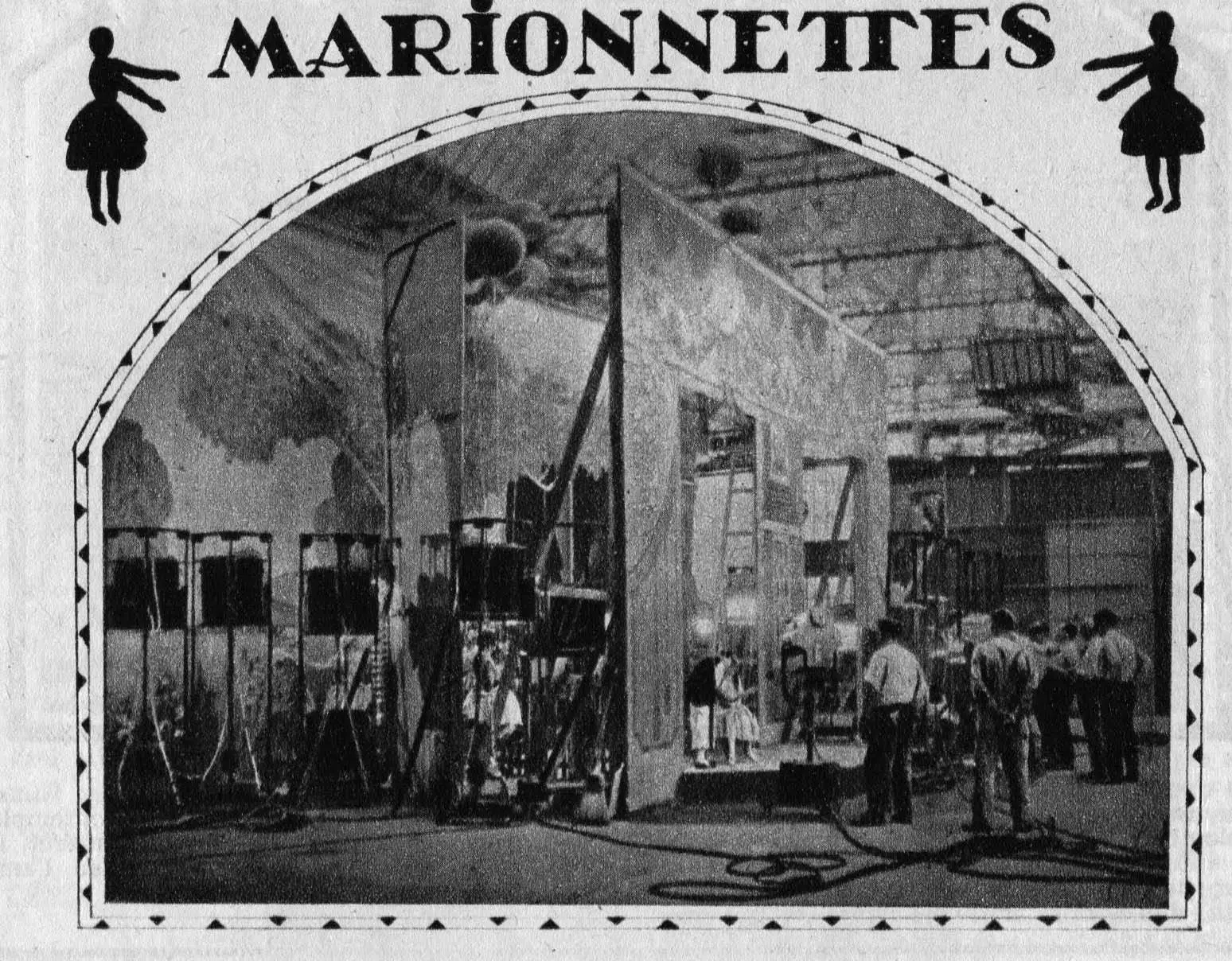
The film’s central conceit – puppets animated into human form, only to regret their transformation – is a powerful metaphor for the human condition itself. It’s a bold statement for any era, but particularly striking in early cinema, where narrative complexity often took a backseat to spectacle. Marionettes dares to be more than just a moving picture; it aims to be a moving thought.
At its core, Marionettes is a profound allegorical exploration of desire, disillusionment, and the inherent suffering woven into the fabric of human existence. The fairy, often perceived as a benevolent figure in folklore, here acts more like a detached, almost scientific, observer, granting a wish that swiftly becomes a curse. This isn't a story about magic making everything better; it's about magic revealing the harsh truths of reality.
The journey of these wooden figures, from inanimate objects to sentient beings grappling with complex emotions like sorrow, yearning, and regret, serves as a universal mirror. Their initial wonder, likely depicted through wide-eyed curiosity and tentative movements, quickly gives way to the crushing weight of human problems – perhaps poverty, unrequited love, or societal cruelty. The film, even without explicit dialogue, forces us to consider if ignorance truly is bliss when faced with such profound hardships.
What makes this allegory so potent is its simplicity. Unlike many modern films that attempt to intellectualize suffering with convoluted plots, Marionettes strips it down to its rawest form. The transformation isn't just physical; it's a spiritual awakening to pain. This straightforwardness is, in my opinion, its most potent weapon, allowing the audience to project their own experiences of life's bitterness onto the marionettes' plight. It echoes the stark, moral fables found in works like Le destin est maître, where fate often delivers cruel lessons.
The film’s genius lies in its ability to evoke empathy for characters who begin as mere objects. Their regression back to marionettes is not a defeat but a liberation, a return to a state where suffering is impossible. This cyclical narrative arc – from innocence to experience and back to a different kind of innocence – is a testament to the film's enduring philosophical resonance. It asks us to question whether the 'gift' of consciousness is always worth the price.
In silent cinema, the burden of storytelling falls squarely on the actors' physical expressiveness and facial nuance. Otto Kruger, Hope Hampton, and Louise Lagrange, though operating within the melodramatic conventions of their era, faced a unique challenge in Marionettes: portraying the transition from inert wood to vibrant, suffering flesh.
Kruger, known for his later versatility in sound films, likely brought a certain gravitas to his role, perhaps as the lead marionette whose disillusionment becomes particularly acute. One can imagine his initial wooden stiffness slowly giving way to fluid, yet burdened, human movements, culminating in a scene where his shoulders slump, his gaze fixed downwards, conveying a profound, wordless regret that speaks volumes. This physical transformation, more than any intertitle, would have been crucial.
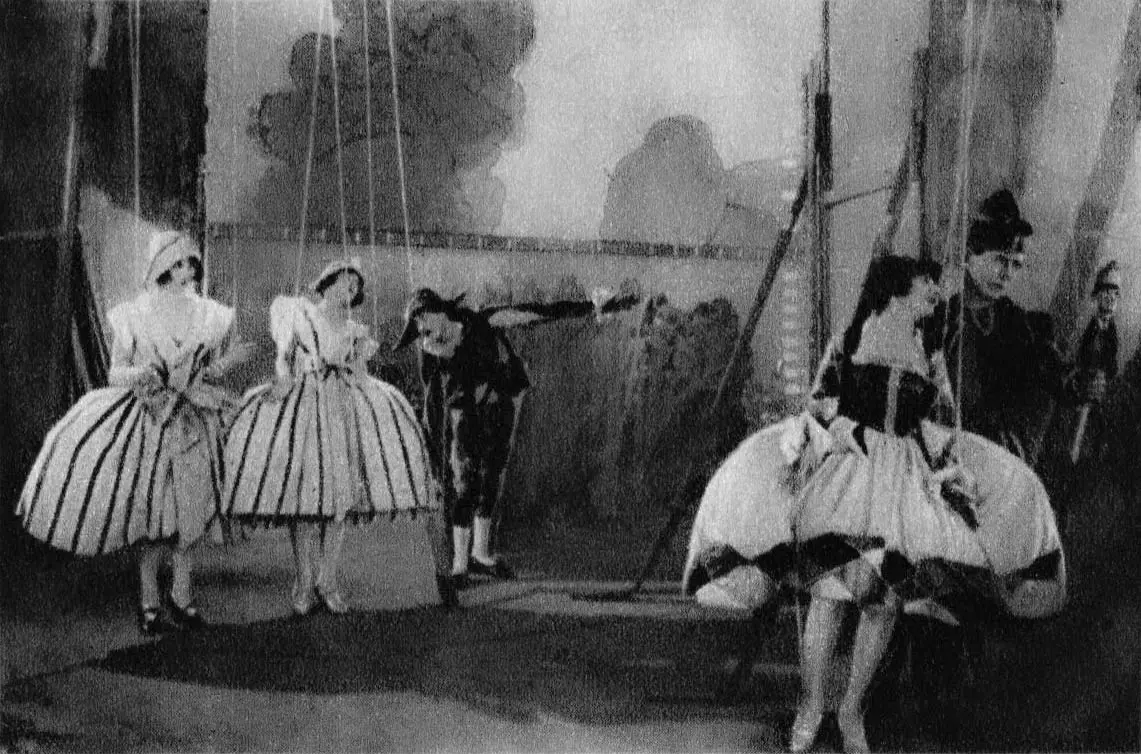
Hampton and Lagrange, too, would have relied on exaggerated gestures and emotive expressions to convey the joys and subsequent heartbreaks of their newfound humanity. The wide-eyed wonder of a marionette experiencing a sunset for the first time, contrasted with the tightly drawn lips and tear-filled eyes of a woman facing betrayal, would have been powerful. The seemingly over-the-top acting style, often critiqued by modern viewers, is not merely a product of its time here; it's an essential interpretative tool. How else could one convey a puppet's sudden sentience and subsequent emotional turmoil without such broad strokes?
Their performances are not just acting; they are a physical embodiment of the film's central metaphor. They are, in essence, puppeteers of their own bodies, initially mimicking the rigid movements of their former selves, then gradually shedding those constraints as they embrace, and ultimately recoil from, the full spectrum of human feeling. This unique demand on the actors elevates their work beyond mere character portrayal into a symbolic representation of the human journey itself.
The visual language of Marionettes, even in its early cinematic form, must have been key to conveying its abstract themes. Without dialogue, the director (whose name is uncredited, a common occurrence for films of this period) had to rely heavily on composition, lighting, and visual metaphor to tell the story of transformation and despair. I would posit that the film’s visual austerity, rather than being a limitation, actually enhances its allegorical impact, forcing the viewer to project meaning rather than being spoon-fed every emotional beat.
Consider the probable staging of the transformation itself. It wouldn't be a CGI spectacle, but rather a clever use of dissolves, perhaps even stop-motion, to show the wooden joints softening, the painted faces gaining natural contours, and the stiff postures loosening. This would have required a keen eye for visual continuity and a subtle understanding of the uncanny valley, making the shift from puppet to human both magical and slightly unsettling.
The cinematography likely played with stark contrasts: the bright, perhaps theatrical, lighting of the puppet stage giving way to the grittier, more shadowed realism of human environments. A specific shot might juxtapose a discarded wooden arm or a length of string against the backdrop of a bustling, indifferent city street, powerfully symbolizing the lost innocence and the harsh reality of their new lives. This kind of visual storytelling, reminiscent of the evocative imagery found in films like The Hidden Truth, is what elevates silent cinema beyond simple moving pictures.
The use of symbolism extends to the very texture of the film. The smoothness of polished wood versus the rough fabric of human clothing, the controlled environment of the puppet master's stage versus the chaotic freedom of the outside world – these visual cues would have been paramount in conveying the narrative's emotional and philosophical weight. The director’s uncredited work here is a testament to the power of pure visual narrative, a skill that often feels diluted in today's dialogue-heavy cinema.
The pacing of Marionettes is, without a doubt, a significant factor in its reception, both then and now. Silent films often embraced a more deliberate, almost meditative rhythm, a necessity born from the limitations of the medium and the need for audiences to absorb visual information and intertitles. In this film, this measured pace serves a dual purpose: it allows the audience to fully grasp the profound changes the marionettes undergo and to reflect on the philosophical implications of their suffering.
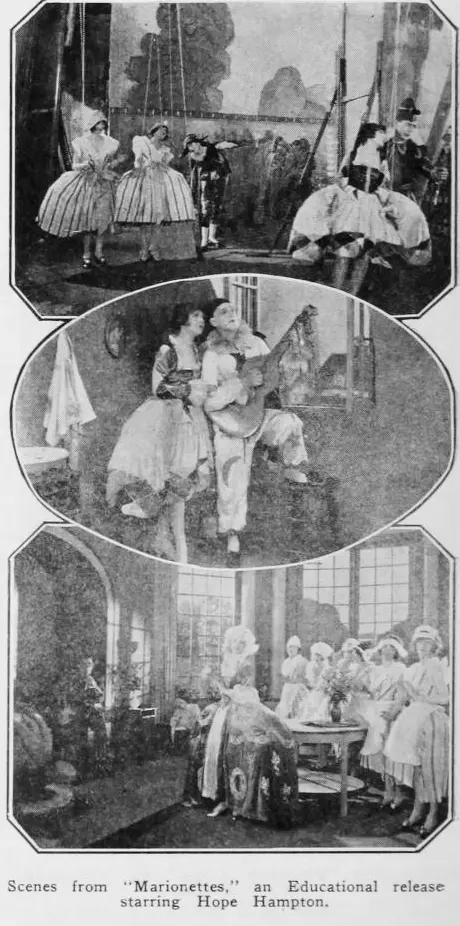
However, this deliberate pace can also be its Achilles' heel for modern viewers. There are likely prolonged sequences dedicated to the marionettes' struggles – perhaps a drawn-out scene depicting hunger, or a extended moment of a character staring blankly into the distance, overwhelmed by their new emotions. These aren't action-packed montages; they are slow, unfolding tableaux of human experience. It works. But it’s flawed.
The tone is undeniably melancholic, tinged with a philosophical resignation. It’s not a film that offers easy answers or a triumphant resolution. Instead, it leans into the bittersweet truth that life, for all its wonders, is often fraught with pain, and that the desire for something more can lead to unexpected, unwelcome consequences. This somber tone aligns it with other introspective films of the era, such as Bits of Life, which also explored the varied, often challenging, facets of human existence.
The decision to return the marionettes to their former state, rather than finding a way for them to 'overcome' their human hardships, is a bold tonal choice. It emphasizes the film's core message: sometimes, the greatest wisdom lies in recognizing what we truly desire, and that can often be a return to simplicity. This deliberate rhythm, while demanding, ultimately reinforces the film's profound, cautionary fable.
Yes, Marionettes is absolutely worth watching today, but with a clear understanding of what you're getting into. It's not a casual viewing experience.
This film is for dedicated cinephiles, students of early cinema, and those who appreciate allegorical storytelling that grapples with existential questions. It offers a unique window into the thematic ambitions of silent film.
It is NOT for viewers seeking fast-paced plots, modern special effects, or lighthearted entertainment. Its slow rhythm and philosophical depth require patience and a willingness to engage with its historical context.
Ultimately, it provides a fascinating, thought-provoking experience that transcends its technical limitations, proving that profound ideas can be conveyed with minimal resources.
Marionettes is more than just an early cinematic curiosity; it’s a compelling, if challenging, philosophical fable. Its power lies not in grand spectacle or intricate plot twists, but in its stark, almost brutal, simplicity. It dares to ask fundamental questions about what it means to be alive, and whether that gift is truly a blessing when weighed against the inevitable suffering it entails. While its silent film conventions and deliberate pacing will undoubtedly test the patience of many, those willing to engage with its unique rhythm will find a surprisingly profound and enduring meditation on the human condition. It’s a film that lingers, prompting reflection long after the final frame, proving that sometimes, the most resonant stories are those told with the fewest words. It's not a universally enjoyable film, but it is an undeniably important and thought-provoking one.

IMDb 5.5
1922
Community
Log in to comment.