DbcultAccessing Vault...
6/10
Senior Film Conservator
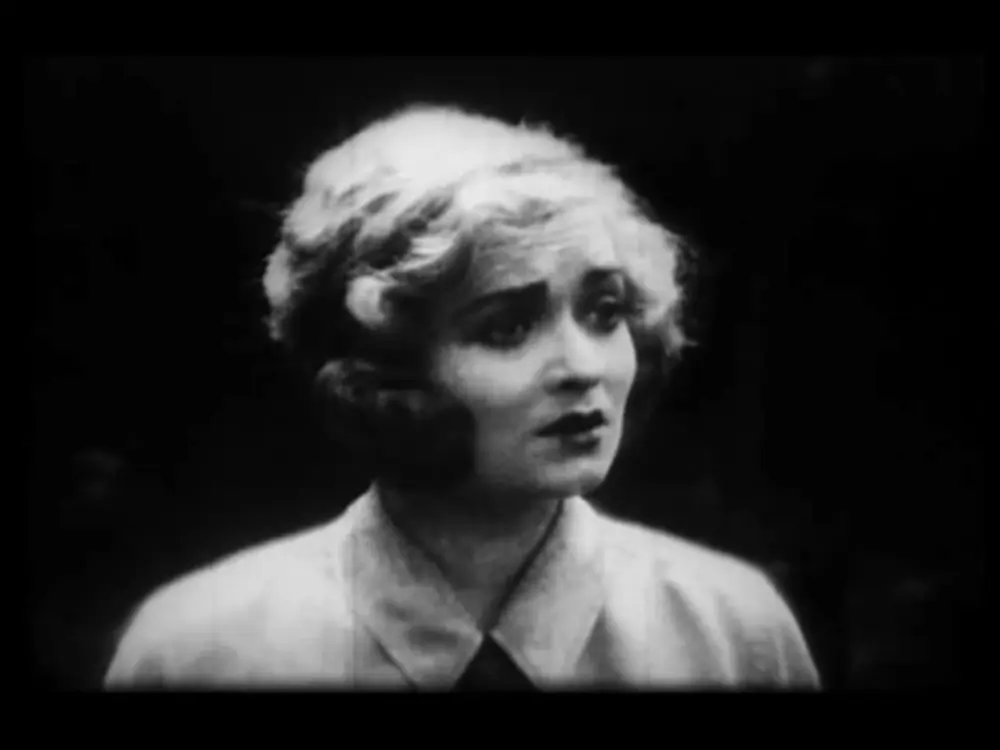
A definitive 6/10 rating for a film that redefined the boundaries of cult cinema. Married? remains a cornerstone of transgressive art.
Is this 1926 silent comedy still worth watching in the modern era? Short answer: only if you are a dedicated historian of the silent screen or a fan of cynical social satire.
This film is specifically for viewers who enjoy the 'marriage of convenience' trope and want to see its early cinematic roots. It is definitely NOT for those seeking a heartwarming romance or a fast-paced narrative; the pacing here is as deliberate as a legal deposition.
1) This film works because it captures the raw, mercenary energy of the 1920s, where money often trumped morality in the public imagination.
2) This film fails because the central couple lacks the magnetic friction necessary to make their 'forced' proximity feel dangerous or exciting.
3) You should watch it if you want to see a pre-Code era exploration of how financial desperation can warp personal identity.
Does the 1926 film 'Married?' hold up as a romantic comedy? No, it functions better as a historical curiosity than a romance. The plot focuses on financial gain over emotional connection, making the 'happy ending' feel unearned by modern standards. It is a slow burn that relies more on social context than character development.
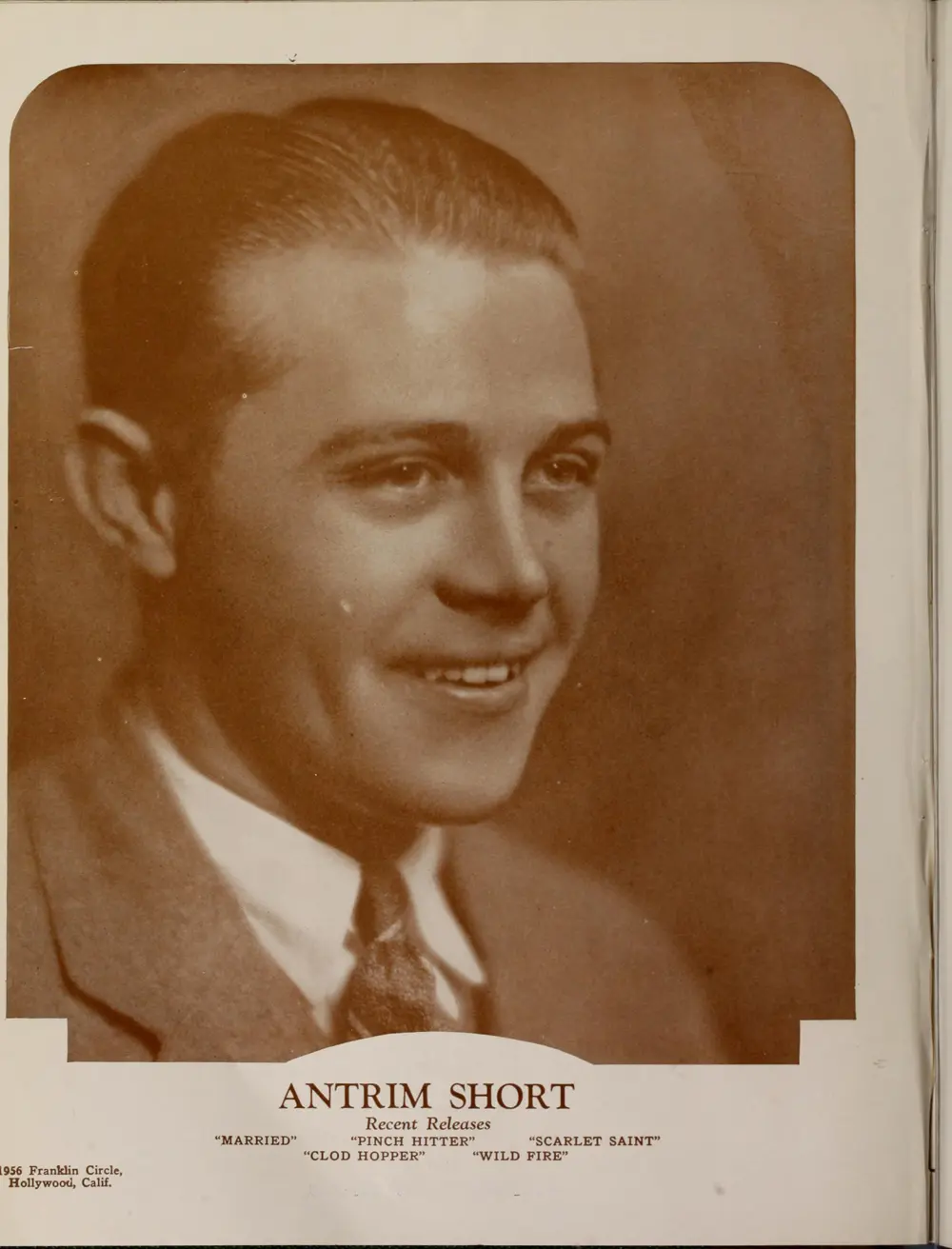
The 1920s were a time of profound transition, and 'Married?' sits right in the middle of that cultural shift. While many films of the era, like Confessions of a Queen, dealt with the lofty ideals of royalty and duty, 'Married?' is grounded in the grubby reality of the dollar sign. The premise—marrying for a year to get a payout—is treated with a surprising lack of judgment by the screenplay.
Writers Jean Conover and Marjorie Benton Cooke didn't craft a fairy tale. They crafted a contract. The film treats the marriage license as a lease agreement. This cynical edge is what makes the movie stand out from its more sentimental contemporaries. It doesn't pretend that love is the primary motivator for human action. It knows that rent needs to be paid and status needs to be maintained.
Take, for example, the scene where the couple first signs the papers. There is no soft focus, no lingering glances. It is handled with the efficiency of a business merger. This bluntness is refreshing, even if it makes the characters harder to root for. It is a brutally simple setup. It works. But it is flawed by its own lack of heart.

Owen Moore brings a certain weary charm to his role. As Mary Pickford’s first husband, Moore was no stranger to the pressures of public image versus private reality. In 'Married?', he plays the leading man with a sense of resignation that feels authentic. He isn't a hero; he's a man with a price. His performance is subtle, perhaps too subtle for the broad requirements of silent cinema.
Helen Burch, as his counterpart, has a more difficult task. She must balance the coldness of her character's ambition with the vulnerability of a woman trapped in a year-long lie. There are moments where Burch shines, particularly in the domestic scenes where the silence between the two characters becomes palpable. However, the chemistry isn't there. They feel like two people waiting for a bus together, rather than two people sharing a life.
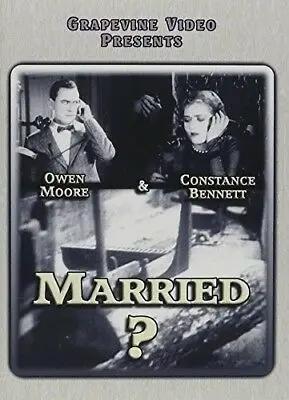
The supporting cast, including the legendary Rafaela Ottiano and a young Constance Bennett, add much-needed texture to the world. Bennett, in particular, shows flashes of the wit that would later make her a star. Compared to the leads in Three X Gordon, the ensemble here feels more grounded, even if the script gives them less to do.
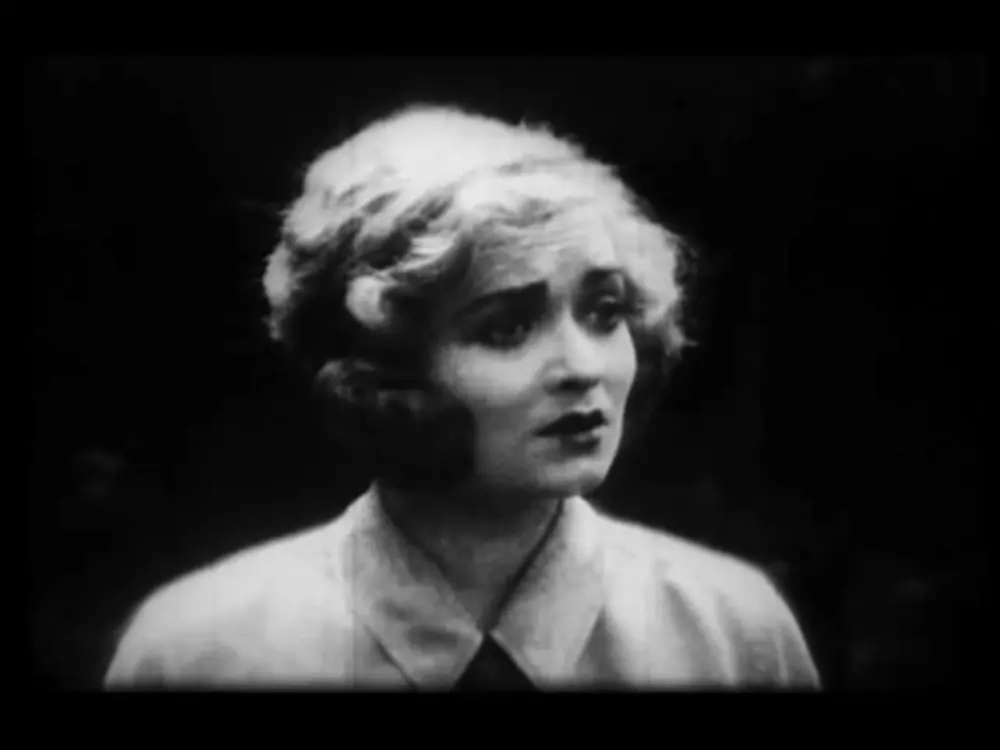
The direction is functional, but rarely inspired. The film relies heavily on intertitles to convey the passage of time and the inner thoughts of the characters. This is a common pitfall of late-silent era films that were struggling to find a visual language for complex psychological states. Unlike the dynamic camera work found in La banda del automóvil o la dama enlutada, 'Married?' stays largely static.
The pacing is where the film truly struggles. A story about a year-long endurance test shouldn't feel like it actually takes a year to watch. There are stretches of the film where very little happens. We see the couple eat. We see them walk. We see them avoid each other. While this realism captures the boredom of their situation, it doesn't always make for compelling cinema.
However, the cinematography does a fine job of distinguishing between the public spheres and the private ones. The lighting in the couple's shared apartment is often harsh and flat, emphasizing the lack of warmth in their relationship. In contrast, the scenes at social gatherings are filmed with more depth and shadow, highlighting the masks they must wear for the world.

The most interesting aspect of 'Married?' is its obsession with the legalities of marriage. In the 1920s, marriage was the primary way for women to secure financial stability. By making the inheritance contingent on a full year of marriage, the film highlights the performative nature of the institution. It suggests that if you act like you are married long enough, you might as well be.
This theme of 'fake it until you make it' is a recurring motif in 1920s cinema, also seen in films like Lost: A Bridegroom. But 'Married?' takes it to a more literal extreme. It asks: what is the difference between a real marriage and a fake one if the daily routine is the same? It’s a cynical question, and the film doesn't have a comfortable answer.
"Marriage in this film isn't a union of souls; it's a fiscal strategy with a high emotional tax."
'Married?' is a fascinating artifact that deserves a look for its thematic boldness, if not for its entertainment value. It is a film that views the world through a cold, financial lens, stripping away the glitter of the 1920s to show the machinery of social advancement underneath. It isn't a masterpiece, but it is a vital piece of the puzzle for anyone studying the history of the romantic comedy. It is a slow, methodical look at a year spent in a golden cage. It’s a decent watch, but don't expect to fall in love.
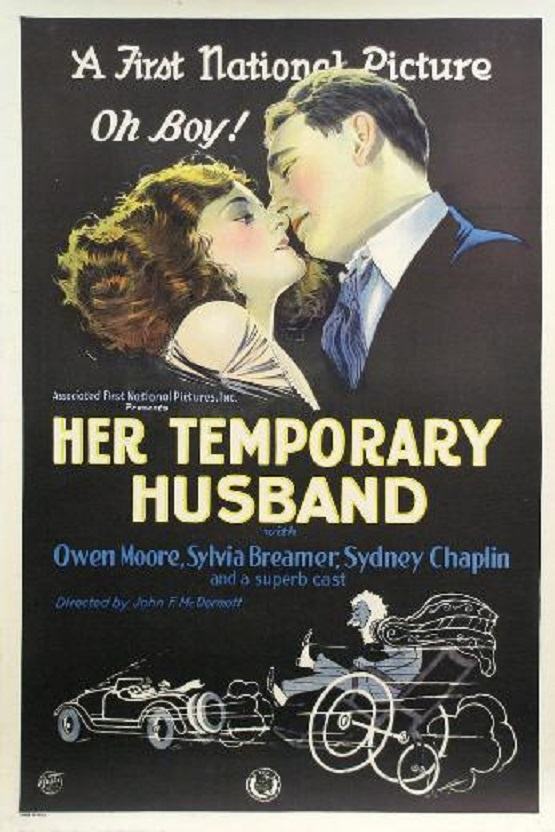
IMDb —
1923
Community
Log in to comment.