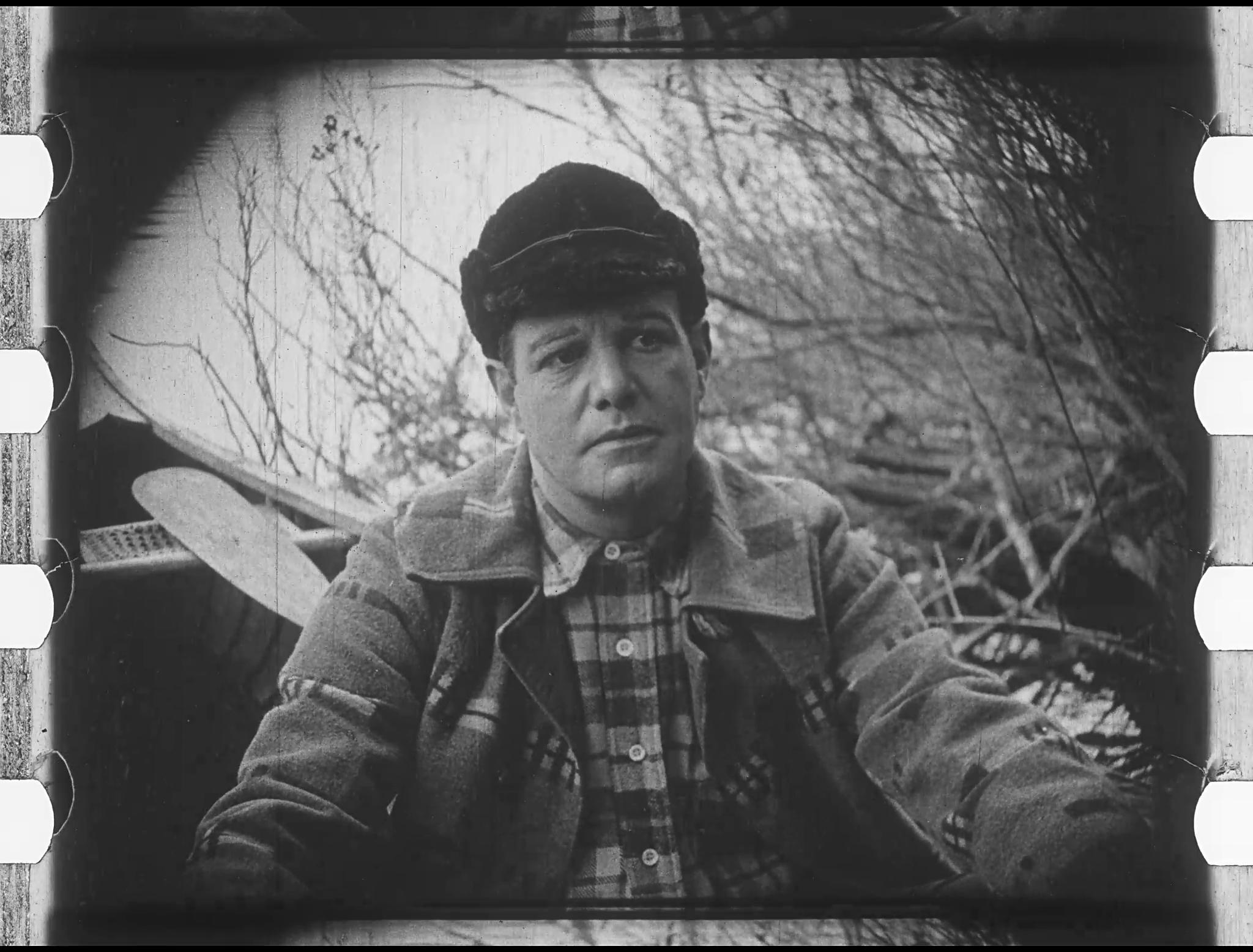
In Babyland the babies are made of clay and baked in ovens until done. When they are overdone they come out brown, and when they are burnt, as it sometimes happens when the elves play a little game of African golf, then the babies come out Black.
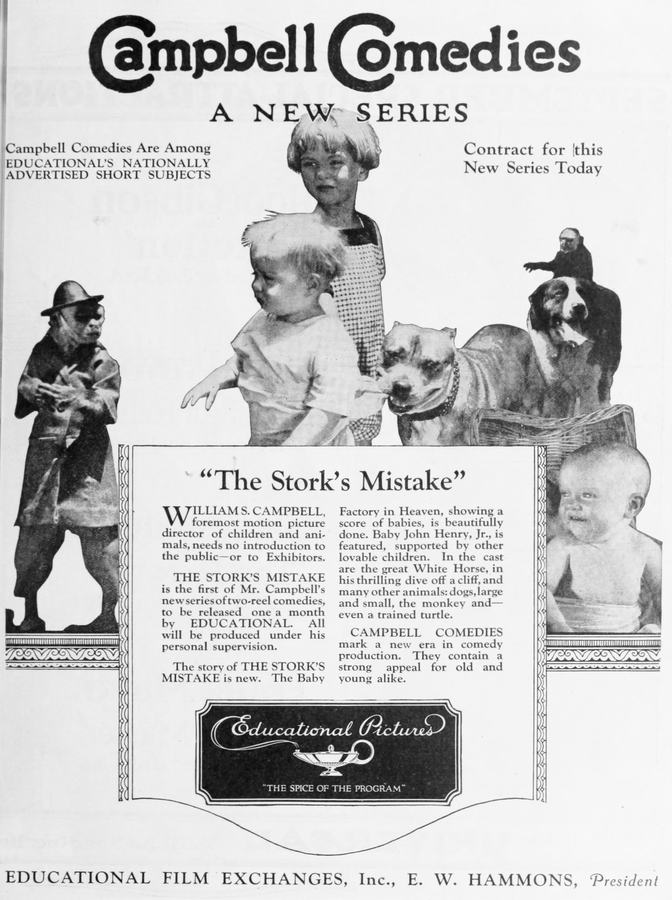
Imagine, if you can stomach the whimsy, a cosmos where procreation is literally patty-cake: elves slap river clay into pudgy limbs, season the blank figures with giggles, then shove the raw dough into brick ovens that wheeze like asthmatic dragons. The timer dings and—voilá—humanity in miniature, albeit graded by mel...

Comparing the cinematic DNA and archive impact of two defining moments in cult history.
William Campbell
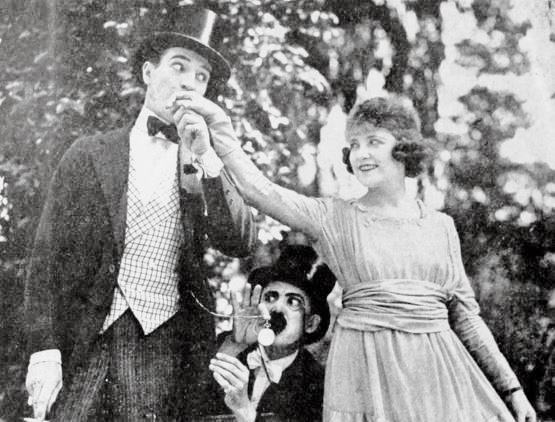
William Campbell
Community
Log in to comment.
" Imagine, if you can stomach the whimsy, a cosmos where procreation is literally patty-cake: elves slap river clay into pudgy limbs, season the blank figures with giggles, then shove the raw dough into brick ovens that wheeze like asthmatic dragons. The timer dings and—voilá—humanity in miniature, albeit graded by melanin saturation. Burnt crème brûlée? Too dark for the customer. Over-bronzed? Acceptable only if nobody lighter is on the shelf. This is not Margaret Atwood’s Gilead nor some guile..."
United States

Deep dive into the cult classic
Discover similar cinematic experiences
A Directorial Spotlight on William Campbell