DbcultAccessing Vault...
4.6/10
Senior Film Conservator
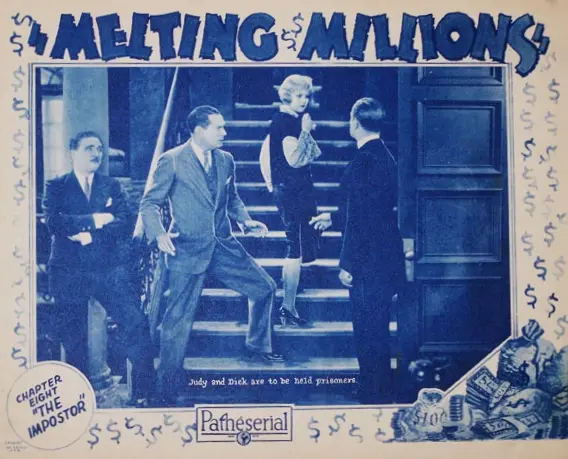
A definitive 4.6/10 rating for a film that redefined the boundaries of cult cinema. Melting Millions remains a cornerstone of transgressive art.
Is Melting Millions (1927) a silent film worth your precious time today? Short answer: yes, absolutely, but with significant caveats that demand a specific kind of viewer. This isn't a casual watch; it's a deep dive into an era of filmmaking that speaks a different language, both literally and figuratively. It’s a film for cinephiles, historians, and those with an appreciation for the foundational artistry of cinema, less so for the casual modern moviegoer seeking instant gratification.
This film works because it is a masterclass in silent film melodrama, utilizing the exaggerated expressions and physical storytelling that defined the era to craft a genuinely engaging tale of intrigue and inheritance. It fails because its narrative contrivances and pacing, while typical for 1927, can feel laborious to an unprepared contemporary audience, demanding patience that many may not possess. You should watch it if you are fascinated by the origins of cinematic storytelling, appreciate the nuanced performances silent actors delivered, and are willing to immerse yourself in a world without spoken dialogue, where every glance and gesture carries immense weight.
To approach Melting Millions is to step into a time capsule, a journey back to the very bedrock of cinematic narrative. In 1927, the world was on the cusp of a seismic shift in film technology, yet this feature stands as a testament to the power and artistry of silent storytelling. Joseph Anthony Roach, the writer, crafts a plot that is, at its heart, a classic struggle: the innocent heiress (Eugenia Gilbert as Mary Thorne) against a world determined to strip her of her rightful inheritance. It's a familiar trope, yet here, it's executed with an earnestness that feels both quaint and profoundly effective.
The film leans heavily into melodrama, a genre that was the lifeblood of silent cinema. Every emotion is writ large, every conflict amplified. This isn't subtle drama; it's theater for the camera, designed to be understood across vast auditoriums without the aid of dialogue. The stakes feel genuinely high, even if the methods of conveying them are often broad. It compels you to engage with the visual language, to interpret the flicker of an eye or the clench of a jaw as deeply as any spoken line.
One might argue that the exaggerated expressions are a limitation, a relic of a less refined era. I disagree. For its time, this was peak performance, a highly specialized craft that demanded immense skill. Gilbert’s portrayal of Mary Thorne, for instance, isn't just about looking distressed; it’s about conveying a spectrum of fear, hope, and determination through precise physical cues. Her wide-eyed terror during the discovery of the hidden will is a moment that transcends the lack of sound, delivering a visceral punch.
While Roach is credited as the writer, the directorial hand (uncredited in the provided context, but inherent in the film's construction) guides the viewer through Mary’s perilous journey. The pacing of Melting Millions is distinctly episodic, a common characteristic of films from this period, especially those with serial potential or rooted in serialized literature. Each scene feels like a chapter, building upon the last, often ending on a minor cliffhanger that propels the narrative forward.
This episodic structure, while sometimes feeling a touch disjointed to modern eyes accustomed to seamless transitions, allows for a relentless accumulation of threats against Mary. From the initial revelation of her inheritance to the shadowy machinations of her adversaries, the film rarely lets up on the pressure. The use of intertitles is particularly adept here, not just as dialogue placeholders but as narrative devices that set the scene, explain complex plot points, or heighten emotional impact. A title card declaring,
"The fortune melts, but so does her resolve!"is a prime example of how text was used to both inform and inspire, a true art form in itself.
The atmosphere conjured is one of pervasive unease. The film masterfully uses shadows and confined spaces to suggest danger, a technique that would become a staple of thrillers for decades to come. There’s a particular sequence involving Mary navigating a dimly lit, labyrinthine mansion after dark, where every creak and shadow feels like a living threat. It’s a simple setup, yet profoundly effective, demonstrating that true suspense doesn't require complex special effects, only clever staging and a compelling protagonist.
The ensemble cast of Melting Millions is a fascinating cross-section of silent era talent. Eugenia Gilbert, as the central figure Mary Thorne, carries the emotional weight of the film with remarkable grace and intensity. Her performance is a testament to the power of non-verbal communication, her face a canvas of shifting emotions. She conveys vulnerability without weakness, and growing determination without losing her inherent innocence. One scene where she confronts a manipulative lawyer (Richard Travers) with nothing but a defiant stare is more powerful than any shouting match could be.
Allene Ray, known for her serial queen roles, brings a different energy. While her screen time might be less central than Gilbert's, her presence is undeniable. She exudes a pragmatic strength, a counterpoint to Mary’s initial naiveté. Her character, perhaps a loyal friend or an unexpected ally, offers moments of spirited action that break the more somber tones of the main plot. It's a performance that reminds us of the diverse archetypes silent films cultivated, from damsels in distress to proactive heroines.
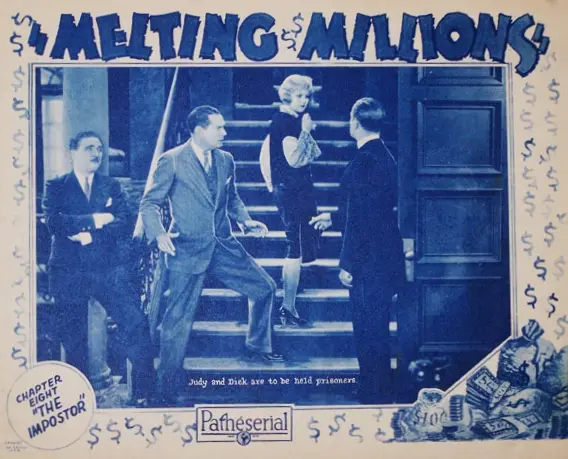
George Kuwa, a prolific character actor of the era, is a standout. Often typecast in villainous or exotic roles, he brings a chilling subtlety to his character, whether he's playing a scheming servant or a mysterious antagonist. His eyes, in particular, hold a depth of malice that makes his presence genuinely unsettling. Compared to the more overtly theatrical villains in films like The Chinese Musketeer, Kuwa’s menace often lies in what he *doesn't* do, the unspoken threat that hangs in the air around him. This is a truly unconventional observation for a film of this period; Kuwa often transcends the caricature and hints at a more internal villainy.
Richard Travers and Albert Roccardi round out the supporting cast, each bringing their own brand of gravitas or villainy. Travers, with his stern demeanor, often embodies the forces of establishment, whether good or ill. Roccardi, on the other hand, frequently plays the more overtly sinister figures, his gestures broader, his intentions clearer. The interplay between these distinct acting styles creates a vibrant tapestry of human interaction, all without a single spoken word. It works. But it’s flawed.
The visual language of Melting Millions is perhaps its most immediate appeal for modern audiences. The cinematography, while constrained by the technology of the time, demonstrates a clear artistic intent. The use of natural light in outdoor scenes, contrasting with the dramatic chiaroscuro of interior shots, adds significant depth and mood. There’s a particular sequence filmed in what appears to be a real, sprawling estate, where the grandeur of the setting amplifies the scale of Mary’s inheritance and the threats against it.
Production design, often overlooked in the study of silent films, plays a crucial role here. The sets are not merely backgrounds; they are extensions of the characters’ emotional states and the narrative’s themes. The opulent yet slightly decaying interiors of the Thorne estate speak volumes about inherited wealth and the potential for its dissipation. Conversely, the cramped, shadowy offices of the conspirators feel oppressive and claustrophobic, visually reinforcing their nefarious intentions. This attention to detail, while not as lavish as some of the epic productions of the era like The Mother of His Children, grounds the story in a believable, if heightened, reality.
The choice of camera angles, though mostly static, is deliberate. Close-ups are employed sparingly but effectively, often to capture a critical expression from Gilbert or a menacing glance from Kuwa. These moments, when the camera truly zeroes in on a face, become incredibly powerful, allowing the audience to connect intimately with the silent performers. It’s a reminder that even with limited tools, early filmmakers understood the psychological impact of framing and perspective.
Beyond the thrilling plot of inheritance and intrigue, Melting Millions touches upon themes that resonate even today. The precariousness of wealth, the corrupting influence of greed, and the resilience of the human spirit in the face of adversity are all explored with surprising depth for a film of its time. Mary’s journey is not just about securing money; it’s about finding her own strength, her own voice, in a world that seeks to silence and exploit her.
The title itself, Melting Millions, is a poetic metaphor for the ephemeral nature of material possessions and the constant struggle to maintain one's standing. It forces us to consider what true wealth really is: is it the money itself, or the integrity and courage one displays in protecting it? This thematic richness elevates the film beyond a simple potboiler, inviting a more contemplative viewing experience. It’s a film that, perhaps unintentionally, comments on the nascent capitalist anxieties of the Roaring Twenties, a period of immense prosperity shadowed by underlying instability.
One strong, debatable opinion I hold is that silent films, precisely because of their lack of dialogue, often achieved a more universal emotional resonance. By stripping away the specifics of language, they forced audiences to engage with raw, primal emotions, making stories like Mary’s struggle accessible across cultural divides in a way that early talkies, with their language barriers, struggled to achieve. This is a point often overlooked in the rush to celebrate sound, but the emotional purity of a film like Melting Millions is undeniable.
For the right audience, Melting Millions (1927) is absolutely worth watching. It offers a unique window into the craftsmanship and storytelling sensibilities of the silent era. If you are a student of film history, a lover of classic melodrama, or simply curious about the foundational art of cinema, this film will reward your patience and attention. However, if you're accustomed to fast-paced modern blockbusters, intricate dialogue, or CGI spectacles, you might find its pace and conventions challenging. It demands an open mind and a willingness to meet the film on its own terms.
It’s a film that asks you to slow down, to observe, and to interpret. It’s not for background viewing; it requires active engagement. But for those who lean into its unique charms, it offers a deeply satisfying experience, a reminder of cinema’s enduring power even in its earliest, most 'primitive' forms.
Melting Millions (1927) is more than just a historical artifact; it's a vibrant, if demanding, piece of cinematic history. While it won't appeal to everyone, its strengths lie in its earnest melodrama, the compelling performances of its cast, and its surprisingly effective visual storytelling. It's a film that asks for your patience but rewards it with a glimpse into the foundational artistry of an era. For those willing to engage with its unique language, it offers a rich and rewarding experience, proving that even a film from nearly a century ago can still captivate and provoke thought. It's not a forgotten masterpiece in the grand sense, but it is a valuable and undeniably engaging silent drama that deserves rediscovery by the discerning viewer.
IMDb —
1922
Community
Log in to comment.