DbcultAccessing Vault...
Cult Review
Senior Film Conservator
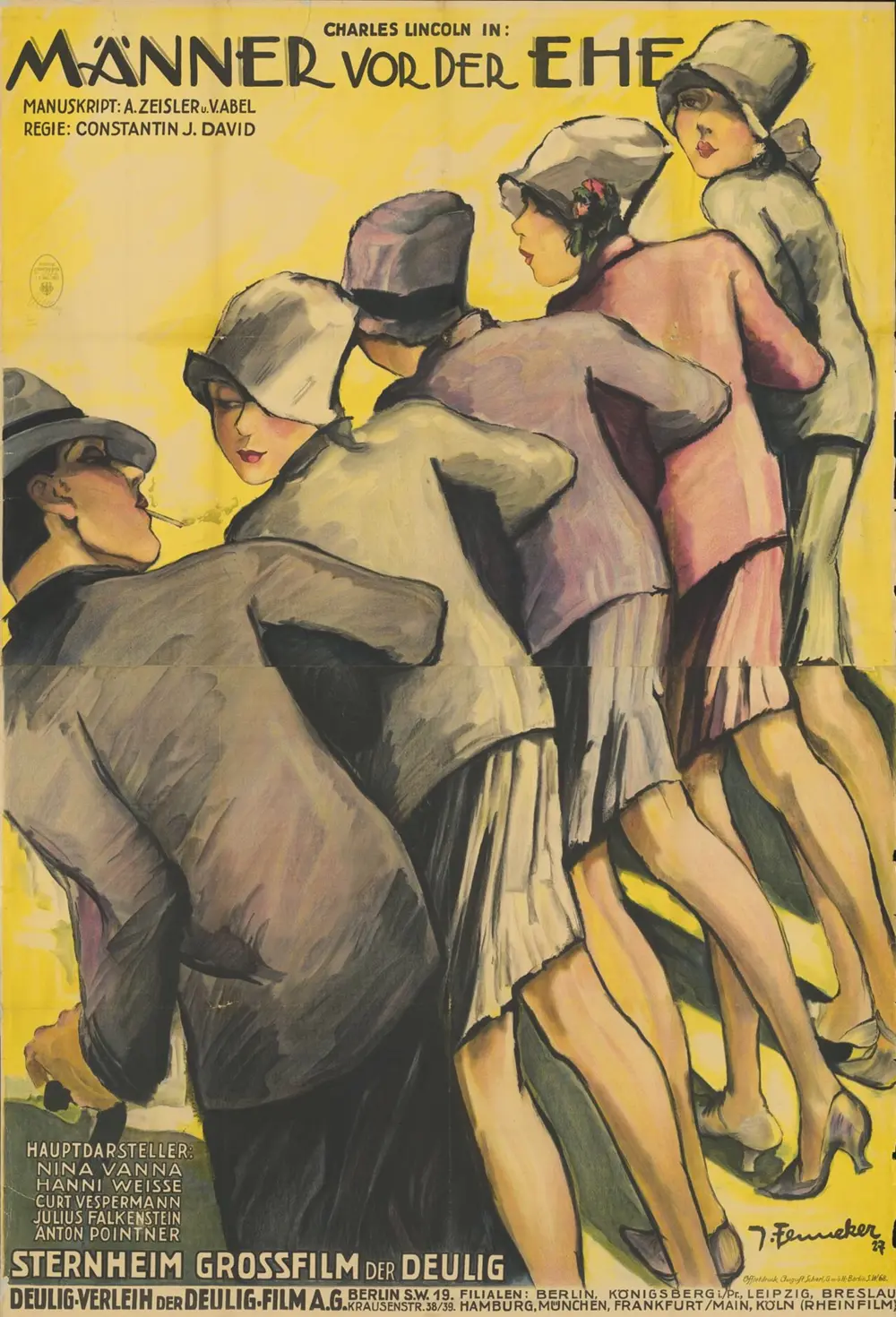
Is Men Before Marriage a forgotten gem of the silent era or a dated relic of a bygone moral code? Short answer: It is a fascinating historical artifact that offers a sharp, albeit uncomfortable, look at the anxieties of the 1920s man, though its pacing may test modern patience.
This film is specifically for those who appreciate the evolution of social satire and the visual language of late Weimar cinema. It is definitely NOT for viewers who require a fast-moving plot or characters who align with contemporary feminist sensibilities.
1) This film works because it captures the specific 'New Objectivity' (Neue Sachlichkeit) aesthetic of the late 1920s, grounding its comedy in the messy, often hypocritical realities of urban life rather than slapstick.
2) This film fails because its final act retreats into a safe, conventional resolution that undermines the cynical, sharp-edged observations established in the first half.
3) You should watch it if you want to see how the silent screen handled the transition from the roaring nightlife of Berlin to the suffocating expectations of the middle class.
Men Before Marriage arrives at a time when German cinema was moving away from the jagged shadows of Expressionism and toward a more grounded, social realism. While it lacks the sheer visual audacity of The Violinist of Florence, it compensates with a keen eye for social hierarchy and the performative nature of masculinity.
The film centers on the 'Junggesellen' (bachelors) and their desperate attempts to cling to a lifestyle of late-night clubs and casual flirtations. Kurt Vespermann gives a performance that is remarkably understated for the era. He doesn't rely on the grand gestures common in early silent films; instead, he uses a weary, almost bored physicality to convey a man who is tired of his own vices but terrified of the alternative.
The writing by Alfred Zeisler and Victor Abel is surprisingly modern in its cynicism. They don't present marriage as a blissful goal. Instead, marriage is framed as a cage—a necessary one for social survival, but a cage nonetheless. This perspective makes the film feel more like a precursor to the cynical romantic comedies of the 1930s than a traditional silent melodrama.
The cinematography in Men Before Marriage serves a narrative purpose that goes beyond simple documentation. There is a distinct visual shift between the scenes set in the public spaces of Berlin and the private spaces of the home. The club scenes are shot with a fluid, almost frantic energy, capturing the smoke and the blurred movement of the jazz age.
In contrast, the scenes involving the domestic sphere are static and heavily framed. When Nina Vanna’s character is on screen, the camera often traps her within the architectural lines of the house—doorframes, windows, and heavy furniture. This visual metaphor for the domestic trap is effective, even if it is somewhat heavy-handed. It reminds one of the claustrophobic tension found in The Devil's Circus, where the environment itself feels like a character.
"The film doesn't just show a wedding; it shows the slow, painful death of the individual in favor of the institution."
One of the most striking sequences involves a bachelor party that descends into a somber realization of aging. As the men drink, the lighting becomes increasingly harsh, stripping away the glamour of the nightlife and revealing the tired faces of men who are performing a joy they no longer feel. It is a brutally simple realization. It works. But it’s flawed by a soundtrack (in modern restorations) that often fails to match this psychological depth.
Yes, Men Before Marriage is worth watching for anyone interested in the cultural history of the 1920s. It provides a rare glimpse into the male psyche of the Weimar Republic, moving beyond the 'flapper' tropes to examine what men felt they were losing in the face of social progress. While it isn't as stylistically revolutionary as Der Berg des Schicksals, its value lies in its mundane, everyday observations of human weakness.
While the film is titled Men Before Marriage, its most compelling moments often belong to the women. Nina Vanna and Käthe von Nagy provide a necessary counterpoint to the men's indecision. However, the film is undeniably a product of its time. The women are often relegated to the roles of either the 'saintly' fiancée or the 'dangerous' temptress.
There is a missed opportunity here to explore the interior lives of these women. We see how the men's actions affect them, but we rarely see their own desires outside of the context of marriage. In this sense, the film feels less progressive than Sunny Side Up, which allowed for a bit more agency in its female leads. The gender politics here are stiff and, at times, frustratingly regressive.
However, Nina Vanna’s performance manages to transcend the script. There is a scene where she looks at her fiancée after a night of his carousing, and the look of quiet, resigned disappointment in her eyes says more than any title card could. It’s a moment of pure cinematic storytelling that doesn't need the artifice of the plot to hit home.
The pacing of the film is its biggest hurdle. Like many films from 1927, it suffers from a middle-act sag where the vignettes become repetitive. We see the same cycle of temptation and guilt play out several times. While this may be a realistic depiction of the characters' indecision, it doesn't always make for compelling cinema. It lacks the tight, rhythmic editing found in Fighting the Flames.
Directorially, there are moments of brilliance. The use of double exposure to show the protagonist's fractured thoughts during a dinner scene is a clever touch. It visualizes the 'bachelor' side of his brain whispering to him while he tries to play the part of the dutiful husband-to-be. These moments of visual flair prevent the film from becoming a dry stage play.
Pros:
- Exceptional ensemble acting, particularly from Kurt Vespermann.
- A sharp, cynical script that avoids many silent movie clichés.
- High production values that showcase the fashion and architecture of 1927.
- A fascinating look at the 'New Man' archetype in German culture.
Cons:
- The pacing drags significantly in the middle hour.
- The female characters are underdeveloped compared to their male counterparts.
- The ending feels like a betrayal of the film's earlier, more interesting cynicism.
- Some of the humor relies on social cues that are largely lost on modern audiences.
When compared to other films of the era like Revenge, Men Before Marriage feels much more grounded in reality. While Revenge leans into the operatic and the melodramatic, this film is content to stay in the drawing rooms and the smoky bars. It shares some DNA with the social critiques found in American films like Sunny Side Up, but it possesses a distinctly European gloom that keeps it from ever becoming too light-hearted.
Men Before Marriage is a complicated piece of work. It is a film that wants to have it both ways: it wants to indulge in the 'sinful' bachelor life for the sake of entertainment, while ultimately wagging its finger at it for the sake of morality. This internal conflict is exactly what makes it so interesting to watch today. It is a portrait of a society in flux, caught between the freedom of the individual and the stability of the collective.
It isn't a masterpiece, but it is a vital chapter in the history of the social comedy. If you can look past the dated gender roles and the occasional pacing issues, you will find a film that is surprisingly honest about the fear of growing up. It’s a clunky film, but that’s why it’s interesting. It feels human in its contradictions.
IMDb 1.3
1927
Community
Log in to comment.