DbcultAccessing Vault...
7.2/10
Senior Film Conservator
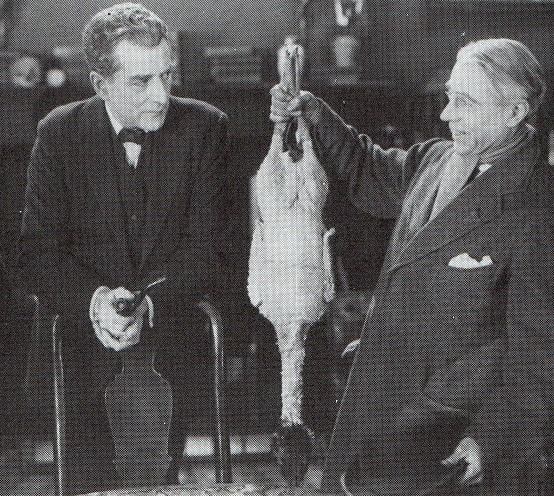
A definitive 7.2/10 rating for a film that redefined the boundaries of cult cinema. The Blue Carbuncle remains a cornerstone of transgressive art.
Step into the gaslit streets of early 20th-century London, a realm where shadows dance with intrigue and the keenest minds unravel the most perplexing enigmas. Arthur Conan Doyle's immortal creation, Sherlock Holmes, has graced countless pages and screens, but few adaptations capture the essence of his deductive brilliance and the era's unique charm quite like the silent film series starring Eille Norwood. Among these cinematic gems, The Blue Carbuncle stands as a testament to the enduring power of a meticulously crafted mystery, even in its most nascent visual form. This particular installment, penned for the screen by P.L. Mannock and Geoffrey Malins from Doyle’s original narrative, offers a fascinating glimpse into the nascent stages of cinematic storytelling, presenting a compelling case that transcends its silent medium.
The film unfurls with the theft of the Countess of Morcar's magnificent blue carbuncle, a jewel of breathtaking value and equally breathtaking notoriety. This isn't merely a simple larceny; it's a meticulously orchestrated frame-up that implicates John Horner, a man striving to reclaim his life after a past transgression. The narrative masterfully weaves a tapestry of circumstantial evidence around Horner, painting him as the prime suspect, a familiar trope in detective fiction that Doyle, and by extension, this adaptation, elevates beyond mere convention. The initial scenes are imbued with a palpable sense of injustice, drawing the viewer into Horner’s plight with a silent eloquence that only truly skilled actors and directors of the era could achieve. The stakes are immediately clear: not just the recovery of a precious stone, but the very reputation and freedom of an individual caught in a web of deceit.
Eille Norwood, as the inimitable Sherlock Holmes, delivers a performance that has, over the decades, been lauded as one of the most faithful portrayals of the literary detective. His Holmes is not a flamboyant showman but a figure of quiet intensity, his piercing gaze and deliberate movements conveying a mind constantly at work. Norwood embodies the detective’s intellectual prowess and his slightly detached, yet ultimately benevolent, nature with remarkable subtlety. In a silent film, where dialogue is replaced by intertitles and exaggerated expressions, Norwood's ability to communicate complex thought processes through gesture and mien is nothing short of extraordinary. He doesn't just act the part; he inhabits the very spirit of Holmes, making the viewer believe they are witnessing the great detective in his element.
The supporting cast, though operating within the distinct constraints of silent cinema, contributes significantly to the film's overall texture. Archie Hunter, Sebastian Smith, Hubert Willis, Gordon Hopkirk, Mary Mackintosh, and Douglas Payne each carve out memorable impressions, even with limited screen time. Their reactions, their silent agonies, and their subtle shifts in demeanor provide the necessary emotional anchors that ground Holmes's intellectual journey. Mary Mackintosh, in particular, imbues her character with a quiet vulnerability that underscores the human cost of the crime. The ensemble’s collective effort creates a believable, breathing world for Holmes to navigate, a testament to the directorial vision that guided these early cinematic endeavors. The performances, while perhaps seeming quaint by modern standards, are powerful in their context, demonstrating the raw talent required to convey narrative and emotion without spoken words.
One cannot discuss The Blue Carbuncle without acknowledging the masterful adaptation of Arthur Conan Doyle's original story. P.L. Mannock and Geoffrey Malins faced the daunting task of translating a narrative rich in intricate dialogue and descriptive prose into a purely visual medium. Their success lies in their ability to distill the essence of Doyle's plotting, relying on strong visual cues, expressive acting, and judiciously placed intertitles to propel the story forward. The film doesn't merely illustrate the story; it reinterprets it through a cinematic lens, focusing on the visual spectacle of deduction and the emotional impact of the characters' predicaments. The famous sequence involving the discarded hat and the Christmas goose becomes a wonderfully cinematic puzzle, each clue presented visually for the audience to follow alongside Holmes.
The direction, while uncredited to a single individual in many historical records, showcases a keen understanding of pacing and visual rhythm. The camera work, though static by contemporary standards, is employed effectively to frame crucial details and character reactions. The production design, evoking a London teeming with both opulence and squalor, adds an authentic layer to the narrative. The fog-laden streets, the bustling markets, and the austere interiors of Baker Street all contribute to a rich, immersive atmosphere. This commitment to visual detail is a hallmark of the era's best silent films, creating a world that feels both fantastical and tangibly real. Unlike some modern adaptations that over-rely on special effects, this film's power stems from its simplicity and its focus on character and plot.
Beyond the thrilling pursuit of a jewel, The Blue Carbuncle delves into profound thematic territory. The plight of John Horner, the wrongly accused, resonates deeply, raising questions about societal prejudice and the difficulty of escaping a past reputation. This theme of false accusation and the quest for justice is a recurring motif in cinematic history, appearing in films like Human Desire, which similarly explores the dark undercurrents of crime and its impact on individuals. The film masterfully portrays the vulnerability of those on the margins of society, highlighting how easily they can become scapegoats for the machinations of the powerful.
Furthermore, the story, both in its literary and cinematic forms, explores the concept of redemption. The true culprit, once identified, is not met with the harsh hand of the law but with Holmes's characteristic blend of pragmatism and compassion. This moral ambiguity, where justice is tempered with mercy, is one of the most compelling aspects of the narrative. It challenges the audience to consider the complexities of human motivation and the potential for reform, even in those who have strayed. This nuanced approach to crime and punishment sets it apart from more straightforward morality tales, making it a surprisingly modern film in its ethical considerations. One might even draw parallels to the complexities explored in films like Going Straight, if that film also navigates the challenges and moral quandaries faced by individuals attempting to leave a criminal past behind and the societal obstacles they encounter.
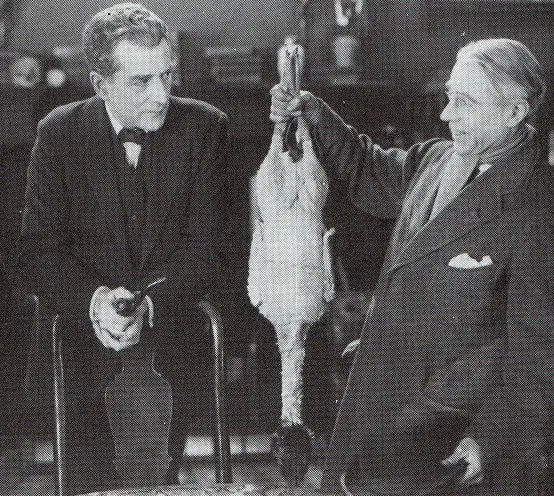
The film also touches upon the unpredictable nature of fate and coincidence. A seemingly innocuous Christmas goose and a discarded hat become the linchpins of the entire investigation, demonstrating how the most mundane objects can hold the keys to profound mysteries. This element of serendipity, combined with Holmes's unparalleled observational skills, forms the bedrock of the detective genre. It reminds us that truth often hides in plain sight, waiting for a discerning eye to connect the disparate threads. The narrative's elegant construction, which relies on these seemingly trivial details, is a testament to Doyle's genius and the filmmakers' ability to translate that genius to the screen.
The enduring legacy of The Blue Carbuncle, both as part of the Eille Norwood series and as a standalone adaptation, is undeniable. It represents a significant moment in the evolution of detective cinema, showcasing how complex literary narratives could be effectively translated to the silent screen. The film's influence can be seen in subsequent mystery thrillers, establishing conventions of visual storytelling and character portrayal that continue to resonate. It's a foundational text for anyone interested in the history of cinema, particularly the challenges and triumphs of the silent era. Its ability to captivate audiences without a single spoken word speaks volumes about the universal appeal of a well-told story and the power of visual artistry.
In an age dominated by sound and spectacle, revisiting The Blue Carbuncle offers a refreshing perspective on the art of filmmaking. It reminds us that true cinematic magic lies not in technological advancements but in compelling narratives, nuanced performances, and a clear directorial vision. The film's careful pacing allows the viewer to savor each clue, each deduction, and each subtle interaction between characters. It’s a masterclass in building suspense and delivering a satisfying resolution, all within the elegant confines of silent storytelling. The creative genius of writers P.L. Mannock and Geoffrey Malins, working with the unparalleled source material of Arthur Conan Doyle, shines through every frame, proving that a great story is truly timeless.
For aficionados of Sherlock Holmes, silent film enthusiasts, or anyone with an appreciation for classic mystery, The Blue Carbuncle is an indispensable viewing experience. It’s more than just a historical artifact; it’s a vibrant, engaging piece of cinema that continues to entertain and intrigue. The performances by Archie Hunter, Sebastian Smith, Hubert Willis, Gordon Hopkirk, Mary Mackintosh, Eille Norwood, and Douglas Payne collectively form a compelling tapestry of human drama around the central mystery. It demonstrates that even without the convenience of spoken dialogue, the profound depths of human nature, from greed and deceit to compassion and redemption, can be explored with striking clarity and emotional resonance. This film stands as a vibrant testament to the ingenuity of early filmmakers and the timeless allure of a well-spun yarn, cementing its place as an essential chapter in the cinematic chronicle of the world's greatest detective.
The meticulous reconstruction of Edwardian London, albeit through the limited lens of early cinematography, provides a rich backdrop for the unfolding drama. The visual cues, from the period costumes to the set dressings, transport the viewer directly into the heart of Holmes’s world. This commitment to verisimilitude is crucial for any adaptation of Doyle’s work, and The Blue Carbuncle excels in this regard, crafting an authentic atmosphere that enhances the narrative’s immersion. The very constraints of the silent medium often forced filmmakers to be more inventive, relying on strong visual metaphors and expressive physical acting to convey complex emotions and plot points, a skill beautifully demonstrated here. This ingenuity, born of necessity, elevates the film beyond a simple retelling, transforming it into a unique artistic interpretation.
In conclusion, The Blue Carbuncle is a significant entry in the vast canon of Sherlock Holmes adaptations. It’s a film that not only showcases the brilliance of Eille Norwood’s portrayal but also highlights the artistic achievements of early silent cinema. Its intricate plot, compelling performances, and thoughtful exploration of justice and redemption make it a timeless classic. It serves as a powerful reminder that the essence of storytelling, the ability to captivate and provoke thought, transcends technological boundaries. This silent masterpiece continues to speak volumes, a gleaming testament to the enduring appeal of deduction, mystery, and the human spirit.
IMDb 5.9
1937
Community
Log in to comment.