DbcultAccessing Vault...
Cult Review
Senior Film Conservator

Stepping back into the cinematic annals of 1916, we encounter Love's Conquest, a silent film that, even a century later, resonates with a potent blend of melodrama, social commentary, and heartfelt romance. Directed with a keen eye for dramatic tension and featuring the luminous Lina Cavalieri, this historical drama plunges viewers into the tumultuous world of 16th-century Greece, where the machinations of power collide with the raw force of human emotion. It’s a testament to the enduring power of storytelling that a narrative crafted in the nascent years of filmmaking can still captivate, offering a window into the values and anxieties of its time while exploring themes that remain eternally relevant.
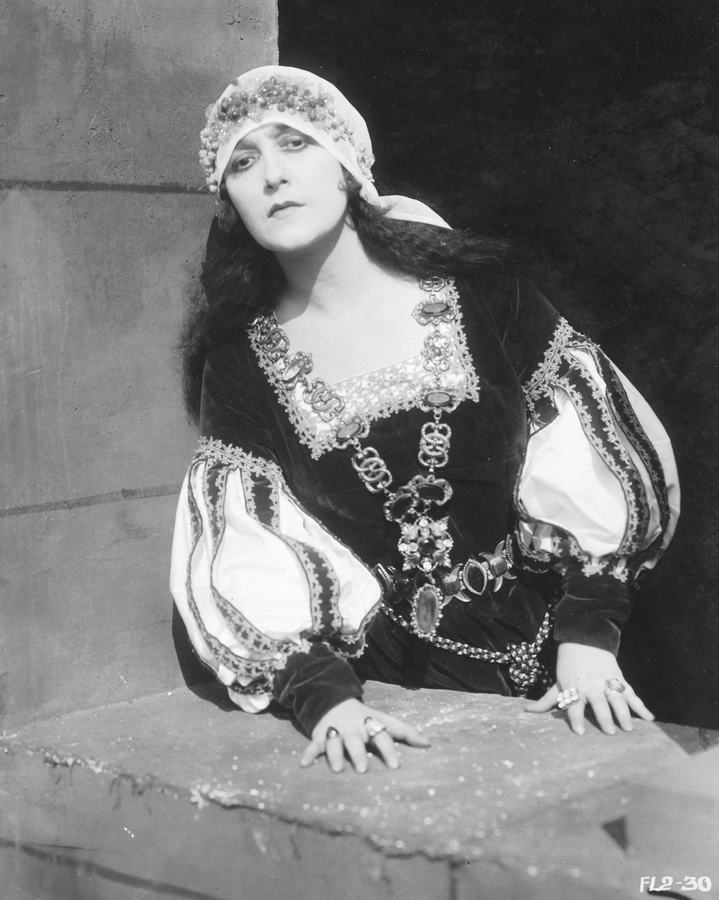
At the heart of Love's Conquest lies Gismonda, the Duchess of Athens, portrayed with a compelling blend of regality and vulnerability by Lina Cavalieri. Her world, ostensibly one of privilege and power, is in fact a gilded cage. Besieged by a relentless stream of suitors, each vying for her hand and, by extension, the ducal seat, Gismonda’s true affections lie not with any of these ambitious men, but with her young son, Francesco. This maternal bond forms the emotional bedrock of her character, anchoring her in a sea of political maneuvering and societal expectation. Her initial portrayal is that of a woman trapped by her station, her personal desires secondary to the demands of her title. This predicament, where a woman's agency is circumscribed by her societal role, finds echoes in other period dramas of the era, such as A Doll's House, albeit with different narrative resolutions. Gismonda’s journey is one of profound transformation, from a figure constrained by aristocratic pride to one who embraces the authenticity of love, irrespective of social standing.
The narrative gains its crucial impetus through the villainous machinations of Prince Zaccaria, played with suitable menace by Frank Lee. Zaccaria is not merely a suitor but a ruthless opportunist, driven by an insatiable hunger for power. His decision to kidnap young Francesco and cast him into a pit with a lion is an act of shocking cruelty, designed to exploit Gismonda’s deepest fear and force her hand. This calculated depravity immediately establishes the stakes, elevating the film beyond a simple romance to a tense drama of survival and moral reckoning. The duchess’s desperate pledge—to marry the man who rescues her son—is a primal cry born of maternal instinct, overriding all considerations of rank or propriety. It’s a moment of raw, unfiltered emotion that sets the stage for the dramatic clash between love, duty, and class prejudice.
The hero who answers Gismonda’s desperate plea is Almerio, a humble huntsman portrayed by Courtenay Foote. His courage, untainted by ambition or ulterior motives, is a stark contrast to the duchess's aristocratic suitors. Almerio's valiant rescue of Francesco is an act of pure heroism, a deed that transcends social barriers and speaks to an innate nobility of spirit. This pivotal event, however, creates an immediate and profound conflict for Gismonda. Having made her vow in a moment of extreme duress, she now faces the daunting prospect of marrying a commoner, an unthinkable transgression of the rigid social hierarchy of her era. Her subsequent decision to break her promise, while seemingly heartless, is depicted as a struggle between her personal gratitude and the overwhelming pressure of her ducal obligations and ingrained class prejudice. It’s a nuanced portrayal of a character caught between two worlds, a conflict that many silent film heroines navigated, often with tragic results, as seen in films like Fedora, where societal expectations similarly dictate personal fates.
The tension escalates when Gismonda, attempting to persuade Almerio to release her from her vow, visits his humble hut one night. This clandestine encounter, an act of desperation and perhaps burgeoning affection, is tragically witnessed by Zaccaria and his cohort Gregoras (J.H. Gilmour). This unfortunate sighting provides Zaccaria with the perfect opportunity to further his malevolent agenda, painting Almerio as a threat to the duchess’s honor and a rival to be eliminated. The dramatic irony here is palpable: Gismonda’s attempt to resolve one dilemma inadvertently creates a far more dangerous one, thrusting Almerio into the crosshairs of a vengeful and politically ambitious prince. The silent era's reliance on visual storytelling and heightened gestures makes these moments of perceived impropriety and villainous scheming particularly impactful, conveying complex emotions and intentions without a single spoken word.
The film builds to a gripping climax as Zaccaria, emboldened by his perceived advantage, moves to kill Almerio. It is at this critical juncture that Gismonda undergoes her most profound transformation. No longer the indecisive duchess torn by conflicting loyalties, she acts with decisive, protective ferocity, stabbing Zaccaria at Almerio’s door. This act is not merely one of self-preservation or even just protection of Almerio; it is a declaration of her true feelings, a visceral repudiation of the societal constraints that had bound her. Her love for Almerio, initially obscured by pride and duty, bursts forth with undeniable force. This decisive moment marks Gismonda’s full embrace of her own agency and her true affections, a powerful assertion of will that few heroines in early cinema were afforded. The subsequent apprehension of Gregoras unravels the entirety of Zaccaria’s plot, revealing the depths of his treachery and vindicating Almerio’s innocence.

The resolution of Love's Conquest is deeply satisfying, particularly in its subversion of traditional class structures. Gismonda, having navigated a labyrinth of political intrigue and personal anguish, finally recognizes the profound and authentic love she shares with Almerio. In a climactic gesture that defies all aristocratic conventions, she not only bestows upon him the title of duke but also marries him, elevating a humble huntsman to the highest echelons of Athenian society. This act is a powerful statement about the triumph of true affection over inherited status, a romantic ideal that resonated strongly with audiences then, and continues to do so today. It’s a narrative arc that speaks to the innate human desire for justice and the belief that love, in its purest form, can conquer all obstacles, even those as formidable as entrenched social hierarchies. The film, in its own way, champions a kind of meritocracy of the heart, where courage and genuine feeling are valued above birthright. This thematic emphasis on personal merit overcoming social prejudice can be seen in other narratives of the era, where individual heroism often reshaped destinies, much like in Fields of Honor.
Lina Cavalieri’s performance as Gismonda is undeniably the film’s anchor. A celebrated opera singer turned film star, Cavalieri brings a captivating presence to the screen. In the silent era, acting relied heavily on exaggerated facial expressions, body language, and carefully choreographed gestures to convey emotion and narrative. Cavalieri masterfully employs these tools, her eyes speaking volumes of her character’s torment, resolve, and eventual joy. Her ability to transition from a regal, somewhat detached duchess to a terrified mother, and finally to a woman fiercely in love, is a testament to her skill. Courtenay Foote, as Almerio, provides a grounded, earnest counterpoint to Cavalieri’s more dramatic portrayal. His quiet strength and unwavering loyalty are communicated effectively, making his character a sympathetic and admirable figure. Frank Lee’s Zaccaria is suitably villainous, embodying the archetypal antagonist with a sneering demeanor and calculating gaze that leaves no doubt as to his nefarious intentions. The ensemble cast, including Isabel Berwin and Fred Radcliffe, supports the main players, contributing to the overall emotional texture of the film.
The pacing of Love's Conquest, typical of many films from the mid-1910s, allows for a gradual build-up of tension and character development. The narrative unfolds deliberately, punctuated by dramatic intertitles that guide the audience through the plot’s twists and turns. While modern audiences accustomed to rapid-fire editing might find the rhythm somewhat sedate, it’s precisely this measured progression that allows for a deeper immersion into the characters' emotional states and the unfolding political drama. The scenes are often staged to maximize visual impact, utilizing the limited camera movement and editing techniques of the time to create compelling tableaus. The costumes and sets, while perhaps not as lavish as later historical epics, effectively evoke the 16th-century Greek setting, adding to the film’s atmospheric quality.
Love's Conquest stands as more than just a historical curiosity; it is a vibrant example of early cinematic storytelling that grappled with complex human emotions and societal structures. The film’s exploration of class divides, the corrupting influence of power, and the redemptive force of genuine love remains as poignant today as it was over a century ago. It reminds us that even in an era without synchronized sound or sophisticated visual effects, filmmakers were capable of crafting compelling narratives that resonated deeply with audiences. The film’s themes of female agency, particularly Gismonda’s ultimate assertion of her will, were forward-thinking for its time, challenging the passive roles often assigned to women in popular culture. While not as widely remembered as some of its contemporaries, Love's Conquest offers a rich viewing experience for those interested in the evolution of cinema and the timeless appeal of a well-told story.
The film’s ultimate message, that true love and inherent worth can transcend arbitrary social boundaries, is a universal one. It’s a narrative that, despite its specific historical setting, speaks to broader human experiences of aspiration, betrayal, and the quest for authentic connection. The journey of Gismonda, from a duchess bound by convention to a woman empowered by love and conviction, is a compelling one, offering both dramatic thrills and a satisfying emotional resolution. It serves as a reminder that the foundational elements of compelling storytelling – engaging characters, clear stakes, and a powerful emotional core – were firmly established in the early days of cinema, laying the groundwork for the rich tapestry of films that would follow. For anyone interested in the foundational works of dramatic cinema, Love's Conquest offers a compelling glimpse into the past, proving that the heart's true desires are indeed capable of conquering all. Its enduring appeal lies not just in its historical significance, but in its timeless narrative of love overcoming adversity, a theme that continues to captivate audiences across generations and cultures, much like the universal appeal found in films such as Arshin mal-alan, despite their distinct cultural backdrops.
IMDb —
1921
Community
Log in to comment.