DbcultAccessing Vault...
Cult Review
Senior Film Conservator
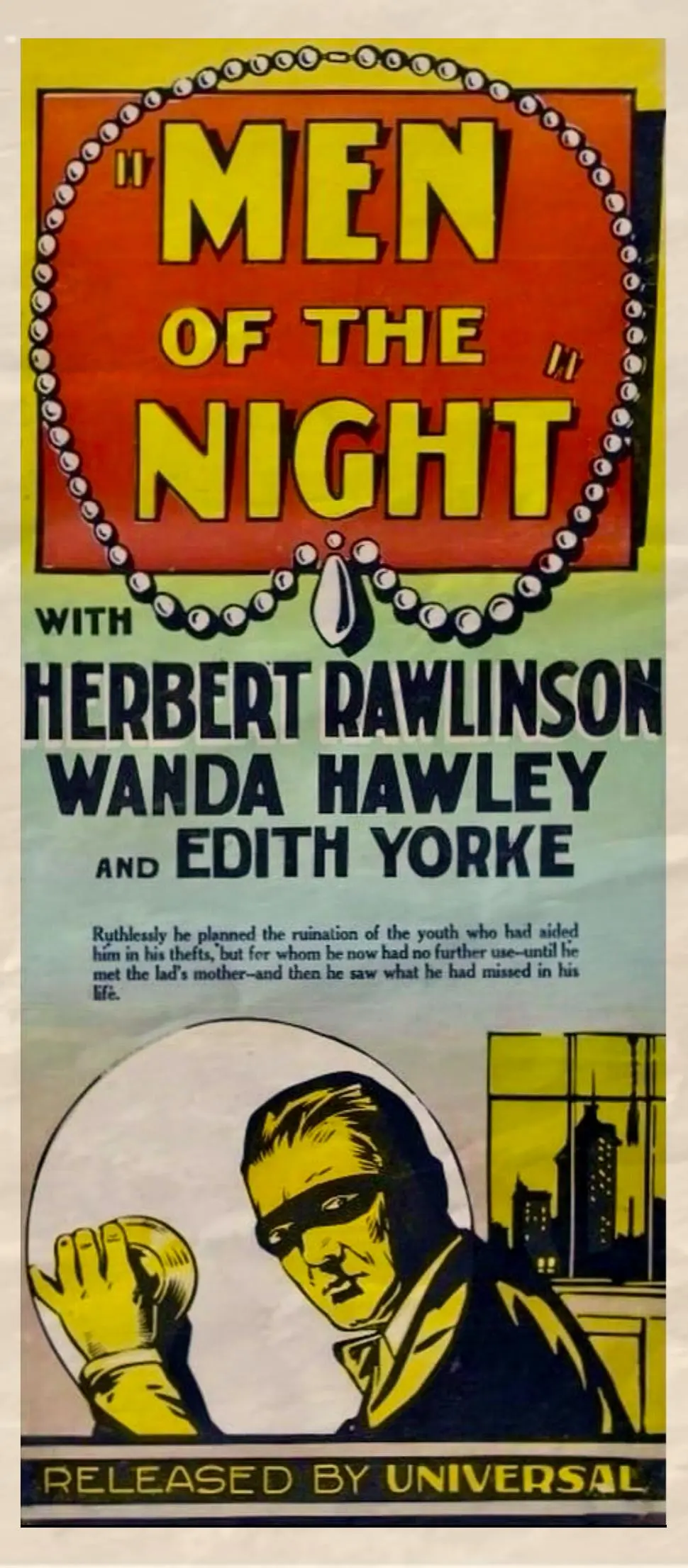
Is Men of the Night worth watching today? Short answer: Only if you have a deep-seated affection for the 'moral reform' melodramas of the silent era or a scholarly interest in how 1920s cinema handled the concept of the criminal front.
This film is specifically for those who enjoy character studies of elderly protagonists and don't mind a healthy dose of convenient coincidences. It is absolutely not for viewers who demand gritty realism, fast-paced action, or a plot that doesn't rely on a 'long-lost relative' reveal to resolve its tension.
1) This film works because it places an elderly woman at the center of a criminal conspiracy, providing Mathilde Brundage with a role that demands more than just being a background grandmother.
2) This film fails because the final act pivots into a territory of absurdity that even the most forgiving silent film fans might find difficult to swallow, undermining the stakes established in the first hour.
3) You should watch it if you want to see how early Hollywood balanced the line between a heist thriller and a sentimental domestic drama.
For the modern viewer, Men of the Night functions more as a historical artifact than a gripping piece of entertainment. While the premise of using an elderly woman’s 'transparent honesty' as a shield for a gold-melting operation is genuinely clever, the execution is hampered by the era's penchant for extreme sentimentality. If you can look past the heavy-handed moralizing, there is a fascinating look at the 1920s obsession with social class and redemption.
Mathilde Brundage carries the weight of the film on her shoulders. In an era where acting was often broad and pantomimic, Brundage brings a certain stillness to Mrs. Abbott. In the scenes where she is hawking newspapers, you can feel the physical toll of her character's poverty. It’s a grounded performance that stands in stark contrast to the more theatrical movements of her co-stars. When she is taken in by Dodds and Dick, her transition from skepticism to maternal warmth feels earned, even if the script rushes the process.
The chemistry between Brundage and Gareth Hughes (Dick Foster) is the emotional anchor of the film. Hughes plays Dick with a restless energy that suggests a man not entirely comfortable with his life of crime. There is a specific moment in the art shop where Dick calls her 'Mother' for the first time; the look of genuine, startled joy on Brundage's face is one of the few truly human moments in a film otherwise preoccupied with plot mechanics. It reminds me of the emotional beats found in The Ragamuffin, where social outcasts find solace in unconventional family units.
Directorially, the film is most interesting when it focuses on the dichotomy of the art shop. The front room is all elegance and high-society pretense, while the back room—where the remolding of gold and silver occurs—is a dark, industrial space of transformation. This visual metaphor for the characters' double lives is effective, if not subtle. The lighting in these backroom scenes is surprisingly moody for 1926, utilizing shadows to obscure the faces of the men as they commit their crimes. This noir-lite aesthetic is similar to what we see in An Affair of Three Nations, though Men of the Night lacks that film's broader international stakes.
The pacing, however, is where the film struggles. The middle section, which focuses on the burgeoning romance between Dick and Trixie (Wanda Hawley), feels like it belongs to a completely different movie. While Wanda Hawley is charming as the bookkeeper, her subplot slows the momentum of the criminal investigation to a crawl. The film spends far too much time on Trixie’s ledgers and not enough on the growing suspicion Mrs. Abbott feels toward her benefactors. It works. But it’s flawed.
The sequence involving the robbery of Lady Broderick’s home is the film's climax, but it serves more as a vehicle for Mrs. Abbott's martyrdom than as a suspense set-piece. When she follows the men to the estate, the cinematography captures the tension of the dark hallways, but the logic of her capture is strained. She is found at the safe, and the immediate assumption is that this elderly woman is a master thief. While this highlights the legal system's fallibility, it feels like a forced narrative beat to get us to the courtroom.
The courtroom scene is a classic silent film trope: the tearful confession. Gareth Hughes delivers a performance here that is almost painfully earnest. His confession and the subsequent clearing of Mrs. Abbott’s name are handled with the kind of swift justice rarely seen outside of a 1920s screenplay. The judge’s decision to set him free because he believes Dick will reform is a staggering display of judicial leniency that would never fly in a modern script, but it fits the 'redemption is possible' theme of the decade, much like the resolution in Josselyn's Wife.
Then we come to the ending. The revelation that Mrs. Abbott is the long-lost sister of Lady Broderick and an heiress to an English estate is, quite frankly, a bridge too far. It’s a 'deus ex machina' that removes any of the gritty social commentary the film had established. Instead of a story about a woman overcoming poverty through her own resilience, it becomes a story about a woman being saved by her bloodline. It’s a lazy resolution that was common in films like The Firing Line, where class status is often revealed to be a birthright rather than an achievement.
The film wants to have its cake and eat it too: it wants the grit of the streets and the glamour of the aristocracy, but it fails to connect them with anything other than a wild coincidence.
Pros:
Cons:
Men of the Night is a fascinating, if deeply flawed, example of 1920s storytelling. It excels when it focuses on the relationship between the elderly vendor and the young criminal, exploring themes of surrogate motherhood and moral ambiguity. However, it falters when it tries to satisfy the audience's desire for a 'happily ever after' through a series of absurd plot contrivances. It’s a movie that starts as a crime drama and ends as a fairy tale, and the two halves don't quite fit together. If you've already seen the likes of Tiger Rose or Gridiron Glory and are looking for something with a bit more of a maternal edge, it’s worth a look. Just don’t expect the logic to hold up under any modern scrutiny. It is a period piece in the truest sense—charming, dated, and occasionally brilliant in its simplicity.
IMDb 7
1925
Community
Log in to comment.