DbcultAccessing Vault...
7.8/10
Senior Film Conservator
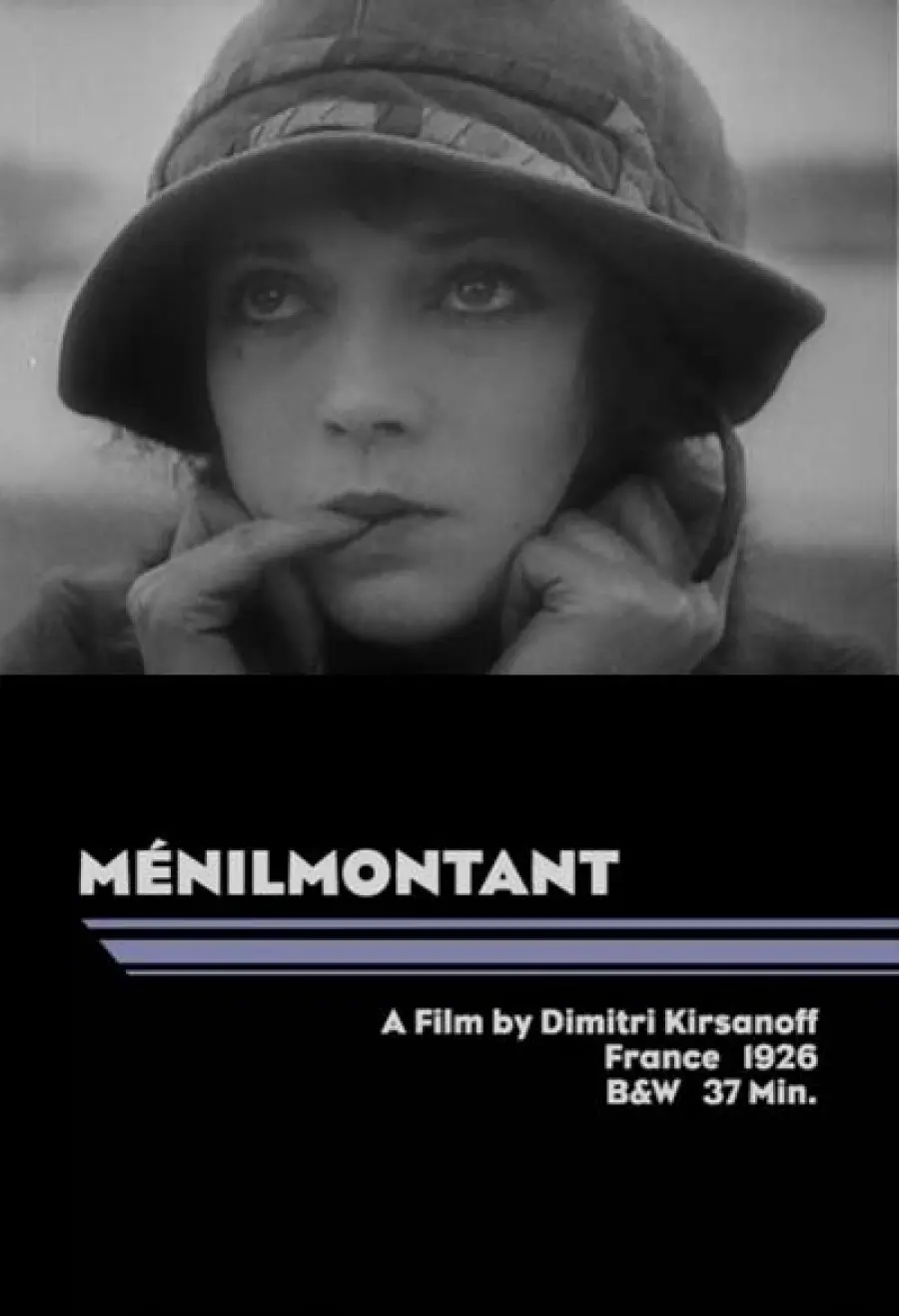
A definitive 7.8/10 rating for a film that redefined the boundaries of cult cinema. Ménilmontant remains a cornerstone of transgressive art.
Is Dimitri Kirsanoff's 1926 silent film, Ménilmontant, still worth watching today? Short answer: absolutely, but with crucial caveats. This film is an essential experience for cinephiles, students of early cinema, and those who appreciate raw, emotional storytelling unburdened by dialogue. However, it will likely test the patience of viewers accustomed to modern pacing and explicit narrative exposition. It demands an active, engaged viewer, willing to surrender to its unique visual language.
This film works because of its audacious visual storytelling and the visceral performances at its core. It fails because its narrative, while emotionally potent, can feel elliptical to contemporary eyes, occasionally prioritizing mood over clarity. You should watch it if you're seeking a profound, often harrowing, dive into the emotional capabilities of silent cinema, or if you're interested in the social realism that often permeated European films of the era.
Dimitri Kirsanoff’s Ménilmontant is not merely a film; it is an experience, a visceral plunge into the stark realities of Parisian life for the dispossessed in the 1920s. From its brutal opening — a shocking, abrupt murder that leaves two young sisters orphaned — the film establishes a tone of unrelenting, almost poetic despair. This isn't a romanticized Paris of cafes and couture; this is the gritty, indifferent city that chews up and spits out its most vulnerable. Kirsanoff, a master of visual economy, wastes no time in stripping away any illusion of comfort or security.
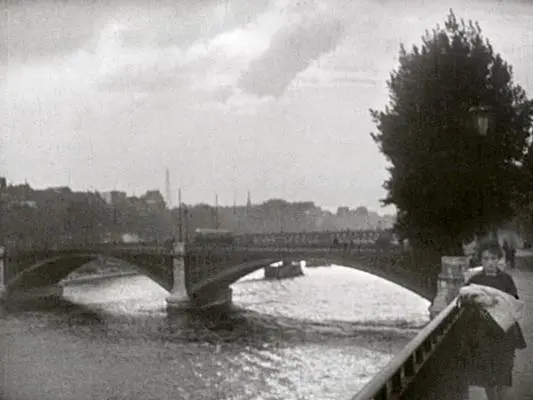
What truly sets Ménilmontant apart is its unapologetic embrace of expressionistic camerawork and montage. Kirsanoff doesn't just show you events; he makes you feel them, often through a whirlwind of rapid cuts, close-ups that magnify every flicker of emotion, and an almost dreamlike fluidity between scenes of crushing realism and moments of psychological intensity. It's a style that predates and, arguably, influenced much of what we associate with later French poetic realism.
The film's core strength lies in its ability to communicate profound emotional states without a single spoken word. Every gesture, every glance, every tear from Nadia Sibirskaïa, in particular, carries the weight of a thousand dialogues. Her performance is a testament to the power of silent acting, a raw, unvarnished portrayal of despair and fleeting hope that resonates deeply. It’s a performance that transcends its era.
Kirsanoff’s direction of Ménilmontant is nothing short of audacious. He treats the camera not as a passive observer but as an active participant in the characters’ psychological states. The opening murder sequence, for instance, is a masterclass in tension and shock. It’s not just the violence itself, but the way Kirsanoff fragments the action, using quick, disorienting cuts that mirror the sudden, brutal disruption of the family's peace. This isn't about gore; it's about the shattering impact of an event.
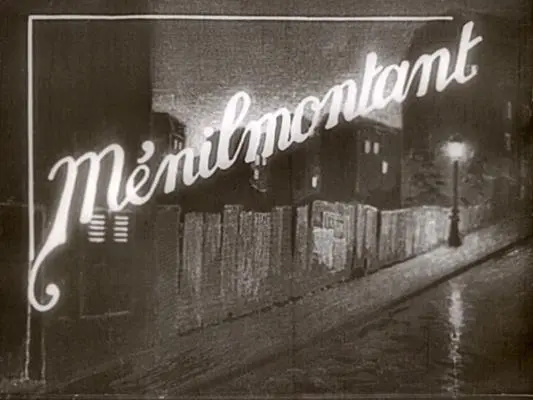
The cinematography, often credited to Kirsanoff himself, is the film's beating heart. The use of natural light, the stark contrasts between shadow and illumination in the Parisian streets, and the intimate, often unflinching close-ups of his actors' faces are revolutionary for their time. Consider the scene where the younger sister, played by Nadia Sibirskaïa, wanders through the bustling, uncaring city after her parents' death. Kirsanoff employs superimpositions and rapid dissolves to convey her disorientation and overwhelming sense of loss amidst the indifferent crowd. It’s a powerful visual metaphor for urban alienation.
There's a particular sequence where the two sisters, now older and struggling, huddle together for warmth against a grimy tenement wall. The camera lingers, not just on their faces, but on the texture of their threadbare clothes, the cold stone, and the distant, blurry outlines of the city. This isn't just showing poverty; it’s making you feel the biting cold, the bone-deep weariness, and the fragile bond that holds them together. It’s a triumph of atmosphere over exposition.
The cast of Ménilmontant delivers performances that are both understated and profoundly impactful. Nadia Sibirskaïa, as the younger sister, is the film's emotional anchor. Her face, often framed in exquisite close-ups, becomes a canvas for grief, longing, and quiet desperation. There’s a scene where she discovers her lover’s betrayal, and her reaction—a slow, agonizing realization that contorts her features—is more devastating than any scream could be. It's a masterclass in non-verbal communication, conveying heartbreak with just a subtle shift in her gaze and the trembling of her lips.
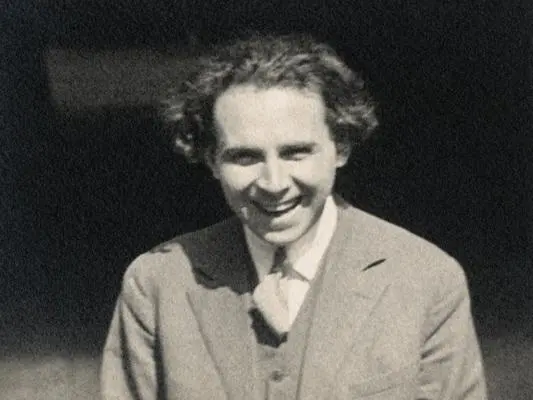
Yolande Beaulieu, as the elder sister, provides a compelling contrast. Her character is often portrayed with a harder edge, a resilience born of necessity, yet beneath it, we see glimpses of her own vulnerability and yearning for affection. Their dynamic, especially when both become entangled with the same Parisian thug (M. Ardouin), is depicted with a nuanced understanding of human frailty and the complex bonds of sisterhood. Ardouin himself, as the object of their conflicted affections, projects a dangerous charm that feels authentically menacing, a silent predator in the urban jungle.
This film is a stark reminder that true cinematic power does not require dialogue, only vision and raw, human truth. Its emotional punch is undeniable.
The pacing of Ménilmontant might surprise modern viewers. While it features moments of rapid-fire montage, particularly during its more dramatic sequences, much of the film unfolds at a deliberate, almost observational pace. This allows the audience to fully absorb the weight of the sisters' circumstances, to sit with their despair and witness their small victories and crushing defeats. It’s a slow burn that builds an overwhelming sense of melancholic inevitability.
The tone is predominantly one of social realism, infused with a deep undercurrent of fatalism. There’s a pervasive sense that these characters are largely at the mercy of their environment and their own human failings. Yet, within this bleak landscape, Kirsanoff occasionally injects moments of startling beauty or poignant tenderness, like a fleeting smile or a shared glance of understanding between the sisters. These moments, however brief, serve to heighten the tragedy rather than alleviate it, making the overall despair even more profound.
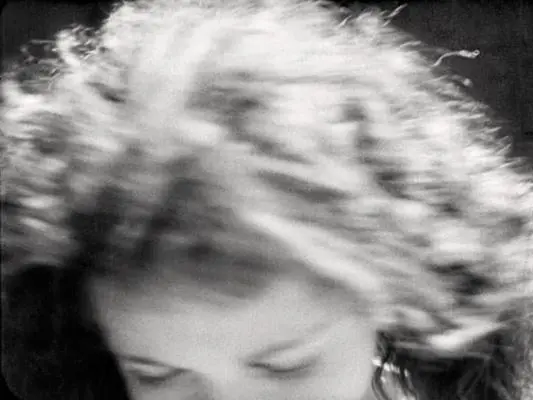
The film’s tone is consistently somber, mirroring the grim reality of its characters. There are no grand heroic arcs, only the struggle for survival and dignity in a world that offers little of either. This unflinching honesty is one of its most enduring qualities, a testament to Kirsanoff’s artistic integrity.
The narrative structure of Ménilmontant is deceptively simple, yet profoundly impactful. It follows a linear progression from tragedy to the fragmented lives of the sisters, but the storytelling itself is highly impressionistic. Kirsanoff often relies on visual cues and emotional resonance rather than explicit plot points to advance the story. This requires the viewer to actively engage, to interpret the unspoken narratives unfolding on screen.
Thematic depth is abundant. At its core, the film explores themes of innocence lost, the harsh realities of urban poverty, the complex bonds of sisterhood, and the destructive nature of desire. The Parisian thug character, though not deeply explored, serves as a catalyst for the sisters' ultimate separation, embodying the dangerous allure and inevitable heartbreak that can ensnare the vulnerable. The film suggests that survival often comes at a steep emotional cost, and that love, even in its most desperate forms, can be a double-edged sword.
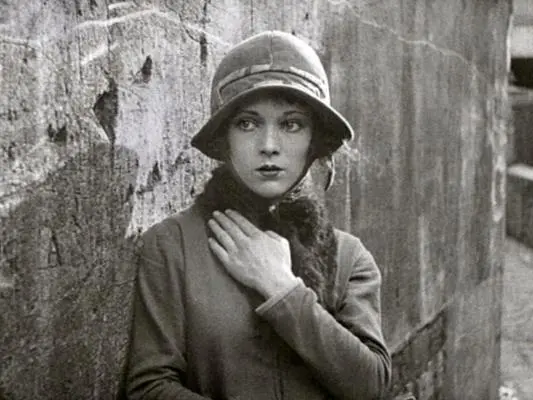
One unconventional observation is how Kirsanoff uses the urban environment itself as a character. The streets, the tenements, the bridges – they are not just backdrops but active forces, shaping and constraining the lives of the sisters. The city is a labyrinth, a prison, and occasionally, a fleeting source of anonymous solace. This personification of place is remarkably effective and elevates the film beyond a simple melodrama.
Despite its age, Ménilmontant continues to resonate. Its exploration of urban alienation, economic hardship, and the emotional toll of survival feels remarkably contemporary. The film’s visual language, far from being dated, offers a refreshing alternative to the dialogue-heavy productions of today. It forces you to truly see, to interpret expressions and movements in a way that modern cinema rarely demands.
For those interested in the evolution of film as an art form, it provides invaluable insight into the experimental spirit of silent cinema. Kirsanoff’s techniques, particularly his use of montage and close-ups, were groundbreaking and paved the way for future cinematic innovations. It's a vital piece of film history, demonstrating the raw power of the medium at its most expressive.
However, it’s not for everyone. If you struggle with the lack of sound or find the slower, more contemplative pace of silent films challenging, Ménilmontant will be an uphill battle. But for those willing to meet it on its own terms, the rewards are immense. It’s a film that stays with you, long after the final frame.
Ménilmontant is a film that demands to be seen, not just as a historical artifact, but as a vibrant, emotionally potent piece of cinema. It works. But it’s flawed. Kirsanoff’s bold directorial choices, combined with the raw, unforgettable performance of Nadia Sibirskaïa, create an experience that is both harrowing and deeply beautiful. It is an extraordinary example of visual storytelling, proving that the silent era was anything but silent in its emotional impact. While its pacing and narrative style may not cater to every taste, for those willing to engage with its unique language, the film offers a profound and lasting impression. It's a challenging watch, certainly, but one that rewards patience with a searing insight into the human condition. I wholeheartedly recommend it for anyone serious about understanding the true expressive power of film.
If you enjoyed the raw, experimental spirit of this era, you might also appreciate the visual poetry found in films like Khleb or the early character studies seen in Family Life, though each offers its own distinct flavor of cinematic artistry.
IMDb 6.1
1933
Community
Log in to comment.