DbcultAccessing Vault...
6.9/10
Senior Film Conservator
A definitive 6.9/10 rating for a film that redefined the boundaries of cult cinema. Menschen untereinander remains a cornerstone of transgressive art.
Is Menschen untereinander worth your time nearly a century after its release? Short answer: Yes, but only if you have the stomach for a film that offers no easy exits and refuses to sugarcoat the misery of the human condition. This is not the glitzy, cabaret-infused Berlin often depicted in modern media; it is a cold, damp, and claustrophobic look at the people who were left behind by the economic shifts of the 1920s.
This film is for the cinephile who treats movies as historical artifacts and social mirrors. It is for those who appreciate the 'Zille-Filme' aesthetic—a style of social realism that values honesty over escapism. It is absolutely NOT for anyone seeking a lighthearted silent comedy or a fast-paced thriller. If you cannot handle long takes of emotional suffering or a plot that prioritizes atmosphere over traditional heroics, you should look elsewhere.
1) This film works because it uses the physical structure of a tenement building to visualize the social strata of Berlin, making the architecture itself a character that traps and defines its inhabitants.
2) This film fails because its massive ensemble cast, while impressive, occasionally leads to a fragmented narrative that prevents the audience from fully connecting with the more peripheral characters.
3) You should watch it if you want to see the stylistic bridge between German Expressionism and the grit of New Objectivity, or if you are interested in the roots of the modern ensemble drama.
In 1926, Gerhard Lamprecht didn't just make a movie; he performed a social autopsy. Unlike the distorted, jagged sets of Mystic Faces, the world of Menschen untereinander is terrifyingly real. The staircase of the building serves as the central nervous system of the film. It is where the classes collide—where the government assessor brushes shoulders with the criminal element. Lamprecht uses the camera to climb these stairs, and with every floor, the lighting shifts from the sterile brightness of the upper class to the murky, oppressive shadows of the basement dwellers.

Consider the scene where the assessor’s wife is taken to prison. The contrast between her refined features and the cold, gray stone of the cell is jarring. There is no music to tell you how to feel—only the stark, visual evidence of a life being dismantled. Lamprecht’s direction is clinical. He doesn't beg for your sympathy; he demands your observation. This is a far cry from the more sentimental approach seen in films like Wienerbarnet. Here, the tragedy is systemic, not accidental.
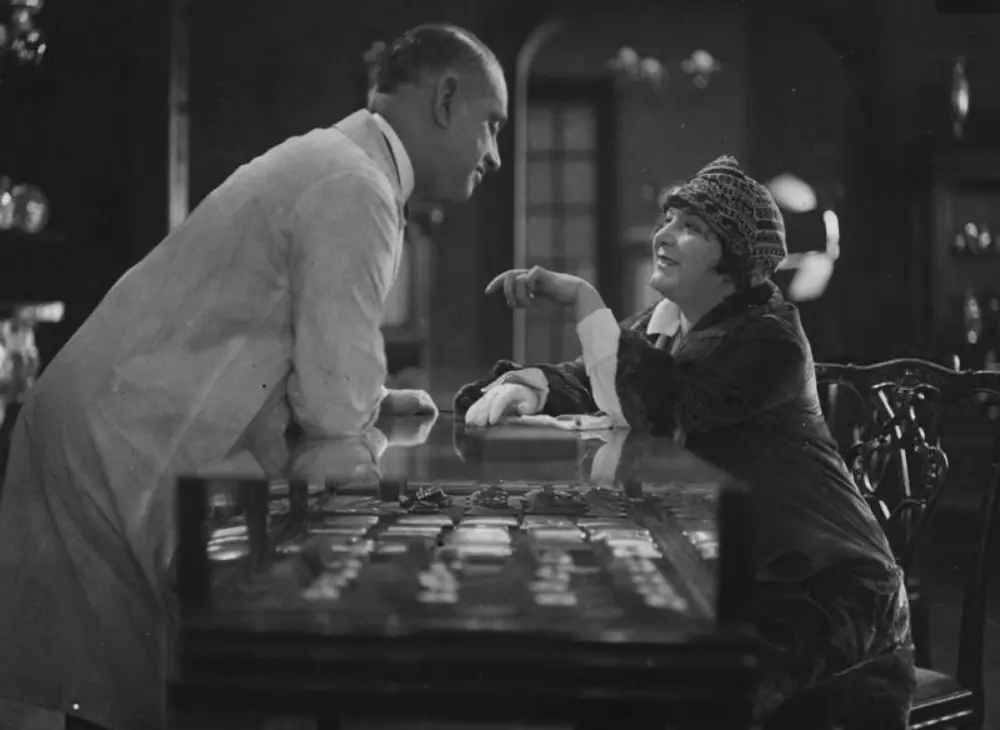
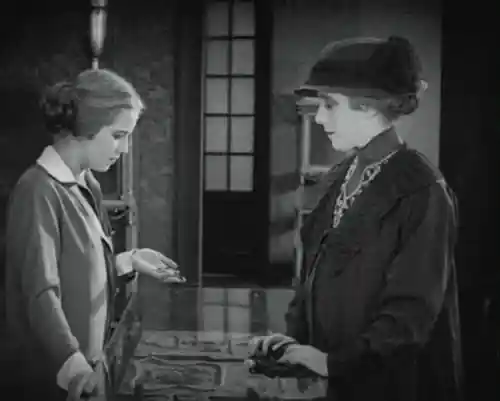
The film’s power lies in its specificity. When the landlady is swindled by the diamond seller, we don't just see her lose money; we see the collapse of her identity. She isn't just a victim of a crime; she is a victim of her own desperate need to belong to a class that doesn't want her. The 'diamonds' are a metaphor for the false promises of the Weimar Republic—sparkling on the surface, but worthless under scrutiny. It’s a brutal observation. It works. But it’s deeply uncomfortable.

Alfred Abel delivers a performance that is almost painful to watch. Known for his later role in Metropolis, Abel here plays the government assessor with a rigid, brittle dignity. Every movement is controlled, every facial expression a mask of bureaucratic indifference—until it cracks. The moment he learns of his wife giving birth in prison is a masterclass in silent acting. He doesn't wail; he simply sags. The weight of the social shame is visible in the way he holds his shoulders. It is a subtle, haunting turn that stands in contrast to the more theatrical performances of the era.
Aud Egede-Nissen, who we see in a different light in The Sea Master, brings a flighty, tragic energy to the landlady. She plays the character with a nervous vanity that makes the eventual swindle feel inevitable. You want to look away, but her performance pulls you in. She represents the 'new' Berlin—hungry, superficial, and dangerously naive. The chemistry between the massive cast is surprisingly fluid, though the sheer number of subplots can be dizzying. At times, the film feels like it’s trying to capture the entire city in a single bottle, which is both its greatest strength and its most significant flaw.
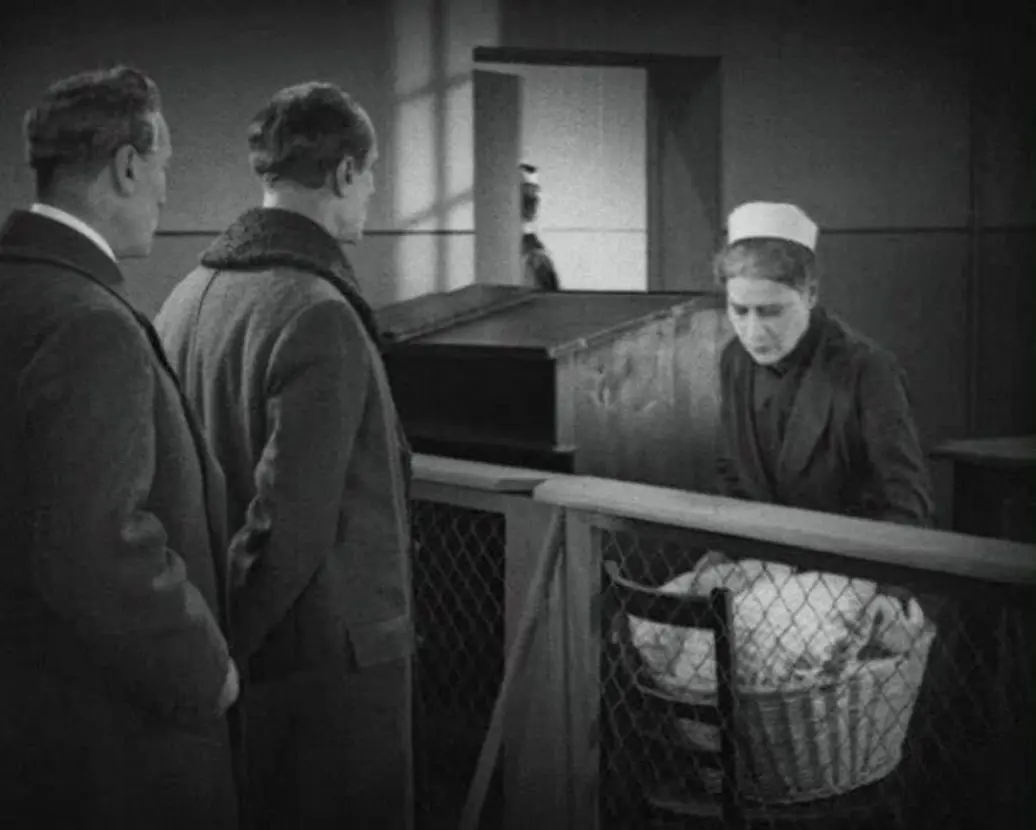
Lamprecht’s collaboration with Luise Heilborn-Körbitz resulted in a script that is remarkably dense. They avoid the easy tropes of the 'fallen woman' or the 'noble poor.' Instead, they present characters who are often their own worst enemies. The pacing is deliberate—some might say slow—but it serves a purpose. It mimics the slow grind of poverty. There are no sudden rescues. If you are looking for the adventurous spirit of Trapped in the Air, you will be disappointed. This is a film about being stuck.
The cinematography by Karl Hasselmann is revolutionary for its time. He uses deep focus to show the activity in the background of the tenement, reminding us that while one tragedy is unfolding, a dozen others are just beginning in the next room. This creates a sense of overwhelming claustrophobia. You feel the presence of the other tenants even when they aren't on screen. It’s a technique that predates the sophisticated ensemble staging we see in modern cinema by decades.
Yes, Menschen untereinander is a vital watch for anyone interested in the history of social realism. It provides a raw, unfiltered look at 1920s Berlin that avoids the romanticized tropes of the era. While the pacing can be demanding, the emotional payoff and historical insight make it a rewarding experience for serious film enthusiasts.
Pros:
- Exceptional social commentary that remains relevant today.
- Masterful use of set design to reflect class hierarchy.
- A rare, unvarnished look at the legal and prison systems of the 1920s.
- Strong, nuanced performances from a legendary silent film cast.
Cons:
- The 120-minute runtime can feel excessive for modern audiences.
- Some subplots are significantly more engaging than others, leading to uneven pacing.
- The lack of a central 'hero' may frustrate those used to traditional narratives.
Menschen untereinander is a difficult, demanding, and ultimately brilliant piece of cinema. It doesn't care if you like its characters; it only cares that you see them. It is a film that stares directly into the sun of human suffering and doesn't blink. While it lacks the kinetic energy of Pals First or the high-stakes drama of The Seekers, it possesses a quiet, devastating power all its own. It is a landmark of the 'Zille-Filme' genre and a necessary document of a world on the brink of collapse. If you have the patience, it will haunt you long after the final title card fades. It is a masterpiece of misery, and in the world of silent film, that is a rare and precious thing.
IMDb 7.2
1913
Community
Log in to comment.