DbcultAccessing Vault...
7/10
Senior Film Conservator
A definitive 7/10 rating for a film that redefined the boundaries of cult cinema. Menschenleben in Gefahr remains a cornerstone of transgressive art.
Does Menschenleben in Gefahr still deliver the thrills it promised to audiences in 1926? Short answer: yes, but primarily as a frantic, fascinating artifact of physical cinema rather than a cohesive narrative experience.
This film is a mandatory watch for those obsessed with the history of stunt-work and the 'Sensationsfilm' genre. However, it is absolutely not for viewers who demand tight plotting or the psychological complexity usually associated with German silent classics.
1) This film works because Luciano Albertini’s physical presence is undeniable; he performs feats that would make a modern insurance adjuster faint.
2) This film fails because the script by Curt J. Braun and Wilhelm Stücklen treats the plot as a mere clothesline for the next action sequence.
3) You should watch it if you want to see the raw, unpolished blueprint for the modern action hero before CGI replaced genuine risk.
Luciano Albertini was not an actor in the traditional sense. He was a force of nature. In Menschenleben in Gefahr, his performance isn't found in his facial expressions, which often remain stoic to the point of woodenness, but in the way he moves through space. There is a specific scene where Albertini scales a structure that feels genuinely life-threatening. You can see the tension in his muscles; there are no wires, no green screens, and very little trick photography. It is raw.
Comparing his style to the more refined movements seen in The Marionettes, Albertini feels like a bull in a china shop. He represents a specific moment in cinema where the 'attraction' was the primary draw. People didn't go to see Menschenleben in Gefahr for the subtext. They went to see if the leading man would survive the production. It is a brutal, honest form of entertainment that has largely been lost in the digital age.
The direction leans heavily into this athleticism. Every camera angle is chosen to emphasize height, speed, or the precariousness of a situation. When Albertini is in motion, the film finds its rhythm. When he stops to engage in dialogue (via intertitles), the energy vanishes. It’s a jarring experience. It works. But it’s flawed.
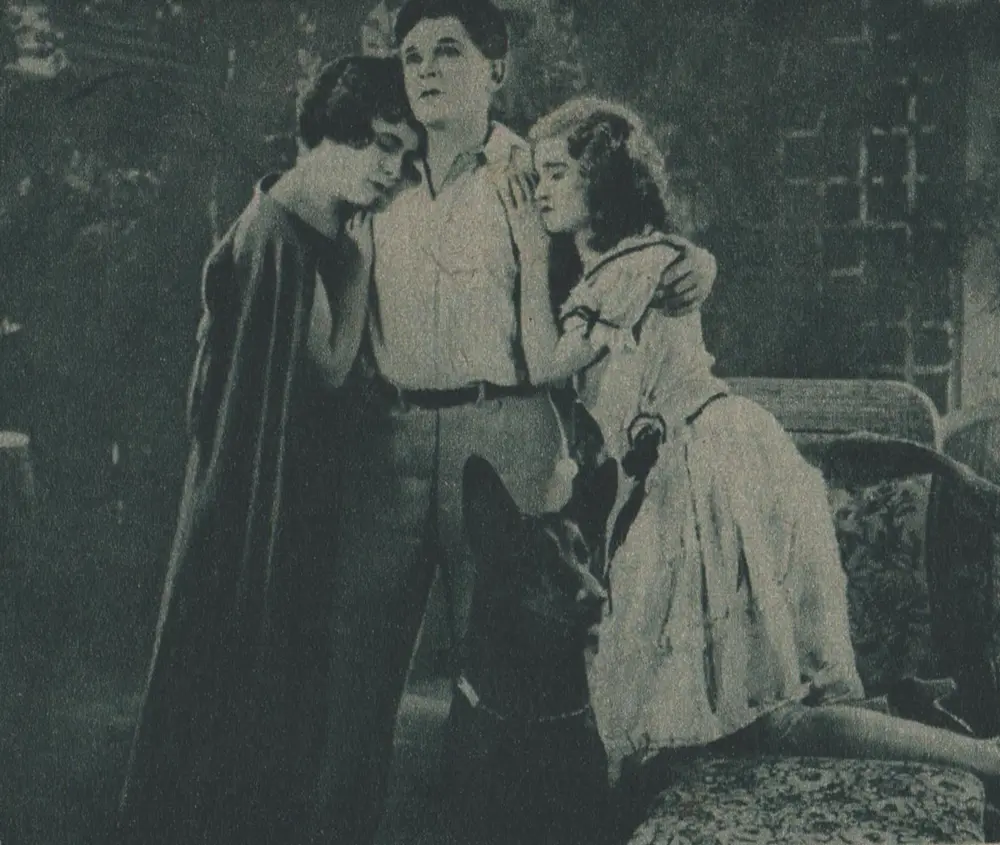
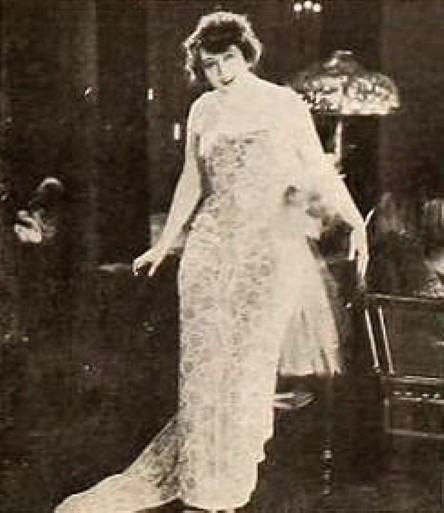
While Albertini handles the 'danger' mentioned in the title, Ruth Weyher is tasked with the 'human' element. Her role is often relegated to the damsel or the concerned observer, a common trope of the time also seen in films like Lily of the Dust. However, Weyher brings a level of sophistication to the screen that Albertini lacks. Her eyes convey the stakes that the script often fails to articulate.
There is a moment of quiet reflection before the final act where Weyher’s character realizes the gravity of the situation. The way she uses her hands—clutching a shawl, a nervous flutter at her throat—is a masterclass in silent film acting. It provides a necessary counterpoint to the masculine bravado. Without her, the film would be nothing more than a circus reel. She gives the audience a reason to care if Albertini falls.
The chemistry between the two is functional, if not electric. They represent two different schools of cinema: the theatrical and the athletic. Watching them share a frame is like watching a ballet dancer perform alongside a professional wrestler. It shouldn't work, yet it creates a unique tension that keeps the viewer engaged through the slower middle sections.
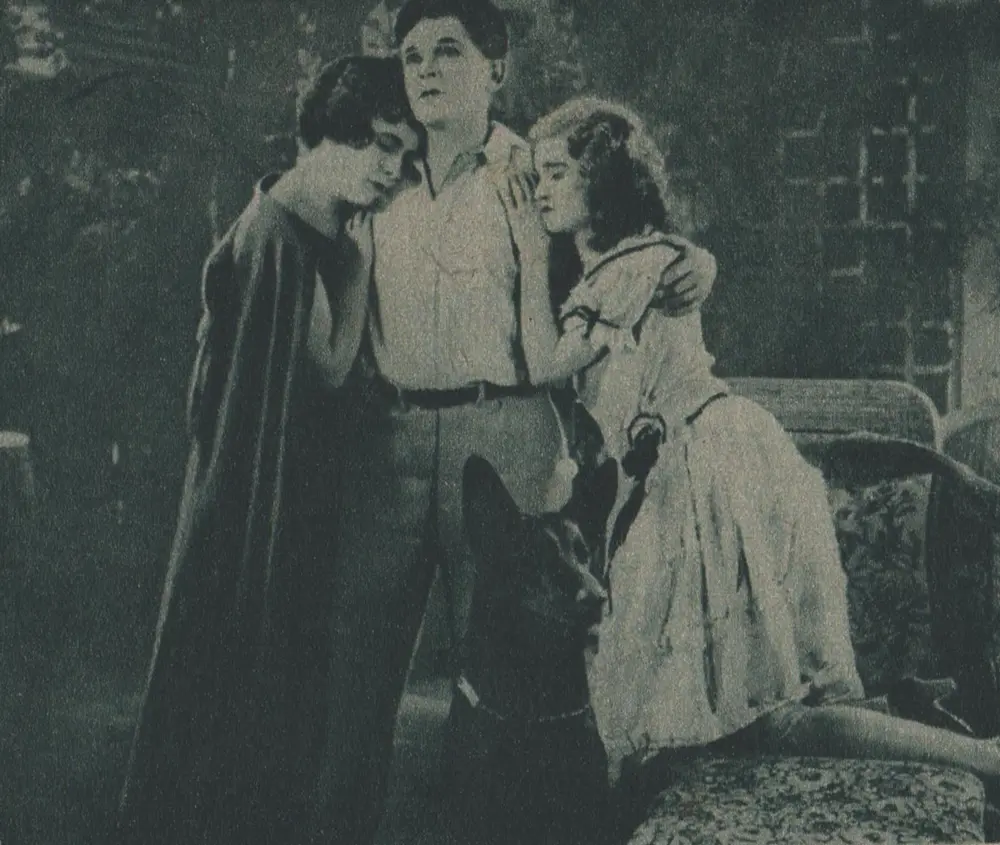
Visually, Menschenleben in Gefahr sits in a strange middle ground. It lacks the heavy shadows and distorted sets of the high-expressionist movement, yet it utilizes the sharp, clear lighting that would become a staple of the thriller genre. The outdoor sequences are particularly impressive. The filmmakers used natural light to create a sense of realism that makes the stunts feel even more grounded.
Consider the framing of the chase sequences. The camera isn't static; there is a palpable sense of movement, a precursor to the handheld urgency we see in modern cinema. This is a far cry from the more static, stage-like presentation of Tennessee's Pardner. The editors were clearly experimenting with the Kuleshov effect, cutting between the danger and the reaction shots to build a frantic pace that was ahead of its time.
However, the pacing is inconsistent. The film suffers from 'middle-act bloat,' where the narrative spins its wheels to reach the feature-length runtime. There are subplots involving secondary characters like those played by Raimondo Van Riel that feel like distractions. These moments lack the visual punch of the action scenes and often feel like they belong in a different, much duller film.
If you are looking for a masterpiece of German storytelling, look elsewhere. If you want to understand the evolution of the action genre, this is a vital text. It represents the transition from the short 'trick' films of the early 1900s to the structured feature-length thrillers of the 1930s. It is a bridge between two worlds.
The film’s greatest strength is its lack of pretension. It knows exactly what it is: a vehicle for thrills. In an era where many films were trying to be 'high art,' Menschenleben in Gefahr was content to be high energy. That honesty is refreshing, even a century later. It doesn't hide behind metaphors. The danger is real, the lives are at risk, and the camera is there to capture every second of it.
Pros:
Cons:
When we talk about 1926 German cinema, we usually talk about the heavy hitters of UFA. But films like Menschenleben in Gefahr were the actual bread and butter of the industry. They were the blockbusters. By looking at this film alongside something like Black Friday, we get a fuller picture of what audiences actually wanted. They wanted to be amazed. They wanted to see things they couldn't see in their daily lives.
The writing by Curt J. Braun is efficient, if not inspired. He understands how to build a sequence, even if he doesn't quite know how to build a world. The dialogue titles are sparse, which is a blessing. The film relies on visual storytelling, which is the purest form of the medium. It’s a reminder that before cinema learned to talk, it learned to run, jump, and climb.
There is a surprising observation to be made here: this film is more 'modern' in its DNA than many of its more famous contemporaries. While the expressionist films influenced the look of cinema (noir, horror), the Sensationsfilm influenced the *feel* of cinema. The modern summer blockbuster owes more to Luciano Albertini than it does to the somnambulists of Caligari. That is a hard truth for film snobs, but an important one.
Menschenleben in Gefahr is a rough, unpolished gem of the silent era. It lacks the polish of Her Honor, the Governor or the thematic weight of Gengældelsens ret, but it possesses a kinetic energy that is infectious. It is a film that demands to be seen on a big screen with a live score to truly appreciate its intended impact.
Is it a masterpiece? No. Is it essential viewing for a cinema historian? Absolutely. It captures a moment in time when the camera was a witness to genuine physical bravery. It’s a film that lives in the muscles and the nerves. It’s flawed, it’s repetitive, and it’s occasionally brilliant. Most importantly, it reminds us that cinema, at its core, is the art of movement.
IMDb —
1920
Community
Log in to comment.