DbcultAccessing Vault...
5.8/10
Senior Film Conservator
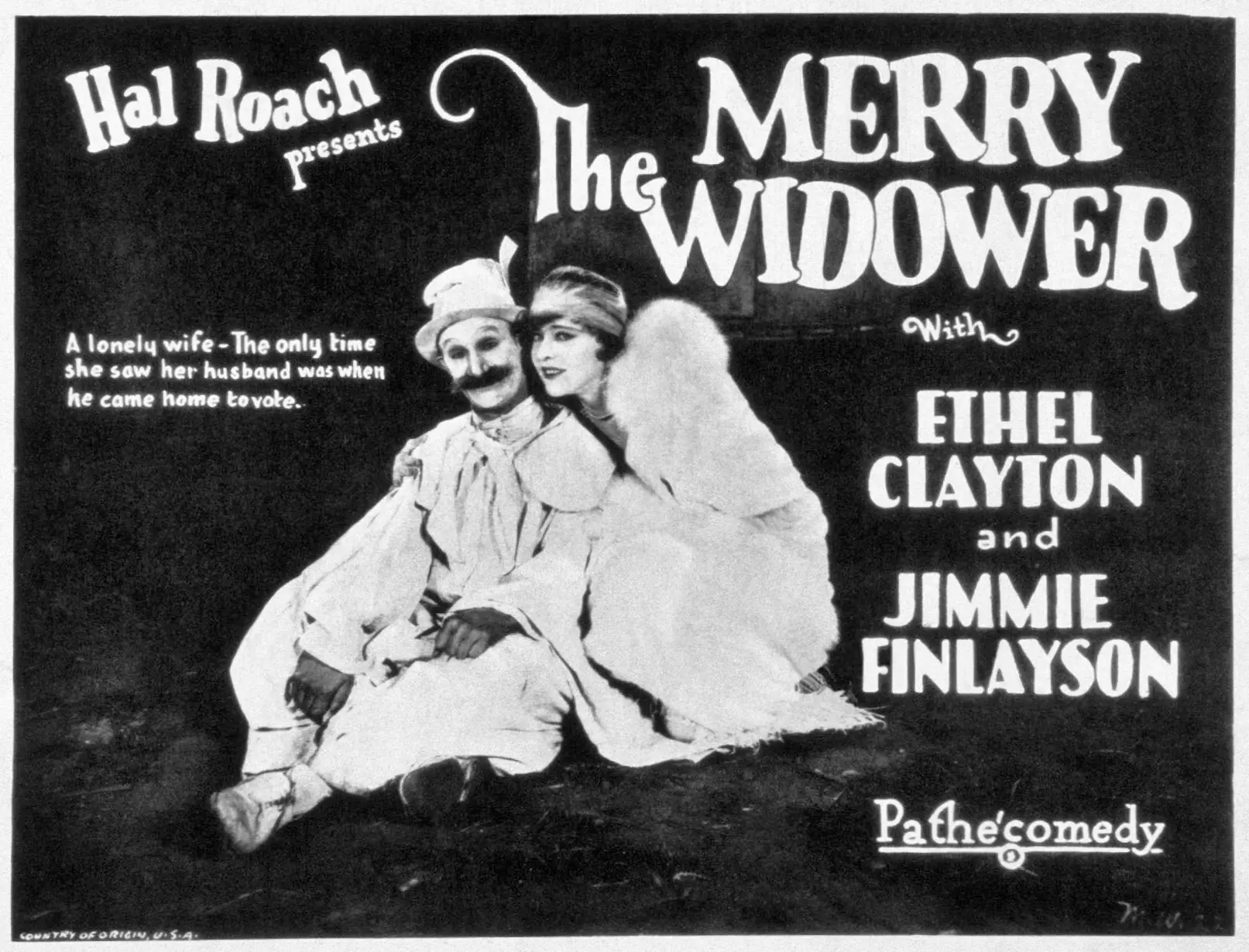
A definitive 5.8/10 rating for a film that redefined the boundaries of cult cinema. Merry Widower remains a cornerstone of transgressive art.
Is this film worth watching today? Short answer: Yes, but only if you appreciate the rhythmic, mustache-twitching chaos of the silent era. This film is a must-see for fans of the Hal Roach studio's specific brand of domestic anarchy, while it is definitely not for those who find the repetitive tropes of 1920s slapstick tiresome or dated.
Merry Widower is a fascinating relic that captures a transition point in cinematic comedy. It sits comfortably between the raw, primitive gags of the early teens and the sophisticated visual storytelling seen in works like Sherlock Jr.. It is a film that relies heavily on the physical charisma of its lead, James Finlayson, whose face acts as a primary special effect.
1) This film works because James Finlayson’s 'slow burn' and 'double-take' are perfectly calibrated to the thin plot.
2) This film fails because the pacing in the first act is sluggish, dwelling too long on the hunting sequences before getting to the central conflict.
3) You should watch it if you want to understand the DNA of 1930s sitcoms and the evolution of the 'neglectful husband' trope.
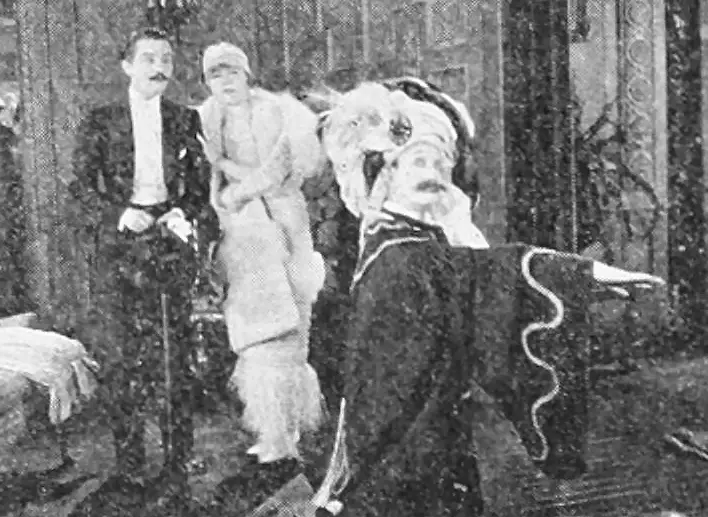
James Finlayson is the engine that drives this short. Known later as the perennial foil to Laurel and Hardy, here he takes center stage. His performance is a masterclass in reactionary acting. In the scene where he first realizes Rudy is courting his wife, Finlayson doesn't just look angry; his entire face collapses and rebuilds itself in a series of twitching muscles.
It works. But it’s flawed. The reliance on his facial expressions sometimes masks a lack of inventive choreography in the middle section. However, when he is on screen, the energy is undeniable. He manages to make a character who is essentially a negligent jerk feel somewhat sympathetic, or at least hilariously pathetic.
Compare this to the stoicism found in The Light That Failed. Where that film uses silence for gravity, Merry Widower uses it for a loud, visual percussion. Every movement is punctuated. Every glance is a punchline. It is the antithesis of subtle.
It is surprising to see six credited writers, including Grover Jones and H.M. Walker, for a film that lasts less than half an hour. This 'gag-room' approach was common at the Roach studio, but in Merry Widower, you can almost see the different hands at work. There is a sharp contrast between the outdoor hunting gags and the indoor domestic ruse.
The hunting sequences feel like leftovers from an earlier, cruder era of comedy. They are functional but predictable. However, the film finds its voice once the fortune teller plot is introduced. This is where the writing shines. The dialogue cards by H.M. Walker are sharp, adding a layer of wit that the visual gags sometimes lack.
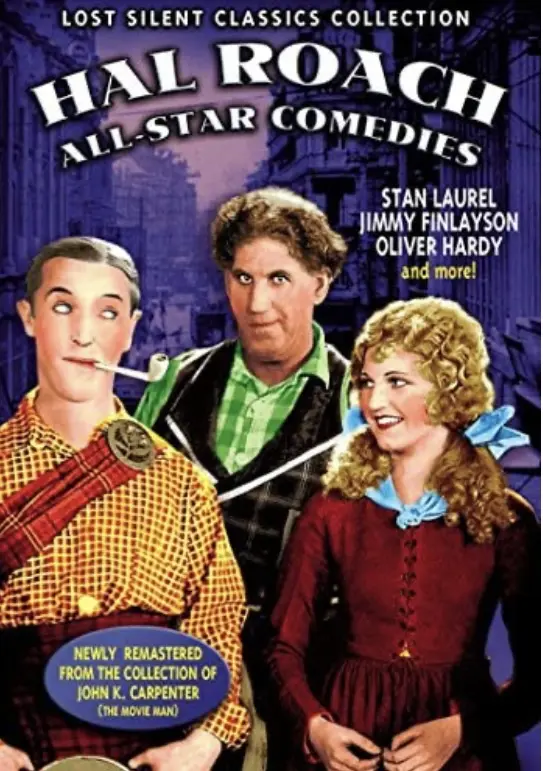
This collaborative effort results in a film that feels dense. There is rarely a wasted frame once the main plot kicks in. Unlike Dinty, which meanders through its narrative, Merry Widower eventually tightens its grip and refuses to let go until the final chaotic frame.
Director Hal Yates, a veteran of the short form, understands the geography of a gag. The scene in the fortune teller's parlor is a standout. The way the characters are positioned—Julius hiding in plain sight while Marie and Rudy interact—is a classic example of 'theatrical' cinema done right.
The cinematography is static, which was standard for the time, but the framing is precise. Yates uses the depth of the room to create tension. We see Julius’s reaction in the background while the foreground remains oblivious. It is a simple trick, but it is executed with surgical precision.
The lighting in the parlor scene also deserves mention. It is slightly moodier than the bright, flat lighting of the outdoor scenes. This shift in tone helps ground the 'supernatural' element of the fortune teller ruse, even if the audience knows it’s a sham. It creates a sense of atmosphere that is often missing from pure slapstick.
One unconventional observation: Merry Widower is surprisingly cynical about marriage. Usually, these shorts end with a saccharine reconciliation. Here, the reconciliation is built on a lie. Julius doesn't necessarily change his ways; he just learns how to manipulate the situation better.
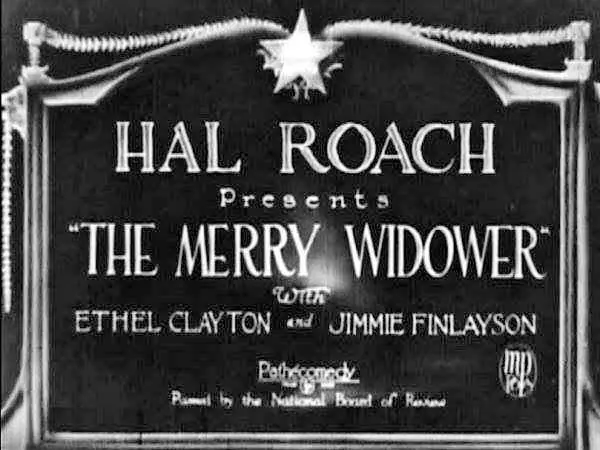
This gives the film a darker undercurrent than its contemporaries like School for Wives. It suggests that in the world of Hal Roach, domestic bliss is just another game of cat and mouse. The wife, Marie, is also not a passive victim. She is proactive in seeking her own happiness, even if it means entertaining a 'dandy' like Rudy.
This complexity is rare for a 1926 short. It elevates the film above mere pratfalls. It makes the characters feel like people with actual, albeit exaggerated, motivations. It’s not just about falling down; it’s about why they are running in the first place.
Is Merry Widower a lost masterpiece? No. But it is a highly entertaining example of the 'Roach style' at its peak. It provides a clear window into the comedic sensibilities of the mid-20s. If you enjoy seeing a man lose his mind over a mustache and a misunderstanding, this is for you.
The film’s brevity is its strength. It doesn't overstay its welcome. It delivers its gags, showcases its star, and exits before the formula becomes stale. For a modern viewer, it serves as a perfect 'palate cleanser' between more serious historical dramas.
Pros:
Cons:
Merry Widower is a loud, proud, and occasionally brilliant short. It proves that James Finlayson was more than just a supporting player; he was a comedic force capable of carrying a narrative on his furrowed brow. While it lacks the technical innovation of Sherlock Jr., it makes up for it with raw, energetic performance. It is a cynical, funny, and briskly paced piece of silent history. It’s not perfect, but it’s a hell of a lot of fun. It works. But it’s flawed. And that’s exactly why it’s worth a look.
IMDb 5.7
1936
Community
Log in to comment.