DbcultAccessing Vault...
Cult Review
Senior Film Conservator
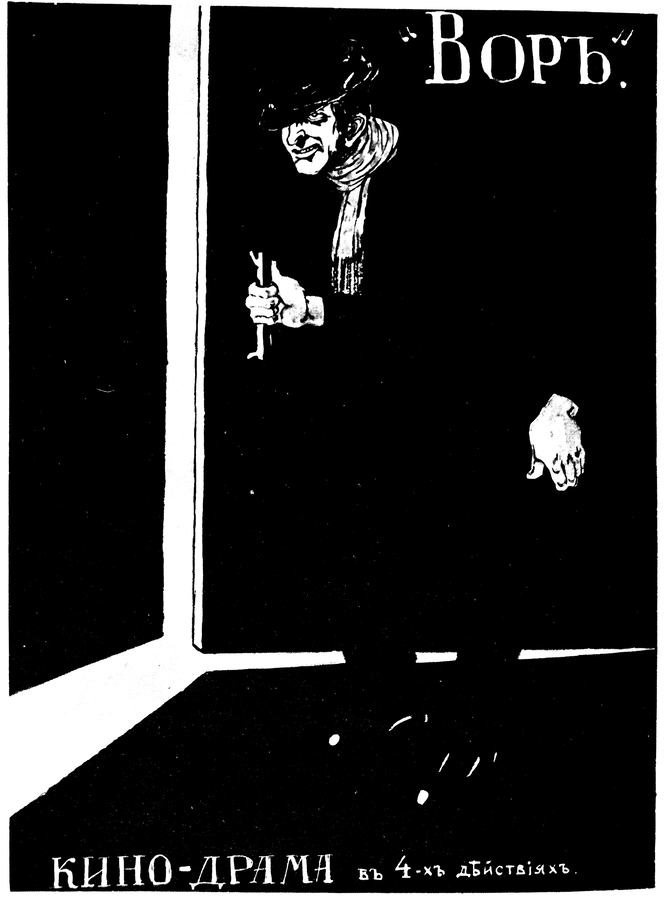
From the very first frame, 'Vor' establishes an atmosphere of profound disquiet, a haunting echo of a world irrevocably broken. This isn't merely a film; it’s an immersive journey into the psychological abyss of post-revolutionary Russia, where the grand narratives of ideology have crumbled, leaving only the stark, brutal reality of human survival. Directors Anatoli Kamensky and Umberto Notari, a formidable creative tandem, have crafted a work that defies easy categorization, weaving together elements of historical drama, psychological thriller, and a poignant character study. It’s a testament to their vision that 'Vor' resonates with such an unsettling authenticity, painting a portrait of moral ambiguity that feels both specific to its era and disturbingly universal. The film doesn't offer comfort or easy answers; instead, it demands introspection, forcing its audience to confront the darkest corners of human nature under duress.
At its core, 'Vor' is a profound exploration of identity in extremis. Ivan Gorskiy, portrayed with an astonishing depth of wounded pride and simmering desperation by Ivan Gorskiy, is a man adrift. His past as a White Army officer, once a source of conviction, now burdens him like an anchor, dragging him further into the mire of self-recrimination. He is a ghost haunting his own life, and Gorskiy’s performance masterfully conveys this internal torment. We witness his struggle not just to survive physically, but to salvage any fragment of his former self, a task that proves increasingly futile in a world where old virtues are liabilities. The narrative, meticulously penned by Kamensky and Notari, refuses to simplify his journey, instead presenting a complex tapestry of choices, each one seemingly justifiable in the moment, yet cumulatively leading to an irreversible moral erosion. This intricate character arc places 'Vor' in conversation with other profound explorations of human degradation, perhaps even echoing the profound moral quandaries found in Hamlet, albeit through a distinctly modern, post-war lens where the internal conflict is amplified by external societal collapse.
The arrival of Vera Baranovskaya, brought to vivid, enigmatic life by Vera Baranovskaya, injects a volatile dynamic into Ivan’s already precarious existence. Vera is not merely a love interest or a plot device; she is a force of nature, a woman sculpted by hardship into a figure of both vulnerability and formidable strength. Her motivations remain tantalizingly opaque for much of the film, a deliberate choice by the writers that enhances the sense of unease and suspicion permeating every interaction. Baranovskaya’s portrayal is a masterclass in subtle defiance and veiled intentions, her eyes conveying volumes that her words often conceal. She embodies the survival instinct of the era, a chameleon adapting to circumstance, yet always hinting at an inner core that remains fiercely independent. Her performance recalls the captivating, morally ambiguous female leads found in classics like Bella Donna, where a woman's agency is both her greatest strength and her most dangerous vulnerability.
The true antagonist, or perhaps more accurately, the catalyst for Ivan and Vera's descent, is Vladimir Maksimov, chillingly rendered by Vladimir Maksimov. Maksimov is not a simplistic villain; he is a product of his environment, a man who has mastered the art of survival through ruthless manipulation and calculated charm. His charisma is a veneer for a profoundly cynical worldview, one that sees human beings as pawns to be moved and discarded. Maksimov’s performance is magnetic, drawing the audience into his orbit even as his actions repel. He represents the new order of power, one born not of ideals but of brute force and opportunistic exploitation. His presence casts a long shadow over every scene, a constant reminder of the pervasive corruption that has seeped into the very fabric of society. The dynamic between Maksimov, Ivan, and Vera is a taut, psychological dance, a dangerous game of cat and mouse where the stakes are not just lives, but souls. This intricate web of deceit and power struggles brings to mind the intricate criminal underworlds depicted in films like The Vampires: Satanas, though 'Vor' grounds its criminality in a more deeply psychological and socio-political context.
The cinematography of 'Vor' is nothing short of breathtaking in its bleakness. Every shot is meticulously composed, transforming the ravaged landscapes and crumbling urban environments into characters in themselves. The visual palette is dominated by muted tones, grays, browns, and the occasional stark white of snow, reflecting the emotional desolation of the characters. The directors employ long takes and deliberate pacing, allowing the audience to truly sink into the oppressive atmosphere. There’s a palpable sense of decay and abandonment that permeates the screen, making the setting feel less like a backdrop and more like an active participant in the characters' downfall. The use of shadow and light is particularly masterful, often obscuring faces or revealing them in stark, unforgiving relief, mirroring the moral ambiguities at play. This deliberate visual storytelling elevates 'Vor' beyond a mere narrative, transforming it into an experiential piece of art. The film's aesthetic evokes the stark realism and existential dread found in works like Silence of the Dead, where the environment itself seems to weigh heavily on the characters' fates.
A pivotal element of the plot revolves around a priceless, stolen icon, imbued with both immense spiritual and historical significance. This object serves as a potent metaphor throughout the film. It represents not just a material prize, but a lost connection to a sacred past, a symbol of faith and tradition that has been profaned and commodified. Its pursuit drives much of the narrative’s external conflict, yet its true impact is felt internally, as its presence forces the characters to confront their own fractured beliefs and the extent of their moral compromises. Is it possible to reclaim something sacred from a world that has lost its soul? The film subtly suggests that perhaps some things, once broken or defiled, can never be truly restored. This symbolic weight gives 'Vor' a philosophical depth that transcends its immediate plot, inviting contemplation on the nature of belief and the relentless march of secular cynicism. The iconic pursuit, laden with spiritual and ethical implications, might draw parallels to the profound quest for meaning in The Dawn of a Tomorrow, though 'Vor' subverts the hopeful undertones with a more fatalistic outlook.
Kamensky and Notari’s screenplay is a masterclass in building tension and developing complex, flawed characters. They resist the temptation to paint anyone in purely black and white strokes, instead presenting a spectrum of moral grays that feel agonizingly real. The dialogue is sparse but impactful, each line weighted with unspoken meanings and simmering resentments. The evolution of Ivan and Vera's relationship, from a partnership of convenience to a fraught, desperate romance, is handled with remarkable sensitivity and brutal honesty. Their intimacy is born not of idyllic circumstances, but of shared trauma and mutual vulnerability, making it all the more fragile and compelling. The writers understand that in a world devoid of external security, human connection becomes both a lifeline and a potential trap. This delicate balance of affection and suspicion elevates their story beyond a simple love affair, transforming it into a poignant exploration of trust and betrayal in an environment where both are luxury items. The emotional intensity and the exploration of fractured relationships under immense pressure bear a resemblance to the raw human drama found in Odette, though 'Vor' injects a more cynical, less romanticized view of its characters' fates.
The directorial choices throughout 'Vor' are impeccable, demonstrating a firm grasp of tone and narrative control. The pacing is deliberate, almost languid at times, allowing the audience to fully absorb the bleak beauty of the landscape and the nuanced emotional shifts of the characters. This slow burn approach builds an inexorable sense of dread, culminating in a climax that is both devastating and inevitable. The directors are not afraid to linger on moments of quiet despair or brutal violence, ensuring that every impact, whether physical or emotional, resonates deeply. There’s a raw, visceral quality to the action sequences, which are never gratuitous but serve to underscore the constant threat hanging over the characters' lives. The film’s unflinching portrayal of brutality and its psychological toll might evoke comparisons to the unvarnished realism of Alone with the Devil, where the horror is often internal as much as external.
The sound design also deserves particular commendation. The sparse use of music, often replaced by ambient sounds—the biting wind, the creak of old buildings, distant gunshots—enhances the sense of isolation and vulnerability. When music does appear, it is haunting and melancholic, perfectly complementing the film's somber mood. This meticulous attention to auditory detail further immerses the viewer, creating a truly sensory experience of a world teetering on the brink. The silence, punctuated by these carefully chosen sounds, becomes almost deafening, amplifying the characters' inner turmoil and the weight of their decisions. This masterful use of sound to build atmosphere is reminiscent of the tension crafted in films like Whispering Smith, where environmental sounds play a crucial role in character and setting development.
'Vor' culminates in a tragic, yet inevitable, confrontation that leaves no easy answers. The film refuses to offer a saccharine resolution, instead opting for a gut-wrenching conclusion that underscores the devastating cost of survival and the enduring scars of a broken world. The final revelations about Vera’s true allegiances are delivered with a quiet, devastating impact, leaving the audience to grapple with the complexities of her choices and the profound implications for Ivan. It's a testament to the film’s power that its ending lingers long after the credits roll, prompting deep reflection on the nature of good, evil, and the blurred lines between them when all traditional structures of morality have collapsed. This sense of inescapable fate and the tragic unraveling of human bonds finds a powerful echo in films like A Dolovai nábob leánya, which also explores the dark consequences of societal upheaval on individual lives.
In an era saturated with cinematic escapism, 'Vor' stands as a stark, uncompromising work of art. It’s a film that demands your attention, rewards your patience, and ultimately leaves an indelible mark on your psyche. It’s not an easy watch, but it is an essential one, offering a profound and unflinching look at the human spirit pushed to its absolute limits. The performances by Ivan Gorskiy, Vera Baranovskaya, and Vladimir Maksimov are uniformly excellent, anchoring the film’s ambitious thematic scope with raw, emotional truth. The directorial vision of Anatoli Kamensky and Umberto Notari is clear and unwavering, resulting in a film that is both intellectually stimulating and emotionally devastating. 'Vor' is a powerful reminder of cinema’s capacity to explore the darkest chapters of history and the most complex aspects of the human condition, leaving us with a renewed appreciation for both its artistic merit and its enduring, haunting message. This film will undoubtedly take its place among the great historical dramas that delve into the profound impact of societal collapse on individual morality, much like the enduring legacy of The Black Sheep of the Family in its own thematic explorations of societal pressures and personal choices.
'Vor' is a masterwork of profound emotional resonance and compelling narrative. It is a film that will stay with you, challenging your perceptions and forcing you to confront uncomfortable truths about humanity's capacity for both resilience and ruin. It is a bleak, beautiful, and utterly essential piece of cinema, a testament to the power of storytelling to illuminate the shadows of history and the intricacies of the human heart. If you seek a film that transcends mere entertainment to offer a truly enriching and thought-provoking experience, 'Vor' is an absolute must-see. Its intricate plot, outstanding performances, and atmospheric direction combine to create a deeply impactful and unforgettable cinematic achievement, firmly cementing its place as a classic in its genre. It's a film that echoes the gravitas and psychological depth of Doctor Neighbor, yet carves its own unique, haunting narrative in the annals of cinema.

IMDb —
1922
Community
Log in to comment.