DbcultAccessing Vault...
5/10
Senior Film Conservator
A definitive 5/10 rating for a film that redefined the boundaries of cult cinema. Mexican-American Community in Corpus Christi remains a cornerstone of transgressive art.
Honestly, you should watch this if you like ghosts. Not the scary kind, but the kind that live in old film reels and make you wonder what they were thinking right before the camera clicked off.
History nerds and people from Texas will probably love it the most. If you need a plot or someone to explain the 'deeper meaning,' you're gonna be bored out of your mind in three minutes. 🌵
It’s just life, captured by Antonio Rodríguez Fuentes. It feels like someone handed you a heavy shoebox of old photos but they’re moving.
The first thing that got me was the dust. You can almost smell the dry Texas air through the grain of the film.
There is this one scene where a group of kids are just throwing a ball around. It goes on for a bit too long, but then you realize how real it is. No one is acting for a TikTok or a movie studio.
One kid keeps looking at the camera like he’s not sure if he’s in trouble or about to be famous. I think his name was probably something common back then, but now he's just a shadow in a white shirt.
The camera shakes a lot. Like, a lot. It’s clear Antonio wasn’t trying to be some big-shot director.
Their is a lot of beauty in that shakiness though. It feels human, like your own uncle is the one holding the lens and telling you to stand still for once.
I kept thinking about The Family Album while I was watching this. Both have that same raw energy where the footage wasn't meant for us to see sixty years later.
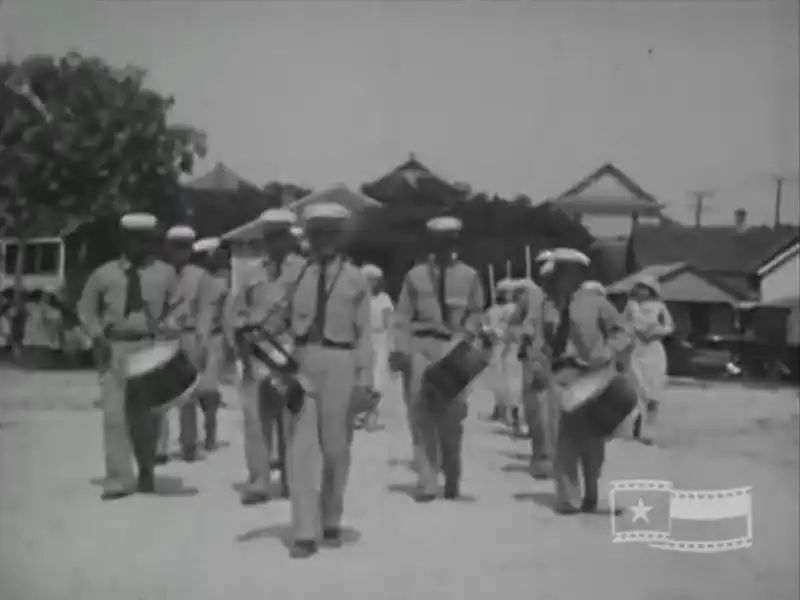
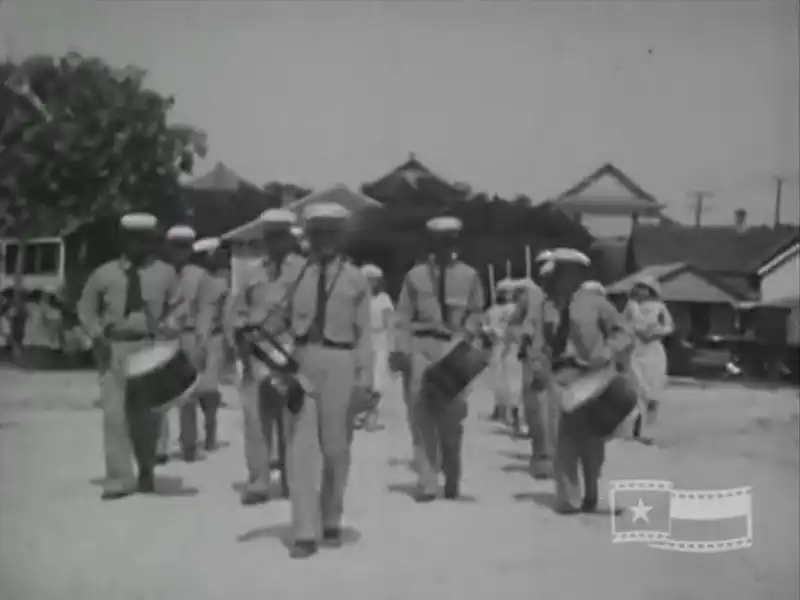
The parade scenes are the best part. Everyone is dressed up in their Sunday best, and the marches feel so important.
You see the pride on their faces. It’s a community that really liked being together, which is something we kind of lost today with our phones and all that.
There’s a lady in a floral dress who walks by and she gives the camera this tiny, secret smile. I wonder who she was smiling at.
Probably Josefina Barrera Fuentes, who is also listed in the credits but mostly you just see people being people. They aren't 'characters.'
The editing is... well, it’s not really edited. One shot of a kid exploring a backyard just cuts straight to a bunch of men in suits walking down a main street.
It’s jarring if you’re used to Marvel movies. But if you just let it wash over you, it’s like a dream you had about a place you’ve never been to.
I noticed the shoes a lot. Everyone had such sturdy shoes back then. Even the little kids.
Sometimes the film gets really bright, like the sun was just too much for the lens to handle. It makes everything look heavenly and hazy.
I’ve seen some other archival stuff like Robinson's Trousseau, but this feels more grounded. It’s less about a specific event and more about the vibe of a neighborhood.
You see people just existing. No one is trying to change the world in these clips, they’re just trying to catch a ball or stay in line during the march.
There is a weirdly long shot of a street corner that doesn't seem to have anything happening. I think Antonio just liked the way the light hit the building.
Or maybe he just forgot to turn the camera off. Either way, I liked it.
If you’re looking for a 'cinematic experience' (god, I hate that phrase), look elsewhere. This is just a memory caught on celluloid.
It’s messy and grainy and sometimes the focus is way off. But that’s what makes it feel more alive than half the stuff on Netflix right now.
I think about that ball-throwing kid. I hope he caught it. ⚾
It’s funny how a silent piece of film can feel louder than a movie with a full orchestra. You can hear the ghosts if you listen hard enough.
Anyway, it’s short. Give it a look if you want to see what Corpus Christi looked like before everything became a parking lot or a chain store.
It's not perfect, but it's honest. And honestly, that’s enough for me on a Tuesday night.
Community
Log in to comment.