DbcultAccessing Vault...
Cult Review
Senior Film Conservator
A single candle gutters in a Juárez cantina, and already the frame is on fire. Mexico—that lean, smoke-bitten title scrawled across 1913 audiences—doesn’t ease you into revolution; it flicks sulfur into your pupils. In the first hundred feet of nitrate we get everything modern prestige television still lusts after: a split-second kiss that tastes of childbirth blood, a baby’s hiccup echoing like distant artillery, and the metallic promise that tomorrow will be worse.
Strip the storyline to marrow and you still find hieroglyphs: man leaves, tyrant wants wife, wife becomes territory, man returns to reclaim not the woman but the idea of constancy. Yet every scene daubs another layer atop the last, so the palimpsest of loyalty ends up looking like a fresco of suspicion. When Lopez clambers back over his own windowsill, the silhouette is less lover than revenant—an ancestor every Mexican melodrama would later xerox.
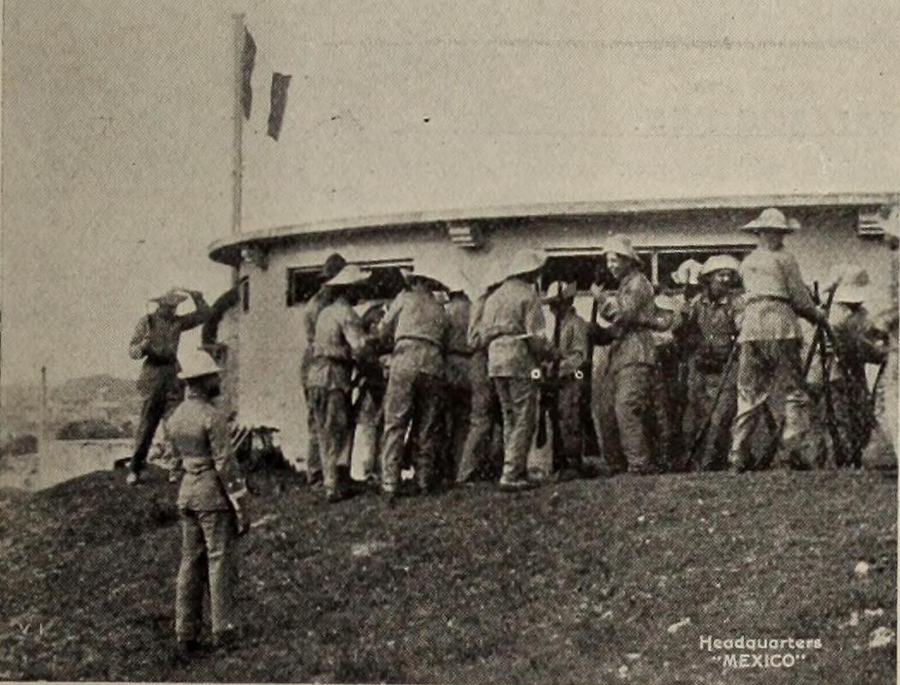
Rosa’s actor (history forgot her name, damn the archives) does not act terror; her pupils dilate like black suns eating the whites. You can clock the exact frame when belief leaves her body—it's the moment she realizes Toro’s gloves are stitched from the same leather as her wedding shoes. Opposite her, the performer embodying Toro swaggers with that peculiar early-cinema swagger: chest forward, spine hinged, a rooster who suspects he might be dinner but struts anyway.
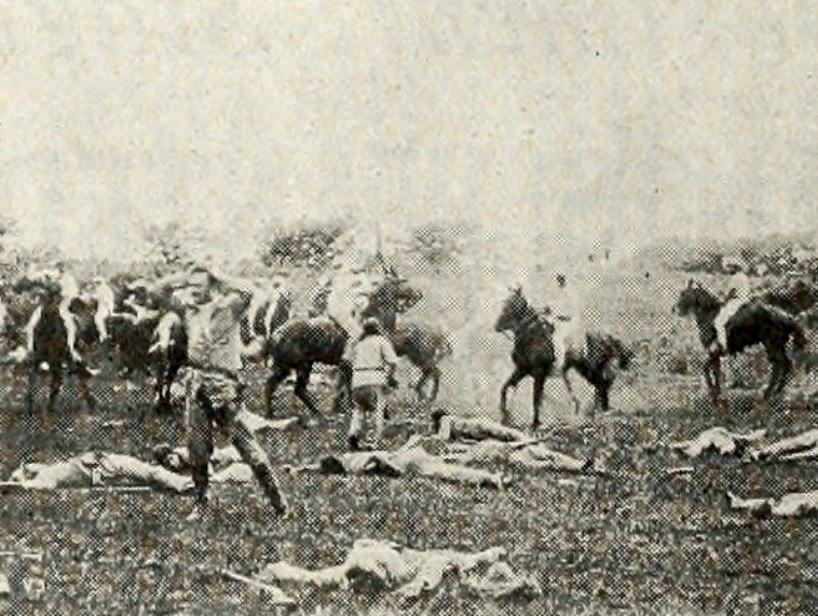
Color, absent by technological default, feels nevertheless judiciously withheld. The directors—anonymous sentinels of the nascent Fotografia studios—paint with gradations of dust. Notice how every interior is framed one wall short: you glimpse sky where bricks should stand, a constant reminder that national borders are as porous as burnt paper. By the time the final reel’s cavalry charge arrives, the horizon is an unzipped wound, and the lack of Technicolor blood feels almost sarcastic.
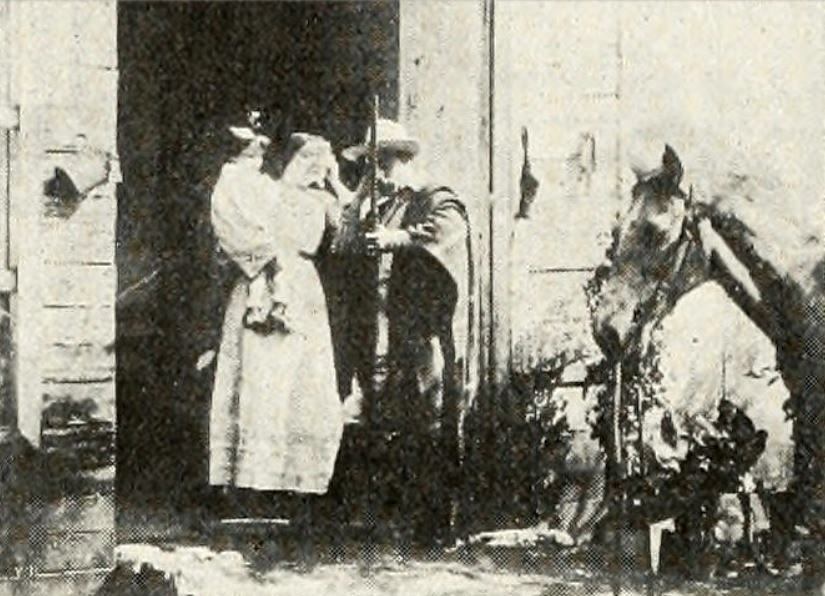
For viewers raised on Griffith’s flag-waving vistas, Mexico lands like a corrective slap. Its Federale lieutenant is sadist, yes, but also craven, terrified of his own superiors; the revolutionary spy is patriot and turncoat in alternating breaths; even Lopez’s comrades would rather swap rumors than rifles. No one gets a halo, and the film’s most savage irony is that the only true believer is the unnamed infant sleeping through cannonades—an emblem of futurity blissfully ignorant of both tyrants and liberators.
Watch the cut that bridges Rosa’s abduction and Lopez’s desertion: a door slamming in Juárez becomes a tent-flap snapping in Sierra camp, a match cut predating Eisenstein’s bayonet by almost a decade. We are kidnapped into momentum, accomplices in Lopez’s court-martialable panic. The film keeps shuffling space-time like a cardsharp; it understands that revolutions are not sequential but convulsive—memory and premonition stacked like loaded dice.
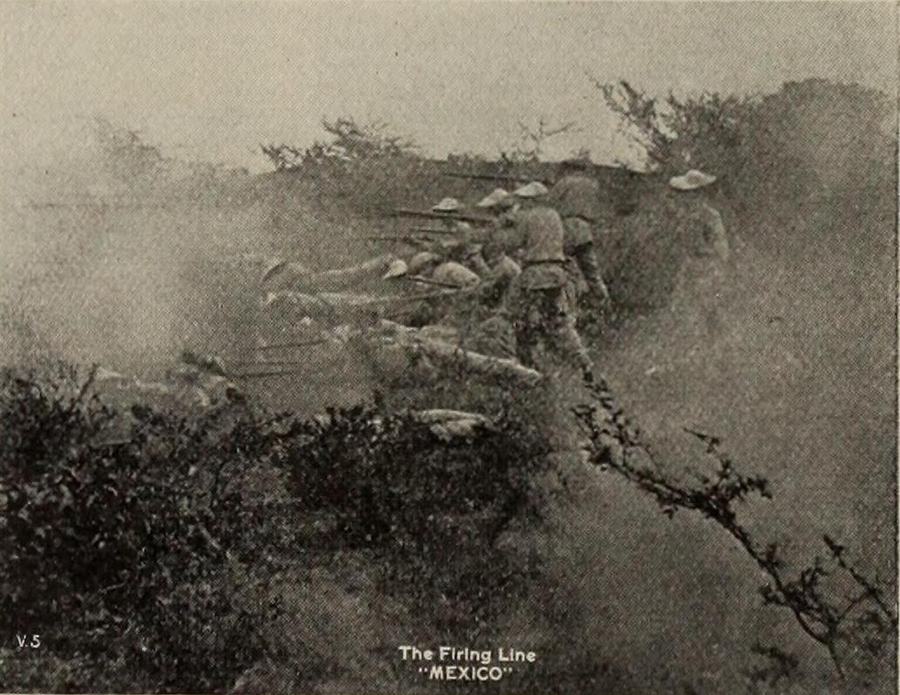
Contemporary exhibitors would have hired a lone pianist, maybe a trio for opening night, to slap out a medley of corridos and Liszt. Yet the negative itself pulses with sonic ghosts: the scrape of boots on adobe, the hush of skirts against kerosene air, the almost audible grind of Toro’s jaw. In later years, restorers slapped orchestral clichés atop the print; if you’re lucky enough to catch a 16 mm sans score, the hollow wind in the projector becomes the film’s truest soundtrack—an elegy for a country still at war with its echoes.
Rosa’s body is the first battlefield. Toro’s gaze maps it like a general hovering over plaster topography. When she spits in his face the glob arcs through candle-smoke in a trajectory worthy of Newton. The film is shrewd enough to let that defilement linger: subsequent shots frame Rosa half-clothed, shoulders sunburned by scrutiny, each bruise a footnote in a history book no one will publish. Compare this to Victorian melodramas where virtue is restored by last-act weddings; here, restoration is impossible, survival is the only victory lap.
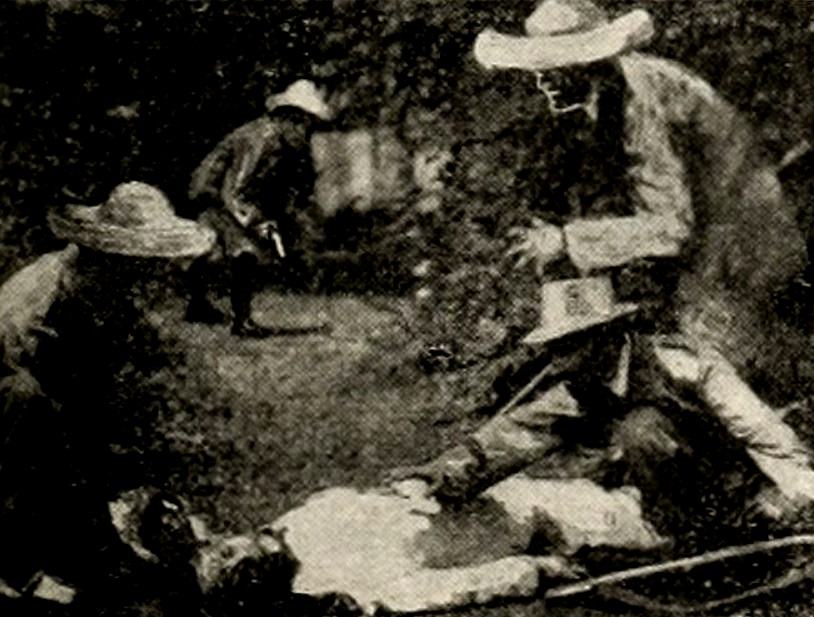
Though shot during the revolution it portrays, the film never screened north of the Río Bravo until the 1930s, and then only in bowdlerized prints that trimmed Toro’s assault. Censors feared audiences might confuse Mexican brutality with American appetite. Today, streamers algorithmically shove Narcos reboots down our queue, yet Mexico—public-domain, orphaned, torrent-ready—remains buried under SEO rubble. Seek it out; watch how propaganda ages into accidental testimony. The lie of 1913 becomes the fossil of 2024, a strata where we read our own complicity in border policy and gun-running.
Peel the emulsion and you’ll find chromosomes that will bloom in Sternberg’s Morocco, in Ford’s Stagecoach, even in the sodium-washed landscapes of modern digital westerns. The low-angle shot of Toro against scorched sky prefigures the idolatry of Leone’s gunfighters; the cross-cutting between bedroom hysteria and battlefield logistics is a germ that will metastasize into Coppola’s war-room parallelisms. Yet unlike its descendants, this film refuses catharsis; it ends mid-breath, with a cloud of cannon smoke that looks suspiciously like a question mark.
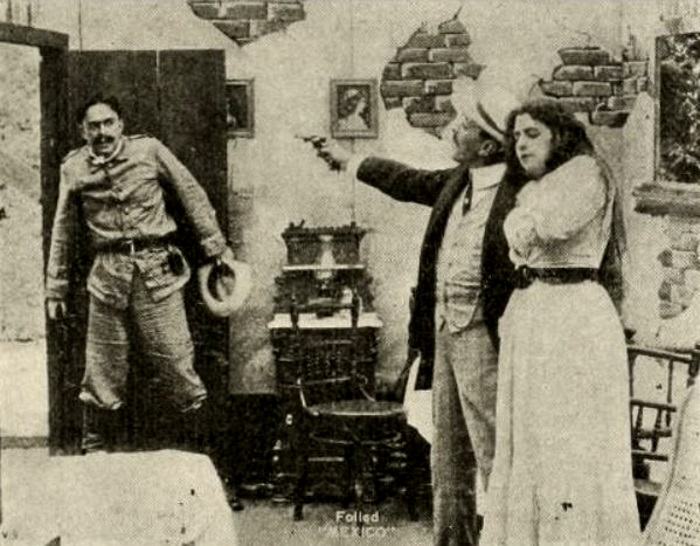
If you crave context, chase down contemporary newsreels of Pancho Villa’s raids; the same trains that ferried ammunition ferried this film’s negatives, undeveloped, like contraband hopes. Pair a viewing with Mariano Azuela’s novel The Underdogs—both artifacts were forged in the crucible of exile and ash. Finally, resist the urge to overlay modern identity politics like Instagram filters; instead listen for the footfalls that echo your own hallway. Tyranny is a franchise operation, and its uniforms change faster than streaming thumbnails.
Great cinema rarely arrives announced; it seeps through cracks in the canon, smelling of sulfur and lavender. Mexico offers no triumphalism, no clasped-hand resolution. It dispenses ambiguity like iodine: stinging, necessary, impossible to rinse off. Long after the climactic charge dissipates into archival grain, what lingers is the cutaway to Rosa’s empty cradle rocking in wind—an image that mutates into every migrant crib now rattling beneath ICE fluorescents. To screen this film is to confront the original sin of North American history: land promised, land stolen, bodies turned into border stones.
So hunt it, torrent it, project it on bedsheet or brick wall. Let the light that once illuminated Juárez cantinas spill across your living-room floorboards. Notice how the beam leaves scorch-marks shaped like unanswered questions. That smolder is the marker of art that refuses to stay politely extinguished. Mexico is not a museum relic; it is a live round buried in the backyard, humming with old gunpowder, waiting for some barefoot future to step outside and feel the trigger of history click beneath the sole.
IMDb 5.4
1923
Community
Log in to comment.