Summary
Juárez, 1913: adobe walls sweat history and gunpowder. Lopez, a wiry smithy-turned-insurgent, kisses the salt from Rosa’s lips one dawn, then rides north to Villa’s rag-tag cavalry, leaving behind a cradle that creaks like a metronome of dread. The Federales slither in, brass buttons flashing like incisors; at their helm, Lieutenant Toro—half bull, half shadow—kicks doors, rifles through lamplight, and sniffs for rebels like a hound that has learned to savor perfume. Toro covets Rosa, but a superior’s glare collars his lust. Instead, he cultivates treachery: a captured Carrancista spy, broken by torture, becomes a marionette whose strings are pulled across no-man’s-land. Flames bloom against midnight adobe; Rosa is dragged through cinder and starlight, yet Toro—suddenly trembling at the scaffold of his own court-martial—releases her into the desert where her physician father stitches moonlight into bandages. Word slithers back to Lopez: your wife is a harlot. Rage detonates; he deserts, hurls a sentry into the abyss, and finds Rosa still wearing his ring and the scar of his name. Their reunion—shot in chiaroscuro so stark it could carve obsidian—is a tremor of hands, a gulp of breath, a whisper that tastes of gun-oil. Toro’s raiders swarm; Lopez pirouettes through window glass, bullet kisses spy, irons clap shut. A drumhead tribunal brands him spy; a compassionate Federale defends; the doctor smuggles a file inside a stethoscope. Reel four detonates: dust clouds become opera curtains, Villa’s horsemen crest like a copper tide, Toro’s proud charge dissolves into a retreat that leaves boots and honor stuck in the sand.
Synopsis
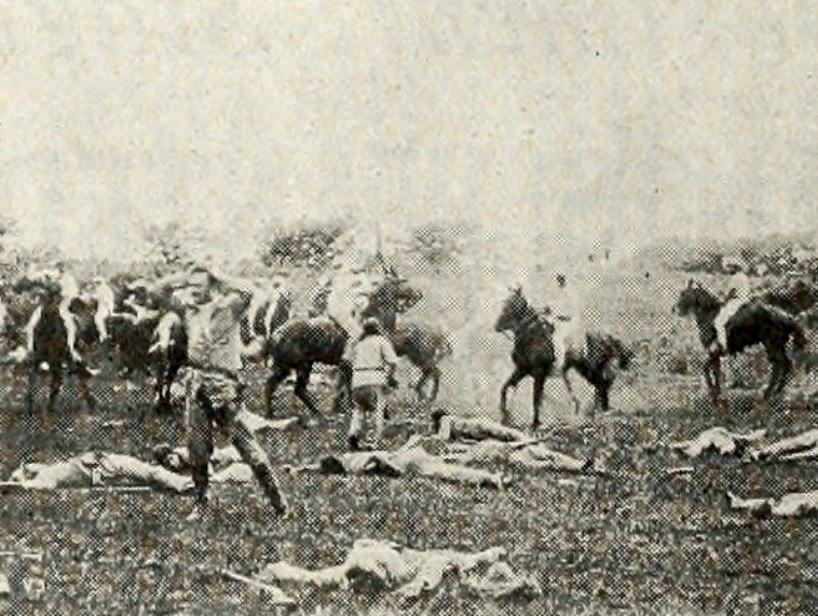
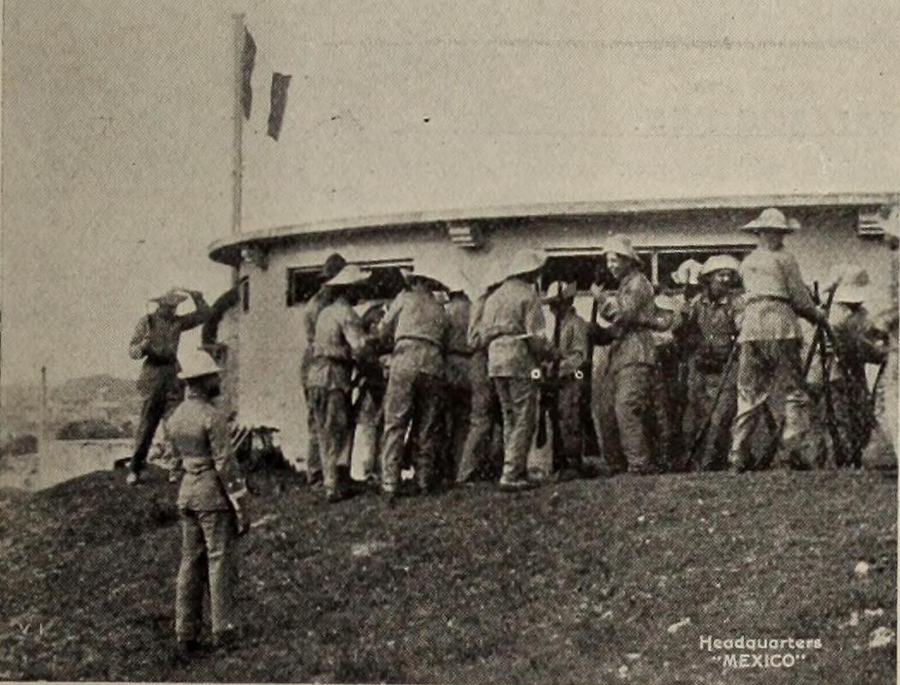
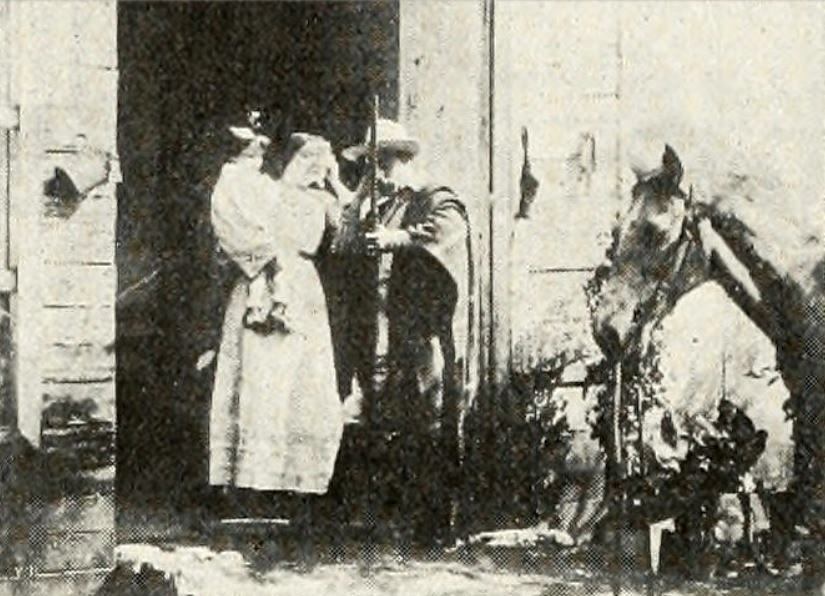
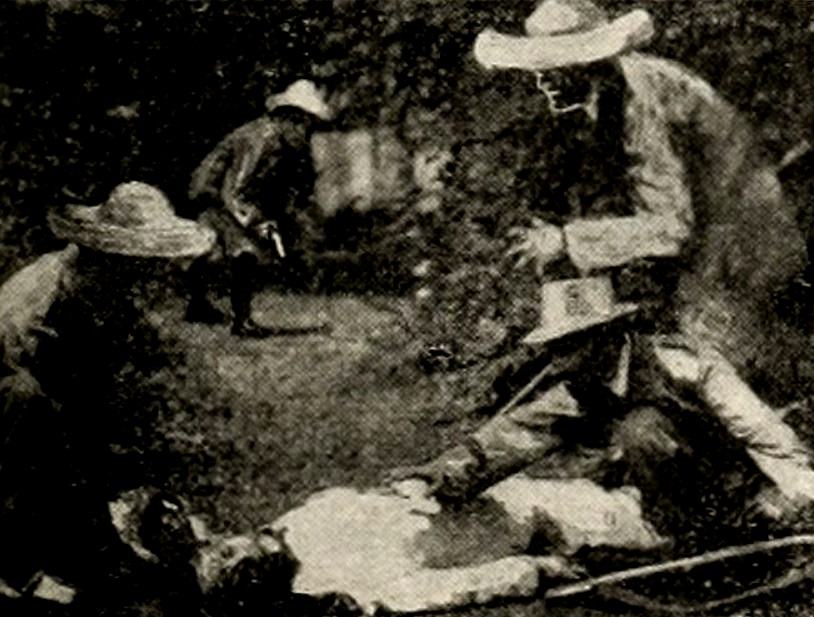
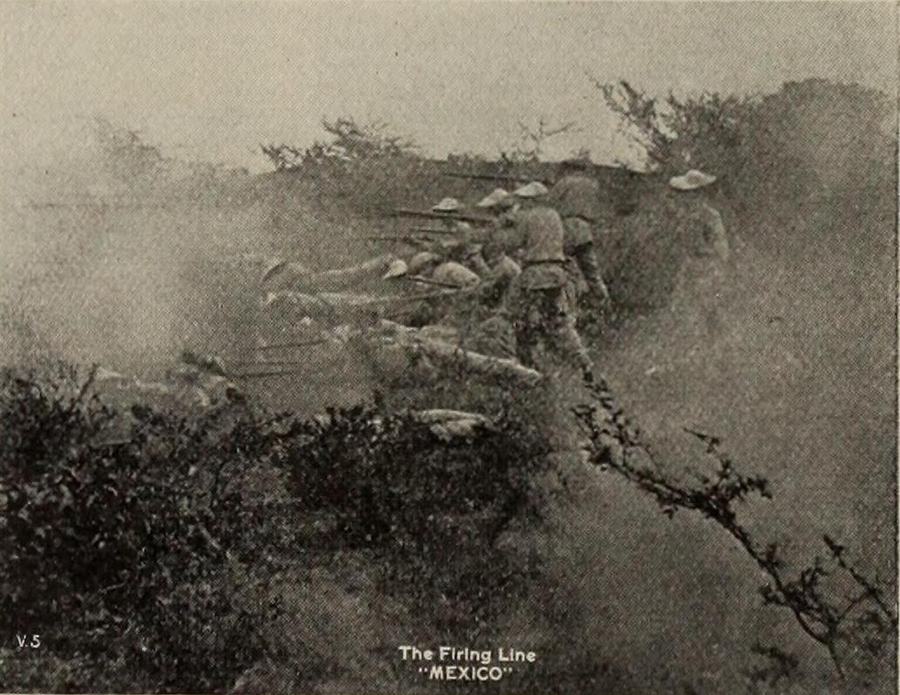
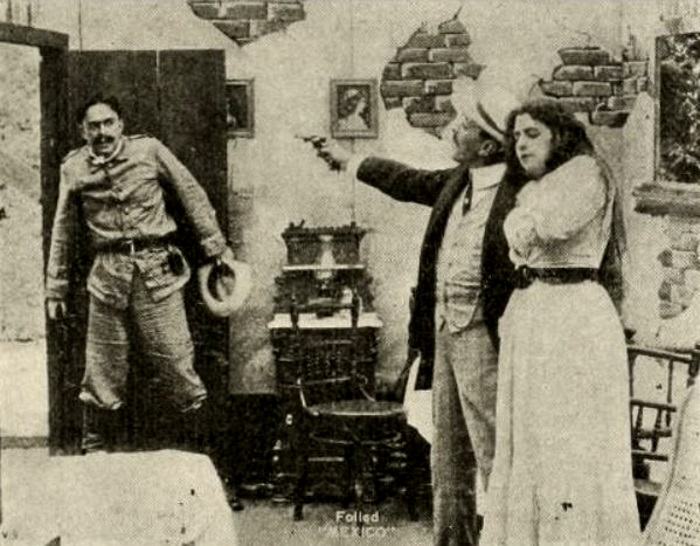
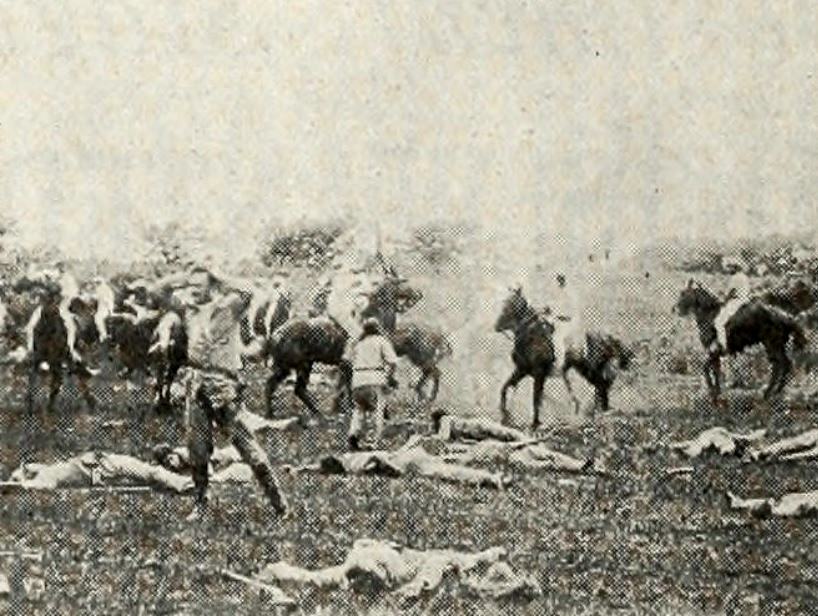
As it opens we find a young Mexican, Lopez, living in Juarez. He has joined the revolutionary party. The Federals advance toward the town and Lopez receives an order from Villa to join the forces. This he does leaving his wife, Rosa, and baby in the care of her father, a doctor. The Federals arrive and with them is Lieutenant Toro, a brutal officer. He breaks into Lopez's home searching for conscripts and takes a fancy to the wife; but the arrival of his superior officer keeps him from doing her any injury. In a convincing series of scenes a revolutionary spy is now caught on the outskirts of the town. This spy is to be Toro's agent and is set free after giving a promise to help in capturing Lopez's wife. An attack is made on the cabin; it is set on fire and Rosa is carried away, but Toro, in fear of a court martial, sets her free and she takes refuge with her father. Toro's next move is to decoy Lopez to the town and destroy him. The spy is sent back to the revolutionary camp and tells Lopez that Rosa is unfaithful. Lopez leaves camp without permission, has a brisk encounter with a Federal sentry whom he throws over a cliff, and finds Rosa still true to him. There is very commendable art in this meeting of wife with husband, and the acting conveys the changing emotion of it to us with justice and sense of proportion. It is followed by the attack of Toro's men on the house. Lopez is surprised, but makes his escape through the window and as those waiting outside give chase he fires killing the spy; but is himself captured. The court martial scene that follows also evidences the pleasing human qualities of the story that are found all through. Lopez, though defended by a Federal officer as his counsel, is found guilty of being a spy and condemned to death; but is helped by his father-in-law to escape. The fourth reel is a battle reel and deals mostly with an attack of a band of Federals under Toro and their repulse by the revolutionary forces.
Review Excerpt
"A single candle gutters in a Juárez cantina, and already the frame is on fire. Mexico—that lean, smoke-bitten title scrawled across 1913 audiences—doesn’t ease you into revolution; it flicks sulfur into your pupils. In the first hundred feet of nitrate we get everything modern prestige television still lusts after: a split-second kiss that tastes of childbirth blood, a baby’s hiccup echoing like distant artillery, and the metallic promise that tomorrow will be worse.
Plot as Palimpsest
Strip th..."