DbcultAccessing Vault...
6.4/10
Senior Film Conservator
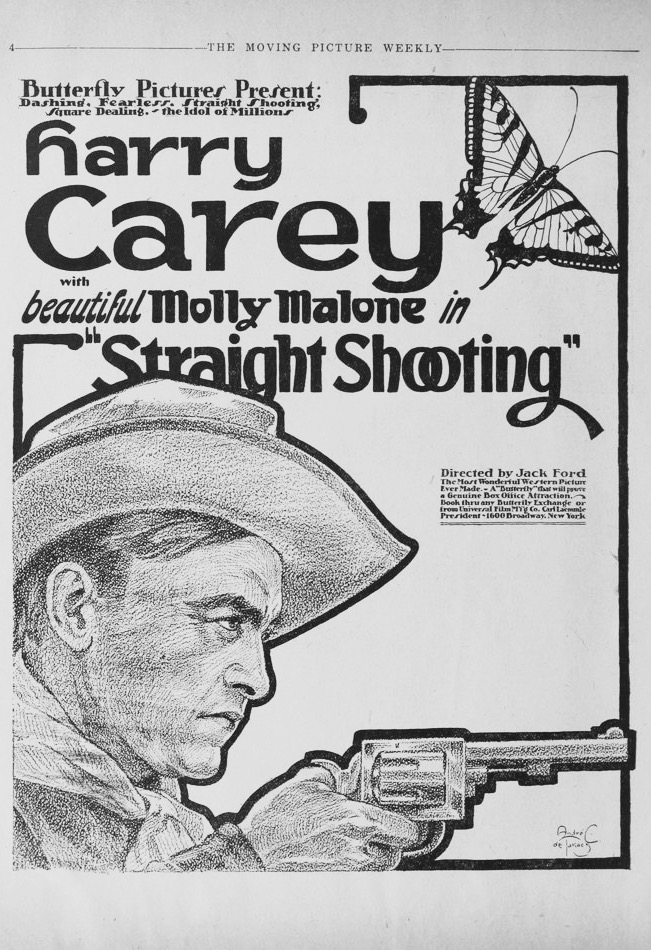
A definitive 6.4/10 rating for a film that redefined the boundaries of cult cinema. Straight Shooting remains a cornerstone of transgressive art.
Stepping back into the nascent days of cinematic storytelling, one uncovers treasures that, while perhaps rough around the edges by modern standards, resonate with an elemental power that belies their age. Among these foundational works, John Ford's 1917 feature debut, Straight Shooting (slug: straight-shooting), stands as a monumental declaration of intent, a raw, unvarnished blueprint for the Western genre as we know it today, and a stark testament to the formative genius of one of cinema's greatest auteurs. This isn't merely a historical curiosity; it's a vibrant, pulsating narrative that plunges us into the brutal realities of the American frontier, where justice is often self-administered and survival hangs by a thread as thin as a parched riverbed. Its narrative simplicity belies a profound exploration of morality, retribution, and the often-grim process of civilization taking root in untamed landscapes.
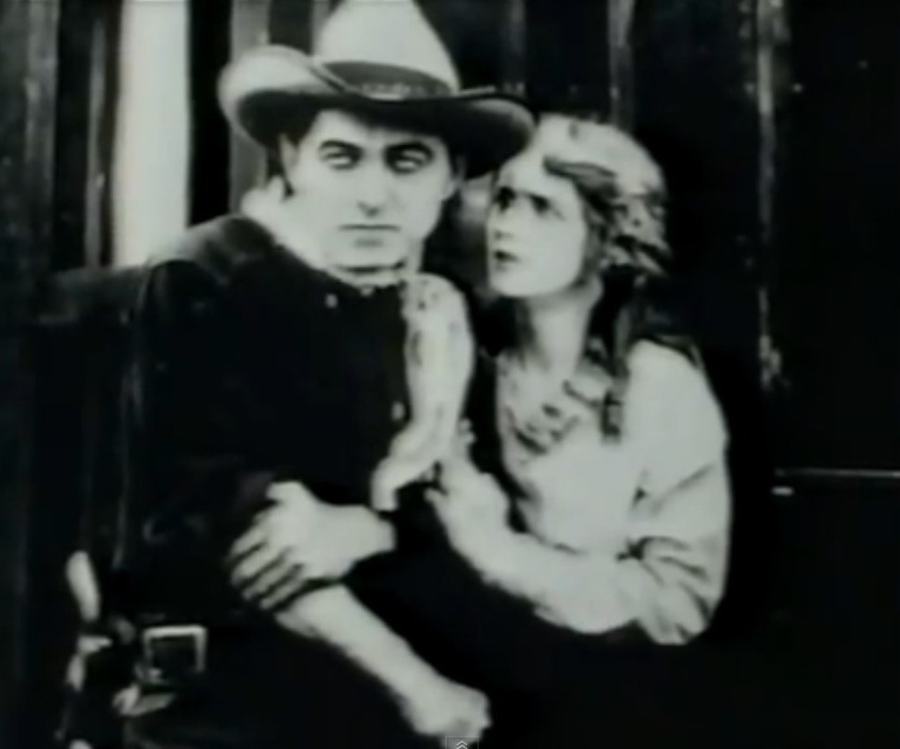
At its core, Straight Shooting unfurls a classic Western conflict: the perennial struggle between the powerful cattlemen and the resilient homesteaders. The film wastes no time in establishing its central antagonist, Flint, portrayed with chilling efficacy by Vester Pegg. Flint is not merely an adversary; he is the embodiment of unchecked avarice, a man whose ambition knows no bounds, least of all the basic human right to water. His audacious act of cutting off the water supply to the Sims family ranch is not just an inconvenience; it is an act of war, a calculated maneuver designed to drive the farmers from their land, thereby expanding his own dominion. This ruthless tactic immediately casts him as a villain of the most visceral kind, a force of nature as destructive as any drought. The Sims family, led by the stoic George Berrell, finds itself in an untenable position, caught between the rock of their dwindling resources and the hard place of Flint's brutal intimidation. Their struggle is a microcosm of countless historical clashes, echoing the fierce battles over land and livelihood that defined the expansion of the American West. The tension is palpable, a silent scream of desperation that permeates every frame as their very existence is threatened.
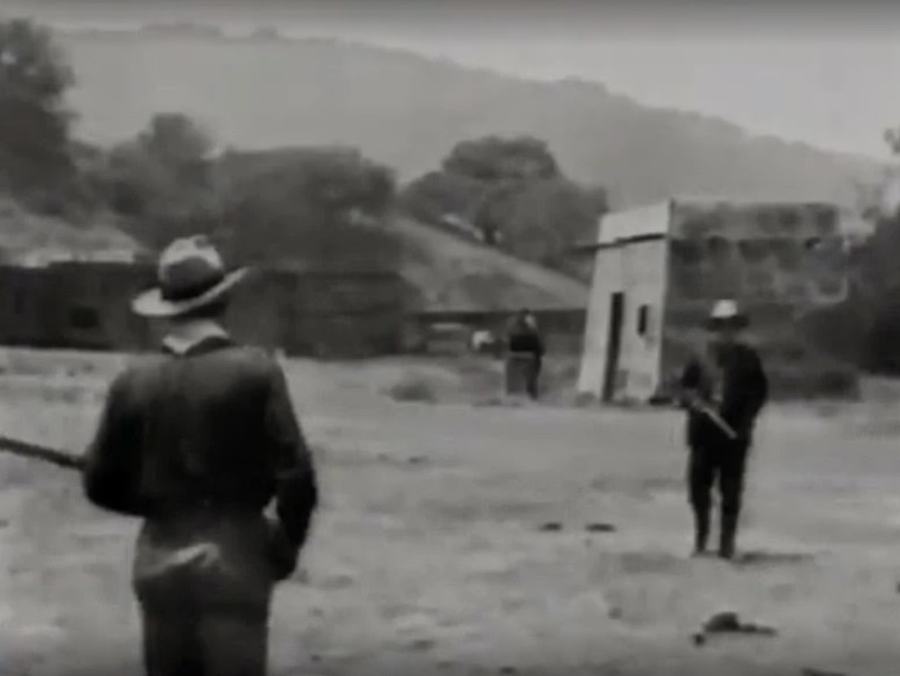
The narrative’s tragic turning point arrives with the character of Ted Sims, played by Hoot Gibson, whose youthful innocence and desperate thirst propel him towards a fatal encounter. When Ted, driven by the primal urge for water, attempts to breach Flint's blockade, he is met not with negotiation, but with a cold, brutal bullet from one of Flint's henchmen, William Steele. This act of senseless violence transforms the land dispute into a blood feud, a deeply personal tragedy that ignites a simmering desire for retribution. Ted's death is a gut-wrenching moment, rendered with an economy of expression typical of silent cinema but no less impactful. It serves as the catalyst, shifting the film's trajectory from a land-grab narrative to a tale of profound moral reckoning. The Sims family, already teetering on the brink, is now plunged into an abyss of grief and anger, their resolve hardened by the ultimate sacrifice. This moment profoundly impacts the audience, compelling immediate empathy for their plight and an urgent desire for justice to be served, a sentiment often evoked in early cinema through such clear-cut moral lines.
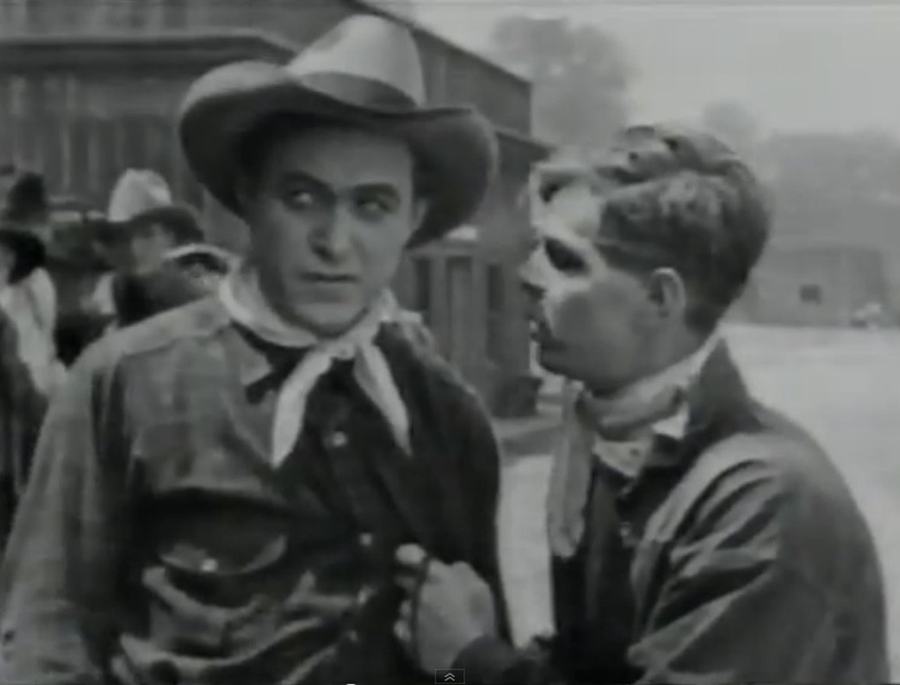
Enter Cheyenne, portrayed by the legendary Harry Carey, a figure who would become synonymous with the Fordian Western hero. Initially, Cheyenne is dispatched by Flint with a clear, ruthless directive: to finish off the Sims family, to extinguish their resistance once and for all. He is, to all appearances, a quintessential hired gun, a man whose moral compass is seemingly aligned with the highest bidder. However, Ford, even in this nascent stage of his career, understood the power of a character's internal journey. The pivotal scene, where Cheyenne stumbles upon the Sims family gathered around Ted's freshly dug grave, is a masterpiece of silent film pathos. There are no words, yet the raw, unadorned grief etched on their faces—Molly Malone's portrayal of the mother is particularly poignant—speaks volumes. It is in this moment of profound, shared sorrow that Cheyenne's hardened exterior begins to crack. He witnesses not just a family, but humanity stripped bare, suffering an unimaginable loss. This visceral encounter forces him to confront the moral implications of his actions, triggering a profound and irreversible shift in his allegiance. It's a testament to Carey's nuanced performance and Ford's directorial vision that this transformation feels utterly earned, a quiet earthquake of conscience that redefines the narrative. This moral awakening is reminiscent of the profound personal changes seen in characters forced to confront the harsh realities of their world, much like the challenging environment depicted in The Beast, where primal instincts and humanity clash.
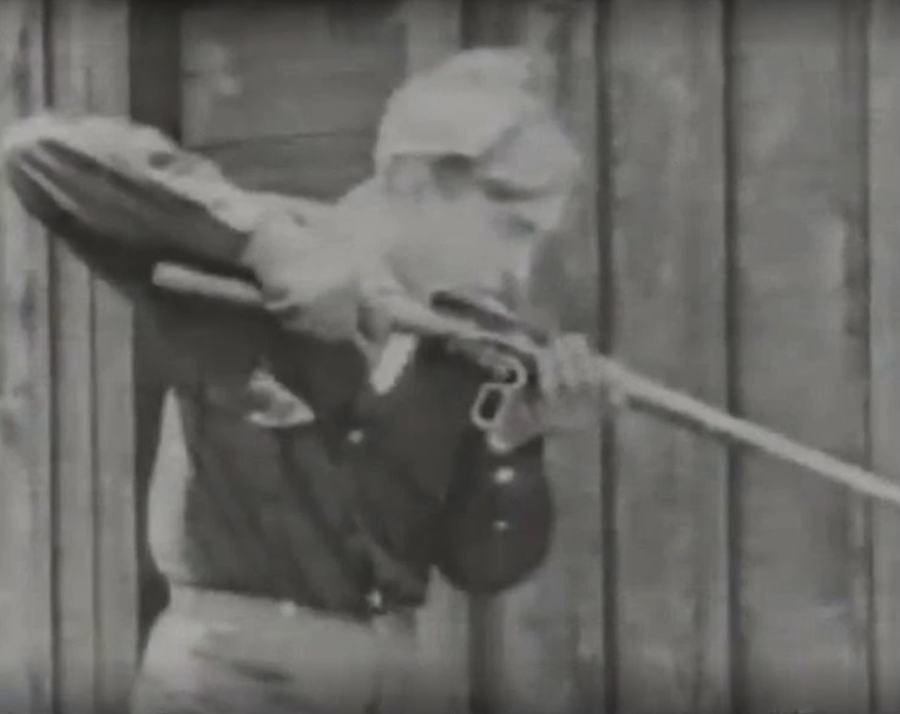
Even in his directorial debut, the nascent genius of John Ford is unmistakably present. Straight Shooting is more than just a competent Western; it’s a canvas where Ford begins to paint the iconic visual grammar that would define his legendary career. His use of the expansive Western landscape is already evident, not merely as a backdrop, but as an active participant in the drama, reflecting the characters' struggles and the formidable nature of their environment. The wide-open spaces, the dusty trails, and the stark, sun-baked terrain are all imbued with a sense of both grandeur and unforgiving reality. Ford’s framing, even in this early work, demonstrates a keen understanding of how to compose a shot for maximum emotional and narrative impact. He knows when to hold a close-up to capture the subtleties of an actor's expression, and when to pull back, allowing the vastness of the setting to dwarf the human figures, emphasizing their vulnerability. The action sequences, though rudimentary by today's standards, possess a kinetic energy and a clarity of purpose that keeps the audience engaged. There's an efficiency to his storytelling, a reliance on visual cues and strong performances rather than verbose intertitles, which speaks to a director already confident in the power of the moving image. This economy of storytelling and reliance on visual narrative can be seen as a precursor to other powerful, visually driven films like Nobleza gaucha, which also captured the essence of frontier life through striking imagery.
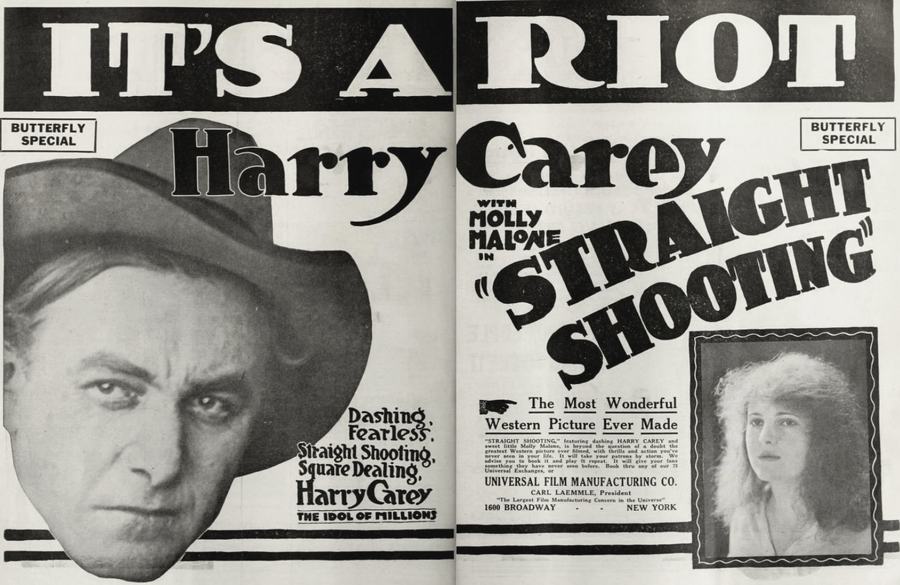
The cast of Straight Shooting, while featuring names that might not be instantly recognizable to a modern audience outside of dedicated Western aficionados, delivers performances that are both earnest and effective. Harry Carey, of course, is the standout. His portrayal of Cheyenne is a masterclass in silent acting, conveying a complex inner life through subtle gestures, piercing glances, and a physicality that speaks volumes. He embodies the archetypal Western hero – rugged, capable, but with an underlying moral code that, once awakened, cannot be ignored. Vester Pegg’s Flint is a suitably menacing villain, projecting a cold, calculating cruelty that makes his eventual comeuppance all the more satisfying. George Berrell as Sims and Molly Malone as his daughter (or wife, depending on interpretation of early credits) bring a grounded humanity to the besieged family, making their plight deeply sympathetic. Hoot Gibson, though his role as Ted is tragically brief, leaves a lasting impression of youthful vulnerability. The ensemble, under Ford's direction, creates a believable portrait of a community struggling for survival, each performance contributing to the film's raw, authentic texture. Dan Duffy, Harry Carey, and Milton Brown round out the supporting cast, each adding to the authenticity of the frontier world depicted.
Beyond the immediate thrills of a frontier showdown, Straight Shooting delves into profound thematic territory. The most prominent theme is, arguably, the struggle for justice in a land where formal law is often distant or ineffective. When state-sanctioned justice fails, or is simply unavailable, individuals are forced to forge their own codes, their own systems of retribution and fairness. This 'unwritten law' is central to the Western genre, and Ford explores it with unflinching honesty. Cheyenne’s transformation from a mercenary to a dispenser of justice highlights the film’s moral core. His decision to side with the Sims family is not just a personal choice; it is an affirmation of a higher ethical standard, a belief in the inherent rightness of protecting the vulnerable against the powerful. This journey of moral awakening and commitment to a personal code of justice can be paralleled with the intense ethical dilemmas explored in films like The Unwritten Law, where characters grapple with societal norms versus individual conscience. The theme of redemption, too, is powerfully conveyed through Cheyenne. His past as a hired gun is not erased, but it is transcended by his actions. He finds a new purpose, a sense of belonging and righteousness, by standing up for those who cannot defend themselves. This narrative arc of a morally ambiguous character finding a path to virtue would become a recurring motif in Ford’s later works, cementing his reputation as a director deeply interested in the complexities of human nature.
While Straight Shooting is a product of the silent era, its impact reverberates through cinematic history. It’s a powerful reminder of how much storytelling could be achieved without dialogue, relying instead on strong visual composition, compelling performances, and universal human emotions. The film’s narrative is lean and purposeful, each scene driving the plot forward with an admirable economy. The use of intertitles is judicious, providing necessary exposition without interrupting the flow of the visual narrative. One can imagine the live musical accompaniment of the era, adding layers of emotional depth and excitement to the on-screen action, enhancing the drama of the conflicts and the poignancy of the quieter moments. This early work set a precedent for the Western, establishing archetypes and narrative structures that would be revisited and refined for decades to come. It’s a foundational text, not just for John Ford’s filmography, but for the genre itself, demonstrating that even in its infancy, cinema had the power to craft mythic tales of heroism, villainy, and the relentless march of fate. The transformation of a character from an antagonist to a hero, driven by a newfound moral compass, echoes the personal struggles and redemptive arcs seen in films like The Warrior, where internal battles are as fierce as external ones.
In conclusion, Straight Shooting is far more than a mere historical artifact; it is a vital piece of cinematic heritage, a film that, despite its age and silent format, still possesses the capacity to grip and move an audience. It showcases John Ford's burgeoning talent, his innate understanding of the Western landscape, and his profound empathy for the human condition. It’s a testament to the enduring power of simple, yet deeply resonant, storytelling. For anyone interested in the origins of the Western, the evolution of John Ford’s distinctive style, or simply a compelling tale of frontier justice and redemption, Straight Shooting remains an essential viewing experience. It’s a film that shot straight and true, laying the groundwork for a century of cinematic greatness.
IMDb 2.8
1928
Community
Log in to comment.