DbcultAccessing Vault...
6.7/10
Senior Film Conservator
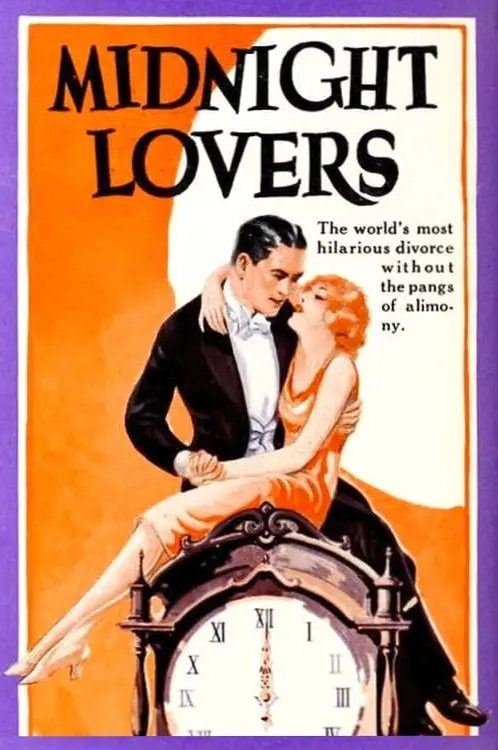
A definitive 6.7/10 rating for a film that redefined the boundaries of cult cinema. Midnight Lovers remains a cornerstone of transgressive art.
Is Midnight Lovers worth watching today? Short answer: absolutely, but with a significant caveat regarding its pacing. This film is a fascinating historical artifact for silent cinema enthusiasts and those intrigued by early portrayals of complex marital dynamics, especially against a wartime backdrop. However, viewers accustomed to modern narrative speeds and overt character development might find its deliberate rhythm a challenge.
This film works because of Anna Q. Nilsson's compelling central performance, which grounds the melodrama in genuine human emotion. It fails because its script, while ambitious, occasionally succumbs to predictable narrative beats and underdeveloped supporting arcs. You should watch it if you appreciate the nuanced visual storytelling of the silent era and are prepared for a story that prioritizes emotional texture over swift plot resolution.
At its core, Midnight Lovers is a study in disillusionment, wrapped in the trappings of wartime romance. The initial promise of a grand love story—a spirited young woman, an acclaimed war hero—is quickly overshadowed by the harsh realities of separation and suspicion. The film doesn't waste time on prolonged courtship; instead, it rushes us into the marriage, highlighting the almost impulsive nature of wartime unions, forged in the shadow of imminent danger.
The true narrative engine ignites when the hero, the dashing flying ace, returns to the front lines. His absence creates a void, a space for doubt to fester and for secrets to slowly surface. The discovery of his infidelity isn't a sudden, dramatic reveal in the modern sense; it's a creeping dread, a collection of small, unsettling clues that coalesce into an undeniable truth. This slow burn of realization is one of the film's more effective narrative choices, allowing the audience to experience the protagonist's growing unease almost in real-time.
What follows is a complex exploration of a woman's agency in a time when societal expectations often confined her to a reactive role. The 'complications' mentioned in the plot summary are not mere plot contrivances; they are the painful, messy consequences of betrayal, forcing our protagonist to confront her ideals of love, loyalty, and self-worth. It’s a tangled web. The film, in its own silent way, asks profound questions about forgiveness and the possibility of rebuilding trust when the foundation has been so thoroughly shaken. While the war rages on off-screen, the true battle unfolds within the confines of a fractured marriage.
The success of any silent film hinges almost entirely on the expressive power of its cast, and Midnight Lovers is no exception. Anna Q. Nilsson, as the betrayed wife, delivers a performance that transcends the often-exaggerated stylings of the era. Her portrayal is nuanced, particularly in the quiet moments where her character grapples with the devastating implications of her husband's deceit. Nilsson's eyes, even without dialogue, convey a remarkable spectrum of emotion, from initial joy to profound sadness and simmering resentment. One particular scene, where she silently examines a piece of evidence, her face a canvas of dawning horror, is genuinely compelling. It’s a testament to her skill that she manages to keep the character sympathetic even as the plot pushes her into difficult emotional territory.
Lewis Stone, playing the flying ace, embodies the charismatic yet flawed hero with a certain detached charm. His character is designed to be alluring, making his eventual betrayal all the more impactful. Stone doesn't overplay the villainy; instead, he projects a sense of casual entitlement, which is arguably more insidious. His performance avoids caricature, presenting a man who is not necessarily evil, but deeply selfish. This ambiguity makes the conflict more resonant than if he were a mustache-twirling antagonist.
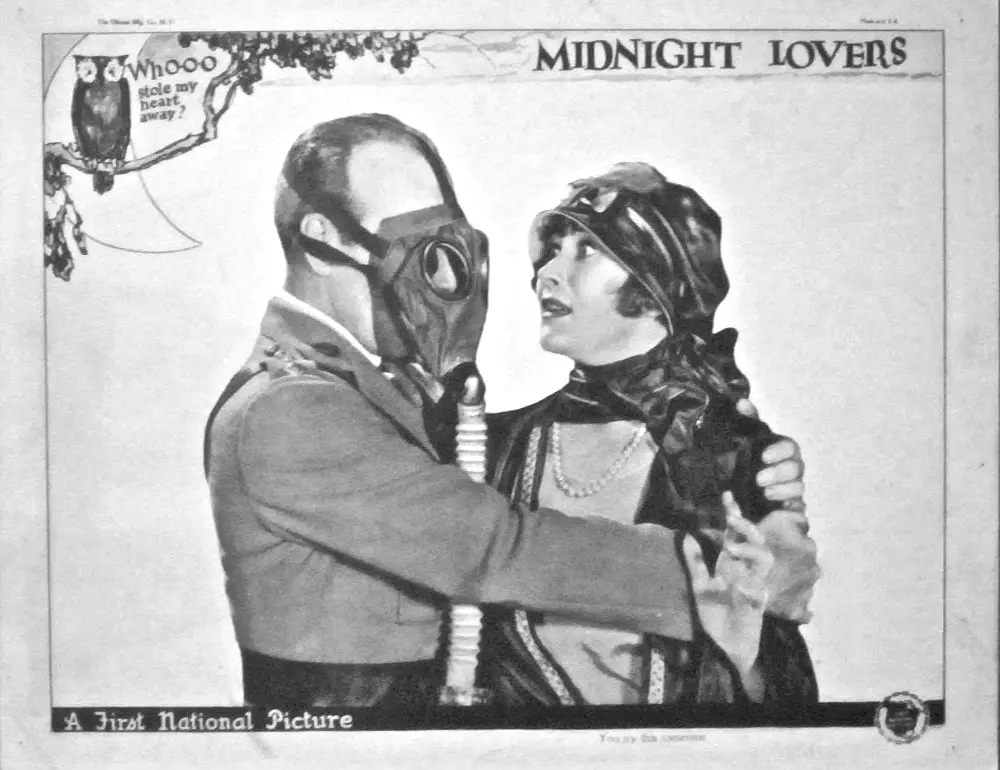
The supporting cast, while not always given the same depth, provides solid contributions. Chester Conklin, known for his comedic roles, offers some much-needed lightness, though his character feels somewhat underutilized in the broader dramatic arc. John Roche and Purnell Pratt, in their respective roles, are competent but rarely elevate beyond functional. It’s fair to say that the film’s emotional weight rests almost entirely on Nilsson’s shoulders, and she carries it with remarkable grace and conviction. My unconventional observation here is that the male characters, particularly the flying ace, are deliberately underdeveloped to emphasize the protagonist's isolation and internal struggle, making her journey feel more solitary and profound.
The directorial choices in Midnight Lovers, while not revolutionary for the period, are effective in building atmosphere and conveying emotion. The film's visual language leans heavily on close-ups to capture the actors' expressions, a smart move given the reliance on non-verbal communication. There’s a particular shot of Nilsson framed against a window, looking out into an uncertain future, that beautifully encapsulates her character’s isolation. These moments elevate the melodrama beyond mere histrionics.
Cinematography, while not groundbreaking, is competent and serves the story well. The lighting is used to good effect, especially in scenes of introspection or dramatic confrontation, casting shadows that mirror the characters' internal turmoil. The production design, though perhaps limited by budget, manages to create believable domestic spaces that feel lived-in. The juxtaposition of these intimate settings with the looming, unseen war outside is subtly handled, making the personal stakes feel all the more intense.
However, one could argue that the film occasionally misses opportunities for more dynamic visual storytelling. While the emotional beats are clear, there are moments where a more imaginative use of montage or symbolic imagery could have amplified the narrative impact. For instance, the transition from honeymoon bliss to wartime separation, while understood, lacks the visual punch that might have underscored the sudden shift in the protagonist's reality. Compared to other films of the era, such as the grander scope of The Battle of Hearts or the more intricate psychological studies seen in The Other Woman, Midnight Lovers plays it relatively safe visually, relying more on performance than spectacle.
The pacing of Midnight Lovers is undeniably deliberate, a characteristic common to many films of the silent era but one that might test the patience of modern audiences. The initial setup, though swift in its plot points, allows moments to breathe, perhaps a bit too much. The film savors its emotional beats, sometimes lingering on a reaction shot or a scene of quiet contemplation longer than strictly necessary for plot advancement. This isn't necessarily a flaw, but a stylistic choice that emphasizes emotional texture over rapid-fire narrative progression.
The tone is consistently melancholic, tinged with suspense. Even in moments of initial joy, there’s an underlying current of foreboding, a sense that happiness is fragile and fleeting, especially in wartime. The discovery of infidelity shifts the tone irrevocably towards dramatic tension and heartbreak. The film manages to maintain a sense of genuine stakes throughout, even when the plot occasionally veers into more melodramatic territory. The stakes feel real. It avoids becoming overly theatrical, thanks in large part to Nilsson's restrained performance.
One of the film's debatable strengths is its commitment to this slower, more introspective pace. While some might find it drags, others will appreciate how it allows the audience to truly inhabit the protagonist's emotional state. It forces contemplation rather than simply delivering plot points. This approach distinguishes it from more action-oriented silent films like The Human Tornado, cementing its place as a character-driven drama. The film's greatest strength lies not in its plot twists, but in its quiet moments of emotional turmoil, a bold choice for a period often associated with grand gestures.
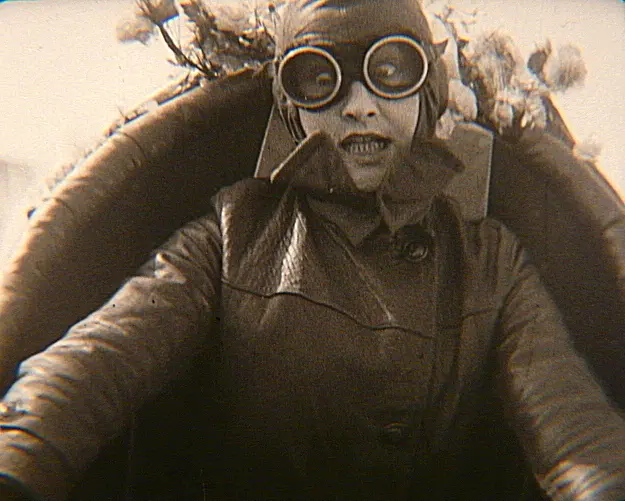
Yes, Midnight Lovers is worth watching today for specific audiences.
It offers a valuable glimpse into early 20th-century filmmaking.
Silent film enthusiasts will appreciate its dramatic integrity.
Anna Q. Nilsson's performance is a standout and compelling.
The film explores themes of betrayal and resilience that remain timeless.
However, its deliberate pacing may not appeal to everyone.
Those seeking fast-paced action or modern narrative structures might find it slow.
Ultimately, it's a worthwhile watch for those open to its unique charms.
Midnight Lovers is a compelling, if somewhat anachronistic, piece of silent cinema that manages to articulate profound emotional truths through its lead performance. It’s a film that demands patience, rewarding those who are willing to immerse themselves in its deliberate rhythm and subtle visual storytelling. While its plot might feel familiar, and its supporting cast occasionally thin, Anna Q. Nilsson’s central portrayal elevates the material significantly, anchoring the melodrama in a raw, human reality. It works. But it’s flawed. This isn't a forgotten masterpiece, nor is it a cinematic misstep; it's a solid, emotionally resonant drama that offers valuable insights into the social and emotional landscapes of its time. For those with an appreciation for the era, it's a journey well worth taking, despite its occasional narrative meanderings. It's a testament to the enduring power of silent film to convey deep human experience without a single spoken word.
IMDb 6.7
1927
Community
Log in to comment.