DbcultAccessing Vault...
6.4/10
Senior Film Conservator
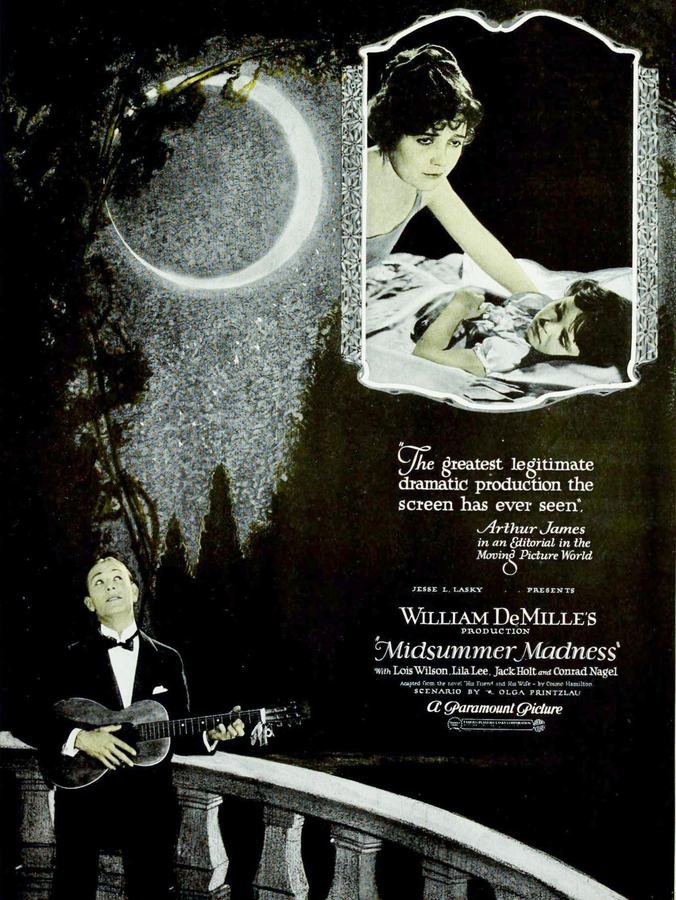
A definitive 6.4/10 rating for a film that redefined the boundaries of cult cinema. Midsummer Madness remains a cornerstone of transgressive art.
In the annals of early cinema, few films capture the delicate dance between desire and societal constraint with the nuanced precision of "Midsummer Madness". This silent era gem, often overlooked amidst flashier spectacles, presents a profoundly human drama, exploring the treacherous currents of marital dissatisfaction and the intoxicating pull of forbidden affection. It’s a compelling study of character, a narrative that deftly navigates the internal landscapes of its protagonists without the aid of spoken dialogue, relying instead on the expressive power of performance, cinematography, and the subtle cues of human vulnerability. For anyone keen to delve into the psychological complexities that silent films could so masterfully convey, this particular picture offers a rich tapestry of emotional depth and moral inquiry.
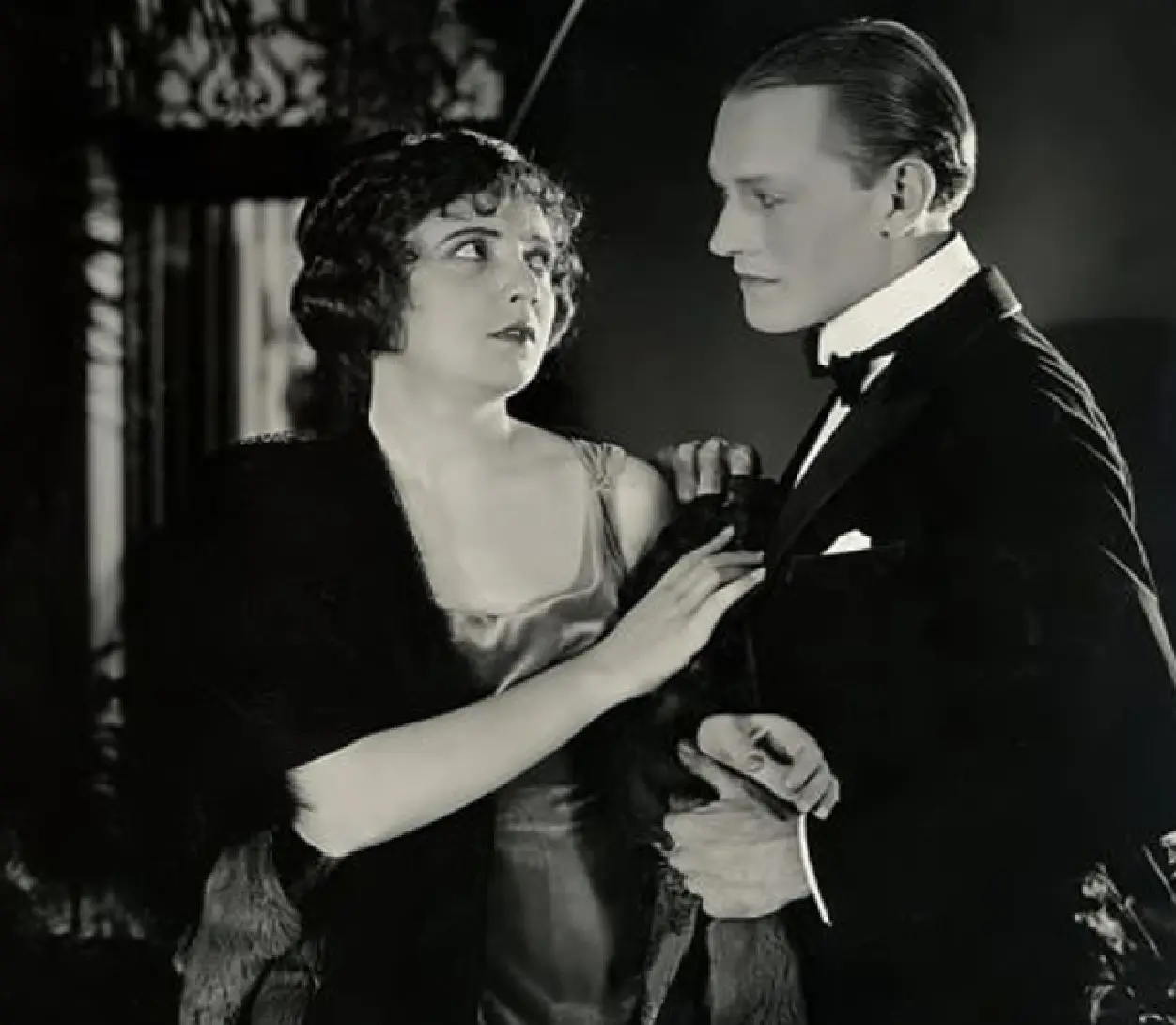
The narrative commences with a seemingly innocuous event: Daisy, Julian's wife, departs to attend to her ailing father. This absence, however, is not merely a plot device; it's a catalyst, a vacuum into which the unspoken resentments and unfulfilled desires of Julian (portrayed with a compelling blend of strength and vulnerability by Jack Holt) begin to seep. Holt, a stalwart of the era, imbues Julian with a palpable sense of internal struggle, making his susceptibility to temptation entirely believable. His domestic life, implicitly depicted as respectable but perhaps emotionally stagnant, stands in stark contrast to the vibrant, yet neglected, spirit of Margaret. Margaret, the wife of Julian's best friend, is a woman adrift, her emotional needs unmet, her spirit dulled by the inattention of her spouse. The film, through careful visual storytelling, paints a portrait of two individuals, each experiencing a profound sense of isolation despite their proximity to love and companionship. This fertile ground of emotional deprivation becomes the breeding ground for a dangerous connection, a shared understanding that transcends the boundaries of conventional friendship and marital loyalty. The screenplay by Olga Printzlau and Cosmo Hamilton, a testament to their keen understanding of human psychology, lays bare these vulnerabilities with an almost surgical precision, demonstrating that the most profound dramas often unfold in the quiet spaces between words and actions.
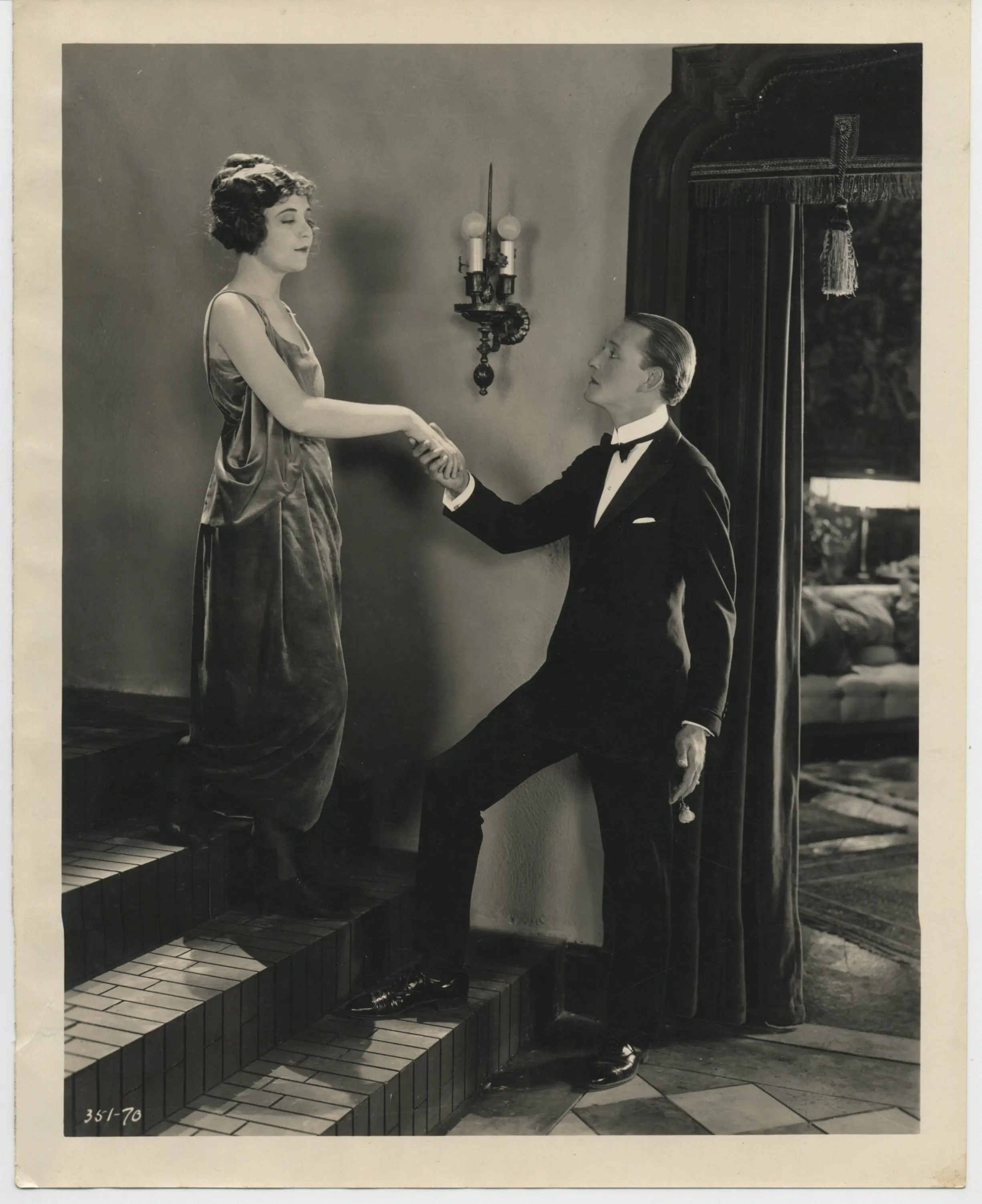
As Daisy's absence extends, Julian and Margaret find themselves increasingly drawn to one another. Their interactions, initially innocent, gradually acquire an electric charge, a silent acknowledgment of a mutual longing. The film excels in conveying this burgeoning attraction through subtle glances, lingering touches, and shared moments of quiet understanding. It’s a masterclass in non-verbal communication, with the actors – particularly Jack Holt and Lois Wilson (presumably in the role of Margaret, though specific casting details for this film’s characters can be elusive from this distance in time, Wilson's known prowess makes her an ideal fit for such a nuanced role) – delivering performances rich in emotional subtext. Wilson, with her expressive eyes and delicate demeanor, perfectly embodies the woman on the brink, yearning for connection. Their connection isn't portrayed as mere lust, but as a deeper, more dangerous emotional kinship, a resonance of two neglected souls finding solace in each other's presence. This slow, deliberate build-up of tension is one of the film's greatest strengths, allowing the audience to fully grasp the seductive power of shared vulnerability. The narrative doesn't rush to judgment; instead, it invites viewers to empathize with the characters' predicament, understanding the complex web of emotions that drives them towards a potentially ruinous path. The moral quandaries presented here echo those found in other silent era dramas exploring human frailty, perhaps even more overtly than a film like The Amateur Liar, where deceit is more overt than the subtle emotional infidelity at play here.
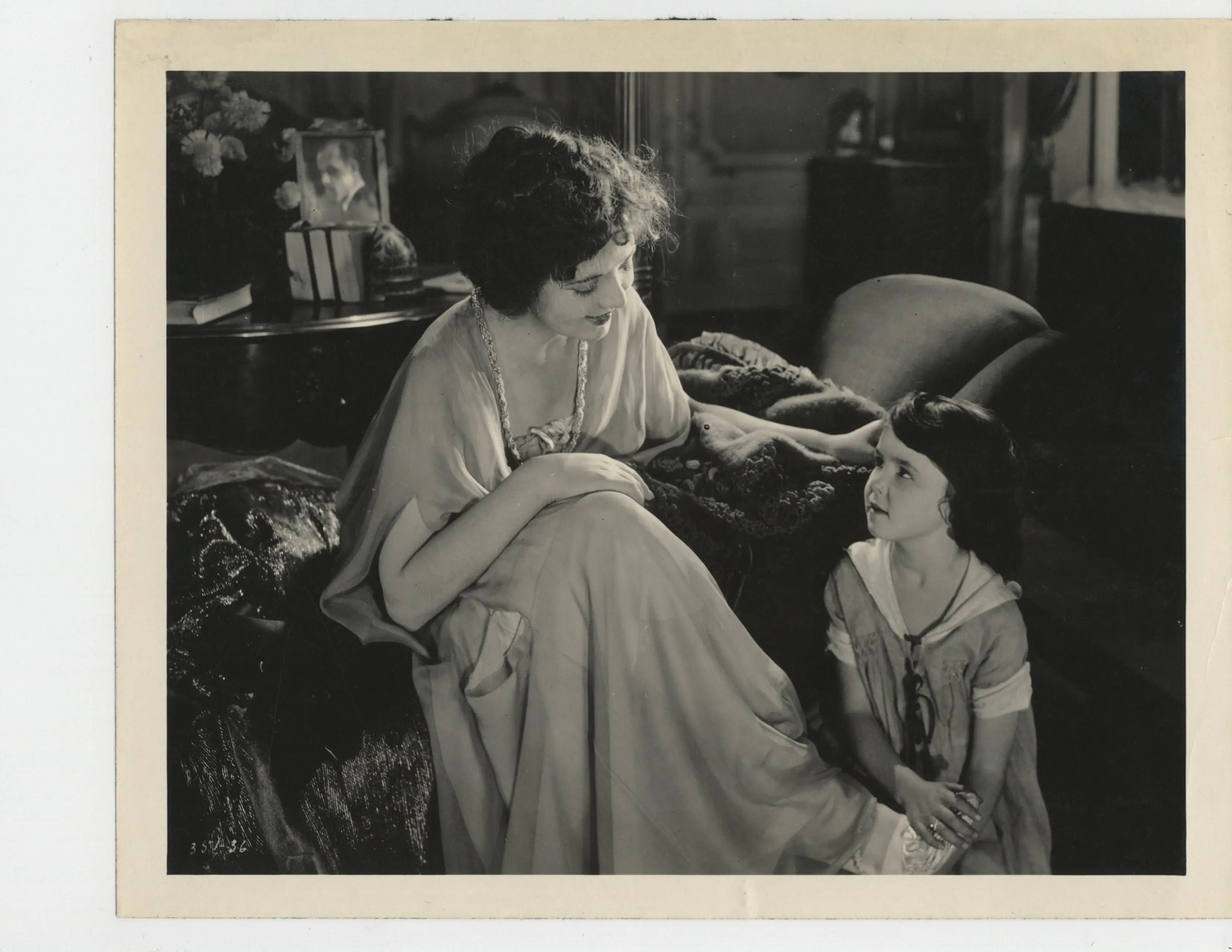
The decision to escape to a mountain resort marks the literal and metaphorical ascent into a forbidden zone. The mountain, with its majestic isolation, becomes a character in itself – a place of heightened emotion, far removed from the constraints of their everyday lives. Here, amidst the serene yet wild landscape, Julian and Margaret confront the full force of their mutual attraction. The cinematography, likely employing sweeping vistas and intimate close-ups, would have emphasized both the grandeur of their escape and the intense, confined nature of their burgeoning passion. It is in this secluded haven that their affair teeters on the precipice of consummation. The air is thick with anticipation, a silent symphony of desire and apprehension. The film builds to this moment with exquisite tension, each frame laden with the weight of impending transgression. This is where the "madness" of the title truly manifests – a temporary suspension of reason, a surrender to impulse born from deep-seated emotional hunger. The setting serves as a temporary sanctuary, a place where societal rules seem to lose their grip, allowing raw human emotion to take precedence. The very act of seeking this secluded spot speaks volumes about their desperate need for an unobserved space, a world where their nascent love could, for a fleeting moment, exist without judgment. This desperate quest for emotional freedom, even if fleeting, is a recurring motif in cinema, often leading to profound consequences, much like the characters' struggles with societal pressures in a film such as On with the Dance, albeit in a different context.
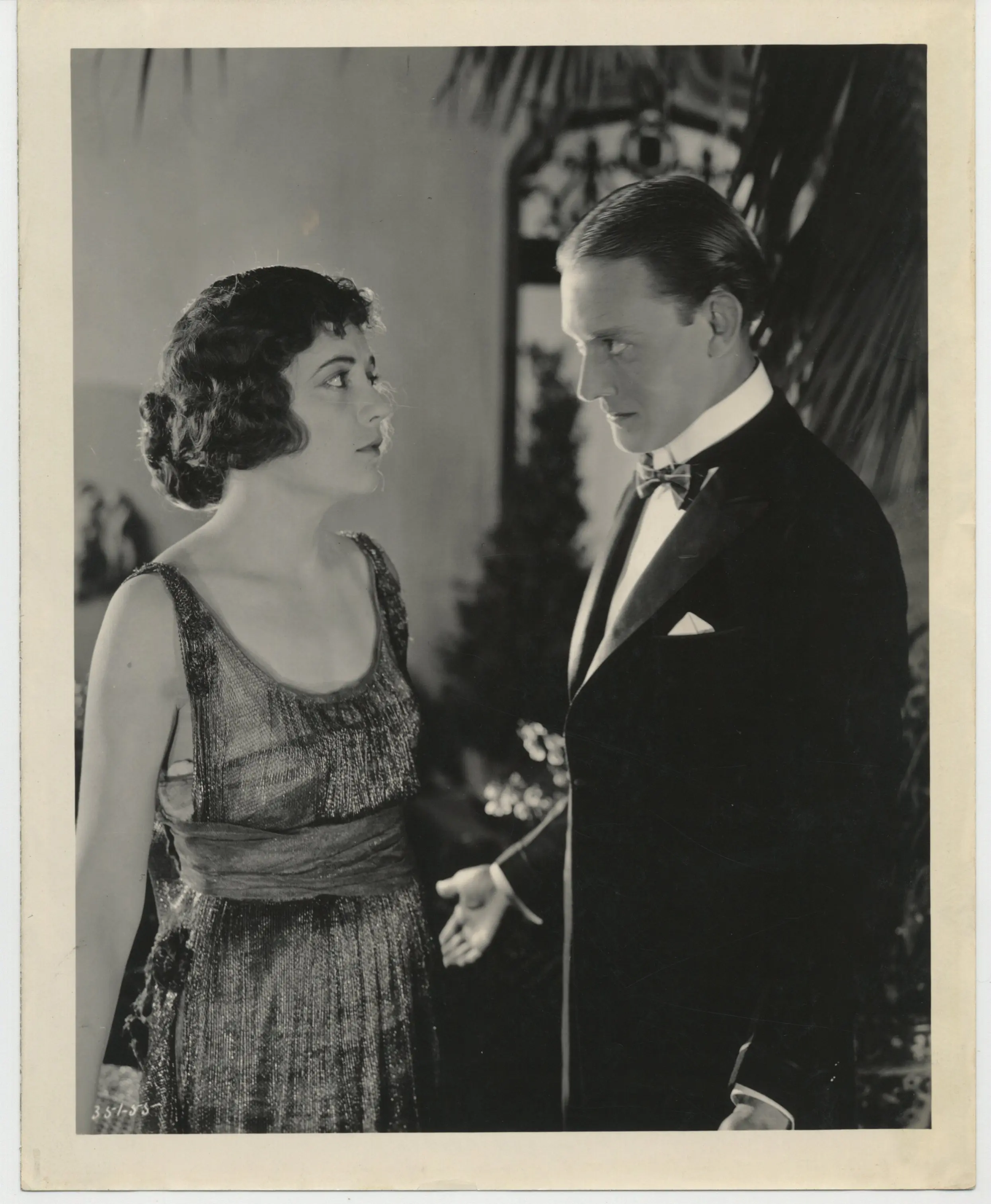
Just as Julian and Margaret are about to cross the irreversible threshold, something happens. The plot synopsis is tantalizingly vague about this pivotal event, and this ambiguity is precisely where the film's brilliance lies. It could be an external interruption, a telegram, a chance encounter, or, more powerfully, an internal awakening – a sudden, searing pang of conscience for Margaret. Her "second thoughts" are the emotional anchor of the entire narrative, pulling the story back from the brink of tragedy and into the realm of profound moral introspection. This moment is a testament to the enduring power of ethical boundaries, even when severely tested by intense desire. It highlights the internal conflict that defines true human drama: the battle between what one wants and what one knows is right. Margaret’s hesitation transforms the film from a simple tale of infidelity into a complex exploration of redemption and the weight of responsibility. Her character, at this juncture, becomes a powerful symbol of moral fortitude, demonstrating that even in the throes of passion, the human spirit can reclaim its sense of duty and integrity. This internal struggle for moral rectitude resonates deeply with the themes explored in Captain of His Soul, where characters frequently grapple with the profound implications of their choices on their very essence.
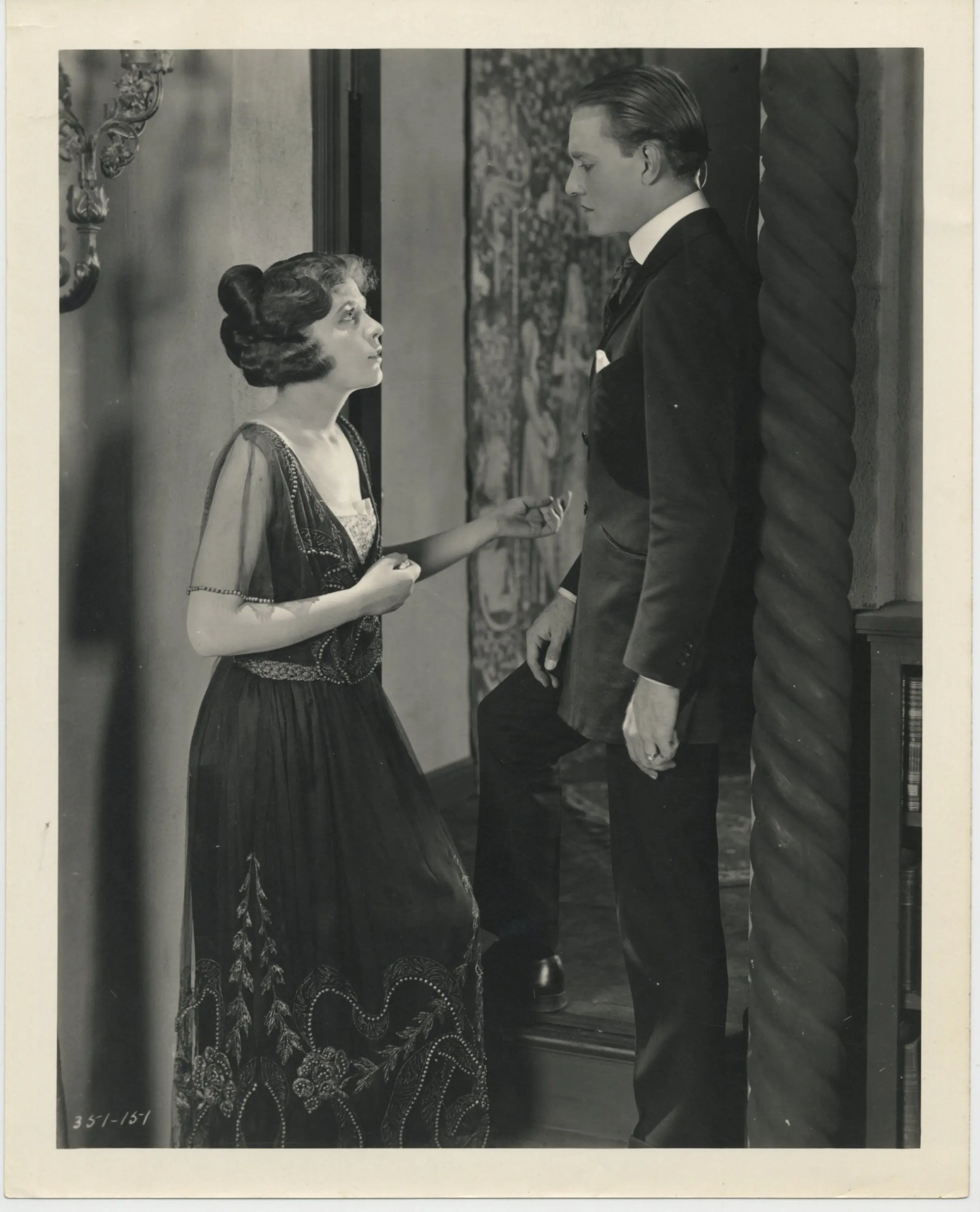
The aftermath of Margaret's change of heart is where the true "complications" ensue. The film does not offer easy answers or simplistic resolutions. Instead, it delves into the intricate web of emotional fallout that inevitably follows such a close brush with betrayal. Julian and Margaret must now navigate the treacherous terrain of unspoken desires, guilt, and the awkward return to their respective lives, forever changed by their shared secret. The silent film medium, without expository dialogue, would have relied heavily on the actors' ability to convey these complex emotions through subtle gestures, facial expressions, and body language. The performances of Jack Holt and Lois Wilson would have been crucial in communicating the weight of their experience – the lingering regret, the unspoken longing, and the profound sense of what might have been. The film becomes a psychological thriller of sorts, as the characters grapple with the potential exposure of their near-transgression and the irreparable damage it could inflict on their families and friendships. This tension, though internal, is as potent as any external threat, keeping the audience riveted to the unfolding drama. The quiet agony of their return, the forced smiles, the avoidance of eye contact – all would have been meticulously crafted to convey the immense burden they now carry. This kind of nuanced portrayal of consequences, even when not overtly dramatic, is a hallmark of thoughtful storytelling, reminiscent of the subtle yet impactful emotional strains found in films like Easy Money, where choices, though seemingly small, ripple outwards with profound effect.
The success of "Midsummer Madness" rests heavily on the shoulders of its talented cast and the discerning eye of its director. Jack Holt, with his commanding yet sensitive screen presence, anchors the film as Julian, skillfully portraying a man torn between duty and desire. Lois Wilson, if indeed she played Margaret, would have brought her characteristic grace and emotional depth to a role demanding immense subtlety. Her ability to convey internal turmoil without uttering a single word would have been paramount. The ensemble cast, including names like Conrad Nagel (who often excelled in roles requiring nuanced emotional delivery), Claire McDowell, Peaches Jackson, Ethel Wales, Charles Ogle, Lillian Leighton, Lila Lee, George Kuwa, and Betty Francisco, would have contributed to the film's rich texture, creating a believable world around the central dilemma. The director's vision, guiding these performances and orchestrating the visual narrative, is crucial. Silent films, more than any other medium, rely on visual cues, symbolism, and the expressive power of the human face and body. The use of close-ups to capture fleeting emotions, the strategic deployment of lighting to emphasize mood, and the pacing of scenes to build tension are all hallmarks of effective silent film direction. "Midsummer Madness", through its careful craftsmanship, proves that emotional resonance does not require dialogue, but rather an acute understanding of human nature and the art of visual storytelling. The writers, Olga Printzlau and Cosmo Hamilton, deserve significant commendation for crafting a narrative that, despite its simplicity in outline, offered such rich opportunities for character exploration and dramatic intensity, a foundation upon which the director and actors could build a truly memorable experience.
Decades after its initial release, "Midsummer Madness" continues to resonate due to its timeless themes. The struggle between personal desire and moral obligation, the pain of marital neglect, and the seductive power of a forbidden connection are universal human experiences that transcend any specific era or cultural context. The film serves as a potent reminder that the complexities of the human heart remain constant, regardless of the technological advancements in filmmaking. It invites contemporary audiences to reflect on the nature of fidelity, the importance of emotional fulfillment within a relationship, and the often-unseen forces that shape our choices. In an age saturated with explicit dialogue and overt emotional declarations, the silent film's reliance on subtle implication and visual poetry can be a refreshing and deeply engaging experience. It encourages a more active viewership, inviting the audience to interpret and feel the emotions rather than simply being told them. This active engagement fosters a deeper connection to the characters and their plight, making the film's moral quandaries all the more impactful. Its exploration of internal conflict, rather than external spectacle, places it firmly in the tradition of character-driven dramas, proving that profound stories don't need sound to be heard. The emotional intensity, the 'frenzied film' aspect of human passion and its consequences, certainly draws parallels with the title of Frenzied Film, albeit with a more understated, psychological approach.
In conclusion, "Midsummer Madness" stands as a compelling testament to the power of silent cinema to explore the intricate nuances of the human condition. It’s a film that demands attention, rewarding viewers with a rich emotional experience and a thought-provoking examination of love, loyalty, and the relentless whisper of conscience. For those who appreciate the artistry and psychological depth of early filmmaking, this picture is an essential viewing, a quiet masterpiece that speaks volumes without uttering a single word. Its capacity to provoke introspection and empathy solidifies its place as a significant, albeit perhaps underexposed, work in the history of cinema. It’s a compelling argument for the enduring power of classic storytelling, rendered with an elegance and emotional sincerity that continues to captivate and challenge audiences today. The film, through its timeless themes and masterful execution, reminds us that the most profound dramas often unfold within the confines of the human heart, where the battles of desire and duty are fought in silence, yet with devastating impact.
IMDb —
1923
Community
Log in to comment.