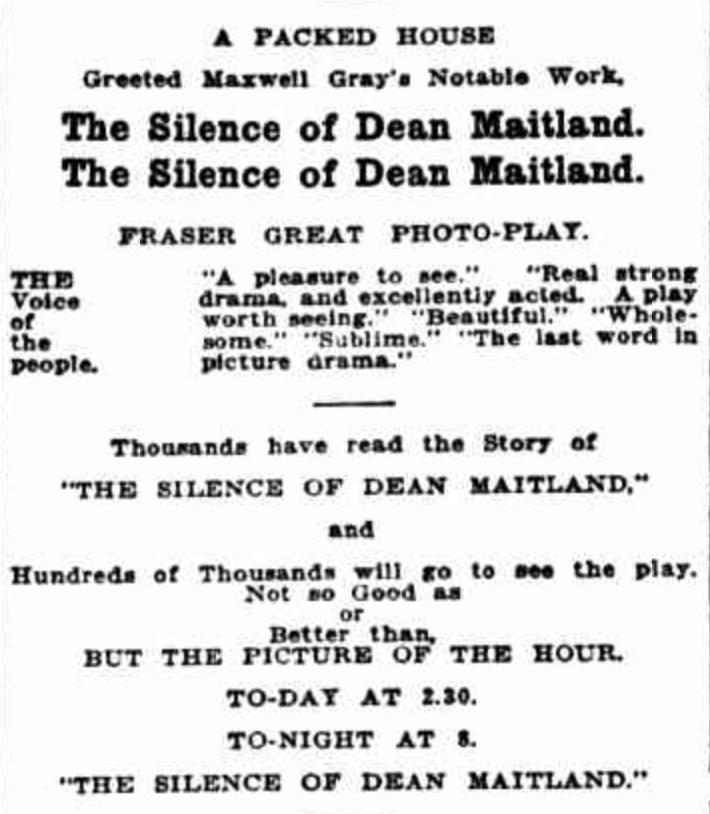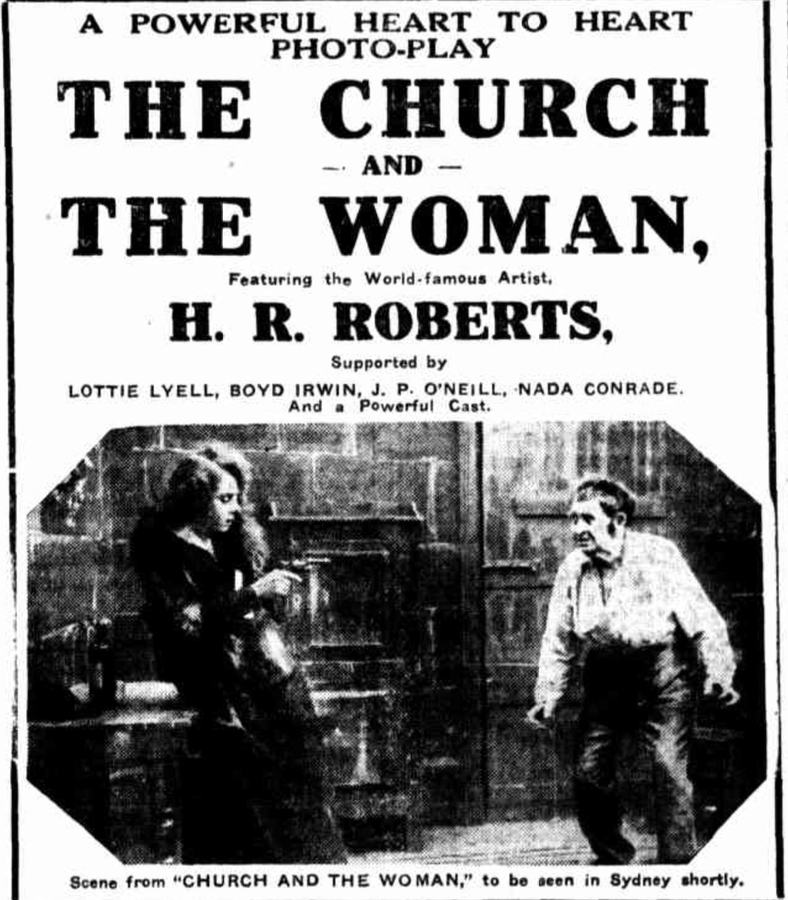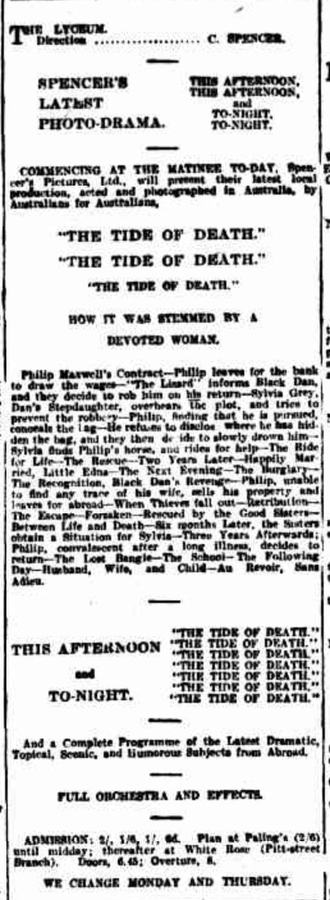
Raymond Longford’s The Tide of Death arrives like a bottle hurled from 1912 whose note has only now washed up bleached and barnacle-scarred. Most silents of the era chase sensation across the surface; this one lets the undertow speak. Ada Clyde—part siren, part orphan—embodies a colony that refuses to confess its crim...
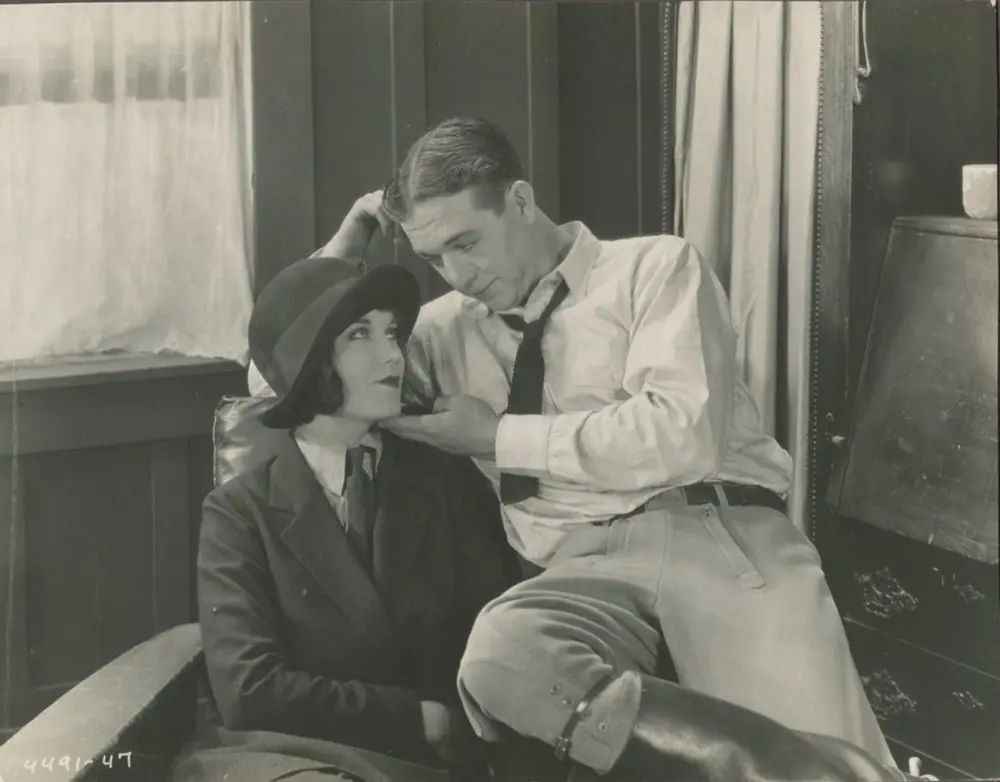
Comparing the cinematic DNA and archive impact of two defining moments in cult history.
Raymond Longford

Raymond Longford
Community
Log in to comment.
" Raymond Longford’s The Tide of Death arrives like a bottle hurled from 1912 whose note has only now washed up bleached and barnacle-scarred. Most silents of the era chase sensation across the surface; this one lets the undertow speak. Ada Clyde—part siren, part orphan—embodies a colony that refuses to confess its crimes aloud yet nightly grinds them in the millstone of surf. She moves through shots as though the camera itself were a rockpool: every ripple rewrites her face, every frame leaves s..."
Deep dive into the cult classic
Discover similar cinematic experiences
A Directorial Spotlight on Raymond Longford