DbcultAccessing Vault...
Cult Review
Senior Film Conservator
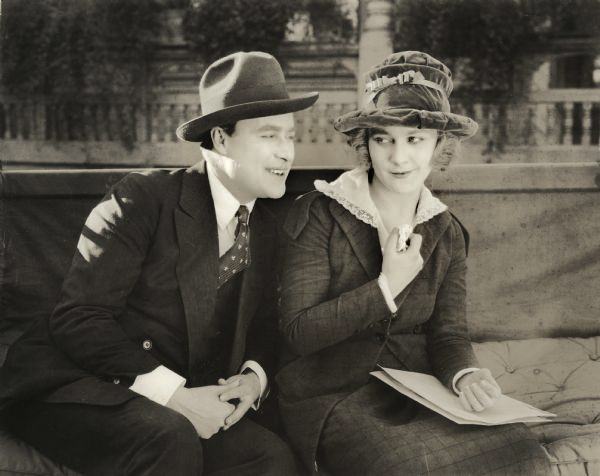
Beneath the flickering nitrate sheen of Johnny-on-the-Spot lies a seismic tremor rattling the foundations of American self-help mythology. Director William C. Dowlan crafts not merely a romantic caper but a sly dismantling of manifest destiny’s lazier cousin—the delusion that fortune favors the passive. Fred Warren’s Johnny Rutledge enters as a walking paradox: a dandyish scribe preaching inertia while comfortably moored in family wealth. His treatise "Taking it Easy, or Everything Comes to Him Who Waits" initially reads as aristocratic affectation, yet Warren imbues Johnny with such earnest, gangly charm that we glimpse the authentic pathology beneath: a terror of agency masquerading as philosophy.
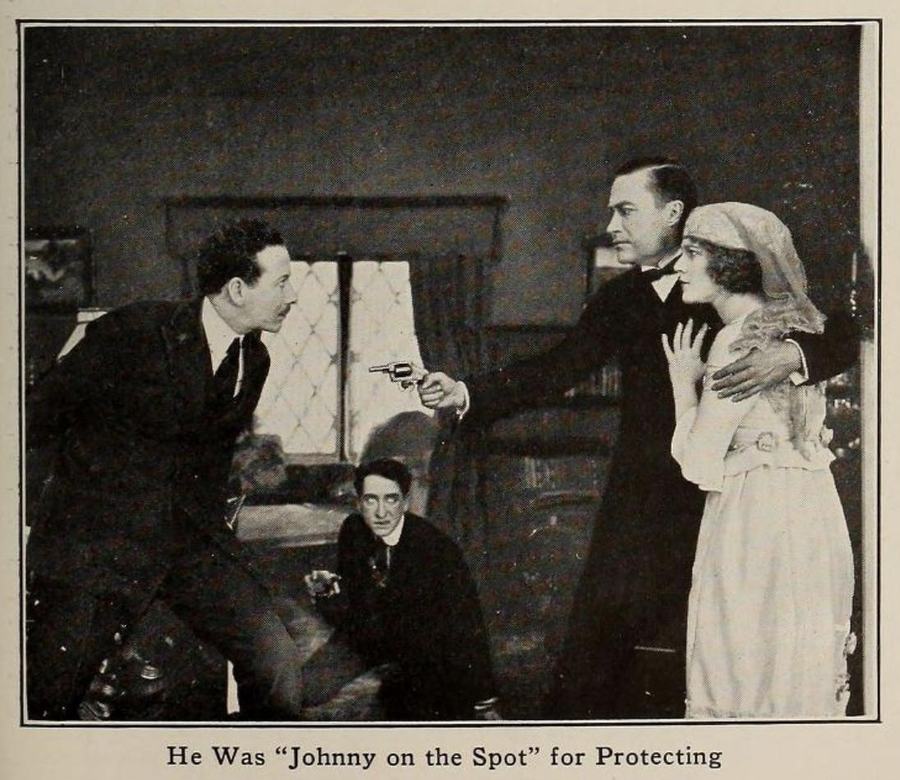
Economy dictates motion. When Johnny relinquishes his last coin to Louise Lovely’s marvelously flinty Anne Travers, the gesture transcends chivalry—it’s economic suicide baptizing rebirth. Dowlan stages the eviction sequence with Chaplinesque pathos: Johnny’s trunk tumbling down stairwells like a coffin for privilege. His descent into medicine show hucksterism becomes a perverse pilgrimage. Watch Warren’s elastic physicality during the "Miraculous Elixir" pitch—a ballet of flailing limbs and desperate grins. Here, the film parallels Chasing Rainbows’ exploration of artistic compromise, yet diverges radically. Johnny isn’t chasing fame; he’s fleeing responsibility through sideways effort.
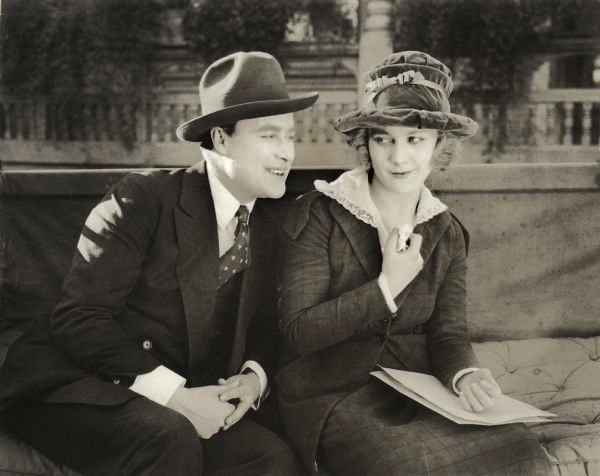
"Warren accomplishes the near-impossible: making inertia magnetic. His Johnny moves with the deliberate lethargy of a sun-drunk lizard until circumstance electrifies his spine."
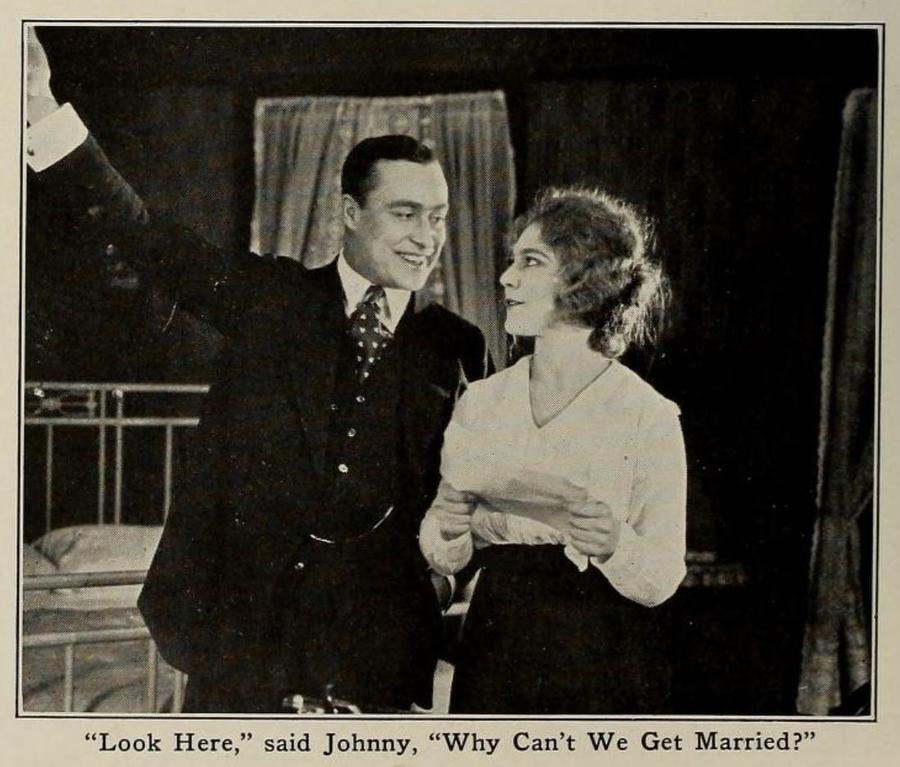
Louise Lovely’s Anne risks becoming a marriage-mart marionette, yet the Australian star injects startling agency. Observe her typing scenes—fingers hammering keys like artillery fire—a woman weaponizing words in a world that values her only as bride or heiress. Philo McCullough’s villainous impersonator offers fascinating counterpoint to Johnny; both men fabricate identities, but where Johnny’s ministerial drag is heroic farce, McCullough’s author masquerade is predatory performance art. His recitation of "faux Fitzgerald" prose to seduce Anne remains a masterclass in silken menace. The inheritance plot—reminiscent of The Money Mill’s financial entanglements—transforms into a ticking chronometer strapped to romance.
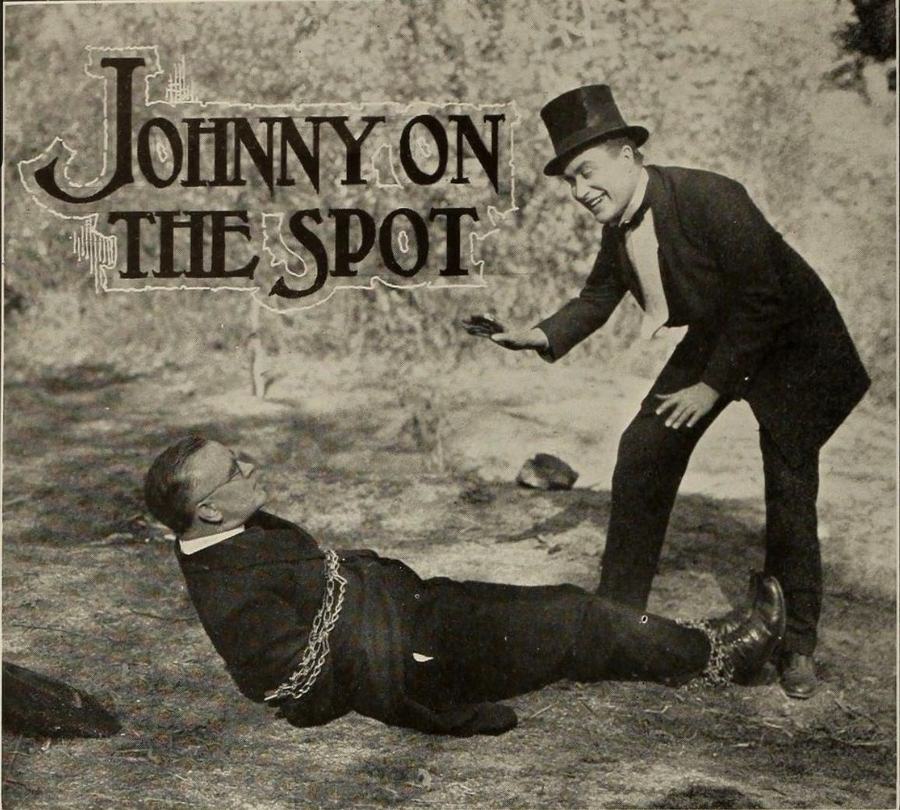
Screenwriters Shannon Fife and June Mathis execute narrative alchemy, transmuting creaky farce mechanics into existential inquiry. Johnny’s climactic metamorphosis—from "waiter" to whirlwind—isn’t mere character growth but ideological assassination. His stolen roadster careening toward fraud-interrupted nuptials becomes the chariot of shattered dogma. Dowlan films the dash with vertiginous whip pans, the landscape blurring like tenets erased. When Johnny bursts through chapel doors, collar askew and panting "STOP!", he isn’t halting a wedding—he’s dynamiting his own thesis.
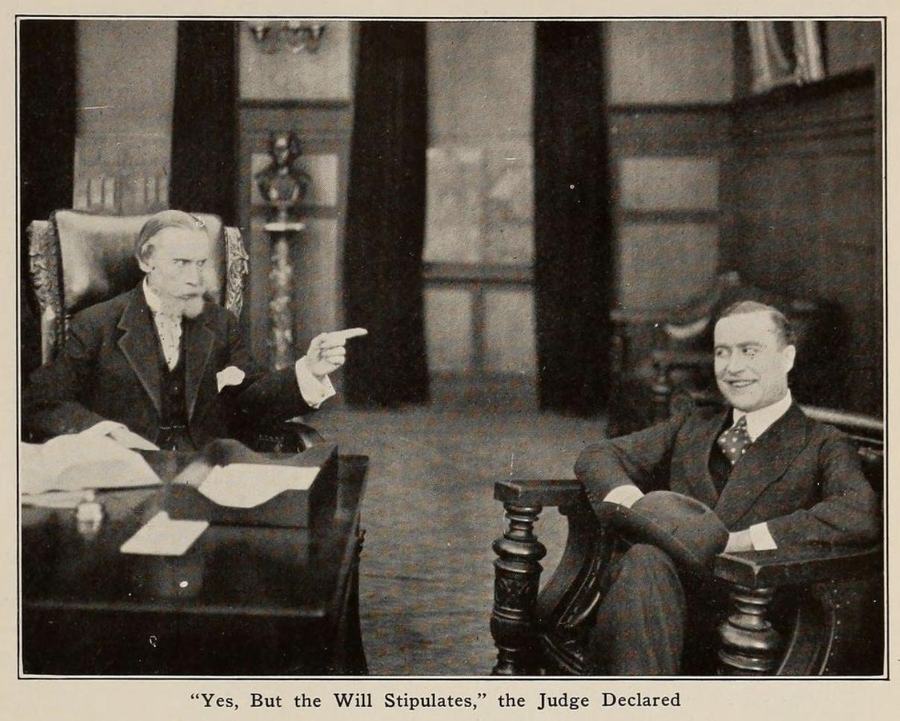
Johnny’s clerical impersonation warrants scrutiny beyond slapstick. In pilfering ecclesiastical authority, he performs the ultimate heresy against his passive creed—seizing agency through sacrilegious theater. Warren plays the scene with sublime duality: sweat beading beneath a borrowed collar while eyes flash righteous fury. Compare this to the performative fraud in The Scarlet Sin, where disguises serve corruption. Here, the costume becomes conduit for authenticity—Johnny speaks wedding vows not as deception, but delayed confession.
Cinematographer Robert Newhard paints in chiaroscuro extremes. Johnny’s initial apartment glows with buttery sunlight—complacency made visible—while the medicine show exists in perpetual twilight, campfire flickers carving desperation onto faces. Newhard’s masterstroke arrives during the highway chase: moonlit asphalt becomes a mercury river, the stolen convertible’s headlamps slashing through darkness like existential searchlights. This kineticism anticipates the vehicular lyricism of The Valley of the Giants, but here it serves psychological urgency.
The resolution delivers delicious irony: Johnny attains paternal approval not through toil, but reward money—fortune emerging from chivalric intervention. Edward Connelly, as the executor dispensing checks and benedictions, embodies institutional validation. Johnny’s final sprint to the lawyer’s office mirrors his bridal rescue, equating romantic and financial salvation. His snarled retort "There ain’t no such word" isn’t rejection of ease, but hard-won wisdom: action and consequence are irrevocably married. In this, the film prefigures The Easiest Way’s critique of transactional relationships, yet lands on sunnier shores.
Rediscovering Johnny-on-the-Spot feels like unearthing a lightning bolt in a fossil. Its critique of passivity resonates amid modern "hustle culture" exhaustion. Warren’s performance—bridging Buster Keaton’s stoicism and Fairbanks’ athleticism—deserves canonization. Mathis’ script, layered with gendered expectation subversions (Anne’s authorship vs. inheritance; Johnny’s domestic rebellion), remains startlingly progressive. While lesser works like Martha's Vindication leaned on melodrama, this film weaponizes farce as philosophical grenade. Its final image—Johnny sprinting toward new chaos, Anne’s laughter echoing—isn’t closure but commencement: the endless, glorious friction between motion and meaning.
Over a century later, Johnny’s stolen roadster still kicks gravel in our faces. We are all heirs to his dilemma: when to wait, when to wreck. The film’s genius lies in admitting the answer shifts daily—and that sometimes, salvation requires stealing a car, a collar, and the moment itself.
IMDb 5.2
1935
Community
Log in to comment.