DbcultAccessing Vault...
Cult Review
Senior Film Conservator
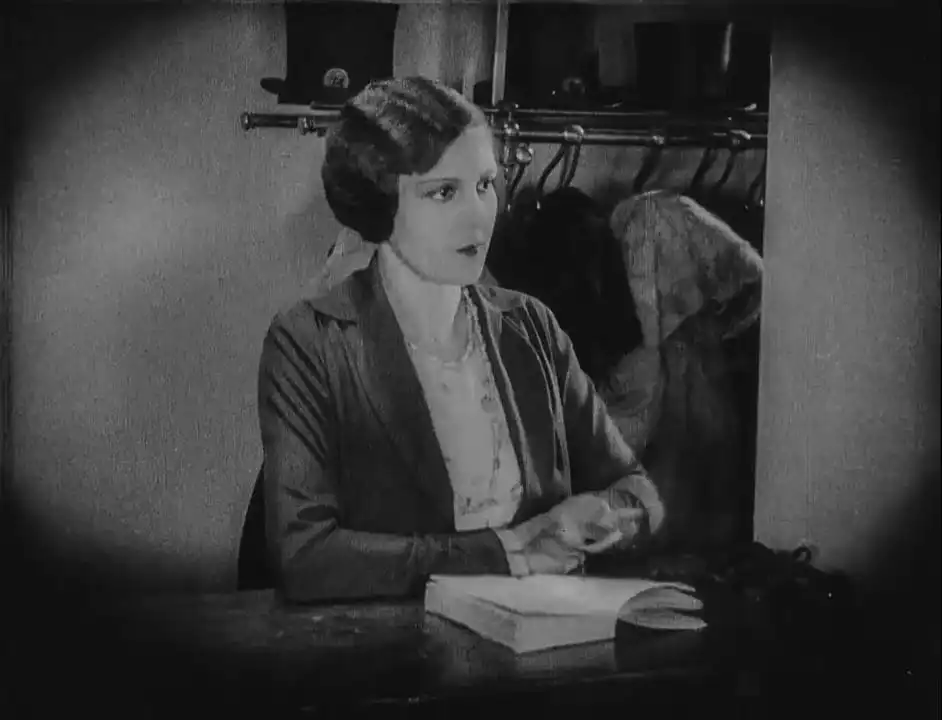
Jacques de Baroncelli’s 1934 drama Minuit... place Pigalle is a film that earns its melancholic title. For enthusiasts of classic French cinema, particularly those drawn to atmospheric character studies and the brooding undercurrents of pre-war Paris, this is a picture worth seeking out. It offers a tangible sense of a bygone era, anchored by a central performance that quietly resonates. However, those expecting a brisk narrative or overt emotional fireworks might find its deliberate pace and understated drama a challenging proposition. It’s a film that asks for patience, rewarding it with a specific kind of world-weary charm.
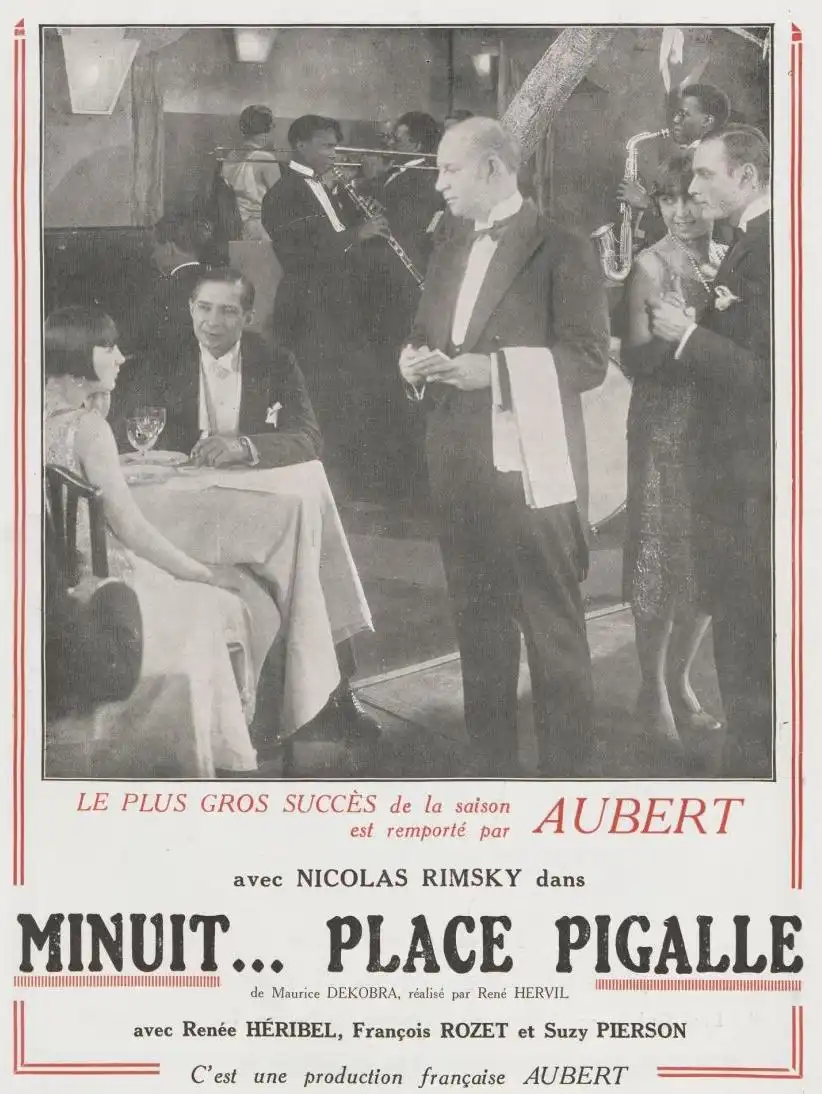
The film hinges almost entirely on Mona Lys’s portrayal of the fallen proprietor. She isn't given grand monologues or explosive outbursts; instead, her performance is a masterclass in internalisation. When she first appears, commanding the club, there’s an undeniable air of authority in her posture and the way she holds court. The shift, once she returns to her old haunt in a menial role, is subtle but devastating. It’s not just the change in costume – the severe, practical uniform replacing her earlier, more flamboyant attire – but the way her eyes track the patrons, a flicker of proprietary ownership mixed with profound loss. There’s a particular scene where she’s asked to fetch a drink for a former regular who doesn't quite recognise her; the slight hesitation in her step, the way her grip tightens almost imperceptibly on the tray, speaks volumes about the indignity she endures. It’s a moment that stays with you, devoid of dialogue, yet rich with subtext.
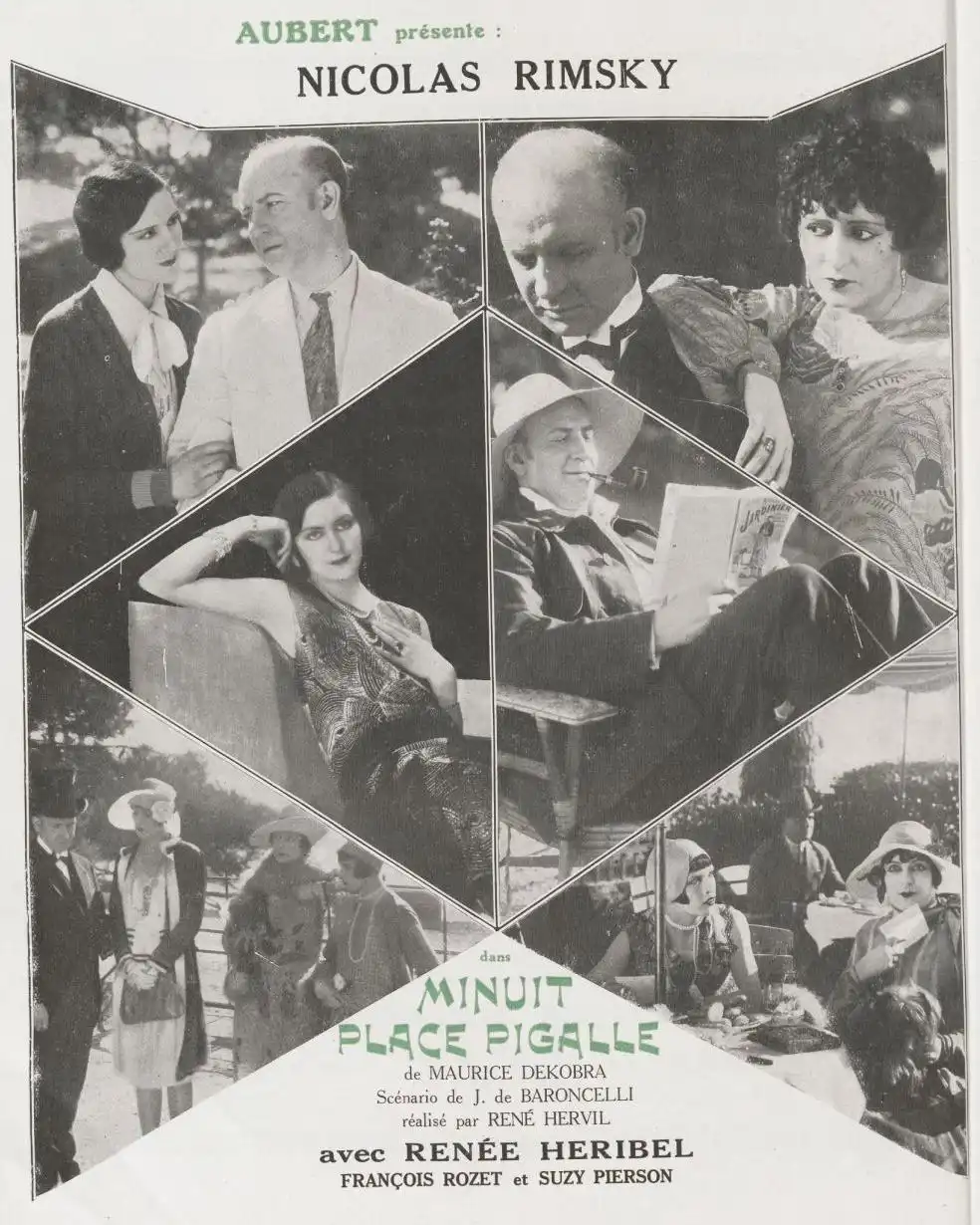
The supporting cast, while less central, largely holds their own. Fernand Fabre, as a figure from her past, manages to convey a sense of genuine concern without veering into overt sentimentality. His interactions with Lys are often marked by an awkward politeness, a clear understanding of the unstated history between them. Tardif, in a smaller role, provides a glimpse into the club's underbelly, his character a cynical counterpoint to Lys’s quiet suffering. The film doesn't delve deeply into these secondary figures, but their presence effectively rounds out the world of the Pigalle club, each playing their part in the protagonist's new, diminished reality.
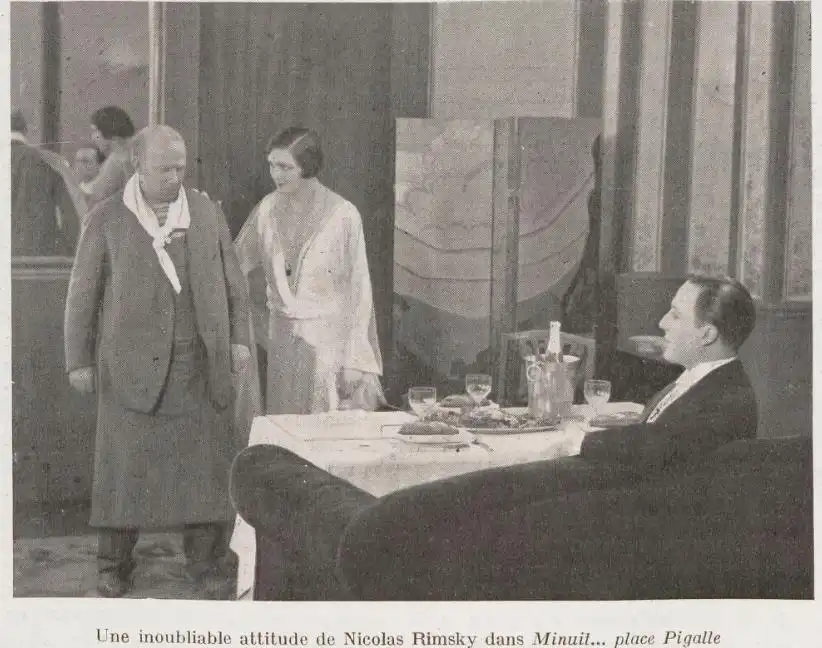
Minuit... place Pigalle unfolds at a measured, often contemplative pace. Baroncelli isn't interested in rushing the narrative; he allows scenes to breathe, sometimes to a fault. The initial setup, establishing the proprietor's reign and subsequent downfall, feels appropriately weighty. However, once the protagonist is back in the club as a lowly employee, the film occasionally settles into a rhythm that verges on sluggishness. There are sequences where the camera lingers a little too long on the bustling crowd or the melancholic street scenes, almost as if waiting for something to happen that doesn't quite materialise. While these moments contribute to the film’s atmospheric qualities, they can test the patience of viewers accustomed to more dynamic storytelling.
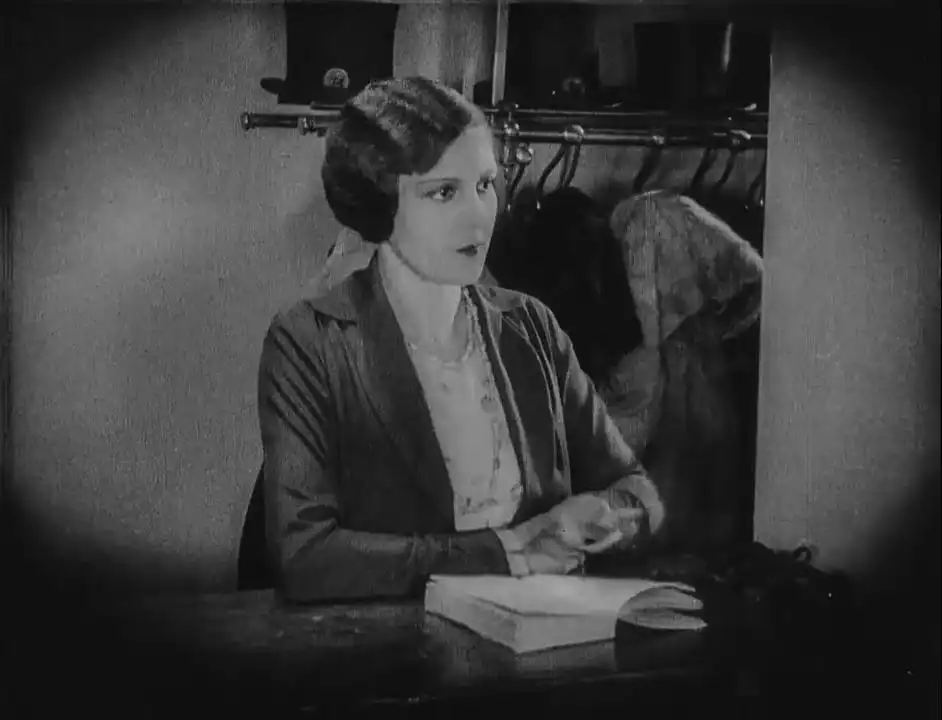
The tone is consistently somber, steeped in a pervasive sense of loss and resignation. There are flashes of the boisterous energy of the nightclub, particularly in the early scenes, but these are quickly overshadowed by the protagonist's quiet struggle. The film largely avoids dramatic crescendos, preferring instead to observe the slow burn of her humiliation and her attempts to rebuild a life from the ashes. It's a tone that feels authentic to the story, but also one that demands a certain emotional investment to fully appreciate.
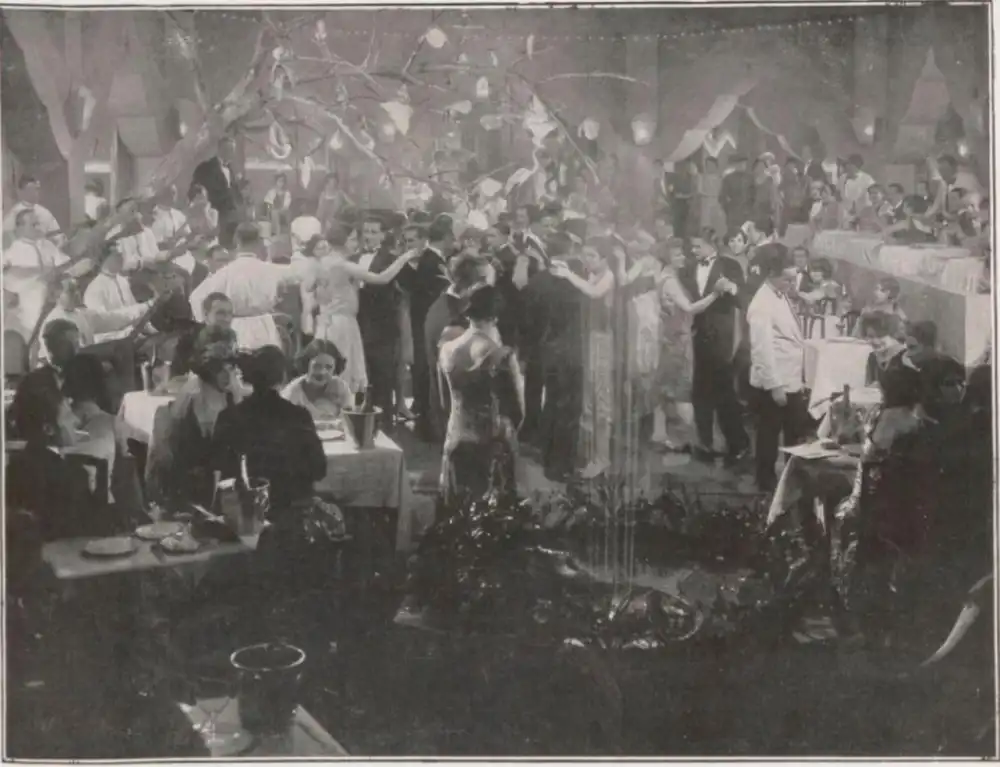
Visually, the film is a striking example of 1930s French black and white cinematography. The nightclub setting is rendered with a beautiful interplay of light and shadow, evoking a palpable sense of the era. Smoke hangs heavy in the air, catching the light from the stage and overhead lamps, creating a hazy, dreamlike quality that underscores the protagonist’s shifting reality. Baroncelli frequently employs deep focus shots within the club, allowing the viewer to take in the layered activity of the patrons, the dancers, and the background staff, all contributing to a rich sense of place. The exterior shots of Pigalle, with its neon signs (or their 1930s equivalent) and wet cobblestone streets, are particularly evocative, grounding the drama in a specific, recognisable Parisian locale.
One notable visual choice is the recurring motif of reflections. There are several instances where the protagonist's face is seen partially obscured or distorted in mirrors, windows, or even polished tabletops. This isn't just a stylistic flourish; it subtly reinforces her fragmented identity and her struggle to reconcile her past self with her present circumstances. It’s a visual shorthand that adds depth without needing explicit dialogue.
Minuit... place Pigalle is a film that understands the power of quiet observation. It’s not a grand, sweeping drama, nor does it aim for easy sentimentality. Instead, it offers a window into a specific corner of Parisian life, seen through the eyes of someone profoundly changed by circumstance. Its strengths lie in its ability to create a mood, to let a performance speak through subtle gestures, and to immerse the viewer in its smoky, melancholic world. While its leisurely pace demands a certain commitment, those willing to settle into its rhythms will find a film that, despite its age, still echoes with a genuine sense of human struggle and resilience.
For cinephiles interested in the nuances of early sound cinema and character-driven dramas, Minuit... place Pigalle remains a valuable, if not essential, watch. It’s a film that lingers, not for its plot twists, but for the quiet dignity of its central figure navigating the shadows of her own past, illuminated by the dim lights of a Pigalle nightclub.
IMDb —
1924
Community
Log in to comment.