DbcultAccessing Vault...
Cult Review
Senior Film Conservator
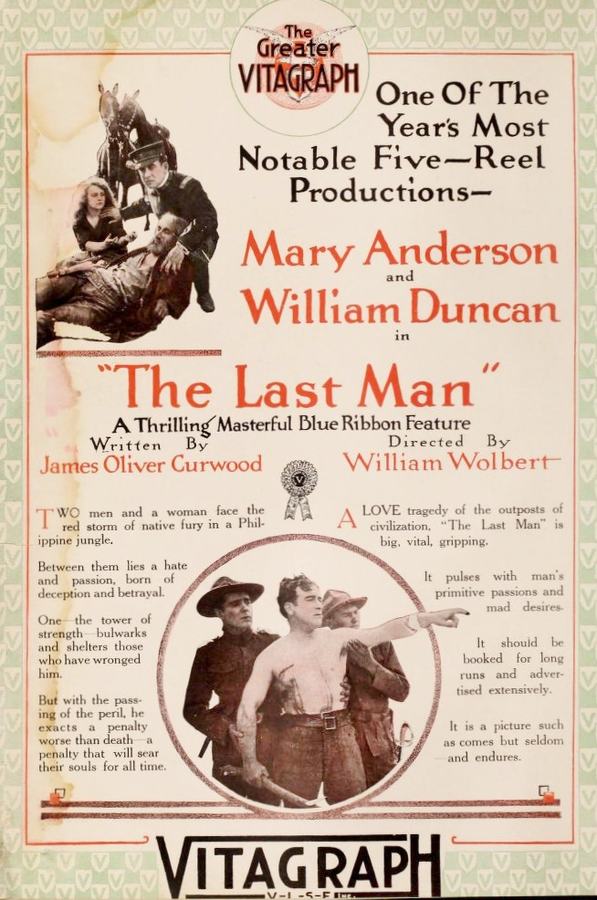
Stepping back into the cinematic landscape of 1919, one encounters 'The Last Man', a film that, even a century later, resonates with a surprising complexity of human emotion and societal expectation. This isn't merely a silent film; it's a profound exploration of disillusionment, the search for authentic connection, and the volatile nature of the human heart, all set against a backdrop of both domestic upheaval and colonial conflict. James Oliver Curwood, the celebrated writer, weaves a narrative tapestry that feels both epic and intimately personal, a testament to the power of storytelling even without spoken dialogue.
Major Harvey, portrayed with a brooding intensity by Jack Mower, returns from the rigors of military service in the Philippines to a Montana home that is anything but a sanctuary. The psychological weight of his experiences abroad seems to pale in comparison to the domestic betrayal awaiting him. His wife, Lorna (Corinne Griffith), a figure of captivating yet ultimately brittle elegance, has succumbed to the allure of Lieutenant Horne (William Duncan). This immediate plunge into infidelity and marital dissolution sets a stark, melancholic tone. The film doesn't shy away from depicting the raw pain of a broken trust, a theme that, while common in melodrama, is handled here with a surprising degree of nuance for its era. Lorna’s swift transition from wife to ex-wife and then to Horne's spouse speaks volumes about the shifting social mores of the time, where divorce, though still stigmatized, was becoming a more visible, if painful, reality for many.
Disillusionment, however, often paves the way for rediscovery. Harvey, recoiling from the perceived artifice and 'high society sophistication' embodied by Lorna, finds himself drawn to the antithesis of his former life. Jeanne MacDonald (Mary Anderson), a young woman from the rugged mountains, represents an unadulterated purity and strength. Her character is a deliberate contrast, a symbol of natural grace against Lorna's cultivated charm. This juxtaposition is a classic trope, seen in many films of the era, where the 'country girl' or 'natural woman' often embodies moral superiority over her urban, sophisticated counterpart. One might draw parallels to the moral clarity often sought in films like The Reclamation, where characters find redemption or truth away from corrupting influences. Harvey's decision to offer Jeanne a position as an army nurse and take her back to the Philippines is not just a pragmatic choice; it's a symbolic journey towards a new, more honest existence, leaving behind the wreckage of his past.
The return to the Philippines, however, is far from a clean break. The narrative masterfully orchestrates a dramatic convergence: Horne and Lorna are also stationed there, ensuring that the unresolved emotional tensions are not merely left behind but intensified. This geographical proximity forces a confrontation that might otherwise have been avoided, creating a potent sense of dramatic irony. The rising threat of the Philippine rebels serves as more than just an external conflict; it's a catalyst that strips away pretense and forces the characters to confront their true selves and their relationships under extreme duress. The siege itself is depicted with a raw intensity, a testament to the silent film era's ability to convey suspense and peril through visual storytelling and the dramatic performances of its cast.
During the harrowing ordeal, Lorna, ever the opportunist, attempts to rekindle her connection with Harvey. This moment is crucial. It highlights her capricious nature and perhaps a deep-seated insecurity, seeking comfort or validation from her former husband when facing mortal danger. Her actions underscore the film's exploration of emotional manipulation versus genuine affection. The silent performances of Griffith and Mower during these tense moments would have been critical, relying on subtle gestures and profound facial expressions to convey the complex interplay of hope, resentment, and lingering attachment.
The defeat of the rebels brings not just an end to the external threat but a definitive resolution to the internal conflicts. Harvey’s rejection of Lorna, despite her renewed overtures, is a pivotal moment, signaling his complete liberation from the past. It's a powerful affirmation of his newfound values and commitment to Jeanne. This choice is not merely about choosing one woman over another; it’s about choosing a life built on sincerity and stability over one marked by superficiality and betrayal. The marriage to Jeanne is the culmination of his journey, a symbolic embrace of the 'natural' and 'true' over the 'sophisticated' and 'false'. The film thus concludes on a note of moral clarity and personal triumph, a characteristic often found in the works of Curwood, who frequently explored themes of wilderness, morality, and the search for inherent goodness.
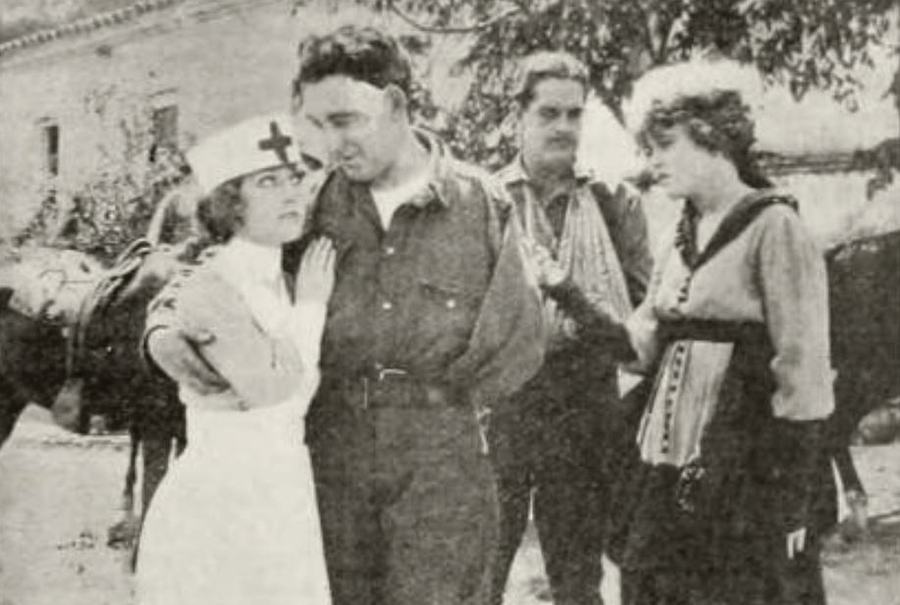
As a product of the late 1910s, The Last Man exemplifies many of the storytelling conventions and evolving techniques of early cinema. The use of intertitles, while necessary for dialogue and exposition, would have been carefully crafted to enhance emotional impact rather than merely state facts. The performances, particularly from Corinne Griffith as Lorna, would have relied heavily on exaggerated expressions and gestures, a hallmark of silent acting, yet Griffith manages to imbue Lorna with a certain tragic complexity, making her more than just a villainess. Her portrayal likely resonated with audiences who understood the constraints and temptations faced by women in a rapidly changing world.
The film's depiction of the Philippines and its indigenous population, while reflective of the colonial attitudes prevalent at the time, also serves a crucial narrative function. The 'exotic' setting heightens the drama and provides a stark contrast to the domestic scenes in Montana, symbolizing Harvey's psychological journey from a constrained, artificial existence to a more primal, authentic one. It's a common motif in adventure films of the era, where foreign lands often represent both danger and the opportunity for self-discovery, much like the perilous journeys depicted in On the Trail of the Spider Gang or even the more fantastical elements of The New Exploits of Elaine, albeit with a more grounded, dramatic intent here.
Major Harvey’s journey is one of profound transformation. He begins as a man betrayed and disillusioned, struggling with the remnants of a life that no longer serves him. His eventual choice to embrace Jeanne and reject Lorna is a declaration of self-worth and a commitment to genuine happiness. It’s a classic hero’s journey, not of physical conquest, but of emotional and moral clarity. Jeanne, though perhaps less complexly drawn, embodies the virtues that Harvey comes to value: honesty, steadfastness, and an unpretentious spirit. She is his anchor, a symbol of the stable and authentic life he craves.
Lorna, on the other hand, remains a fascinating, if problematic, character. Her fickleness and pursuit of fleeting passions make her a compelling figure, representing the dangers of superficiality and self-interest. While she might be viewed through a modern lens as a somewhat one-dimensional antagonist, within the context of early 20th-century morality plays, her character serves as a cautionary tale. Her inability to commit, her shifting affections during the siege, and her ultimate rejection by Harvey underscore the film's moral framework. One might compare her dramatic intensity to the titular character’s struggles in Camille, though Lorna’s motivations appear more self-serving than tragic.
The film, through its dramatic narrative, also subtly explores the societal expectations placed upon individuals, particularly women, in the wake of war. The return of soldiers, often carrying invisible wounds, and the domestic adjustments required, form a powerful undercurrent. The contrast between the rigid discipline of military life and the turbulent emotional landscape of domestic affairs is a recurring theme, demonstrating how personal lives are inextricably linked to broader societal shifts. The casting of Otto Lederer and Hans Unterkircher in supporting roles, while not central to the love triangle, would have contributed to the overall texture and authenticity of the military setting, grounding the melodrama in a believable world.
The Last Man, while perhaps not as widely known as some of its contemporaries, stands as a fascinating example of silent cinema's capacity for intricate storytelling and emotional depth. It navigates themes of love, betrayal, duty, and redemption with a compelling force that transcends the limitations of its medium. It's a reminder that even without spoken words, the power of visual narrative, expressive acting, and a well-crafted plot can convey universal truths about the human condition. The film, much like the enduring spirit of its protagonist, demonstrates a resilience and a timeless appeal, proving that some stories, particularly those centered on the fundamental choices that define us, never truly fade.
It’s a film that asks us to consider what truly constitutes 'sophistication' versus 'authenticity,' and whether the pursuit of fleeting pleasure can ever truly satisfy the deeper human need for connection and belonging. In its final moments, Harvey’s choice isn't just a personal triumph; it's a statement about the enduring value of integrity and the profound solace found in genuine companionship, making The Last Man a compelling watch for anyone interested in the rich tapestry of early filmmaking and the timeless dramas it brought to life.
IMDb —
1927
Community
Log in to comment.