DbcultAccessing Vault...
Cult Review
Senior Film Conservator
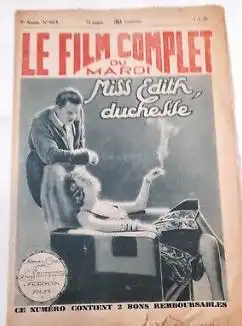
Right off the bat, if you're not already a fan of very old, let's say, vintage French cinema, then Miss Édith, duchesse probably isn't your next Friday night pick. This one's for the folks who really dig into film history, or those who find a strange beauty in the way stories were told almost a century ago. If you need quick cuts or modern pacing, you'll likely be checking your watch, a lot. 🕰️
The film opens with a real sense of… well, period. The sets feel grand yet a little sparse, like they’re trying to impress but also working on a budget. There’s a lot of fussing about social standing, as the title implies. Édith herself, played by Claude France, carries this air of quiet burden. Her eyes do a lot of the talking, which is good, because there isn't much talking at all. It’s a silent film, obviously, and the intertitles are your guides. Sometimes they pop up so fast I swear I missed half the context.
One scene, early on, sticks with me. Édith is at some sort of garden party, and she’s wearing this elaborate hat. Not just a hat, but a statement hat. You can almost feel the weight of it, not just on her head, but on her character’s shoulders. She keeps glancing over at this one gentleman, Charles Frank's character – always with a slight downturn to her mouth. It's subtle, but you pick up on it. There’s a longing there, or maybe just a deep tiredness. 🤔
The pacing, oh boy. It's an experience. Moments stretch out. A character might walk across a room, and the camera just... stays. You see every step. Every slight adjustment of a sleeve. It’s not boring, exactly, but it asks for a different kind of attention. You start to notice things, like the way the light hits a dusty corner of the drawing-room set. It’s almost meditative.
Pauline Carton, she’s in it too, playing a rather bustling, maybe a bit gossipy, character. Every time she comes on screen, there’s a little more energy. Her gestures are much bigger than everyone else’s, like she's constantly on the verge of spilling a secret. You just know she’s the one who knows everything, or at least thinks she does. Her presence is a welcome burst of life.
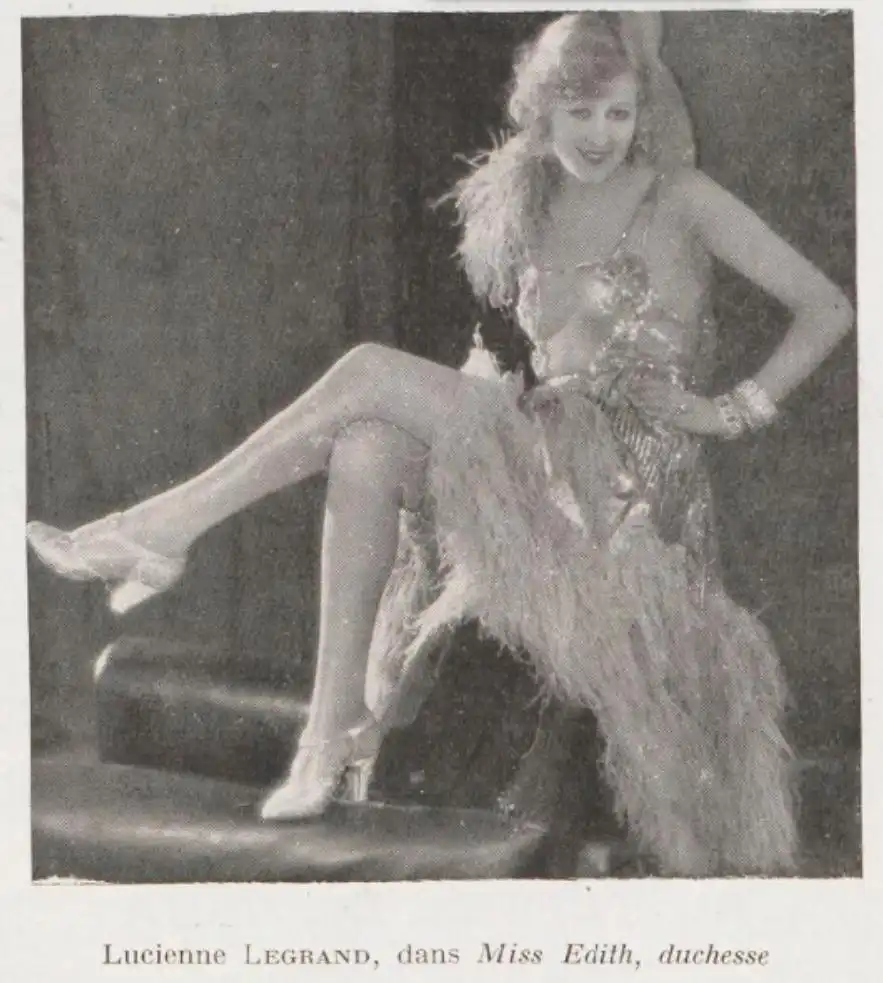
There's a particular shot of a teacup, sitting on a small table near a window. It’s just a teacup. Empty. But the shot lingers. For maybe five or six seconds longer than you’d expect. What was Donatien, the writer/director, trying to say there? Was it about emptiness? Loneliness? Or maybe the camera operator just held it a little too long that day. It's the little imperfections that make these old films feel so human. They're not perfect, shiny productions.
The film really leans into its melodrama, sometimes. Characters make grand pronouncements with their whole bodies. Hands fly up, chests heave. It’s almost funny in a charming way, because you know they’re giving it their all. There’s a confrontation scene, I won’t spoil who or why, but the actor playing the antagonist does this fantastic, almost cartoonish, sneer. You can’t help but smile a little. It's so over the top. 😂
I found myself wondering about the costumes. Some of them are just exquisite, especially the dresses worn by Édith and Alice Roberts’s character. Others, though, look like they were pulled right off someone's regular clothesline. The contrast is quite stark. It makes the grand moments feel a bit more grounded, in a weird way.
There's a plot point involving a lost letter, or maybe it was a misplaced will. The details are a bit fuzzy now, but it drives a lot of the dramatic tension. Everyone’s looking for something, or hiding something. It felt a little convoluted, but then again, that’s classic for this era, isn't it?
Ultimately, Miss Édith, duchesse is a film that demands patience. It’s not trying to blow your mind. It’s a quiet observation of people in a different time, with their own set of rules and dramas. It’s a bit rough around the edges, a little slow, but it has a certain Metropolis-like charm in its own, much smaller way.
IMDb 6.2
1936
Community
Log in to comment.