DbcultAccessing Vault...
7.9/10
Senior Film Conservator
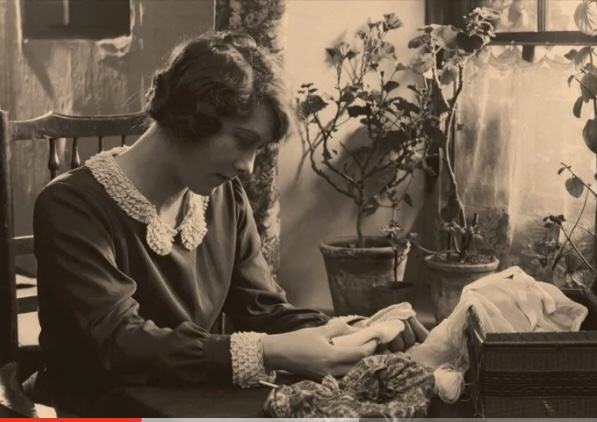
A definitive 7.9/10 rating for a film that redefined the boundaries of cult cinema. Mist in the Valley remains a cornerstone of transgressive art.
The 1920s were a crucible of experimentation for cinema, and *Mist in the Valley* emerges as a testament to the era’s fascination with psychological drama and moral ambiguity. Directed by the modestly celebrated duo of George Dewhurst and Dorin Craig, the film is a silent melodrama that leans heavily on visual storytelling, leveraging the stark contrasts of black‑and‑white imagery to amplify the sense of claustrophobia that permeates the valley’s perpetual haze. The production’s modest budget is offset by a keen sense of atmosphere, achieved through careful composition and the strategic use of shadows that echo the protagonist’s internal turmoil.
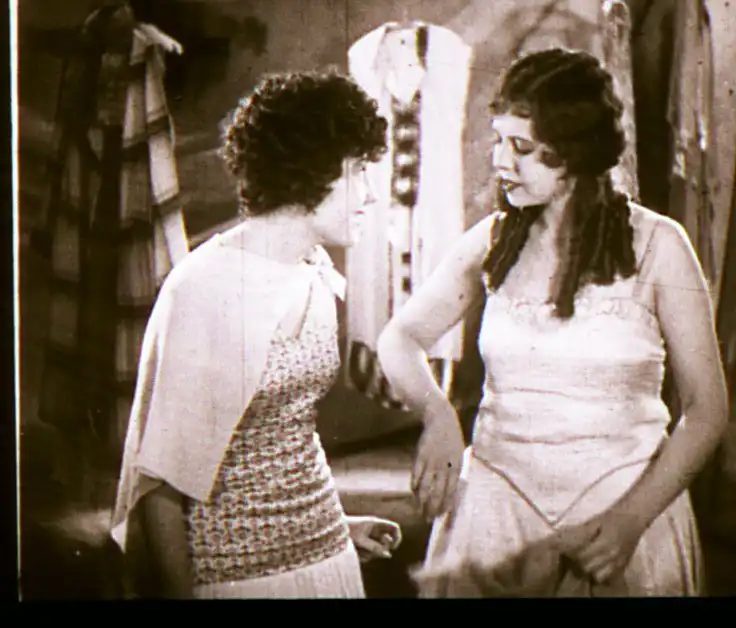
Central to the narrative is the ex‑nun, portrayed by Alma Taylor, whose departure from the convent is both literal and symbolic—she steps out of the rigid confines of religious life into a world that demands equal parts strength and vulnerability. Taylor’s performance is subtle, relying on nuanced facial expressions and controlled gestures that convey a depth of emotion without the crutch of dialogue. Her husband, the amnesiac played by Bertram Terry, is a tragic figure, his memory a blank canvas that the uncle exploits. James Carew’s portrayal of the uncle, masquerading as a paternal guardian, is chillingly calm, a man whose calculated cruelty is punctuated by moments of feigned paternal affection.
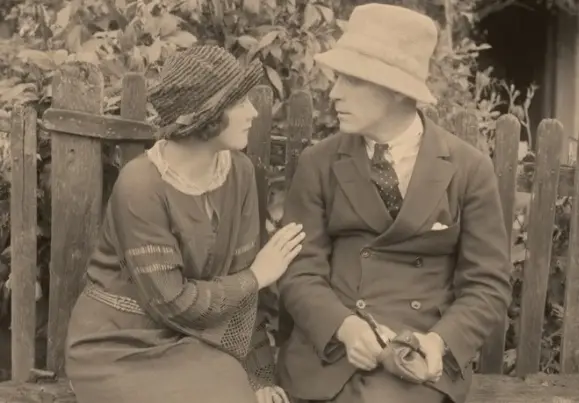
The film’s narrative arc is driven by a series of meticulously staged revelations. The valley, shrouded in mist, serves as a metaphor for the protagonist’s clouded past and the obscured truths that she must confront. After marrying the amnesiac, the ex‑nun discovers that her new husband’s memories have been wiped clean by a mysterious incident—an accident that, in truth, was orchestrated by the uncle to facilitate his scheme. When the uncle murders the amnesiac, he plants incriminating evidence, framing the ex‑nun for the crime. The ensuing trial, portrayed with a palpable sense of injustice, forces the audience to question the reliability of appearances and the fragility of reputation.
At its core, *Mist in the Valley* interrogates the fragile boundaries between faith and secular law. The ex‑nun’s journey is a pilgrimage of self‑discovery; she must reconcile her former religious convictions with the harsh realities of a society that has no room for her past. The film’s moral landscape is further complicated by the uncle’s duplicity, who embodies the corrupting influence of power. The narrative invites viewers to ponder whether justice can be served when truth is obscured by manipulation, and whether the protagonist’s faith can guide her through the labyrinthine legal system of her time.
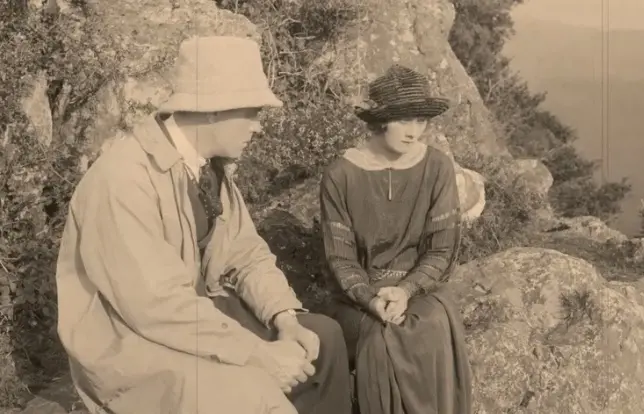
The cinematography is a masterclass in atmospheric design. The use of low‑key lighting creates a chiaroscuro effect that mirrors the protagonist’s internal conflict. Scenes set in the valley’s mist are rendered with diffused lighting, lending an ethereal quality that blurs the line between reality and illusion. The film’s mise‑en‑scène—particularly the recurring motif of the cracked mirror—serves as a visual allegory for the fractured identities of the characters. The careful framing of the courtroom scenes, with the judge’s gavel looming over the defendant, underscores the oppressive weight of institutional authority.
When placed alongside contemporaries such as The WAMPAS Baby Stars of 1922 and The Spendthrift, *Mist in the Valley* stands out for its intricate plot structure and moral complexity. While *The Spendthrift* relies on a straightforward tale of financial ruin, our film delves into the psychological ramifications of memory loss and betrayal. Comparisons to After Death reveal a shared fascination with the afterlife and the consequences of human folly, yet *Mist in the Valley* grounds its narrative firmly in the tangible world, using the mist as a tangible obstacle rather than a metaphysical one.
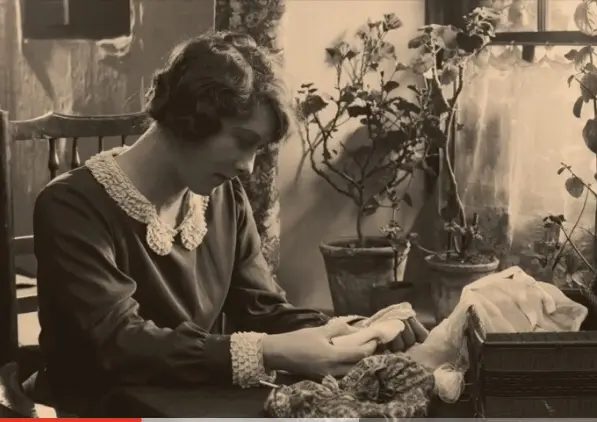
Alma Taylor’s portrayal of the ex‑nun is arguably the film’s linchpin. Her restrained acting style allows the audience to project their own emotions onto her character, creating an intimate connection that transcends the silent medium. Bertram Terry’s depiction of the amnesiac is equally compelling; his blank stare is not a lack of depth but a canvas that invites the viewer to imagine the lost memories he once possessed. James Carew’s uncle, meanwhile, delivers a chilling performance that balances menace with a veneer of paternal warmth, a duality that keeps the audience guessing until the final revelation.
Although *Mist in the Valley* has not achieved the enduring fame of some of its silent‑era peers, its thematic relevance remains undiminished. The film’s exploration of identity, memory, and the quest for justice resonates with contemporary audiences, especially in an age where information can be manipulated with ease. Its stylistic choices—particularly the use of mist as a narrative device—have influenced later filmmakers who sought to create mood through atmospheric constraints. For scholars studying the evolution of mystery and melodrama in early cinema, *Mist in the Valley* offers a rich text that blends psychological depth with visual artistry.
In conclusion, *Mist in the Valley* is a film that invites repeated viewing; each re‑watch unearths new layers of meaning, from the subtle nuances of its performances to the deliberate use of light and shadow. It stands as a testament to the silent era’s capacity for sophisticated storytelling, proving that even in the absence of spoken words, cinema can convey profound narratives that endure across generations.
IMDb 5.4
1935
Community
Log in to comment.