DbcultAccessing Vault...
Cult Review
Senior Film Conservator
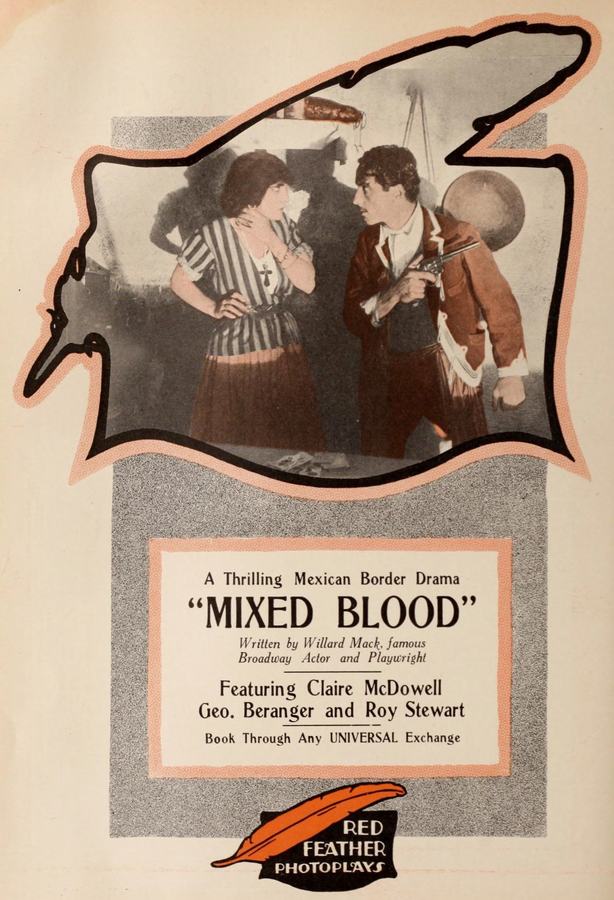
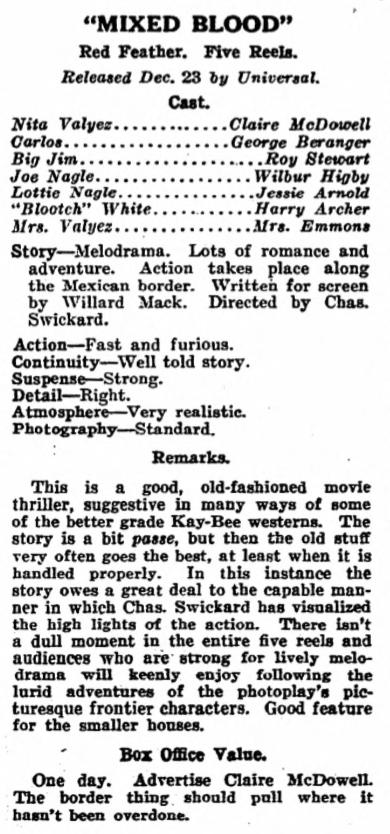
Stepping back into the flickering shadows of early cinema, one encounters Mixed Blood, a 1916 silent drama that, despite its century-plus vintage, throbs with a raw, visceral energy that belies its age. This isn't merely a historical artifact; it's a potent narrative, a stark tableau vivant of human passions colliding against a backdrop of untamed frontier and looming pestilence. The film plunges us headfirst into a world where the American-Mexican border is not merely a geographical demarcation but a psychological chasm, a crucible for volatile desires and desperate measures. Here, order is brutally enforced by Sheriff Big Jim Burmister, a figure of formidable authority whose very presence evokes both fear and a simmering resentment among the Mexican populace. This palpable tension permeates every dusty street and shadowy corner, reflecting the complex socio-political climate of the era. It's a landscape where allegiances are fluid, and survival often hinges on a delicate balance of intimidation and manipulation, a theme explored with stark realism in contemporaries like The Bargain, which similarly dissected the moral complexities of frontier justice and the ambiguous nature of heroism in the West. The film’s opening scenes meticulously establish this precarious balance, inviting the audience to consider the fine line between law and tyranny in a land still grappling with its identity.
At the heart of this tumultuous setting lies the saloon, a microcosm of the town's moral ambiguity, presided over by the calculating Joe Nagle. Nagle embodies a particular brand of opportunistic villainy, his influence extending not only over the gambling tables but also over the lives of those trapped within his orbit, notably his "devoted slave" and faro dealer, "Blootch" White. Blootch, a tragic figure, is bound not just by servitude but by a silent, unrequited devotion to Lottie Nagle, a woman who bears Joe's surname by mere courtesy, her true loyalties and affections a dangerously shifting sand. The arrival of the Valyez family, particularly the spirited Nita, injects a potent new dynamic into this already fraught environment. Nita, a woman of inherited resilience and an independent streak, becomes an object of intense fascination and desire. Her father’s legacy, a certain untamed nature, makes her a magnet for the aggressive, almost possessive, attentions of Carlos, a gambler whose passionate wooing borders on coercion and a pervasive sense of toxic masculinity prevalent in many frontier narratives. This initial romantic entanglement sets the stage for a series of escalating conflicts, revealing the dangerous undercurrents of a society where personal honor and perceived slights can ignite devastating consequences. The narrative skillfully employs these early interactions to establish the high stakes involved, mirroring the intense emotional landscapes found in other character-driven dramas of the era, where individual desires often clash with broader societal expectations.
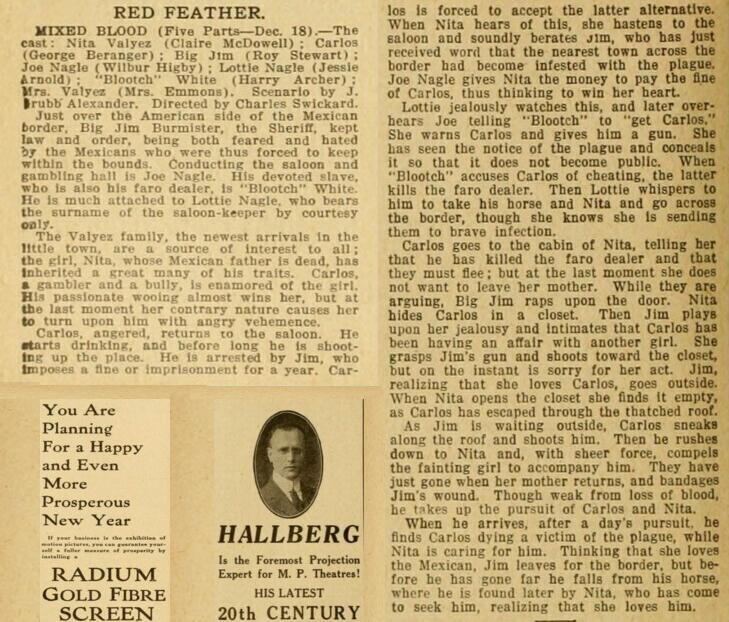
The film masterfully orchestrates a chain reaction of events, beginning with Nita's spirited rejection of Carlos's advances. This rebuff, a challenge to his masculine pride and sense of entitlement, propels Carlos into a destructive spree within the saloon, a violent outburst that brings down the wrath of Sheriff Jim. The subsequent arrest and the stark choice presented—a hefty fine or a year's imprisonment—underscore Jim's unyielding commitment to his brand of law and order, a commitment that borders on authoritarianism. It is here that Joe Nagle, ever the manipulator, interjects, paying Carlos's fine not out of altruism but as a cynical gambit to curry favor with Nita, a move that only further inflames Lottie's already simmering jealousy. Lottie's character emerges as a pivotal force of chaos, a woman whose wounded pride and unacknowledged love drive her to increasingly desperate and dangerous actions. Her overhearing Joe's sinister instruction to "get Carlos" transforms her into a silent conspirator, arming Carlos with a gun and a warning. More chillingly, Lottie becomes a harbinger of doom, deliberately concealing the notice of a plague ravaging the town across the border. This act of malicious omission is a stroke of narrative genius, weaving a thread of external, existential threat into the deeply personal feuds, elevating the drama beyond mere interpersonal conflict to a struggle against an invisible, deadly adversary. The film's ability to interlace such a profound societal danger with individual vendettas demonstrates a narrative sophistication often overlooked in silent cinema, effectively tapping into contemporary anxieties about disease and border control.
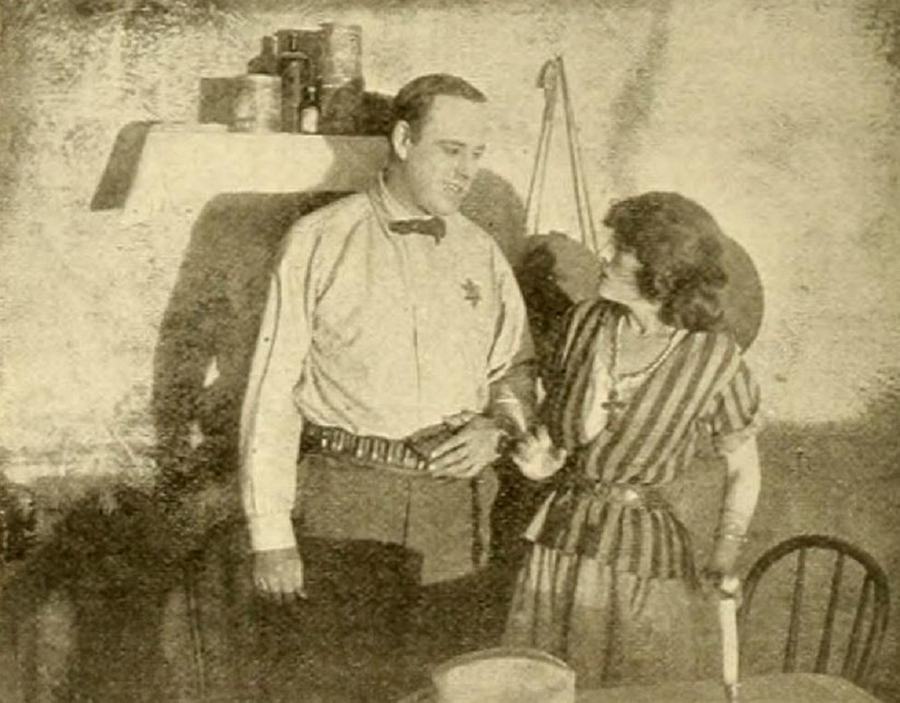
The climax of the film's initial dramatic arc arrives with breathtaking speed and brutality. Carlos, fueled by drink and Lottie's insidious whispers, confronts Blootch over a perceived cheating, leading to the faro dealer's swift demise. This violent act highlights the cheapness of life in this lawless-adjacent territory and the explosive consequences of unchecked rage. Lottie then, with a chilling blend of desperation and vindictiveness, urges Carlos to flee with Nita across the border, knowing full well she is condemning them to a realm infested with plague. This act is a testament to the destructive power of unbridled jealousy and manipulation, a dark mirror to the more overt acts of violence. Carlos, now a fugitive and a murderer, descends upon Nita's cabin, attempting to force her into a desperate escape. Nita's refusal to abandon her mother, a moment of profound filial loyalty that speaks volumes about her character, provides a brief respite from the escalating chaos, but it is quickly shattered by Sheriff Jim's arrival. The subsequent scene, a masterclass in psychological tension, sees Nita hide Carlos in a closet. Jim, with a cunning born of his experience in human nature, plays upon Nita's jealousy, subtly intimating Carlos's infidelity. This cruel manipulation, conveyed through intense facial expressions and deliberate gestures typical of silent film acting, provokes Nita into a desperate, impulsive act – she seizes Jim's gun and fires towards the closet, an instant regret washing over her face, a clear signal of her internal conflict. This moment is a powerful exploration of how easily trust can be shattered and how rapidly love can turn to a destructive rage, a theme echoed in the stark choices presented in films like The Return of Draw Egan, where characters are constantly tested by their own moral compass and the harsh realities of their world.
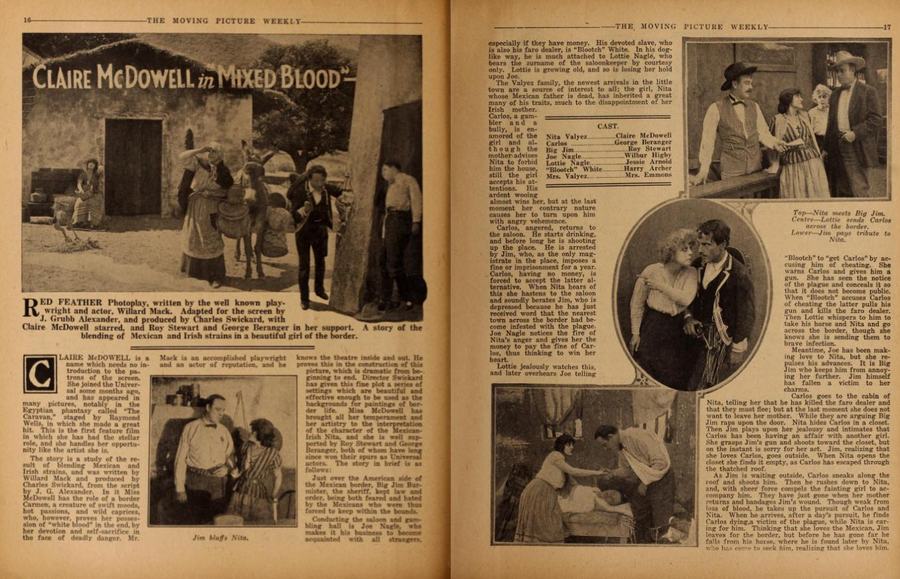
The escape of Carlos through the thatched roof, a moment of startling ingenuity that underscores his resourcefulness in dire straits, and his subsequent ambush of Jim, inject a final surge of frantic action into the narrative. The image of Carlos, wounded and desperate, compelling the fainting Nita to accompany him across the border, is one of stark, almost primal, force. It signifies not a loving escape, but a desperate flight, a brutal assertion of will over a woman who is clearly unwilling. Meanwhile, Nita's mother, a figure of quiet strength and enduring care, tends to Jim's wound, her actions a poignant counterpoint to the violent chaos that engulfs her daughter, highlighting the resilience of those left behind. Jim, despite his grievous injury and significant blood loss, embodies an unyielding sense of duty, resuming his relentless pursuit. This pursuit, spanning an entire day, culminates in a scene of profound pathos and tragic irony. Jim discovers Carlos dying, a victim not of his bullet but of the insidious plague, with Nita tenderly caring for him. This tableau, misinterpreted by Jim as an affirmation of Nita's enduring love for Carlos, prompts his retreat, a moment of selfless sacrifice born from a profound misunderstanding. His subsequent collapse, alone on the vast, unforgiving landscape, bleeding and exhausted, is a powerful visual metaphor for the toll exacted by duty and unrequited love. The film’s silent acting, particularly in these climactic scenes, would have relied on exaggerated yet deeply felt expressions, subtle shifts in posture, and impactful intertitles, allowing the audience to project their understanding onto the characters’ internal turmoil, a common yet effective technique of the era that still resonates with emotional truth.
The denouement of Mixed Blood is a masterstroke of emotional revelation. Nita, having witnessed Carlos's demise and the futility of their flight, embarks on her own journey of discovery. Her search for Jim, the man she once defied and whose law she resented, leads her to his collapsed form, a moment of profound realization. It is in this desolate landscape, stripped bare of all pretense and conflict, that she finally acknowledges her true affection for the Sheriff. This isn't a sudden, romantic epiphany, but a hard-won understanding, forged in the crucible of shared peril and the stark realities of life and death. The film concludes not with a triumphant fanfare, but with a quiet, hard-earned connection, hinting at a future built on mutual respect and understanding rather than fleeting passion or forced allegiance. The casting, featuring talents like Harry Archer as Jim and Claire McDowell as Nita, would have lent considerable weight to these complex emotional arcs, their nuanced performances vital in conveying the unspoken depths of their characters through the expressive language of silent film. Mixed Blood, therefore, transcends its genre trappings to become a poignant meditation on the unpredictable currents of the human heart, the inescapable grip of fate, and the enduring power of connection amidst chaos. It stands as a testament to the storytelling prowess of early cinema, reminding us that even without spoken dialogue, the most profound human dramas can be conveyed with compelling force and lasting impact. Its legacy lies in its bold portrayal of moral ambiguity, the relentless pursuit of a love that defies societal expectations and personal prejudices, and its unflinching look at the harsh realities of life on the fringe, a narrative thread that continues to resonate with audiences even a century later.
IMDb 6.3
1931
Community
Log in to comment.