DbcultAccessing Vault...
Cult Review
Senior Film Conservator
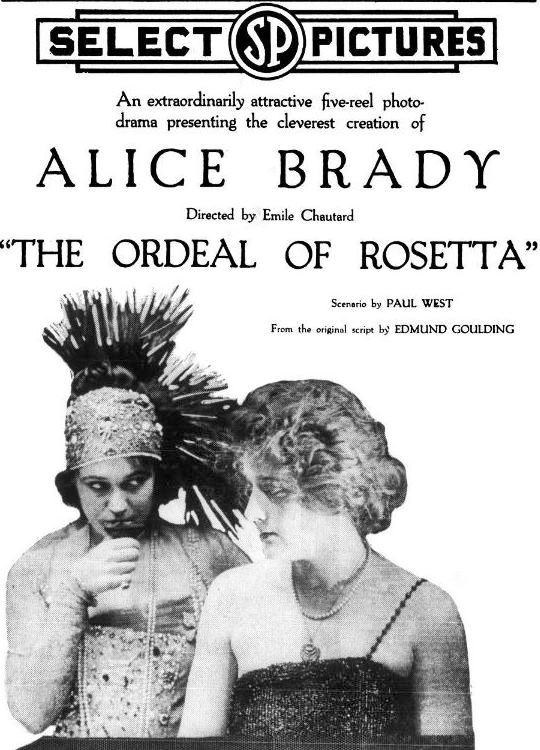
The film opens with a vivid tableau of a Sicilian village, where the Gelardi sisters’ laughter mingles with the distant call of a church bell. The camera lingers on the rustic architecture, the cobblestone streets, and the aging Professor Gelardi, whose weathered hands hold a stack of manuscripts. The atmosphere is one of contented simplicity, a stark contrast to the impending chaos that will soon erupt.
An earthquake shatters that idyllic scene, leaving the sisters and their father stranded in a world that has turned hostile. The destruction of their home becomes a metaphor for the shattering of innocence and the fragility of hope. The film’s sound design—cracks of stone, distant screams, and the echo of a collapsing roof—creates a visceral sense of loss that pulls the viewer into the characters’ turmoil.
The Gelardis arrive in New York, a city that feels both exhilarating and alien. Rosetta, with her quiet composure, secures a job as a stenographer for the esteemed author Aubrey Hapgood. Her presence in the bustling office becomes a quiet counterpoint to the frenetic pace of the city. The office’s mahogany desks, the clacking of typewriters, and the faint scent of ink evoke a sense of nostalgia, a reminder of a world where words carried the weight of destiny.
Rosetta’s interactions with Aubrey’s circle—friends, colleagues, and the enigmatic Mildred Sanders—are layered with subtle tension. Mildred, who has long coveted Aubrey’s affection, sees Rosetta as a threat. Her attempts to tarnish Rosetta’s reputation are subtle yet potent, underscoring the theme that love is not only a force of unity but also a battlefield of competing desires.
A pivotal scene unfolds during a drive with Aubrey. Rosetta opens up about her past—her childhood in Sicily, her sister’s disappearance, and her father’s stoic resilience. The dialogue is rich with lyrical imagery: “I remember the scent of olive trees, the way the sun painted the stone walls orange.” Aubrey, moved by her story, confesses his affection, promising marriage. The scene is shot in a muted palette, with the car’s interior bathed in warm amber light that mirrors the orange hue of the title’s color palette.
However, the promise of marriage is short‑lived. Rosetta discovers that Aubrey is engaged to Mildred, a revelation that shatters her fragile world. The film’s soundtrack shifts from hopeful melodies to a discordant minor key, mirroring the emotional turmoil that grips Rosetta.
The climax is a stark tableau of despair. Rosetta, consumed by heartbreak, takes her own life. The scene is shot in stark black and white, a visual homage to the era’s cinematic techniques. The camera lingers on her trembling hands, the flicker of a cigarette, and the rain‑slick streets—each element underscoring the fragility of human hope.
Lola, who has survived the earthquake but is haunted by her sister’s death, appears in a vengeful vision. She orchestrates a series of violent acts that culminate in the destruction of Aubrey’s sister, a symbolic act of retribution against the man who betrayed her. The film’s narrative then shifts into a surreal dream sequence, where the boundaries between reality and illusion blur. The dream culminates with Rosetta awakening in Aubrey’s car, realizing that her entire ordeal was a fabrication of her own mind.
The film’s structure is deliberately nonlinear, weaving past and present to create a tapestry that mirrors the fragmented psyche of its protagonist. The dream sequences serve as a metaphor for the mind’s coping mechanisms—how grief can be transformed into a narrative that offers closure, even if that closure is illusory.
Thematically, the film interrogates the nature of love and the fragility of hope. It presents love not as a simple, romantic ideal but as a complex, multifaceted emotion that can both heal and destroy. The use of color—dark orange, yellow, and sea blue—reinforces this duality. Dark orange, the film’s signature hue, symbolizes both the warmth of familial bonds and the ominous threat of loss.
Rosetta is a study in quiet resilience. Her stoic demeanor belies a deep well of emotion that surfaces in moments of intimacy. The film’s cinematography captures her in close‑ups, with a subtle, almost imperceptible tremor in her gaze that hints at the inner turmoil she carries.
Aubrey Hapgood, portrayed with an air of intellectual charm, is a man of contradictions. He is a lover of literature, yet his personal life is marred by indecision and a penchant for romantic escapades. His relationship with Mildred is a study in manipulation and self‑interest, contrasting sharply with Rosetta’s pure affection.
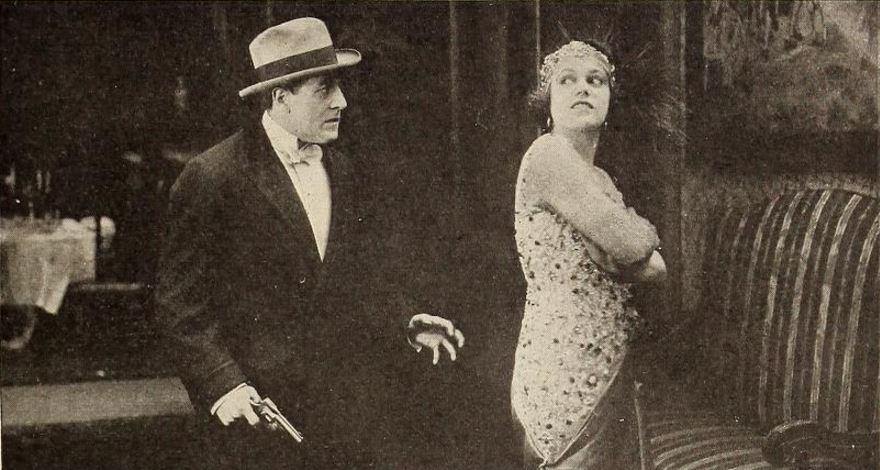
Mildred Sanders, the antagonist, is depicted with an almost theatrical flair. She embodies the archetype of the jealous rival, using her social standing to undermine Rosetta. Her character’s motivations are explored through subtle gestures—an insinuating smile, a lingering glance—highlighting the power of nonverbal communication in the film.
The film’s cinematography is a masterclass in visual storytelling. The director uses shallow depth of field to isolate characters from their surroundings, emphasizing their emotional isolation. The use of natural light, especially during the Sicilian scenes, creates a warm, almost pastoral aesthetic that contrasts with the harsh, artificial lighting of New York’s office scenes.
Sound design is integral to the film’s atmosphere. The subtle rustle of silk, the distant hum of traffic, and the echoing footsteps in the abandoned village all serve to immerse the viewer in the narrative. The score, composed of melancholic strings and a recurring motif of a single violin note, underscores the film’s themes of longing and loss.
When placed alongside other classics such as Enoch Arden and The Queen of Hearts, The Ordeal of Rosetta distinguishes itself through its unique blend of psychological depth and visual elegance. While Eye for Eye focuses on retributive justice, this film delves into the internal landscapes of its characters, offering a more nuanced exploration of grief.
The film’s dream sequences echo the surrealism found in The Lifted Veil, yet they are grounded in the emotional stakes of the narrative. The use of color, particularly the recurring dark orange, is reminiscent of the visual symbolism in A Hungry Heart, where color is employed to convey emotional states.
Alice Brady’s portrayal of Rosetta is a tour de force. Her subtle facial expressions convey a spectrum of emotions—from the quiet dignity of a woman who has endured hardship to the raw vulnerability that surfaces during her conversation with Aubrey. Brady’s performance is anchored by a deep understanding of her character’s internal conflict.
Henry Leone’s Aubrey Hapgood is a study in restrained charisma. Leone’s delivery is measured, his gestures deliberate, creating a character that feels both intellectual and deeply human. The interplay between Leone and Brady is a highlight of the film, offering moments of genuine tenderness that resonate with the audience.
Hazel Washburn’s Mildred Sanders brings a theatrical flair to the role. Her performance is layered—she oscillates between the charming socialite and the manipulative rival. Washburn’s nuanced portrayal adds complexity to the narrative, ensuring that Mildred is not merely a flat antagonist but a character with motives and depth.
Edmund Goulding’s directorial approach is subtle yet powerful. He allows the narrative to breathe, giving space for the characters’ emotional journeys to unfold organically. Goulding’s use of long takes during the dream sequences enhances the surreal quality, drawing the audience into the protagonist’s psyche.
The screenplay, co‑written by Paul West and Goulding, is a testament to the era’s storytelling craft. The dialogue is crisp, each line meticulously crafted to reveal character motivations. The script balances exposition with introspection, ensuring that the audience is never left guessing about the characters’ inner worlds.
Released in 1934, the film reflects the sociopolitical climate of the early 1930s—a period marked by economic uncertainty and a yearning for stability. The themes of displacement and resilience echo the experiences of countless families who migrated to the United States during that era. The film’s exploration of identity, belonging, and the pursuit of the American Dream is both timely and timeless.
The film’s portrayal of a Sicilian immigrant family also offers a glimpse into the cultural tapestry of early Hollywood, which often romanticized the “exotic” while simultaneously grappling with issues of assimilation. The duality of the characters’ experiences—rooted in tradition yet navigating a new world—provides a nuanced perspective on the immigrant narrative.
The Ordeal of Rosetta is a cinematic meditation on the fragility of hope and the enduring power of love. Its dreamlike structure, evocative use of color, and profound character studies make it a standout piece of 1930s cinema. The film’s legacy endures, offering contemporary audiences a window into the emotional landscapes that shaped early Hollywood storytelling. Its resonance with modern themes of grief, resilience, and the search for belonging ensures that it remains a relevant and compelling work for generations to come.

IMDb —
1936
Community
Log in to comment.