DbcultAccessing Vault...
Cult Review
Senior Film Conservator

Upon entering the hallowed halls of the grand hotel, the renowned playwright finds himself ensconced in the cozy confines of his suite, a solitary figure amidst the bustling noise of the world outside. His mind, however, remains a barren wasteland, devoid of the fertile grounds necessary for the birth of a new play. The frustration is palpable, a tangible force that hangs in the air like a dense fog, choking off any possibility of inspiration.
Enter Gladys, the practical and resolute secretary, who recognizes the gravity of the playwright's predicament. She devises a bold plan: to use a substantial sum of money to fund a peculiar experiment. The playwright, with a mixture of trepidation and desperation, agrees to follow a man named Jimmy for a week, to observe and absorb the essence of his life, hoping to find within that elusive spark of creativity.
The journey begins inauspiciously. Jimmy, a character of questionable morality and questionable motives, leads the playwright through a labyrinth of experiences that challenge the playwright's perceptions of the world. From the gritty streets of the city to the opulent halls of society, each encounter serves as a mirror, reflecting not only Jimmy's life but also the playwright's own inner turmoil.
As the days pass, the playwright's observations become more nuanced, his understanding of human behavior more profound. Jimmy, a figure shrouded in mystery, becomes a conduit through which the playwright begins to unravel the intricate tapestry of life. The playwright's observations are not just of Jimmy but of the world that surrounds him, a world that is both familiar and strange, a world that challenges the very fabric of his existence.
Yet, as the playwright delves deeper into Jimmy's life, he begins to see beyond the surface, to recognize the underlying currents that drive human behavior. From the petty thefts and deceptions to the moments of genuine kindness and empathy, each act is a window into the human condition, a reflection of the complexity and depth of life itself. The playwright's observations are no longer just a means to an end but a journey of self-discovery, a quest to understand the very essence of human nature.
As the week draws to a close, the playwright finds himself at a crossroads. The inspiration he seeks is not just a narrative to be captured on paper but a deeper understanding of the human experience. The encounter with Jimmy, flawed and complex, has provided him with a wealth of material, but it is the journey itself, the act of observing and questioning, that has truly inspired him.
Ultimately, the film is a testament to the power of observation and the importance of stepping outside one's comfort zone. It is a reminder that inspiration often comes from the most unexpected places, and that the journey to find it is as important as the destination itself. Through the lens of a flawed character and a unconventional experiment, the playwright finds not just a new play but a new perspective on life.
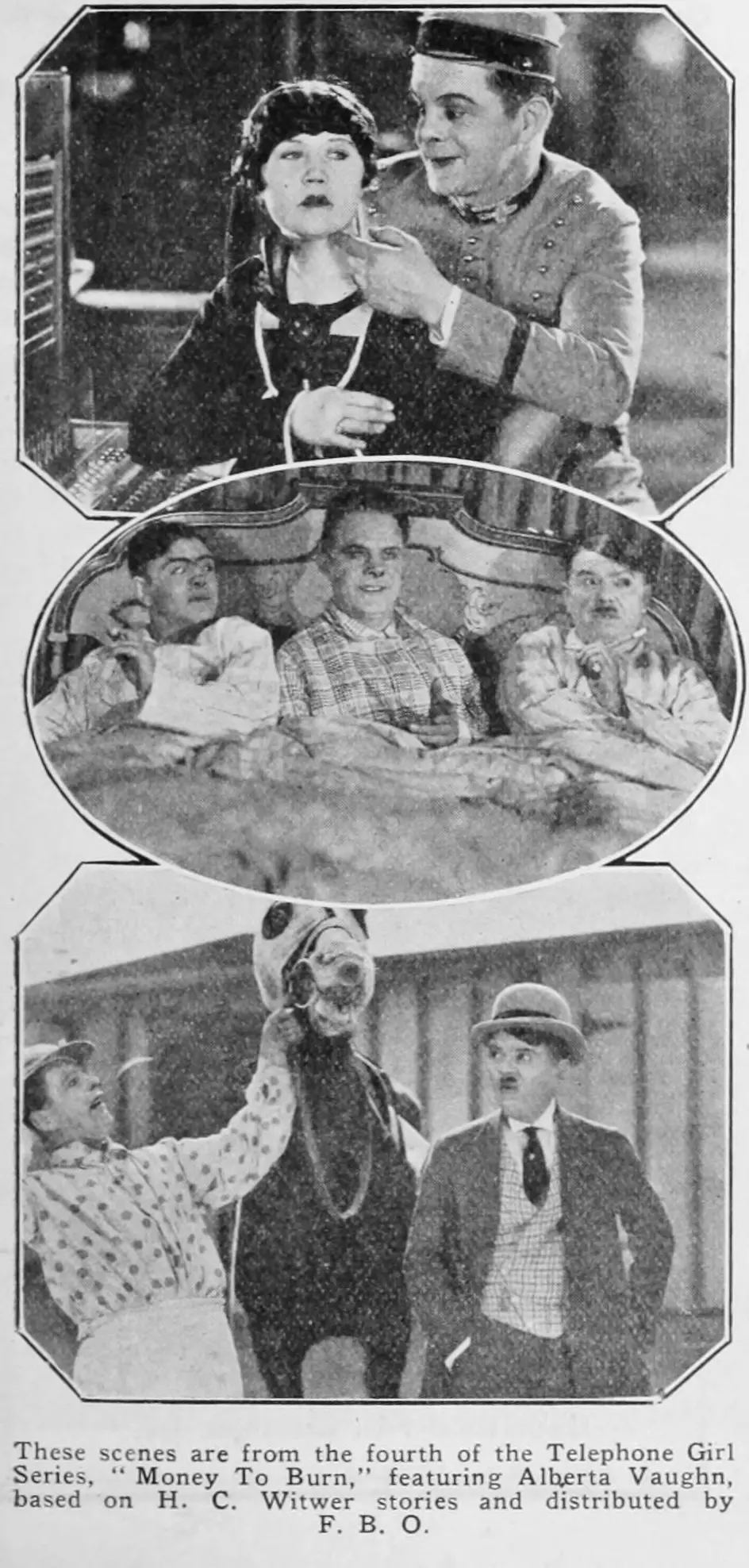
Comparison: This film shares thematic similarities with The Crow's Nest, a film that also explores the complexities of human behavior and the search for meaning. However, whereas The Crow's Nest focuses more on the moral dilemmas faced by its protagonist, Money to Burns delves into the creative process and the unexpected sources of inspiration. It also resonates with Három hét, which, while set in a different context, captures the essence of human nature through its characters' interactions and experiences.
In conclusion, Money to Burns is a thought-provoking film that challenges the viewer to look beyond the surface and recognize the complexities of life. It is a journey of discovery, both for the playwright and for the audience, and a reminder that inspiration can be found in the most unexpected places.
IMDb 5.7
1916
Community
Log in to comment.