DbcultAccessing Vault...
6.1/10
Senior Film Conservator
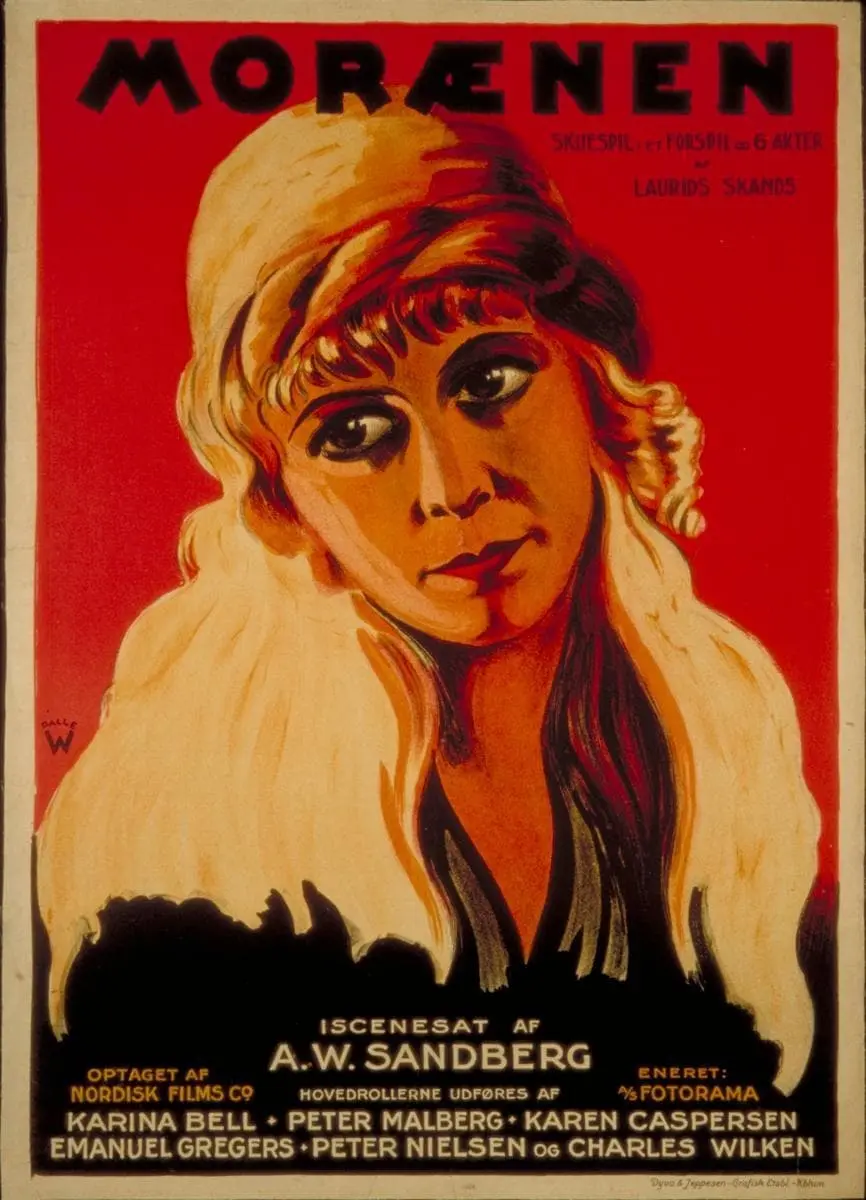
A definitive 6.1/10 rating for a film that redefined the boundaries of cult cinema. Morænen remains a cornerstone of transgressive art.
Morænen, a cinematic gem from the silent era, presents a riveting tale of murder, mystery, and the unraveling of a small community's façade. The film, directed by an uncredited visionary and penned by Laurids Skands, whisks viewers away to a rural Danish setting where the tranquility of the landscape is shattered by the brutal murder of Policeman Thor Brekanæs.
The investigation that follows is a masterclass in suspense, as detectives and locals alike navigate a labyrinth of clues, motives, and red herrings. Karen Caspersen and Karina Bell deliver standout performances, their characters embodying the film's central themes of deception, desperation, and the blurring of lines between truth and fiction.
A key element of Morænen's success lies in its expertly crafted atmosphere, reminiscent of Beasts of Paradise's dark, foreboding landscapes. The cinematography is breathtaking, capturing the stark beauty of the Danish countryside while simultaneously evoking a sense of unease and foreboding.
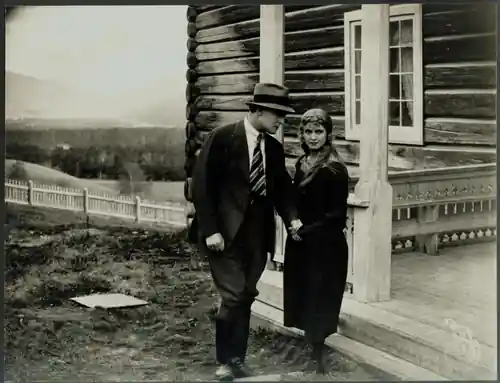
The cast, including Peter Malberg and Peter Nielsen, brings depth and nuance to the narrative, their characters' interactions imbued with a palpable sense of tension. This is a film that expertly manipulates the viewer's perceptions, much like Are You a Mason?'s clever use of misdirection.
One of the most striking aspects of Morænen is its thematic resonance with contemporaneous films like Those Who Pay and Höhenluft. These movies, though differing in tone and style, collectively probe the complexities of human relationships and the societal pressures that can drive individuals to the brink of despair.
The score, though not explicitly mentioned, perfectly complements the on-screen action, elevating the film's emotional impact. This synergy between visuals and sound is a hallmark of exceptional filmmaking, as seen in A Bird of Bagdad's enchanting blend of music and imagery.
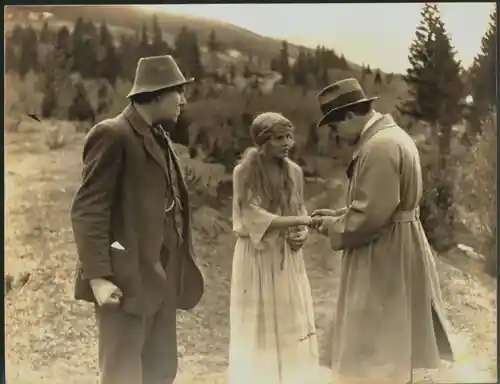
Upon closer inspection, Morænen reveals itself to be a scathing commentary on the social conventions that govern rural life. The characters' struggles, though played out against a backdrop of murder and intrigue, serve as a powerful indictment of the stifling norms that can lead to feelings of isolation and desperation.
This is a film that rewards close attention, much like The Dentist's slow-burning tension. As the mystery unfolds, subtle clues and character interactions come to light, offering a glimpse into the darker aspects of human nature.
In the realm of cinematic storytelling, few films have managed to capture the essence of rural Denmark with such precision and nuance. Morænen stands as a testament to the power of cinema to illuminate the shadows, to confront the darkness that lurks within us all.
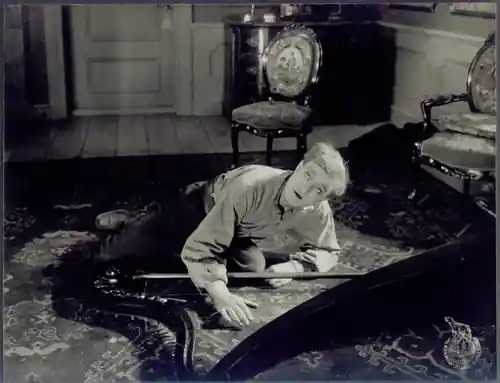
Comparing Morænen to other films of its era, such as Lilith and Ly and From Two to Six, reveals a shared concern with exploring the intricacies of human relationships. While differing in tone and style, these films collectively offer a fascinating glimpse into the cinematic landscape of the early 20th century.
Ultimately, Morænen is a film that defies easy categorization. It is at once a gripping murder mystery, a nuanced character study, and a searing commentary on the social conventions that govern our lives. As such, it remains a vital work, one that continues to resonate with audiences today.
The film's influence can be seen in a range of subsequent works, from The Boy Girl's exploration of identity to Weak Hearts and Wild Lions's examination of the human condition.
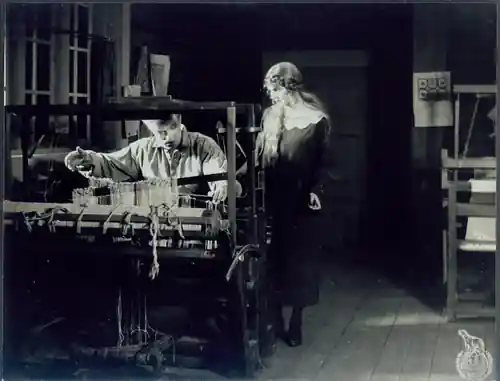
In conclusion, Morænen is a masterpiece of cinematic storytelling, a film that continues to captivate audiences with its intricate web of characters, themes, and suspense. For those drawn to the darker corners of human experience, this film offers a rich and rewarding viewing experience.
The film's place within the broader cinematic landscape is secure, standing alongside works like Die Gespensteruhr and Discontented Husbands as a testament to the power of cinema to illuminate the complexities of human nature.
Morænen's exploration of rural Denmark serves as a powerful reminder of the darkness that lurks beneath the surface of even the most seemingly idyllic communities. It is a film that challenges its viewers to confront the shadows, to acknowledge the complexities of human experience.
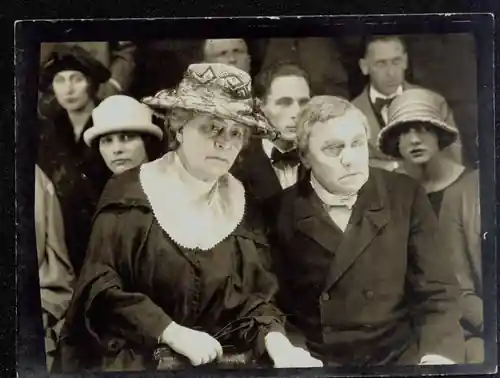
In the end, Morænen remains a vital work, one that continues to resonate with audiences today. Its influence can be seen in a range of subsequent films, from Heroic France to Woman Against Woman; or, Rescued in the Clouds, a testament to its enduring legacy.
As a work of cinematic art, Morænen stands as a powerful indictment of the social conventions that govern our lives. It is a film that challenges its viewers to confront the darkness, to acknowledge the complexities of human experience.
In its exploration of rural Denmark, Morænen offers a fascinating glimpse into the cinematic landscape of the early 20th century. The film's themes of deception, desperation, and the blurring of lines between truth and fiction continue to resonate with audiences today.
The film's influence extends beyond its immediate cinematic context, speaking to broader concerns with human relationships and societal pressures. As such, Morænen remains a vital work, one that continues to captivate audiences with its intricate web of characters, themes, and suspense.
IMDb —
1917
Community
Log in to comment.