DbcultAccessing Vault...
Cult Review
Senior Film Conservator
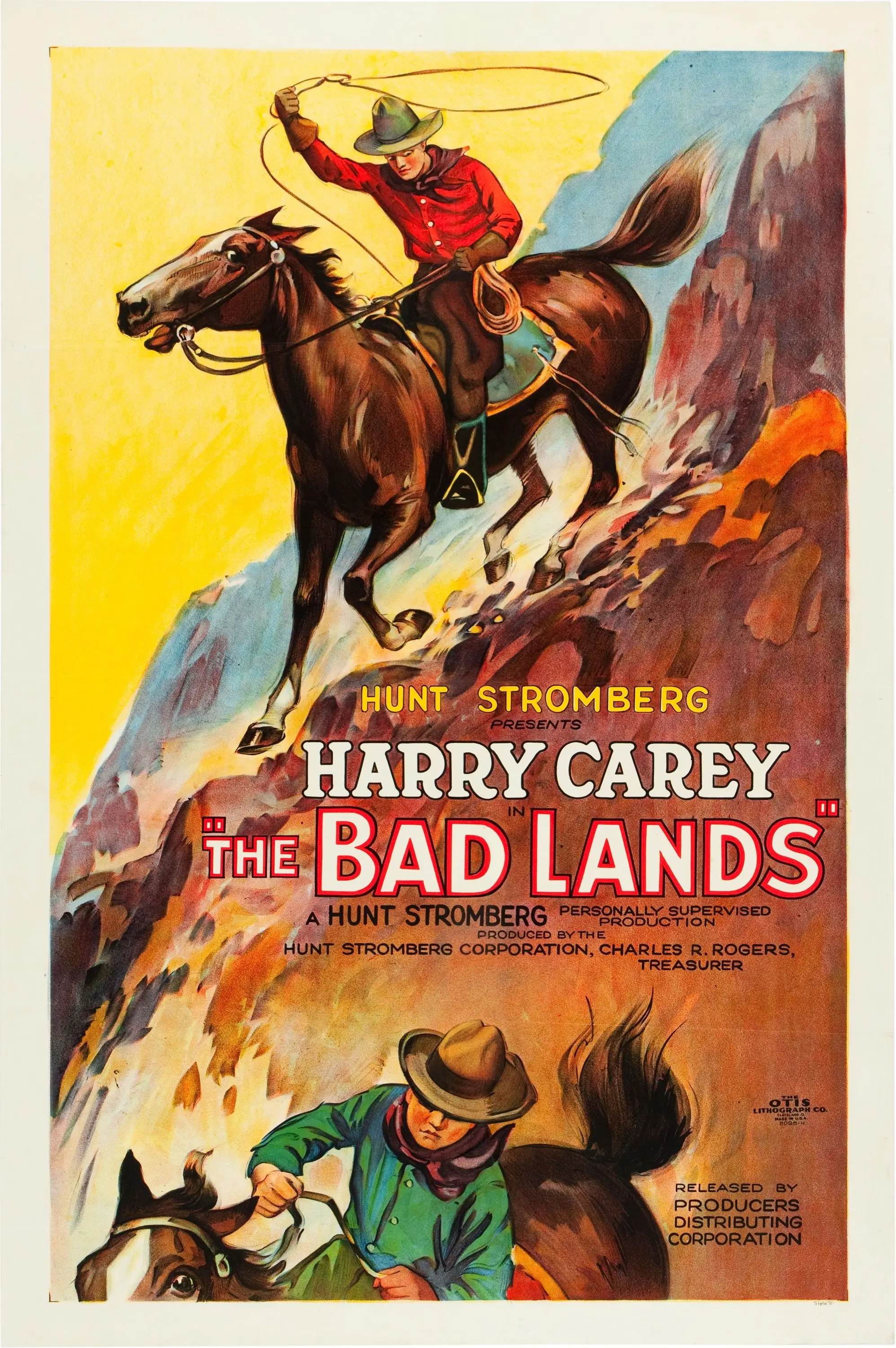
Is The Bad Lands worth watching today? Short answer: yes, but with significant caveats that demand a particular viewing lens. This film is a fascinating artifact for cinephiles, historians of the Western genre, and those interested in early cinematic storytelling. It is decidedly NOT for viewers seeking modern pacing, sophisticated character development, or high-fidelity production values.
This film works because: It boldly tackles themes of cowardice, redemption, and corruption within the stoic facade of the frontier, offering a surprisingly complex moral core for its era.
This film fails because: Its technical limitations, particularly in pacing and character exposition, often obscure its narrative strengths, demanding patience from contemporary audiences.
You should watch it if: You appreciate historical cinema, are a dedicated Western enthusiast, or seek to understand the foundational storytelling elements that shaped later genre classics.
The Bad Lands, a product of an era where cinema was still finding its voice, presents a narrative that, despite its age, grapples with surprisingly intricate human frailties and societal decay. At its core, the film is a study in contrasts, primarily between the morally compromised Hal Owen and the steadfast, if initially misunderstood, Sergeant Patrick Angus O'Toole. Hal’s journey begins with an act of profound cowardice, abandoning a wagon train to save his own skin during an Indian attack.
This opening gambit immediately sets a darker, more morally ambiguous tone than many of its genre contemporaries. Owen is not a clean-cut hero; he is a man haunted by his fear, a West Point alumnus whose training crumbles under pressure. This internal conflict, portrayed with a certain raw earnestness by Wilfred Lucas, is arguably the film's most compelling element. His arc, from trembling fear to a desperate, last-ditch act of heroism, provides a visceral emotional anchor that elevates the film beyond a simple good-versus-evil Western.
Contrast this with Harry Carey’s portrayal of O’Toole. Known as “Famous Sergeant O’Toole,” his reputation precedes him, yet his un-soldierly appearance and unconventional methods immediately invite skepticism. Carey imbues O’Toole with a quiet authority, a man whose actions speak louder than his humble exterior. His mission to expose the smuggling ring at Fort Sumner, coupled with his chivalrous defense of Mary Owen against Captain Blake, paints him as a true, if unassuming, pillar of justice.
The tension between O'Toole's integrity and Blake's corruption, amplified by Hal's moral failings, forms the narrative backbone. Blake, played with sneering villainy by Gaston Glass, is a stock character, yet effectively serves as the catalyst for much of the drama. His manipulation of Hal's gambling debts and the subsequent framing of O'Toole for the Pony Express robbery are classic melodramatic beats, but they propel the story forward with relentless momentum.
It's a debatable point, but I find the film's most compelling character isn't its ostensible hero, O'Toole, but rather the deeply flawed Hal Owen. His journey from abject cowardice to a desperate, heroic final stand offers a more resonant emotional core. O'Toole is the moral compass, but Hal is the human struggle, making his ultimate sacrifice all the more poignant.
The direction, though uncredited, reflects the filmmaking sensibilities of its era. The pacing is remarkably swift, almost breathless. Plot points are introduced and resolved with an efficiency that can feel jarring to modern audiences accustomed to more protracted character development and narrative exposition. Within minutes, Hal's cowardice is established, O'Toole arrives, and the seeds of conflict are sown.
This rapid-fire progression, while occasionally sacrificing depth for expediency, also gives The Bad Lands an undeniable energy. There's little wasted motion; every scene, every interaction, pushes the plot forward. The Indian attack sequences, while rudimentary by today's standards, convey a sense of immediate danger through sheer speed and a focus on the characters' reactions rather than elaborate stunt work. Consider the stark contrast to a film like Bobby Bumps and the Hypnotic Eye; while that was a cartoon, its narrative rhythm was equally direct, a hallmark of early cinema's need to capture attention quickly.
The transitions between scenes are often abrupt, mirroring the directness of silent film storytelling where intertitles carried much of the expository weight. This requires the viewer to actively engage, piecing together implications rather than being spoon-fed every detail. The fort battle, for instance, unfolds with a chaotic urgency, emphasizing the danger faced by the few defenders.
While often dismissed as a relic, The Bad Lands possesses a surprising narrative sophistication that many contemporary Westerns, despite their gloss, often fail to achieve. Its abrupt pacing, often seen as a flaw, actually enhances its raw, unpolished charm, making it feel more like a direct recounting of events rather than a meticulously crafted drama.
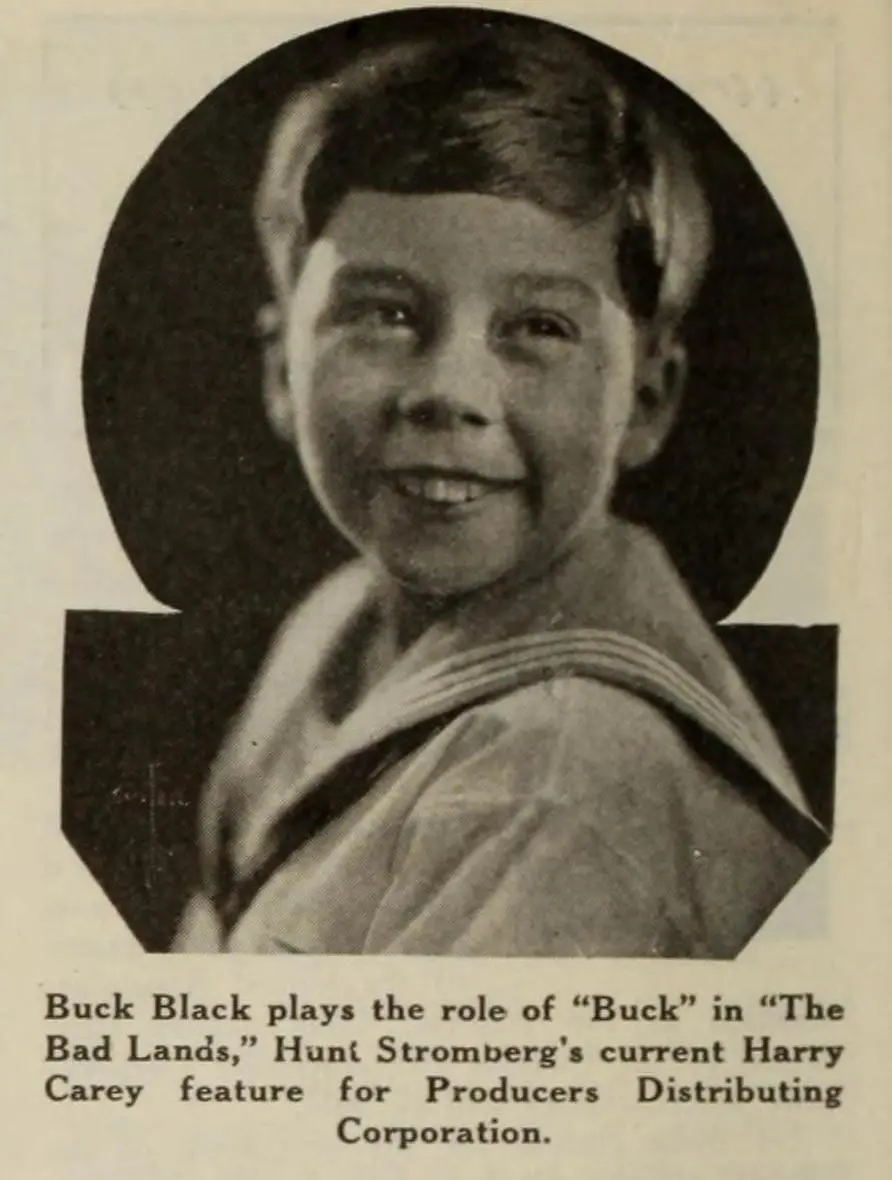
The cast, though largely working within the stylistic conventions of early cinema, delivers performances that are effective in conveying their characters' motivations. Wilfred Lucas, as Hal Owen, manages to embody a man torn between his duty and his deepest fears. His trembling cowardice, particularly in the initial wagon train scene and later when discovered hiding during the fort attack, is palpable. His eventual transformation into a desperate, fighting machine is a stark, if somewhat abrupt, shift, yet it lands with emotional weight due to the groundwork laid for his character's internal struggle.
Harry Carey, a stalwart of the Western genre, brings a compelling presence to O'Toole. He isn't the boisterous, larger-than-life hero. Instead, Carey crafts a character whose strength lies in his quiet conviction and unwavering moral compass. His understated reactions, even when thrashing Captain Blake, speak volumes about his character's integrity. It's a performance that relies on subtle gestures and a strong, inherent screen presence, a quality that would define his long career.
Trilby Clark, as Mary Owen, fulfills the role of the virtuous damsel, a common trope of the era. Her character serves primarily as a romantic interest and a moral touchstone, particularly in her interactions with O'Toole and her father, Colonel Owen. While her character might seem underdeveloped by modern standards, Clark effectively conveys Mary's vulnerability and strength within the confines of her role.
Gaston Glass, as Captain Blake, is the quintessential silent film villain—smarmy, manipulative, and driven by self-interest. His performance is broad, designed to ensure the audience immediately grasps his villainy, and he executes it with relish. The ensemble, in aggregate, creates a believable if somewhat archetypal world, where good and evil are clearly delineated, save for the complex internal journey of Hal Owen.
The film's title, The Bad Lands, promises a certain visual ruggedness, and while early cinematography had its limitations, the setting plays a crucial role. The wide shots of the wagon train traversing open country, or the fort standing isolated against the horizon, effectively convey the vastness and inherent dangers of the American frontier. The cinematography, while not groundbreaking, is functional and serves the story well.
Details like the dusty trails, the rough-hewn interiors of the fort, and the sparse landscapes contribute to an authentic sense of place. While sophisticated camera movements or intricate lighting were still decades away, the film utilizes available light and straightforward framing to tell its story. The visual language is direct, focusing on character interaction and the broader environment. There’s a certain charm in this simplicity, a rawness that feels true to the untamed West it depicts.
Beyond the surface-level action, The Bad Lands delves into a surprisingly rich tapestry of themes. Honor, betrayal, justice, and redemption are all explored, often through the lens of individual moral choices. The film doesn't shy away from depicting the uglier side of human nature, particularly through Hal Owen's initial cowardice and Captain Blake's calculated villainy.
The theme of corruption within the military ranks, embodied by Blake and his smuggling operation with Charlie Squirrel, is particularly potent. It suggests that the threats faced on the frontier weren't just external (Indians), but also internal, eroding the very institutions meant to uphold order. This early exploration of military corruption and internal power struggles, rather than just external threats, is surprisingly modern in its sensibility, predating similar complex narratives by decades.
The tone shifts between melodrama, action, and romance, a common characteristic of films from this period. The framing of O'Toole, Hal's desperate robbery, and the deathbed confession are all classic melodramatic devices, designed to evoke strong emotional responses. Yet, these elements are grounded by the harsh realities of the frontier setting, creating a unique blend of heightened drama and gritty realism.
It works. But it’s flawed. The film’s greatest strength is its willingness to complicate its hero, and its most glaring weakness is its inability to fully explore that complexity within its runtime.
For those who appreciate the foundational history of American cinema, particularly the nascent Western genre, The Bad Lands is absolutely worth a watch. It offers a fascinating glimpse into early storytelling techniques, character archetypes, and the moral landscape of the period. It's a film that demands a certain level of historical context and patience, as its pacing and acting styles are vastly different from contemporary productions.
However, if you're seeking a polished, fast-paced, or deeply nuanced cinematic experience by modern standards, this film might prove challenging. It lacks the technical sophistication and narrative depth that later Westerns would achieve. Its value lies in its historical significance and the raw, unrefined energy of its storytelling. It’s a vital piece of the puzzle in understanding how the Western evolved, demonstrating early attempts at complex character arcs and moral quandaries within a popular genre framework.
The Bad Lands is more than just a historical curiosity; it's a testament to the enduring power of classic storytelling, even when presented through the nascent lens of early cinema. It’s a raw, sometimes unpolished, but ultimately compelling Western that delves into the complexities of human nature with a surprising degree of insight for its time. While its technical limitations and rapid-fire pacing might test the patience of some, its thematic richness and the nuanced portrayal of Hal Owen’s redemption make it a rewarding watch for the discerning cinephile.
It's not a film for everyone, nor does it aim to be. But for those willing to look past its age and appreciate its historical context, The Bad Lands offers a surprisingly robust narrative, showcasing the foundational elements that would define the Western genre for decades to come. It’s a vital piece of cinematic history, demonstrating that even in its infancy, film could tackle profound moral questions with a confident, if unrefined, hand. Give it a chance, and you might find yourself unexpectedly drawn into its rugged, morally challenging landscape.
IMDb 5.3
1929
Community
Log in to comment.