DbcultAccessing Vault...
5.4/10
Senior Film Conservator
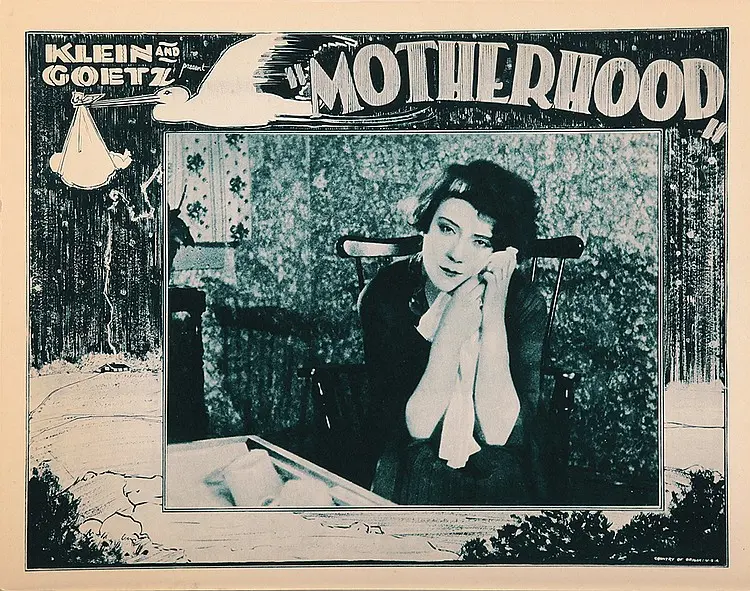
A definitive 5.4/10 rating for a film that redefined the boundaries of cult cinema. Motherhood: Life's Greatest Miracle remains a cornerstone of transgressive art.
In the pantheon of early 20th-century cinema, few works attempt the precarious balancing act between clinical instruction and narrative empathy as audaciously as Motherhood: Life's Greatest Miracle. While many contemporary viewers might approach such a title with a cynical expectation of saccharine sentimentality, the reality of the film—penned with a sharp, observant eye by Lita Lawrence—is far more complex. It functions as a cinematic petri dish, observing the volatile chemical reactions of fear, joy, and physical transformation that define the human reproductive experience. This is not merely a story of birth; it is a document of the psychic architecture that must be dismantled and rebuilt when a couple transitions into the realm of the parental.
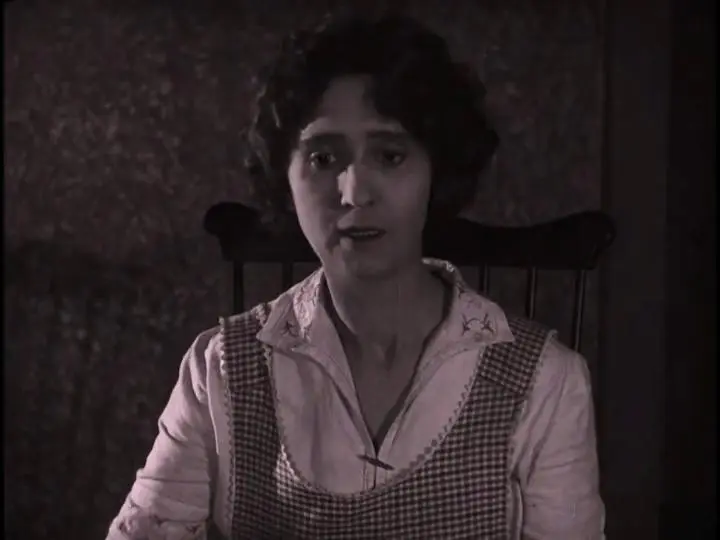
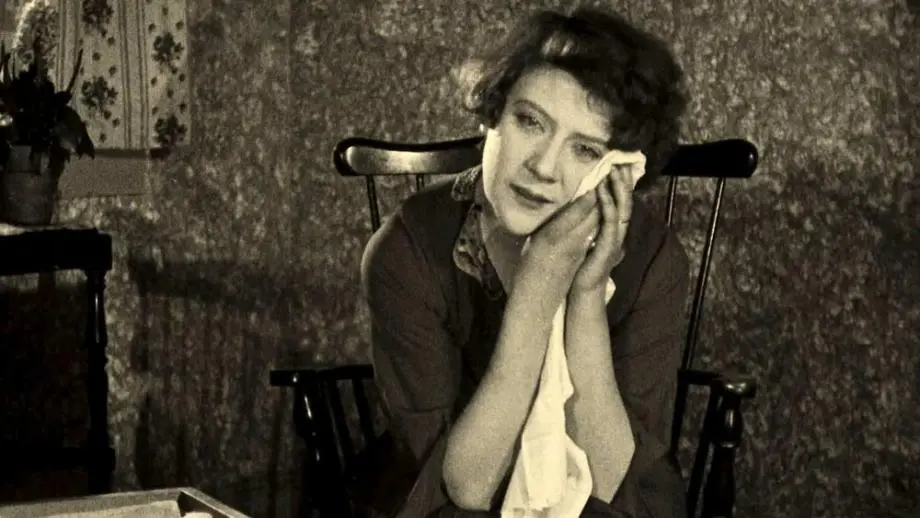
The film introduces us to two distinct households, a structural choice that allows for a comparative study of class, temperament, and biological response. Adelaide M. Chase and Nance Newman deliver performances that are remarkably grounded, avoiding the over-the-top histrionics that often plagued the silent-to-sound transition era. Instead, they lean into the visceral discomfort of pregnancy. We see the morning sickness not as a plot device, but as a debilitating physical reality that colors their worldview. This groundedness is reminiscent of the gritty realism found in The Italian, though focused on the internal domestic sphere rather than the external urban struggle.
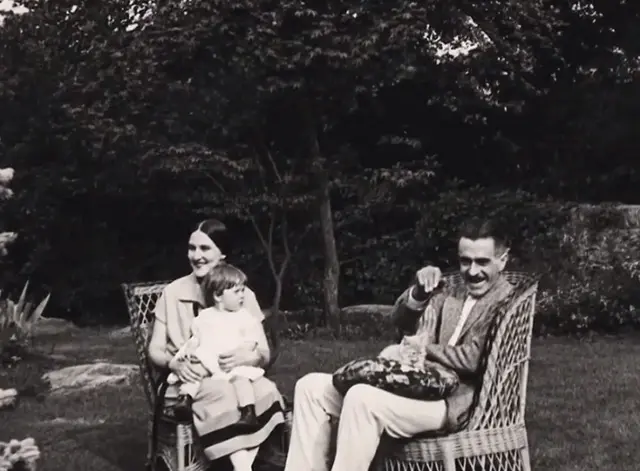
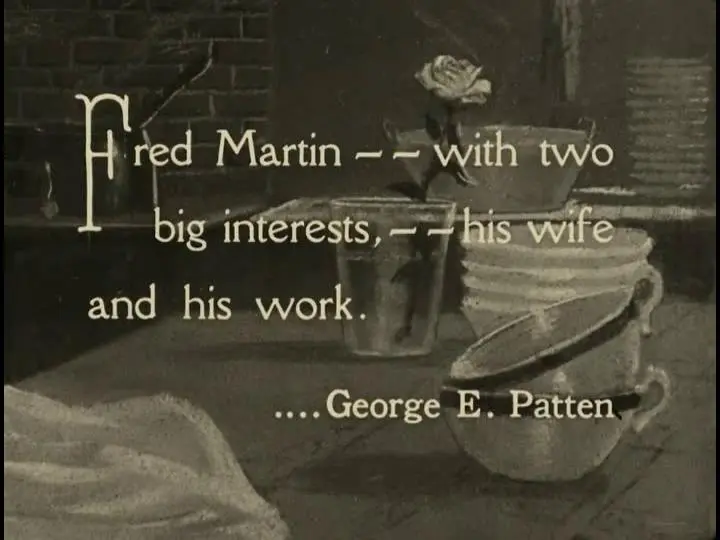
What truly distinguishes this work from its peers is the earnest attention paid to the fathers. George E. Patton and J. Thomas Hopkins portray the first-time fatherhood experience with a mixture of bewilderment and burgeoning duty. In many films of this period, such as the more lighthearted Pick Out Your Husband, the male role in the procreative process is often relegated to the background or treated with a comedic shrug. Here, however, Lawrence’s script demands that the men confront their own anxieties. They are not just observers; they are undergoing a parallel psychological gestation, one defined by the sudden, heavy realization that their autonomy is now inextricably linked to a fragile, unseen third party.
Mildred Dunnock, even in a supporting capacity, provides a tether to the broader social fabric. Her presence adds a layer of maternal wisdom that feels both comforting and haunting, reminding the protagonists—and the audience—of the generational cycle that has preceded them. The film’s focus on the miraculous nature of life is constantly tempered by the very real fear of the unknown, a tension that was perhaps even more acute in an era where medical outcomes were less certain than they are today.
To understand Motherhood: Life's Greatest Miracle, one must view it within the context of the "hygiene film" movement. This was a time when cinema was being utilized as a tool for public enlightenment, often blurring the lines between art and propaganda. While it lacks the darker, more controversial eugenic undertones of The Black Stork, it shares that film’s commitment to showing the biological process with a frankness that would have been scandalous in a purely commercial drama. There is a sense of urgency here, a feeling that the audience is being invited into a sacred, previously hidden space.
The cinematography utilizes shadow and light to emphasize the isolation of the pregnant state. There are moments of quiet contemplation where the camera lingers on the expectant mothers’ faces, capturing a sense of existential solitude. This artistic choice elevates the film above mere educational fare, aligning it more closely with the psychological depth of European imports like Gefangene Seele. The film understands that while the biological process is universal, the emotional experience is profoundly individual.
The structure of the film follows the trimesters of pregnancy, allowing the tension to build naturally. The initial discovery is met with a complex cocktail of emotions—shock, delight, and a creeping sense of dread. As the physical toll increases, the film doesn't shy away from the exhaustion and the strain it places on the marital bond. This isn't the idealized, sanitized version of family life found in Always in the Way; it is a more honest appraisal of the friction that occurs when two lives are forcefully expanded to accommodate a third.
When the climax finally arrives—the birth itself—the film shifts its tone from the clinical to the transcendental. The "miracle" of the title is finally realized, but it feels earned because we have witnessed the arduous journey required to reach it. The joy portrayed by Chase and Newman in the final scenes is palpable, a release of the immense pressure that has been building throughout the runtime. It is a moment of primordial triumph over the fears that dominated the earlier acts.
Lita Lawrence’s writing deserves significant praise for its lexical diversity and emotional intelligence. She manages to imbue technical information with a poetic quality, making the biological facts feel like part of a grander, spiritual narrative. Her ability to pivot from the mundane details of nursery preparation to the sweeping philosophical questions of legacy and continuity is masterful. In this regard, the film stands apart from more straightforward genre pieces like The Wildcat or the suspenseful Time Lock No. 776. It isn't trying to thrill or entertain in the traditional sense; it is trying to resonate on a cellular level.
The film also subtly addresses the social pressures of the era. The expectation of motherhood as the ultimate fulfillment of a woman’s destiny is present, but Lawrence allows for moments of doubt that suggest a more nuanced reality. The fear of failure—both as a mother and a father—is a recurring motif that provides a psychological depth often missing from contemporary didactic works. It shares a certain thematic gravity with Black Oxen, which also explored the biological limitations and desires of the human body, albeit through a more fantastical lens.
When compared to other films of the period, Motherhood: Life's Greatest Miracle occupies a unique niche. It lacks the adventurous spirit of Dorothy Vernon of Haddon Hall or the crime-focused intrigue of The Unholy Three. Instead, it finds its drama in the quietest, most universal human experiences. It is more grounded than the melodrama of The Girl and the Judge, focusing on the internal judgment one passes upon oneself when faced with the responsibility of a new life.
Even when compared to other "slice of life" films like Erlebnisse einer Sekretärin, this film feels more essential, more urgent. It deals with the very foundation of society. The anxieties of the fathers, portrayed with such sincerity by Patton and Hopkins, provide a necessary counterpoint to the maternal experience, ensuring the film remains a holistic study of the family unit rather than a singular perspective. It avoids the entrapments of Caught in the Act, opting for transparency over sensationalism.
Ultimately, Motherhood: Life's Greatest Miracle is a testament to the power of cinema to demystify the human condition. It takes the most common of miracles and subjects it to a rigorous, yet loving, examination. The performances are timeless, the writing is sophisticated, and the emotional core is unshakable. It is a film that demands to be seen not just as a historical curiosity, but as a deeply human exploration of the fears and hopes that have defined us since the dawn of our species. It reminds us that while technology and medicine may advance, the fundamental experience of bringing new life into the world remains a journey of profound courage and unparalleled joy.
In an era where we are inundated with fast-paced entertainment, there is something deeply rewarding about sitting with a film that moves at the pace of life itself—slow, deliberate, and fraught with the weight of significance. It is a cinematic experience that, much like its subject matter, leaves one changed, possessing a newfound reverence for the delicate, powerful process of becoming a parent. It is, quite simply, a miracle of early filmmaking.
IMDb 6.8
1913
Community
Log in to comment.