DbcultAccessing Vault...
4.3/10
Senior Film Conservator
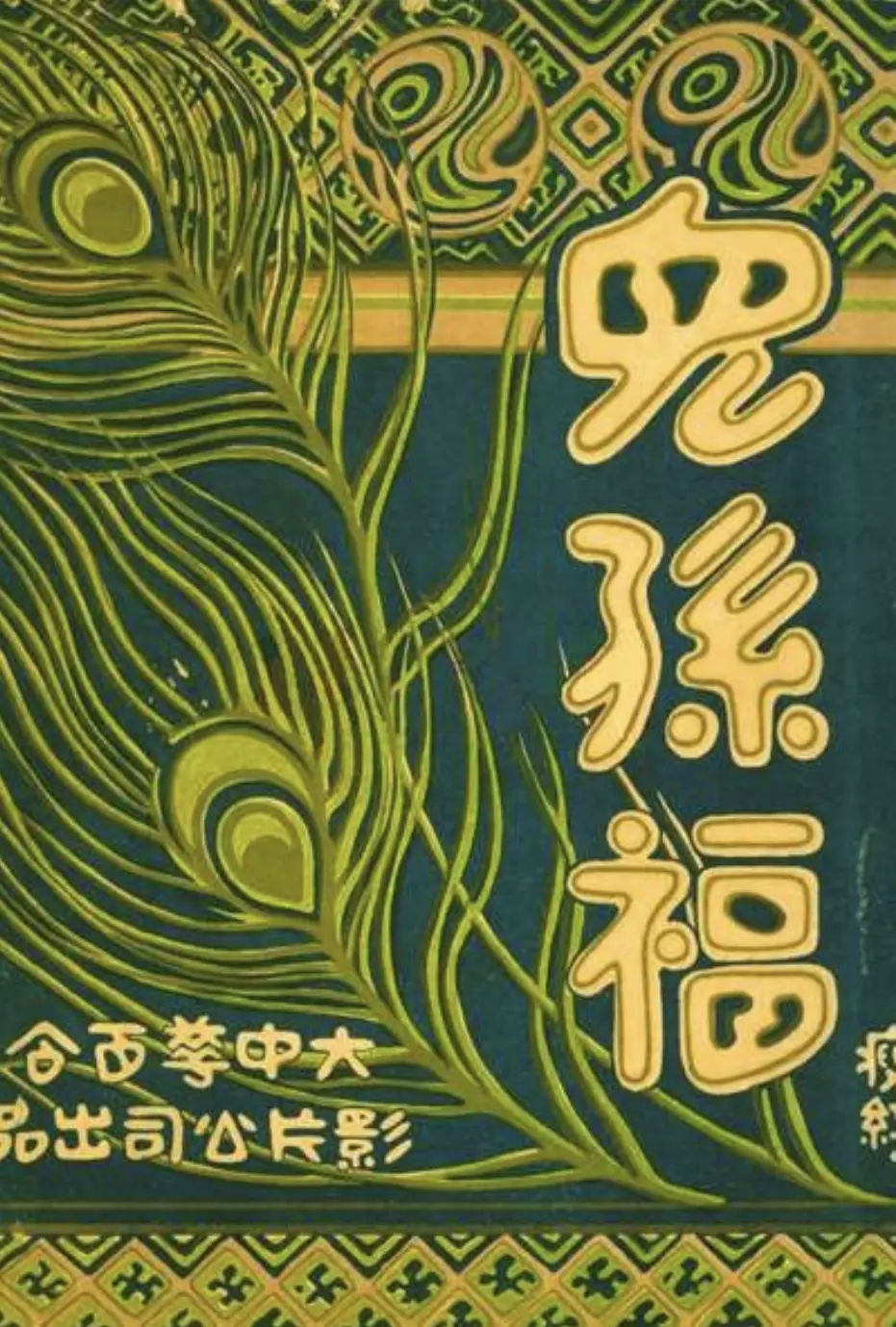
A definitive 4.3/10 rating for a film that redefined the boundaries of cult cinema. Mother's Happiness remains a cornerstone of transgressive art.
Is this a film that demands your attention in the 21st century? Short answer: Yes, but only if you are prepared for a slow-burn meditation on suffering rather than a standard family drama. This is a film for those who appreciate the skeletal remains of social realism and historical character studies, but it is certainly not for viewers seeking escapism or fast-paced emotional payoffs.
This film works because it refuses to sentimentalize the grueling physical reality of rural poverty, choosing instead to focus on the mechanical repetition of labor. This film fails because the third act leans too heavily into didactic moralizing, stripping the protagonist of her nuance in favor of a 'saintly mother' archetype. You should watch it if you want to see a masterclass in silent-era physical acting by Xiuying Wang or if you are interested in the evolution of Eastern cinematic portrayals of the family unit.
The answer depends entirely on your tolerance for cinematic austerity. If you are looking for a story that celebrates the joy of family, the title 'Mother's Happiness' will feel like a cruel irony. However, for the serious cinephile, it is an essential text. It provides a raw, unfiltered look at a woman’s resilience that predates the more polished melodramas of the 1940s. It is worth watching for the historical context alone, as it captures a specific cultural transition from feudal expectations to the burgeoning modern age.
Director Shouju Zhu employs a visual style that is surprisingly modern in its minimalism. Unlike the more theatrical staging found in Here He Comes, this film utilizes the natural landscape of the village to dwarf its characters. The cinematography by the uncredited camera team focuses on the textures of the earth—the dust, the coarse grain of the wood, and the fraying fabric of the mother's clothes. There is a specific scene involving the harvesting of crops where the camera remains static for nearly three minutes. We watch the mother work in real-time. It is uncomfortable. It is exhausting. It is brilliant.
This insistence on the 'long take' forces the audience to inhabit the mother's physical exhaustion. It reminds me of the atmospheric tension found in The Burning Soil, where the land itself becomes a character that demands a blood sacrifice from those who tend it. In Mother's Happiness, the land doesn't just take the husband; it continues to take the wife, piece by piece, day by day. The pacing is, frankly, glacial. But that is the point. Poverty does not move at the speed of a Hollywood montage.
Xiuying Wang’s performance is the tectonic plate upon which the entire film rests. She does not resort to the histrionics common in early cinema. Instead, she uses her eyes to convey a sense of 'enforced stoicism.' There is a moment after her husband’s death when she is offered a small amount of compensation. She doesn't cry. She doesn't scream. She simply looks at the coins, and then at her children. The subtle twitch in her jaw tells a more harrowing story than any monologue could. It is a performance that feels surprisingly contemporary, eschewing the pantomime style seen in films like Perils of the Coast Guard.
The supporting cast, including Zhengxin Wang and Yunqing Xie, provide adequate foils to her central gravity, but they often feel like sketches rather than fully realized humans. This is particularly true of the children. As they age, they represent different 'types'—the scholar, the laborer, the rebel. While this serves the film's allegorical purposes, it occasionally robs the narrative of its emotional intimacy. We are watching a fable, not a documentary.
The screenplay by Shouju Zhu is meticulously structured, perhaps to a fault. The film is divided into clear seasonal shifts, echoing the cycle of life and death. However, the dialogue—conveyed through intertitles—can feel redundant. The film is at its strongest when it trusts the audience to interpret the visual cues. For instance, the recurring motif of the empty chair at the dinner table says more about the family's loss than any of the weeping scenes in the final reel.
I have a debatable opinion: the film would be stronger if it ended twenty minutes earlier. The final sequence, which attempts to provide a sense of 'happiness' or resolution, feels unearned. It contradicts the gritty realism established in the first two acts. It feels as though the filmmakers were afraid to leave the audience in total darkness, so they lit a candle that the story had already blown out. It works. But it’s flawed.
When placed alongside other works of the era, such as Under the Greenwood Tree, Mother's Happiness stands out for its lack of pastoral romanticism. While other films sought to find beauty in the rural life, Zhu finds only labor and the looming threat of obsolescence. It shares a certain DNA with She Wolves in its depiction of women pushed to the brink, though it lacks the more aggressive edge of the latter. It is a quiet film that makes a very loud statement about the cost of the 'ideal' family.
Mother's Happiness is a difficult, often punishing watch that rewards the patient viewer with a profound sense of time and place. It is a film that refuses to blink in the face of tragedy, even if it eventually flinches during the finale. While it may not offer the 'happiness' its title suggests, it offers something far more valuable: truth. It is a vital piece of cinematic history that deserves to be discussed alongside the great social realist works of the century. It is heavy. It is slow. It is essential.
"A haunting portrait of maternal endurance that trades easy tears for the hard-earned sweat of reality."

IMDb 5.5
1935
Community
Log in to comment.