DbcultAccessing Vault...
Cult Review
Senior Film Conservator
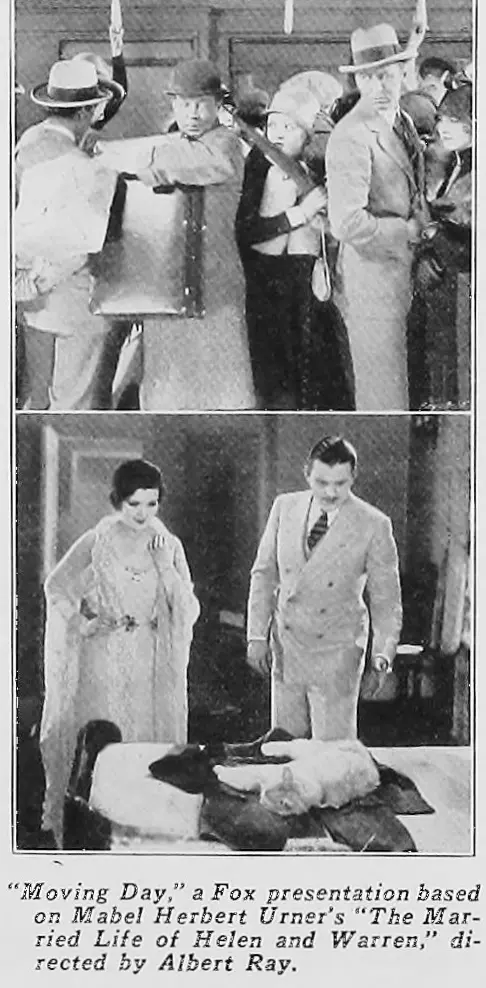
Is 'Moving Day' worth watching today? Short answer: yes, but with significant caveats that speak to its era. This film is an absolute must-see for ardent silent film enthusiasts, cinephiles interested in the foundational elements of domestic comedy, and those who appreciate the raw, unpolished charm of early cinematic storytelling.
However, it is decidedly not for viewers seeking modern pacing, sophisticated visual effects, or dialogue-driven narratives. Casual audiences accustomed to contemporary filmmaking might find its deliberate rhythm and reliance on physical comedy a test of patience.
The premise of 'Moving Day' is deceptively simple: a couple, Helen and Warren, trade the perceived claustrophobia of New York City for the promise of suburban tranquility. This isn't merely a change of address; it's an aspirational leap, a bid for a better life. Yet, from the moment their decision is made, fate conspires against them with a relentless, almost cruel, efficiency.
The film swiftly plunges its protagonists into an escalating maelstrom of domestic disaster. The arrival of Warren's brother and his family, financially ruined and seeking shelter, immediately amplifies the inherent stress of relocation. This isn't just an inconvenience; it's a profound challenge to the couple's already precarious new beginning, a test of their generosity and their capacity for resilience.
But the true antagonist isn't the extended family, nor even the exasperating movers. It's the elements themselves, specifically the torrential rain, coupled with the profound structural inadequacy of their new home. The image of their furniture, left exposed under a 'leaky canvas' outside a locked house, is a perfectly executed visual metaphor for their rapidly deflating hopes. It's a statement on the fragility of our plans in the face of an indifferent world.
Entering the house, only to find it 'little better than a sieve', transforms the narrative from a simple comedy of errors into a near-existential nightmare of homeownership. This isn't just a bad day; it’s a total systemic breakdown, a brutal deconstruction of the very concept of a domestic sanctuary. It works. But it’s flawed.
Mabel Herbert Urner's script, brought to life by the uncredited director, demonstrates a keen understanding of escalating comedic tension. The direction in 'Moving Day' relies heavily on visual storytelling, a necessity of the silent era, and it largely succeeds in building a sense of mounting chaos. The camera often acts as a detached observer, allowing the absurdity of the situation to unfold without overt manipulation, which gives the humor a surprisingly grounded feel.
Consider the recurring motif of water. The rain outside is not just a backdrop; it becomes a character in itself, an unstoppable force undermining every effort Helen and Warren make. The cinematography, though rudimentary by today's standards, effectively conveys the sheer volume of the downpour and its insidious penetration into the house. Shots of water dripping from ceilings, pooling on floors, and saturating their possessions are repeated, each instance further cementing the couple's predicament.
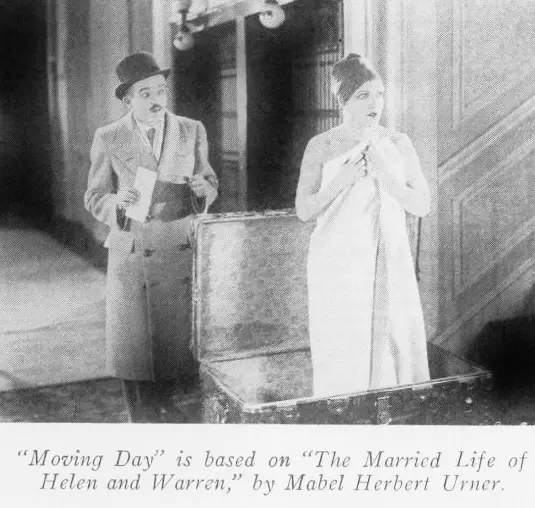
One particularly effective sequence involves the furniture being left outside. The wide shot, capturing the array of household goods exposed to the elements, evokes a feeling of profound vulnerability. The 'leaky canvas' isn't just described; its inadequacy is visually emphasized, highlighting the movers' negligence and the couple's misfortune. This scene, more than any other, encapsulates the film's core comedic and dramatic conflict.
The staging of physical gags, while occasionally broad, generally serves the narrative well. There's a particular moment when a character attempts to mitigate a leak with a series of buckets, only for another leak to spring elsewhere, creating a domino effect of minor catastrophes. This kind of visual chain reaction is a hallmark of silent comedy, and 'Moving Day' employs it with a certain unpolished charm.
However, the film occasionally struggles with its limited technical resources. Some interior shots feel cramped, and the lighting, while functional, lacks the nuanced depth seen in later silent works like The Dragon Painter. These limitations are understandable given the period but can sometimes detract from the immersive quality of the experience.
The ensemble cast, led by Katherine Perry as Helen and Arthur Housman as Warren, delivers performances that are both earnest and broadly comedic, perfectly fitting the silent film aesthetic. Their exaggerated facial expressions and physical reactions are key to conveying the characters' mounting frustration without the aid of dialogue.
Katherine Perry, often lauded for her dramatic roles, demonstrates a surprising aptitude for physical comedy here. Her Helen is a woman whose initial optimism slowly gives way to a delightful blend of exasperation and weary resignation. Her reactions to each new disaster – a subtle eye-roll, a defeated slump of the shoulders – are incredibly nuanced for the era, and she carries much of the film’s emotional weight. She anchors the chaos with a relatable humanity.
Arthur Housman, as Warren, complements Perry perfectly. His portrayal of the beleaguered husband, trying desperately to maintain a facade of control amidst utter pandemonium, is a masterclass in silent suffering. He embodies the archetypal 'everyman' caught in an impossible situation. His attempts to fix the leaks, often leading to more spills, are genuinely funny and never feel entirely farcical; there’s a genuine pathos beneath his comedic struggles.
The supporting cast, including Jimmy Boudwin and Belva McKay as Warren's brother and his family, effectively heighten the sense of invasion and added pressure. While their roles are primarily to amplify the chaos, their interactions with Helen and Warren add another layer to the domestic comedy. Hallam Cooley’s presence, though brief, adds a touch of recognizable character acting that rounds out the ensemble.
It's a testament to the actors' skill that despite the broad strokes often required for silent performance, they manage to imbue their characters with enough personality to make their plight feel genuinely engaging. They don’t just react; they embody the spiraling dread of a dream deferred, providing a solid foundation for the film's comedic beats.
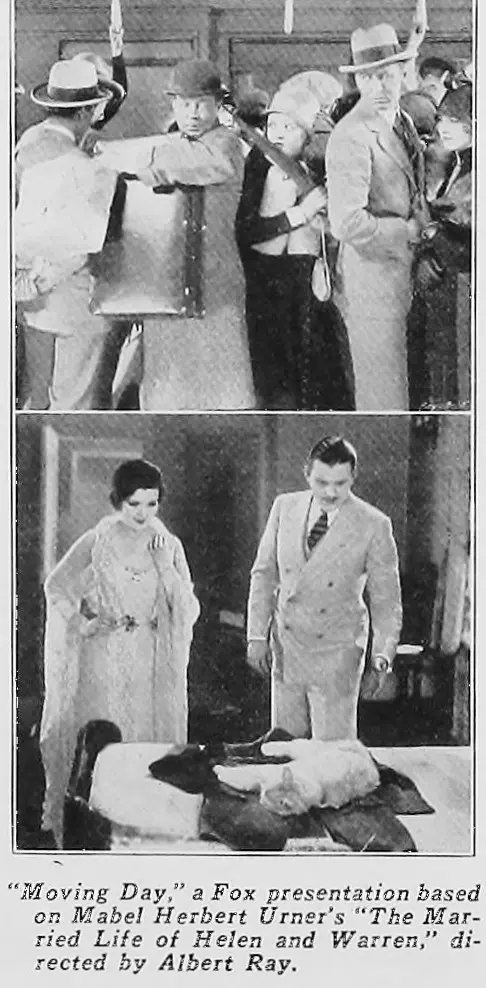
The pacing of 'Moving Day' is undeniably deliberate, a characteristic common to many films of its period. The narrative unfolds slowly, allowing each new comedic setback to land with full impact. While modern audiences might find this rhythm a little challenging, it's crucial for appreciating the film's build-up of tension and frustration.
The film starts with a relatively calm, almost optimistic tone, as Helen and Warren prepare for their move. This initial calm serves as a stark contrast to the escalating bedlam that follows. The transition from hopeful anticipation to utter despair is gradual, punctuated by a series of increasingly severe misfortunes. This slow burn allows the audience to fully internalize the characters' plight, making their eventual exasperation all the more relatable.
The tone is predominantly comedic, leaning into slapstick and the absurdity of the situation. However, there are subtle undertones of pathos, particularly in the reactions of Helen and Warren as their dream home turns into a nightmare. It’s a comedy that understands the fine line between laughter and tears, recognizing the inherent tragedy in domestic failure. This blend prevents the film from becoming mere farce, giving it a surprising emotional resonance.
The film's commitment to its central gag – the leaky house – could have become repetitive, but the writers manage to introduce enough variations and escalating consequences to keep it engaging. Each new leak, each new waterlogged possession, adds another layer to the couple's misery, maintaining the comedic momentum without feeling stale. It’s a masterclass in how to sustain a single premise through incremental escalation.
Yes, 'Moving Day' is absolutely worth watching if you have an appreciation for silent cinema or a keen interest in the evolution of comedy. It offers a fascinating glimpse into early filmmaking techniques and the comedic sensibilities of the 1920s. However, if you are new to silent films or prefer fast-paced, dialogue-driven narratives, it might require a shift in your viewing expectations. It's a foundational piece, not a universally accessible one.
For silent film aficionados, 'Moving Day' provides rich material for study. It showcases effective visual storytelling, strong physical performances, and a clever script that expertly builds comedic tension. It’s a solid example of how filmmakers of the era used limited resources to tell engaging stories.
For general audiences, the appeal lies in its surprisingly timeless theme: the universal nightmare of moving and the often-unforeseen challenges of homeownership. The core humor, derived from human frustration and the absurdity of bad luck, transcends the decades. While the pacing demands patience, the payoff is a genuinely amusing and relatable experience.
It’s also an important historical document, offering insight into the social anxieties and domestic aspirations of the post-WWI era. The suburban dream, even then, was fraught with peril, and 'Moving Day' captures that with both humor and a touch of realism. It’s a film that speaks to the enduring human desire for a perfect home, and the often-hilarious ways reality intervenes.
'Moving Day' is more than just a relic; it’s a robust, if occasionally plodding, piece of early cinematic comedy that still resonates. It leverages the inherent anxieties of domestic life and the unpredictability of the elements to craft a genuinely funny, albeit frustrating, narrative. While it demands a certain patience from its audience, particularly those unaccustomed to the rhythms of silent film, the rewards are a charmingly chaotic and surprisingly insightful look at the perils of pursuing the perfect home. It’s a film that proves some nightmares, like a leaky roof or unexpected houseguests, are truly timeless. If you’re willing to adjust your expectations, you'll find 'Moving Day' to be an enjoyable, if slightly waterlogged, journey back to the roots of cinematic humor. It’s a film that deserves a rediscovery, not just as a historical artifact, but as a genuinely entertaining, albeit flawed, experience.

IMDb —
1935
Community
Log in to comment.