DbcultAccessing Vault...
Cult Review
Senior Film Conservator
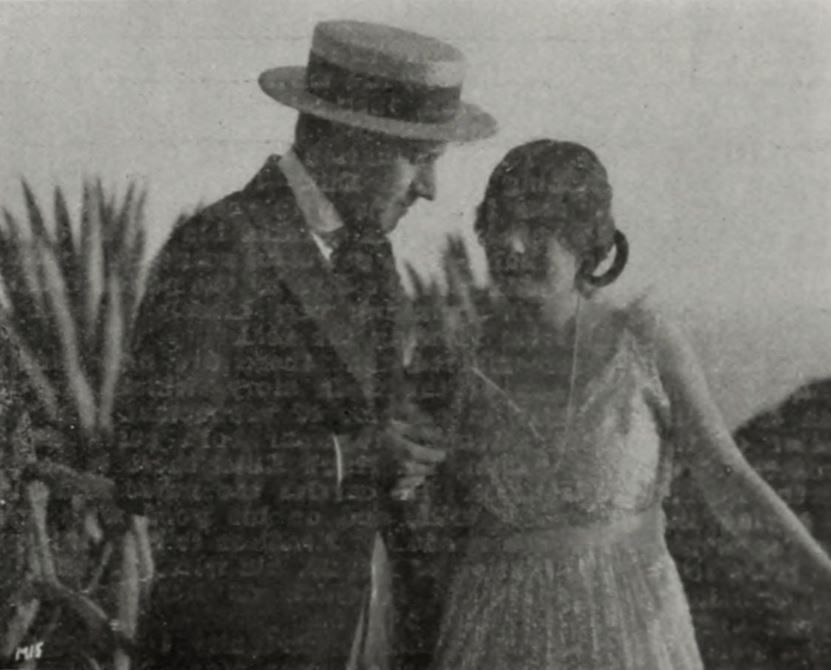
Stepping back into the cinematic landscape of 1915, one encounters a fascinating tapestry of storytelling, often characterized by grand gestures, dramatic twists, and a nascent understanding of the medium's power. Among these early gems, Mr. Grex of Monte Carlo emerges as a particularly intriguing artifact, a silent film that masterfully weaves together the disparate threads of international espionage and headstrong romance. It’s a narrative that, even a century later, retains a certain magnetic charm, offering a window into the anxieties and aspirations of an era teetering on the brink of profound global change. The film, adapted from the work of E. Phillips Oppenheim and brought to the screen by Marion Fairfax, plunges its audience into a world where personal desires collide with geopolitical machinations, set against the glittering, morally ambiguous backdrop of Monte Carlo.
At its core, Mr. Grex of Monte Carlo is a tale of dual identities and clandestine objectives. The enigmatic Mr. Grex is, in fact, Grand Duke Augustus Peter of Russia, a figure of immense political weight operating under a veil of anonymity. His mission in Monte Carlo is far from leisure; he is there to orchestrate a secret pact, a delicate entente between Russia, France, and Germany, represented by their own incognito diplomats. This premise immediately establishes a pervasive sense of tension and high stakes, where every whispered conversation and chance encounter could hold international ramifications. The film deftly portrays the intricate dance of these figures, moving through the opulent casinos and sun-drenched promenades, each playing a role in a larger, hidden drama. The very choice of Monte Carlo, a locale synonymous with wealth, leisure, and hidden agendas, serves as a brilliant microcosm for the secret world these diplomats inhabit. It’s a setting that naturally lends itself to both romance and intrigue, where fortunes are won and lost, and where identities can be shed and assumed with equal ease.
Into this carefully constructed world of espionage strides Richard Lane, a young American millionaire, whose defining characteristic is an unshakeable confidence and an almost reckless abandon in the pursuit of his desires. Lane represents a stark contrast to the old-world diplomacy and aristocratic reserve of his European counterparts. He is a force of nature, unburdened by tradition or the subtle nuances of international relations, driven instead by an impetuous spirit and a formidable romantic streak. His arrival in Monte Carlo, ostensibly for pleasure, quickly takes an unexpected detour when he spies Miss Grex, who is, unbeknownst to him, the Grand Duchess Fedora. The film captures the instantaneous, almost violent nature of his infatuation, a love-at-first-sight trope elevated by the sheer inaccessibility of its object. Lane's immediate and fervent pursuit of Fedora sets the stage for a dramatic clash of cultures and temperaments. His American directness and refusal to acknowledge social barriers provide a refreshing, albeit disruptive, counterpoint to the rigid hierarchies of European aristocracy, making his romantic quest both charmingly audacious and utterly compelling.
Lane's attempts to gain an introduction to the mysteriously inaccessible Fedora are initially met with futility, prompting him to devise an increasingly elaborate and, frankly, daring scheme. He hires a local bandit to stage a fake hold-up of Fedora's car, intending to swoop in as her heroic rescuer. This plot point is a classic melodramatic device, yet Mr. Grex of Monte Carlo injects it with a thrilling twist that elevates it beyond mere cliché. As Lane arrives on schedule, ready to play the hero, the bandit informs him that he has had a change of heart – he now intends to make the hold-up genuinely real. This unexpected betrayal transforms a carefully orchestrated charade into a moment of genuine peril, injecting a sudden, visceral urgency into the narrative. Lane, therefore, is compelled to make a truly heroic rescue, battling the bandit not for show, but for Fedora's actual safety. This pivotal scene not only allows Lane to finally meet Fedora under dramatic circumstances but also underscores his inherent courage and resourcefulness, cementing his image as a genuine hero rather than a mere opportunist. The irony of a fabricated threat morphing into a tangible danger serves to heighten the romantic tension, proving Lane’s devotion under authentic duress. This narrative ingenuity showcases the burgeoning sophistication of early cinematic storytelling, moving beyond simple plot points to explore the unpredictable nature of human agency and circumstance.
The Grand Duchess Fedora, initially a figure of distant allure, is brought into sharper focus after her dramatic rescue. Her world, governed by the strictures of her lineage and the expectations of her position, is suddenly confronted by the raw, untamed passion of Richard Lane. Lord Huntersley, an English Secret Service agent also involved in the diplomatic machinations, quickly informs Lane of the futility of his efforts, revealing Fedora’s true identity and the insurmountable social chasm between them. This revelation does little to deter Lane, but it certainly complicates Fedora’s emotional landscape. She is torn between the rigid demands of her royal duty and the burgeoning feelings ignited by Lane’s audacious charm and undeniable heroism. The film subtly portrays her internal struggle, a conflict between the life she is expected to lead and the life her heart might desire. This internal conflict is a timeless theme, and Mr. Grex of Monte Carlo presents it with a clarity that transcends the limitations of silent film, relying on the expressive performances of its lead actress, Dorothy Davenport, to convey the weight of her predicament. The gravity of her position is further emphasized by the fact that her father, Mr. Grex, is embroiled in matters of international security, rendering her personal happiness a secondary concern to statecraft.
The intertwining of personal romance and international intrigue reaches its zenith when a third member of the diplomatic conference unexpectedly encounters Lane and Fedora in the midst of a tender moment. In a desperate, split-second decision, this diplomat thrusts crucial papers into Lane's hand, uttering the cryptic instruction, "Give these to Huntersley," before disappearing. This sudden turn of events catapults Lane from a romantic suitor into an unwitting participant in high-stakes espionage. The diplomatic papers, presumably containing the details of the secret pact or other sensitive information, become a ticking time bomb, further entangling Lane and Fedora in a web of danger from which there seems no easy escape. The film masterfully uses this plot device to elevate the stakes, transforming a romantic comedy of errors into a genuine thriller. The complications that arise between Fedora and Lane are no longer merely social or emotional; they are now matters of state security, with potentially dire consequences for all involved. This moment serves as a powerful reminder that in the world of Mr. Grex of Monte Carlo, the personal and the political are inextricably linked, each impacting the other with dramatic force.
With the diplomatic papers in hand and the threat of exposure looming, Lane and Fedora find themselves in a precarious position, their only recourse a daring escape. Lane, ever the resourceful American, manages to temporarily incapacitate Fedora’s father, the Grand Duke, buying them precious hours. What follows is a whirlwind of desperate planning and audacious execution. They hire a yacht, a symbol of freedom and escape, and set sail into the open sea. The film then introduces another delightful piece of narrative ingenuity: the acquisition of a parson. For the princely sum of $5,000 and the promise of a trip home, a clergyman consents to join their impromptu voyage. This detail not only adds a touch of humor but also highlights Lane's pragmatic approach to overcoming obstacles, even those as sacred as matrimony. The final, climactic act of their elopement occurs once they are safely beyond the three-mile limit, marrying under the laws of the United States. This geographical detail is crucial, signifying their escape from European jurisdiction and the conventions that bound Fedora. It’s a powerful statement of autonomy and love, a defiant act against the forces of tradition and international politics. This scene, brimming with romantic triumph and a dash of legalistic cleverness, provides a satisfying culmination to their tumultuous journey, underscoring the film's adventurous spirit.
The success of a silent film, particularly one from this early period, heavily relies on the expressiveness of its cast, and Mr. Grex of Monte Carlo is fortunate in its ensemble. Carlyle Blackwell, as the dashing Richard Lane, embodies the spirited American millionaire with a blend of youthful exuberance and determined resolve. His physicality and facial expressions would have been key in conveying Lane's passionate infatuation and quick thinking. Theodore Roberts, portraying the titular Mr. Grex (Grand Duke Augustus Peter), provides a gravitas befitting his dual role, hinting at the weighty responsibilities beneath his incognito facade. Dorothy Davenport, as the Grand Duchess Fedora, navigates the complexities of her character with grace, portraying both the aristocratic reserve and the burgeoning romantic yearning beneath. Her performance would have been crucial in making Fedora's internal conflict palpable to an audience accustomed to more overt forms of emotional expression. The acting style of the era, often characterized by broader gestures and more pronounced pantomime, is evident here, but it serves the melodramatic nature of the plot well. The director's (Frank Reicher, though not listed in the prompt, often associated with this film's era) ability to harness these performances, alongside the evocative cinematography of the Monte Carlo setting, contributes significantly to the film's enduring appeal. While not as overtly political as Within Our Gates or as starkly dramatic as Life's Shop Window in their social commentary, Mr. Grex still offers a commentary on class and societal expectations, albeit through the lens of a thrilling adventure.
The narrative's intricate plotting owes much to its literary origins. E. Phillips Oppenheim, the author of the source material, was a master of the spy thriller genre, known for his tales of international intrigue, secret agents, and glamorous European settings. His influence is palpable throughout the film, providing a robust framework for the cinematic adaptation. Marion Fairfax, credited with the screenplay, skillfully translates Oppenheim's complex world to the silent screen, understanding the need for visual storytelling and heightened drama. Her work in adapting such dense material for a nascent medium speaks volumes about her talent and foresight. The collaboration between a seasoned novelist and an adept screenwriter ensures that the film is not merely a series of events but a coherent, engaging narrative that keeps the audience captivated. This period in cinema was crucial for establishing the conventions of genre storytelling, and Mr. Grex of Monte Carlo stands as a testament to the effective adaptation of popular literature for the burgeoning movie-going public. The blend of high-concept espionage and compelling romance makes it a precursor to many successful genre films that would follow, demonstrating an early understanding of what makes a story resonate with mass audiences.
Ultimately, Mr. Grex of Monte Carlo is more than just a historical curiosity; it is a vibrant example of early cinematic storytelling that manages to blend genres with surprising efficacy. It offers a fascinating glimpse into the nascent spy thriller, a genre that would explode in popularity throughout the 20th century. The film's themes of duty versus desire, the clash of social classes, and the thrilling pursuit of love against insurmountable odds are timeless. While the cinematic techniques may seem quaint by modern standards, the narrative's audacity and the sheer romantic sweep of Lane and Fedora’s story remain compelling. It speaks to a universal human fascination with forbidden love and high-stakes adventure, a yearning for escape from the mundane into a world where personal courage can indeed alter the course of destiny. Comparisons can be drawn, albeit loosely, to other contemporary tales of daring and subterfuge, like The Master Mind, which similarly explores intricate plotting and the clever outwitting of adversaries, though in a different criminal context. In its blend of aristocratic glamour, international intrigue, and a passionate, defiant romance, Mr. Grex of Monte Carlo solidifies its place as a noteworthy entry in the annals of early cinema, a testament to the power of storytelling that transcends the limitations of its era and continues to captivate the imagination.
IMDb —
1921
Community
Log in to comment.