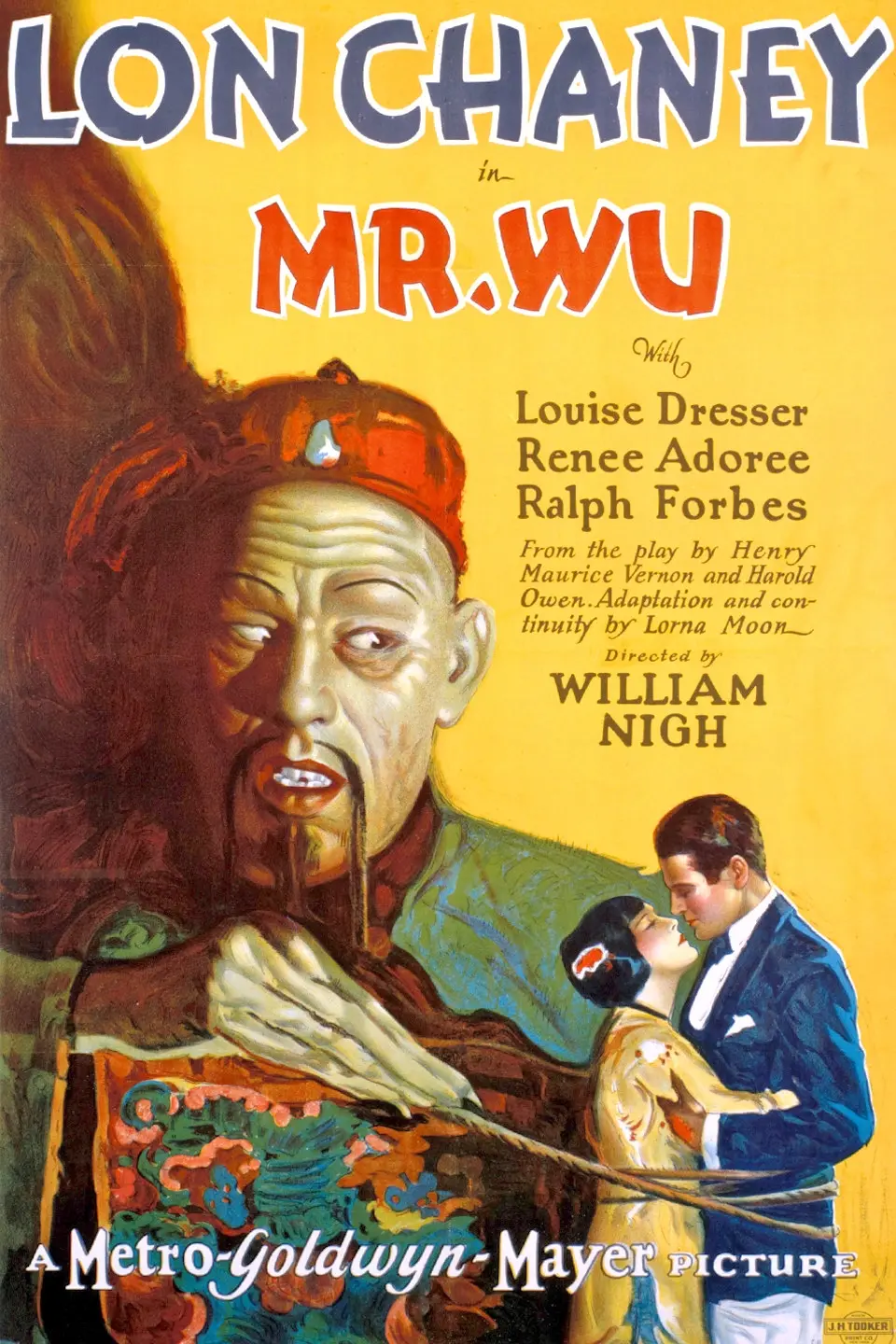
A definitive 6.3/10 rating for a film that redefined the boundaries of cult cinema. Mr. Wu remains a cornerstone of transgressive art.
Reckoning with a Silent Spectacle: The Enduring Impact of Mr. Wu (1927)
Is Mr. Wu (1927) a film worth your time today? The short answer is yes, but with significant caveats, appealing primarily to silent film enthusiasts, cinephiles interested in early Hollywood's portrayal of cultural conflict, and those fascinated by the 'Man of a Thousand Faces,' Lon Chaney. This is a film that will likely alienate viewers seeking progressive narratives or a straightforward, unproblematic viewing experience.
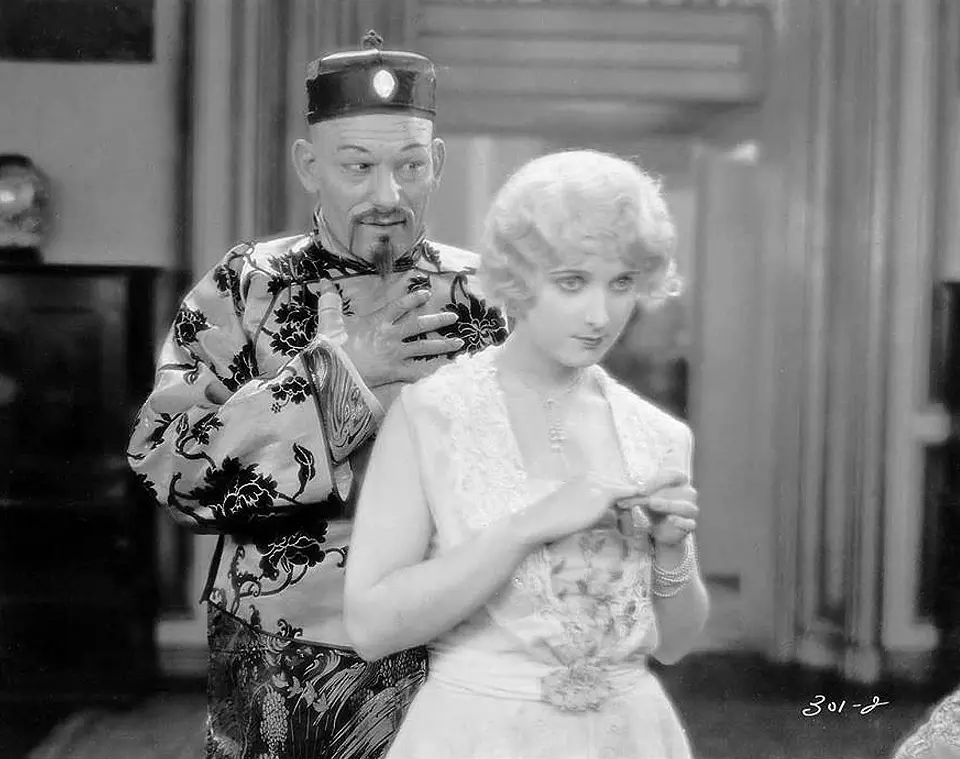
Scene from Mr. Wu
Cinematic perspective: Exploring the visual vocabulary of Mr. Wu (1927) through its definitive frames.
From the outset, it's crucial to approach Mr. Wu not just as entertainment, but as a historical document. It's a window into the filmmaking sensibilities and societal biases of nearly a century ago, offering both compelling artistry and uncomfortable stereotypes in equal measure. This dichotomy is its most defining characteristic, making it a challenging yet rewarding watch for the right audience.
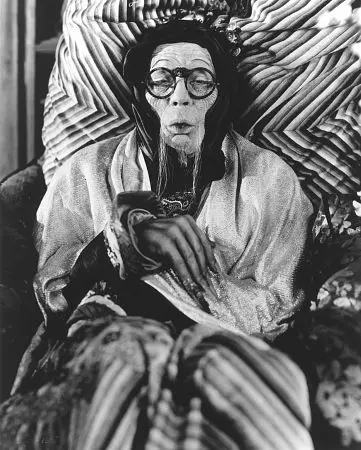
Scene from Mr. Wu
Cinematic perspective: Exploring the visual vocabulary of Mr. Wu (1927) through its definitive frames.
This film works because of Lon Chaney's utterly committed, if controversial, performance and William Nigh's atmospheric direction, which together forge a palpable sense of impending doom and cultural clash. It fails because its narrative, while striving for dramatic tension, is often hampered by the prevalent 'yellowface' casting and stereotypical depictions of Chinese culture that feel jarringly anachronistic today. You should watch it if you appreciate the raw, expressive power of silent cinema acting, are keen to understand the historical evolution of film portrayals of non-Western cultures, or simply want to witness one of cinema's most legendary chameleons at the peak of his transformative powers. However, proceed with an awareness of its significant cultural baggage. It's a film that demands critical engagement, not passive consumption.
Scene from Mr. Wu
Cinematic perspective: Exploring the visual vocabulary of Mr. Wu (1927) through its definitive frames.
The Heart of Vengeance: Plot & Themes Unpacked
At its core, Mr. Wu is a tragedy born from cultural collision and an unyielding adherence to honor. The narrative hinges on Mandarin Wu, portrayed by Lon Chaney, a figure of immense power and traditional values in early 20th-century China. His world is shattered when his unmarried daughter, Wu Nang (played by Renée Adorée), becomes pregnant by a young Englishman, Basil Gregory (Ralph Forbes).
Scene from Mr. Wu
Cinematic perspective: Exploring the visual vocabulary of Mr. Wu (1927) through its definitive frames.
This act, in Wu's eyes, is not merely a personal betrayal but a profound stain on his family's honor, demanding extreme retribution. The film meticulously charts Wu's descent into a cold, calculated quest for vengeance, a path that ultimately consumes him and those around him. It’s a classic tale of patriarchal wrath, elevated by the silent film era's capacity for heightened emotion and theatricality.
Scene from Mr. Wu
Cinematic perspective: Exploring the visual vocabulary of Mr. Wu (1927) through its definitive frames.
The thematic landscape of Mr. Wu is rich, if fraught. It grapples with the clash between East and West, tradition versus modernity, and the rigid confines of societal expectations. The film attempts to explore the severity of Chinese cultural codes regarding honor and family, though often through a decidedly Western lens, which, as we'll discuss, presents significant complications. The tragedy lies not just in the acts of vengeance, but in the inability of the characters to bridge cultural divides, leading to inevitable, devastating outcomes.
Chaney's Transformation: Performance Under Pressure
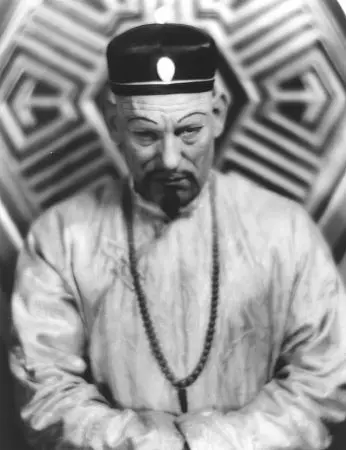
To discuss Mr. Wu without extensively detailing Lon Chaney's performance would be a critical oversight of the highest order. Chaney, dubbed the 'Man of a Thousand Faces,' was renowned for his elaborate makeup and physical transformations, and his portrayal of Mandarin Wu is a prime example of his dedication to character immersion. He spent hours in makeup, meticulously crafting the aged, dignified, and ultimately menacing visage of Wu.
His performance is a masterclass in silent film acting. Every gesture, every subtle shift in posture, every widening of the eyes conveys a torrent of emotion that intertitles alone could never capture. When Wu first learns of his daughter's transgression, Chaney doesn't rage; instead, his face contorts into a mask of profound, almost surgical, grief and resolve. The audience witnesses the internal struggle of a man whose entire world view has been upended, forced to reconcile his love for his daughter with his duty to his ancestors and his family's name.
A particularly striking example of Chaney's prowess comes in the scenes where he interacts with Basil Gregory's family. He maintains a veneer of polite, inscrutable cordiality, yet underneath, a simmering, icy determination for revenge is palpable. His eyes, in particular, convey a chilling intensity, hinting at the dark plans he is orchestrating. This duality, the outward composure masking inner turmoil, is incredibly effective and showcases Chaney's unique ability to communicate complex psychological states without uttering a single word.
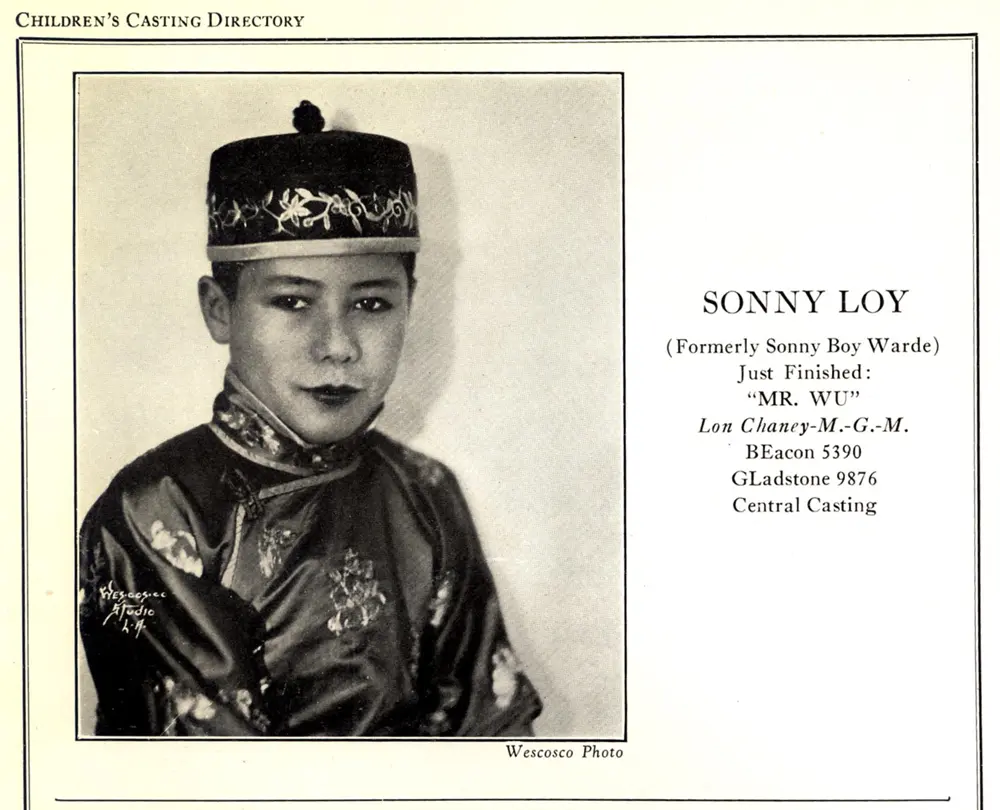
However, it is impossible to ignore the elephant in the room: Chaney's 'yellowface' portrayal. While celebrated in its time as a testament to his transformative skill, this practice is undeniably problematic by modern standards. It perpetuates harmful stereotypes and denies opportunities to actors of Asian descent. This is not to diminish Chaney's technical acting brilliance, but to acknowledge the cultural context and the ethical concerns it raises for contemporary viewers. It's a performance that simultaneously enthralls and discomforts, a testament to its historical significance but also its dated cultural sensitivities. It works. But it’s flawed. This is a difficult truth to reconcile.
The Gaze of the Camera: Direction & Cinematography
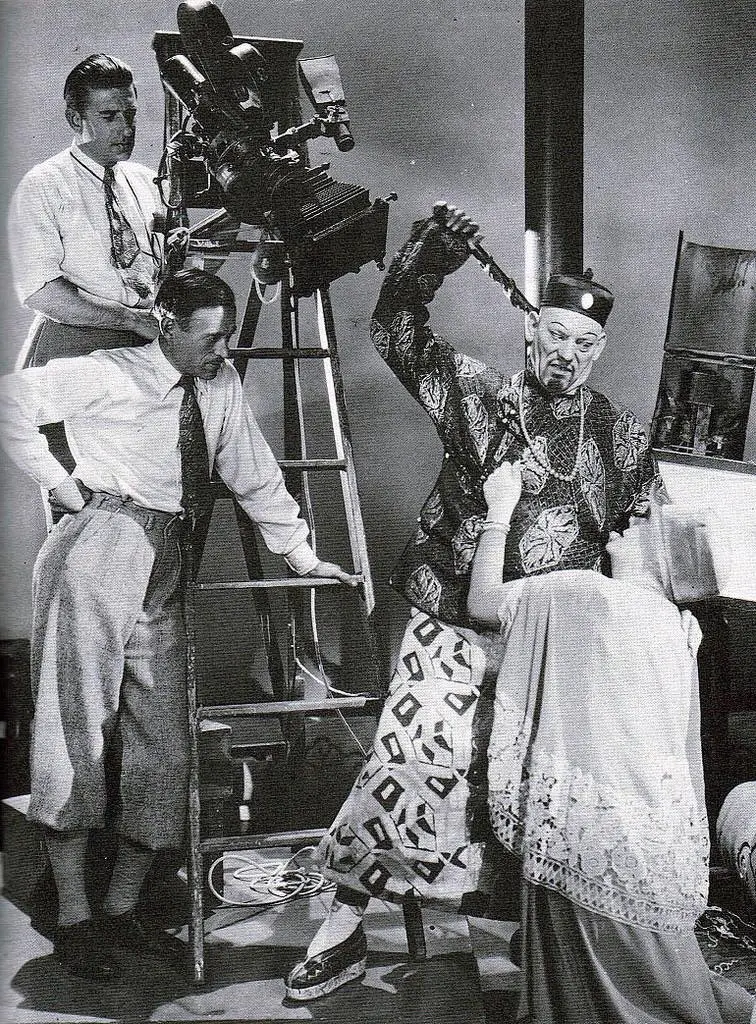
Under the direction of William Nigh, Mr. Wu achieves a surprisingly rich visual atmosphere for a silent film of its era. Nigh, often working with cinematographer James Wong Howe, crafts a world that feels both exotic and