DbcultAccessing Vault...
6.3/10
Senior Film Conservator
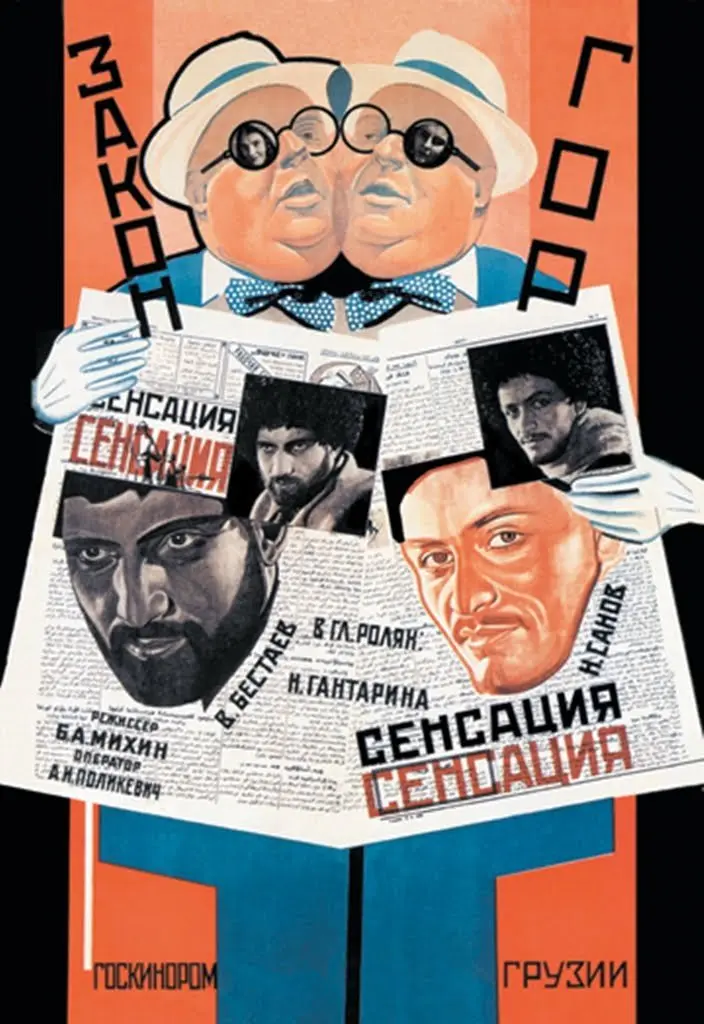
A definitive 6.3/10 rating for a film that redefined the boundaries of cult cinema. Mtis kanoni remains a cornerstone of transgressive art.
Is Mtis kanoni a relic worth your time in the modern era? Short answer: Yes, but only if you are prepared for a slow-burn ethnographic tragedy that prioritizes cultural weight over Hollywood pacing. This film is for the cinephile who wants to see the roots of Soviet-era regional cinema and for those fascinated by the collision of tribal honor and individual morality. It is decidedly not for those seeking a fast-paced action romp or a lighthearted evening of entertainment.
This film works because it captures the terrifying scale of the Caucasus mountains as both a physical and psychological prison. This film fails because its secondary characters often lack the depth afforded to the two leads, making the community's demand for blood feel more like a plot device than a living, breathing social force. You should watch it if you have an interest in historical legal codes or the way early cinema captured the intersection of landscape and destiny.
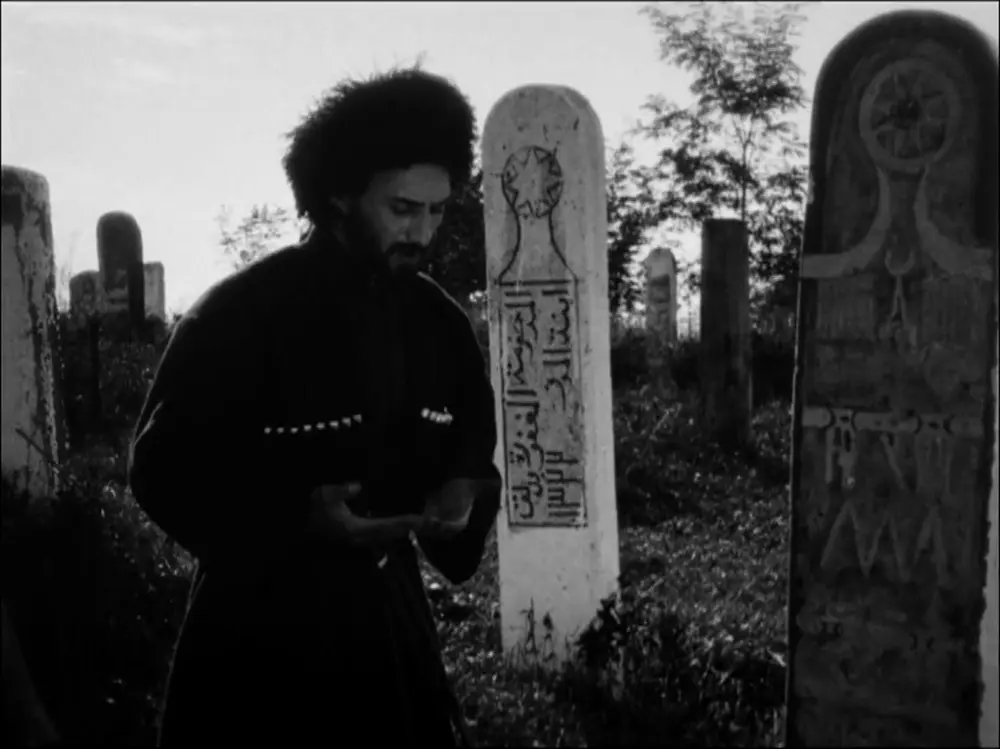
The title, Mtis kanoni, translates to 'The Law of the Mountains,' and the film treats this law as a gravity from which no character can escape. Unlike the domestic comedies of the era, such as Innocent Husbands, this is a story of existential dread. The narrative engine is simple: an accident happens. In a modern legal system, Ismail would be looking at involuntary manslaughter or perhaps a complete exoneration. But in 19th-century Karachai-Balkaria, the nuance of intent is irrelevant. The blood has been spilled, and the scales must be balanced.
The opening sequences, focusing on the timber industry, are essential to establishing this mood. We see the physical toll of the work—the straining muscles of Dolgat and Ismail as they grapple with massive logs. This physical labor is a metaphor for the social labor required to maintain peace in a high-tension environment. When the log slips, it isn’t just a failure of equipment; it is a rupture in the social fabric. The scene is shot with a stark, documentary-like realism that makes the sudden violence of the death feel all the more jarring.
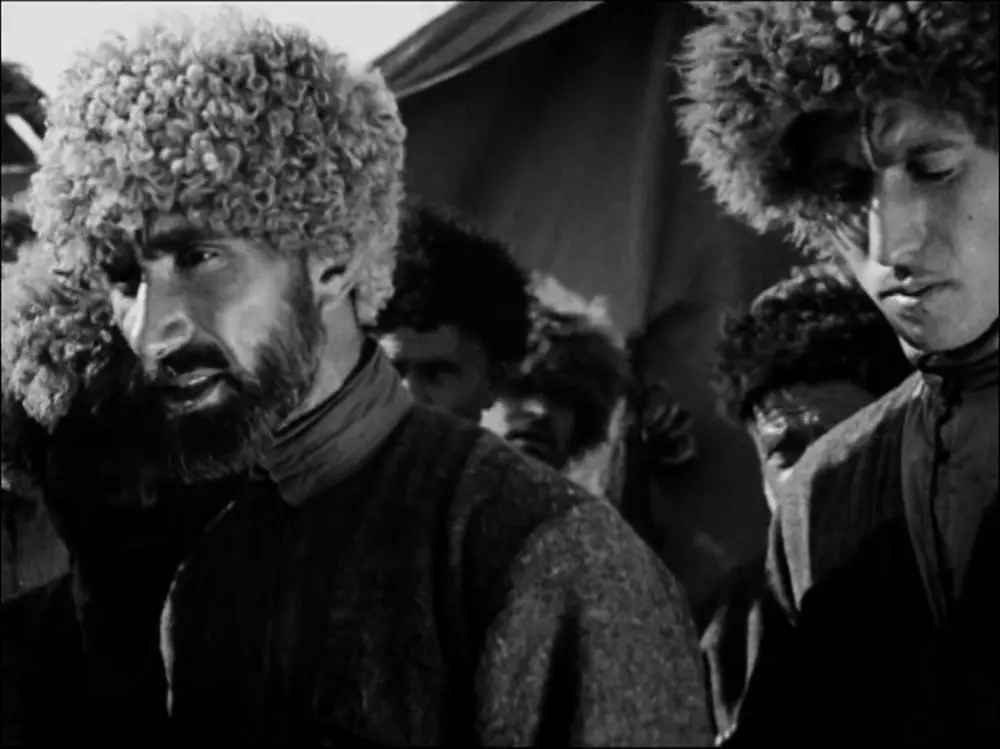
Director Boris Mikhin uses the landscape not just as a setting, but as a silent antagonist. The mountains are tall, jagged, and indifferent. They dwarf the human drama, reminding the viewer that these blood feuds have been happening for centuries and will continue long after Dolgat and Ismail are gone. The cinematography here is surprisingly advanced for its time. Mikhin utilizes low-angle shots to make the surrounding cliffs feel like they are leaning in on the characters, closing off any possibility of escape.
Contrast this with the more theatrical staging of Queen of Spades. While that film relies on the shadows of the interior to build suspense, Mtis kanoni uses the vast openness of the outdoors to create a sense of exposure. There is nowhere for Ismail to hide. The community's gaze is everywhere. This creates a psychological tension that is almost unbearable. It works. But it’s flawed. The pacing in the second act slows down to a crawl as the film lingers on the rituals of the community, which, while historically interesting, can feel like a detour from the emotional core of the two friends.
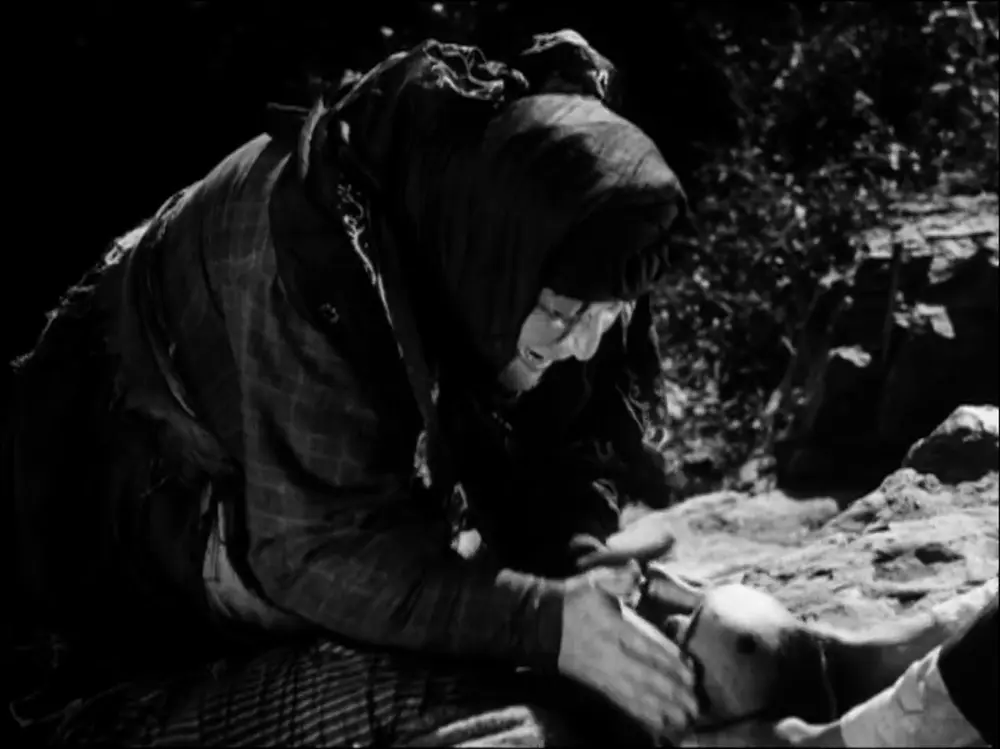
Valerian Gunia and Vladimir Bestaev carry the emotional weight of the film. Gunia, in particular, delivers a performance that is remarkably restrained. In many silent films of this period, like The Love Girl, actors relied on grand gestures and exaggerated facial expressions. Gunia goes the opposite direction. His grief is quiet, internal, and conflicted. You can see the gears turning in his head: he knows his friend is innocent of intent, but he also knows that to defy the community is to lose his own place in the world.
Bestaev’s Ismail is a tragic figure of a different sort. He is a man who has accepted his fate before the judgment is even passed. There is a specific moment where Ismail looks at his hands after the accident—not with horror at what they did, but with a realization of what they have lost. It is a haunting image that stays with you long after the credits roll. The supporting cast, including Olga Kejeradze, provides the necessary social pressure, though they often feel more like archetypes of 'Tradition' and 'Family' rather than fully realized individuals.
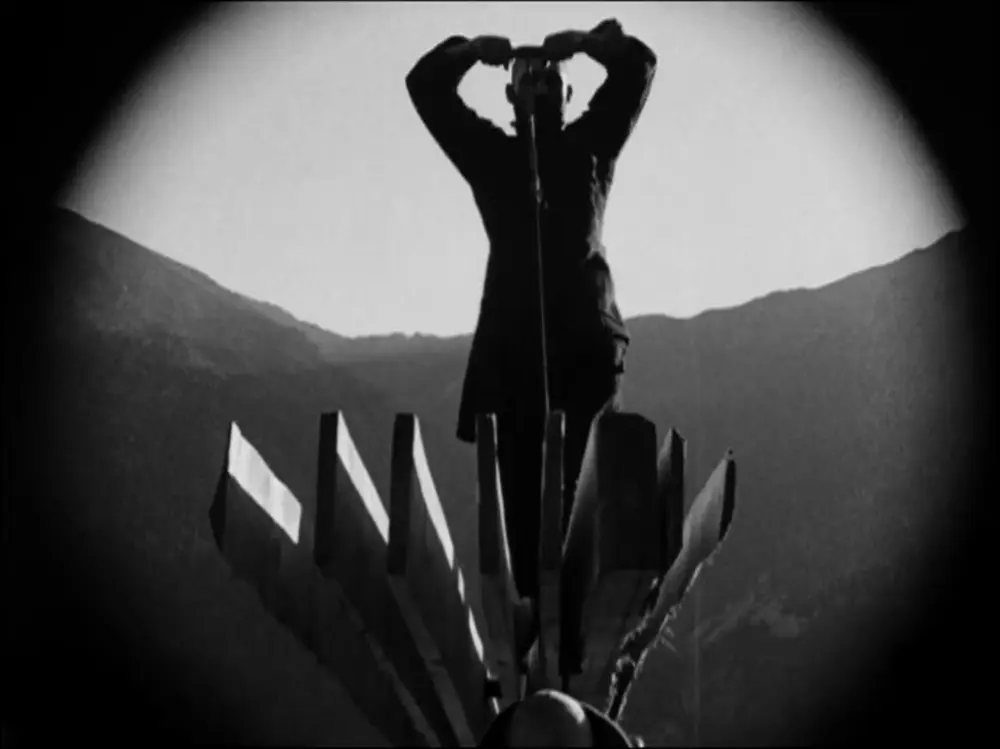
Mtis kanoni is absolutely worth watching if you are a student of film history or social anthropology. It provides a rare, unvarnished look at the Caucasus during a period of transition. While the technical limitations of 1927 are present, the emotional resonance of the central conflict is timeless. It is a film about the tragedy of being a good person in a rigid system. If you enjoyed the psychological depth of Playing with Souls, you will find much to admire here, though the tone is significantly bleaker.
Pros:
- Powerful, understated performances by the lead actors.
- Exceptional use of natural locations to build atmospheric dread.
- A nuanced exploration of justice versus morality.
- Historically significant portrayal of Karachai-Balkaria culture.
Cons:
- Some supporting characters feel like two-dimensional props.
- The film’s rhythmic structure can feel archaic to modern audiences.
- The ending is predictable, though no less tragic for it.
When comparing Mtis kanoni to other films of the same decade, its uniqueness becomes clear. While The Light deals with personal enlightenment and internal struggle, Mtis kanoni is about external, inescapable social forces. It shares some of the tragic DNA of La belle dame sans merci, but replaces the romantic tragedy with a communal one. Even films like A Question of Right, which tackle legal and moral dilemmas, lack the raw, rugged environment that makes this film so visceral. The mountain is not just a place; it is a judge, jury, and executioner.
The film also stands in stark contrast to the more urban, American sensibilities of Boomerang Bill or Old Home Week. Where those films often find a way to resolve conflict through individual agency or a change of heart, Mtis kanoni suggests that in certain cultures, the individual simply does not exist outside of the collective. It is a brutal, honest, and deeply pessimistic view of human society that feels more 'modern' in its cynicism than many of its contemporaries.
Mtis kanoni is a difficult film, not because it is hard to understand, but because it is hard to watch the inevitable destruction of a beautiful friendship. It is a masterclass in using environment to mirror internal conflict. The mountain doesn't care about your friendship. The law doesn't care about your intent. In the end, the film leaves you with a cold, sinking feeling in your chest—the same feeling Ismail must have felt when he realized his life was no longer his own. It is a essential viewing for those who want to understand the power of early regional cinema to tell universal stories of human suffering. It is a somber, grey masterpiece that deserves its place in the canon of world cinema.
"A haunting reminder that the oldest laws are often the most heartless."
IMDb —
1928
Community
Log in to comment.