DbcultAccessing Vault...
Cult Review
Senior Film Conservator
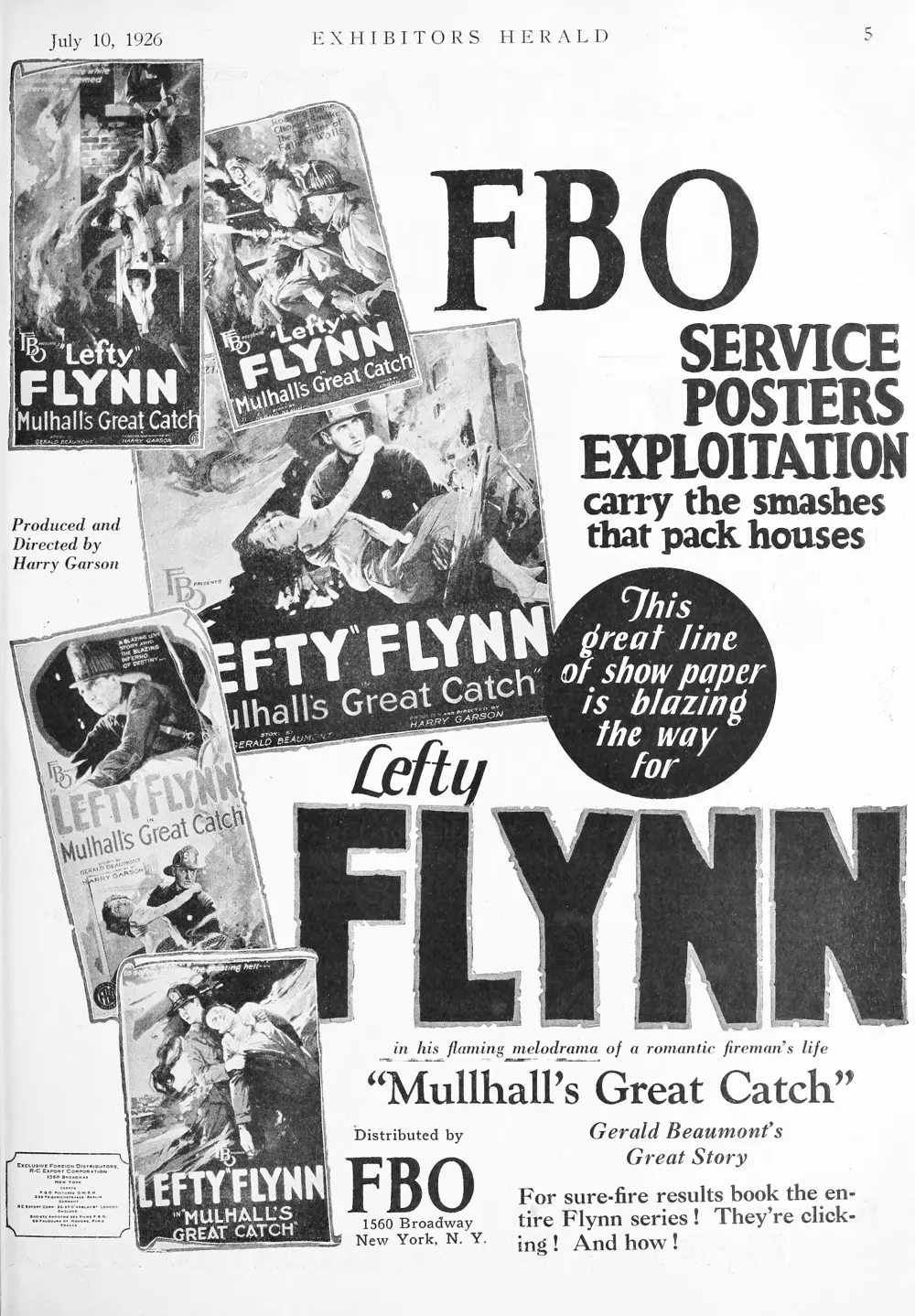
Is Mulhall’s Great Catch a hidden gem worth your afternoon? Short answer: Yes, but only if you appreciate the physical comedy and earnest heroism of the silent era.
This film is specifically for fans of 1920s genre cinema and those who enjoy the 'underdog vs. the popular rival' trope. It is definitely not for those who require fast-paced modern editing or nuanced, complex character arcs.
1) This film works because it leans heavily into the physical charisma of Maurice 'Lefty' Flynn, whose transition from football star to screen actor provides a grounded, athletic energy to the action sequences.
2) This film fails because the plot relies on a series of increasingly improbable coincidences that make the protagonist look more like a victim of fate than a hero of his own story for the first two acts.
3) You should watch it if you want to see a classic example of how 1920s cinema handled the 'blue-collar hero' archetype and the social dynamics of municipal competition.
The central conflict of Mulhall's Great Catch is as old as the city itself. The friction between firemen and police officers provides a fertile ground for both comedy and drama. In this film, the rivalry is personified by Joe Mulhall and Otto Nelson.
The film establishes this tension early on. We see Joe and his partner Rizzoli responding to a call in the industrial district. The cinematography here is surprisingly kinetic for 1926. It captures the urgency of the era's fire-fighting equipment.
Joe’s rescue of the two women is handled with a straightforward sincerity. There are no flashy camera tricks here. It is pure physical performance. This grounded approach makes the subsequent injustice feel more biting to the audience.
When Officer Nelson falls from the roof and accidentally knocks Joe out, only to be hailed as the hero, it sets a tone of frustration. The audience is forced to sit with Joe’s resentment. It’s a bold choice for a light comedy.
Maurice 'Lefty' Flynn was not your typical silent film lead. He didn't have the delicate features of a Valentino. He had the build of a linebacker. This physicality is the film's greatest asset.
In many ways, Flynn’s performance reminds me of the work seen in Blue Jeans. There is a sense of genuine peril in his movements. When he is navigating the industrial district, you feel the weight of his gear.
Kathleen Myers as Nora McCarron plays the role of the romantic prize with as much agency as the script allows. She isn't just a passive observer. Her signaling Joe from the window is a small but vital character moment.
Henry Victor as the antagonist, Officer Nelson, is perfectly punchable. He plays the 'stolen valor' trope with a smugness that makes the eventual finale incredibly satisfying. He represents the polished, favored side of public service.
The pacing of Mulhall's Great Catch is a bit of a roller coaster. The opening action is tight. However, the middle section involving the Fire and Police Ball drags significantly. It leans too hard into repetitive slapstick.
The scene where Joe spills refreshments on the mayor and commissioner is a cliché even by 1926 standards. It feels like a distraction from the main plot. It works. But it’s flawed.
Compare this to the tension found in The Third Degree. While that film uses psychological pressure, Mulhall's Great Catch relies on social embarrassment. It's a lower-stakes conflict that occasionally feels trivial.
However, the cinematography during the final safe-cracking scene redeems the middle-act slump. The use of shadow and light in Mr. McCarron's office creates a genuine sense of danger. The dynamite sequence is particularly well-staged.
Yes, Mulhall's Great Catch is worth watching if you are interested in the evolution of the action-comedy genre. It provides a fascinating look at 1920s urban life and the archetypes of the 'working-man hero.'
The film offers a clear, direct narrative. It does not try to be more than it is. It is a story about a man trying to regain his honor and win the girl. This simplicity is its strength.
While it lacks the complex social commentary of Slaves of Pride, it makes up for it with heart. It is a film that celebrates the grit of the fireman over the polish of the police officer.
The final act of the film shifts gears entirely. We move away from the lighthearted rivalry and into a crime thriller. This is where the film truly earns its title.
The burglars are portrayed with a surprising level of menace. They aren't just bumbling crooks. They are dangerous. This raises the stakes for Joe's arrival.
One of my favorite observations about this film is how it handles the 'knockout.' Nelson is knocked unconscious almost immediately. This is a subversion of his earlier accidental heroism.
Joe’s victory isn't just about strength. It's about timing. He overcomes the burglars just as they are about to blow the safe. The editing in this sequence is sharp and effective.
Pros:
Cons:
Mulhall's Great Catch is a solid, if predictable, piece of silent-era entertainment. It doesn't reach the heights of the era's most experimental works, but it succeeds as a genre piece.
The film is a testament to the appeal of the everyman hero. Joe Mulhall is a character the audience can't help but root for, especially when he’s being overshadowed by the slick Officer Nelson.
While the ball scene is a chore to get through, the payoff in the final ten minutes is worth the wait. It’s a satisfying conclusion that ties the professional and personal threads together neatly.
If you’ve enjoyed other films from this period like The Snarl or Castles for Two, you will find much to admire here. It is a charming relic of a time when heroes wore suspenders and villains used dynamite.
Ultimately, the film serves as a great showcase for 'Lefty' Flynn. He carries the movie on his broad shoulders. Without his physical commitment, the film would likely be forgotten.
"A rugged, blue-collar response to the more polished romances of the day, Mulhall's Great Catch is a reminder that the best heroes are the ones who show up when the police fail."
In the grand scheme of silent cinema, this is a 'B-movie' that punches above its weight class. It’s honest, it’s physical, and it’s undeniably human. It’s a catch worth making for any serious cinephile.
IMDb 3.3
1923
Community
Log in to comment.