DbcultAccessing Vault...
Cult Review
Senior Film Conservator
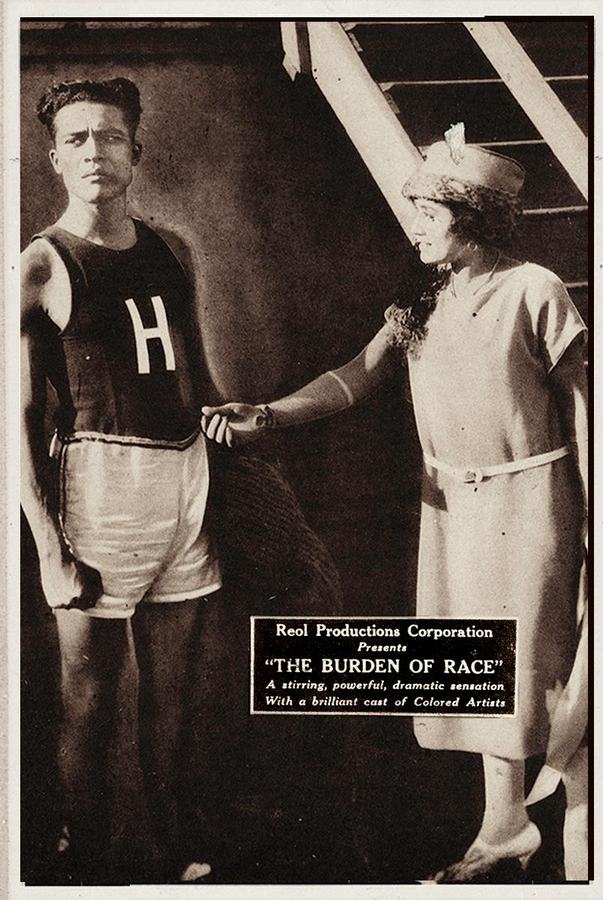
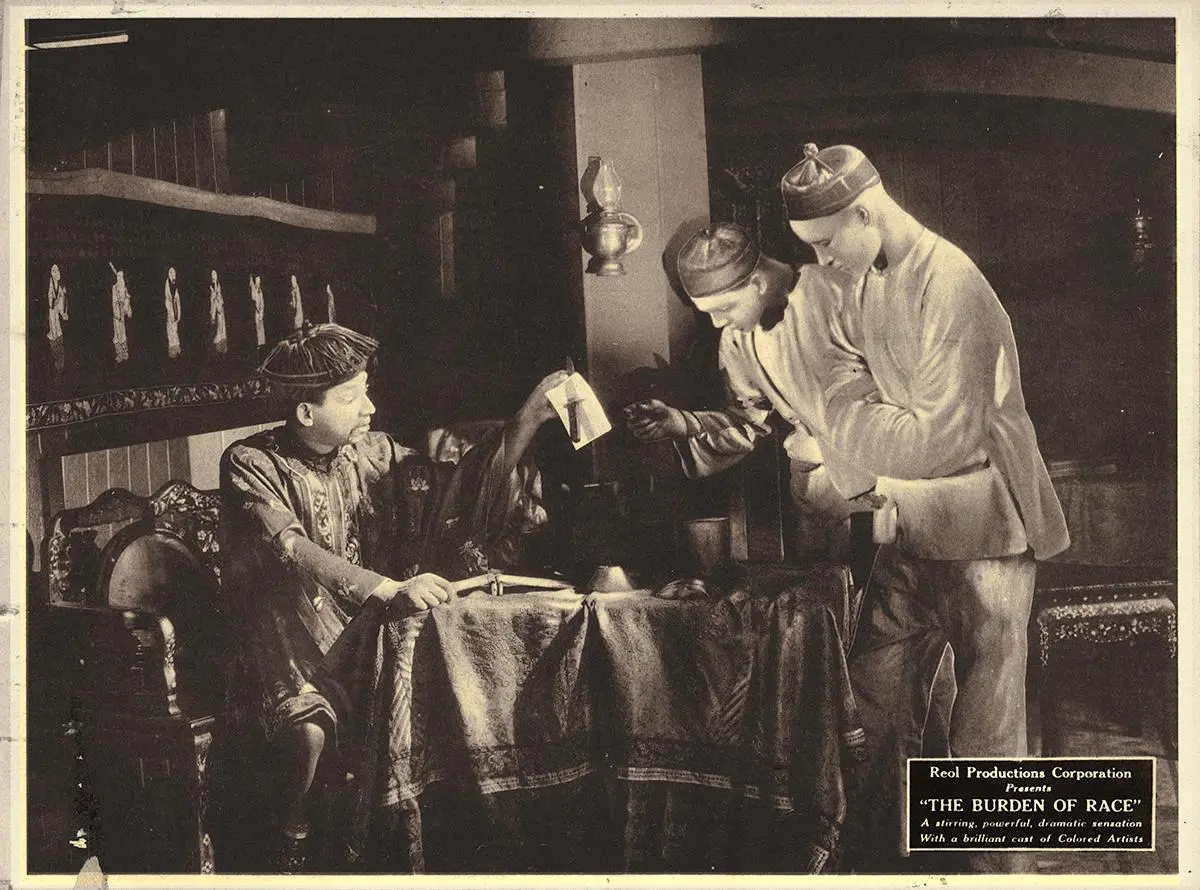
In an era where the walls of prejudice still loom as specters in the corridors of modernity, The Burden of Race emerges as a cinematic excavation of the human psyche, peeling back the layers of societal conditioning to expose the raw nerve endings of intersocietal love. This film, with its chiaroscuro visuals and tautly written dialogue, constructs a narrative that is as much about the collision of cultures as it is about the silent revolutions within the soul.
Architectural Parallels in Cinematic Storytelling
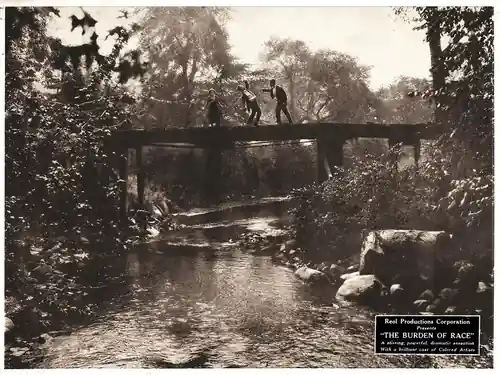
The film's structure mirrors the architectural motifs seen in A Model's Confession, where spatial arrangements symbolize emotional distance. Here, the protagonists' apartment becomes a microcosm of their union - the African-American character's meticulously ordered bookshelves contrast with the Asian-American's eclectic art collection, creating a visual metaphor for their divergent yet converging worlds. Director Lawrence Chenault employs this juxtaposition with surgical precision, using the interplay of light and shadow to denote moments when cultural identities coalesce or clash.
Performances as Cultural Archaeology
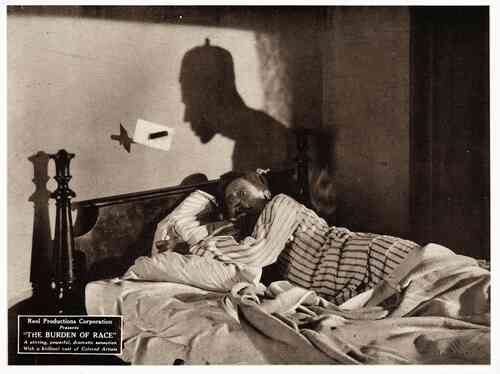
Arthur Ray's portrayal of the African-American protagonist is a masterclass in restrained intensity. His character's internal monologues, delivered with the cadence of poetry, echo the existential musings found in The Return of Draw Egan, yet Ray infuses them with a modern urgency. The Asian-American character, played by Elizabeth Williams, navigates her duality with a grace that recalls the conflicted heroines of Der neueste Stern vom Variété, but with a contemporary edge. Their chemistry crackles with the tension of two souls simultaneously drawn to and repelled by each other's cultural baggage.
Visual Anthropology in Motion
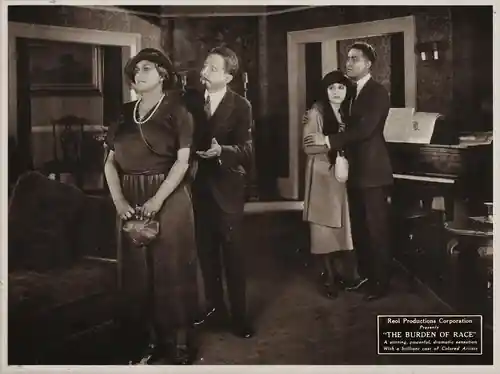
The cinematography in The Burden of Race is a visual treatise on cultural hybridity. Consider one particularly striking sequence where the couple dances in a dimly lit room, their movements echoing the traditional dances of their respective heritages. This scene, reminiscent of the cultural fusion in De Voortrekkers, becomes a metaphor for their relationship - a beautiful, precarious balance of tradition and innovation. The film's color palette shifts subtly with the protagonists' emotional states, a technique that recalls the mood-driven visuals of Temblor de 1911 en México.
Soundtrack as Subtext
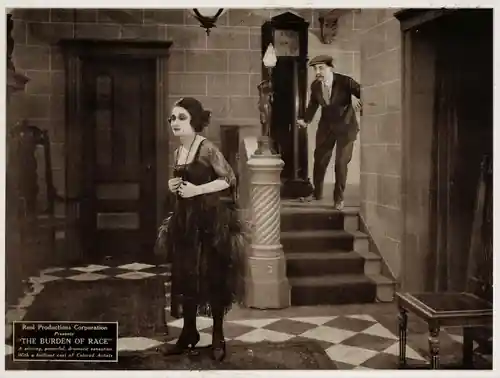
The score, composed with the same subtlety as the film's narrative, weaves traditional African rhythms with Eastern melodic structures, creating a soundscape as conflicted and harmonious as the central romance. This aural duality is reminiscent of the musical experimentation in All That Glitters Is Not Goldfish, yet here it serves as both narrative device and thematic reinforcement. The use of silence in key moments - particularly during confrontations between the couple and external adversaries - is as telling as the music itself, evoking the uncomfortable silences of The Broken Commandments.
Historical Resonances in Contemporary Context
The film's exploration of racial dynamics invites comparison with Society's Driftwood, but Chenault's approach is more nuanced, avoiding didacticism in favor of complex ambiguity. The narrative structure, with its non-linear flashbacks, mirrors the fragmented nature of cultural memory, a technique also employed in A Motorcycle Adventure, yet here it serves to highlight the intergenerational transmission of prejudice.
Philosophical Undercurrents
At its core, The Burden of Race is a philosophical inquiry into the nature of identity in a globalized world. The film's third act, where the couple confronts a hate crime, is a masterstroke of tension that channels the moral dilemmas of The Devil's Passkey, but with a distinctly modern sensibility. The resolution, while not entirely satisfying, feels authentic in its refusal to offer simplistic solutions - an approach that recalls the open-ended finality of From Caterpillar to Butterfly.
Technically, the film is a triumph. The editing, particularly in the dual timelines sequences, displays a sophistication that rivals the structural complexity of A Soul Enslaved. The production design, with its careful attention to period details while maintaining a timeless quality, is reminiscent of the aesthetic precision in In Old Kentucky. Yet it is the use of negative space in the framing that truly sets this film apart - a visual language that speaks volumes about the characters' internal landscapes.
The Burden of Race is not merely a film about intercultural romance; it is a meditation on the paradox of being both part of and apart from one's cultural heritage. It challenges viewers to confront the uncomfortable truths about their own biases while celebrating the resilience of love that refuses to conform to societal categories. In its best moments, it evokes the raw emotional power of Eine weisse unter Kannibalen, but with a modern, cosmopolitan sensibility. This is a film that lingers long after the credits roll, its questions as urgent now as they were when first conceived.
For those seeking a cinematic experience that transcends mere entertainment, The Burden of Race offers a provocative, visually stunning exploration of identity, love, and societal constraints. It is a film that demands multiple viewings, each time revealing new layers in its complex examination of the human condition. In an age where cultural divisions seem increasingly insurmountable, this film serves as both a mirror and a bridge, challenging us to see beyond the surface to the shared humanity beneath.
IMDb 7.1
1921
Community
Log in to comment.